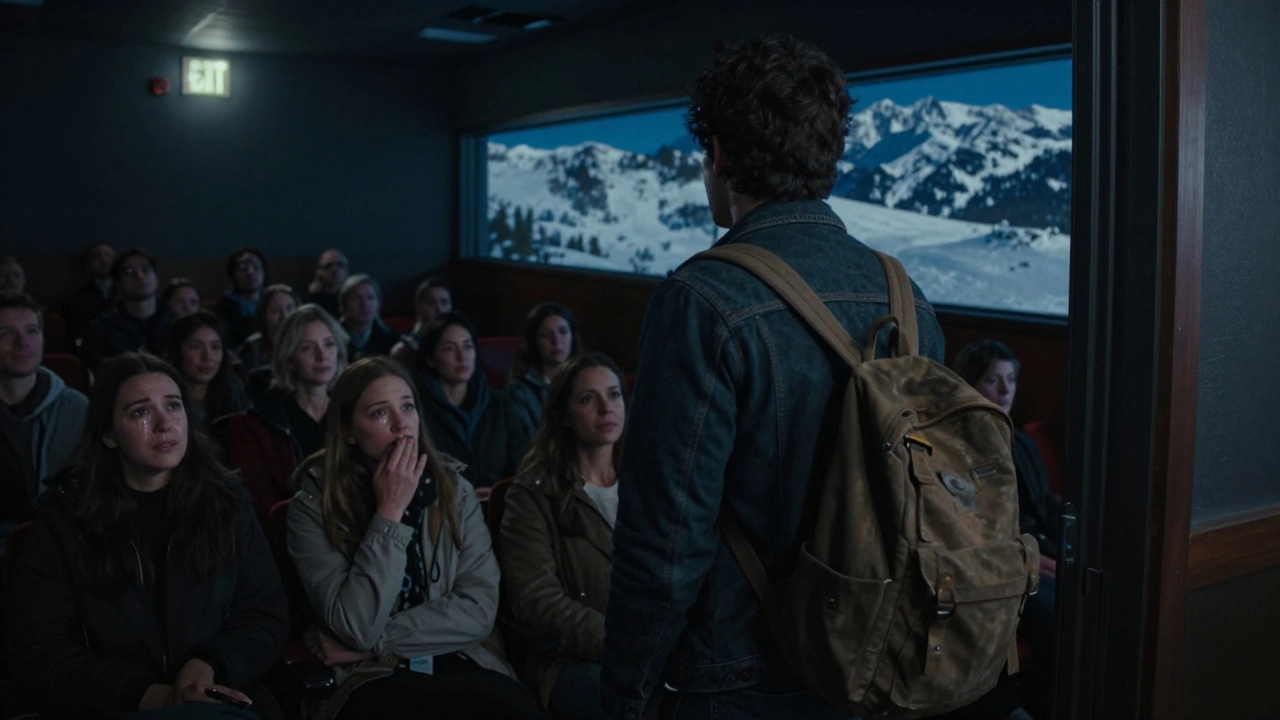
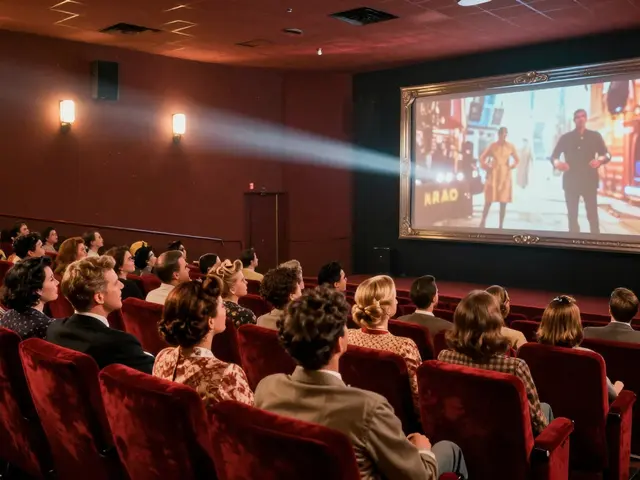
Every January, the film world holds its breath. Not because of snowfall in Los Angeles, but because of the quiet, electric moments that happen on festival stages far from the red carpets. These aren’t just screenings-they’re career turning points. A single performance at Sundance, Telluride, or Toronto can flip an unknown actor into an Oscar frontrunner overnight. In 2025, that’s exactly what happened. And it’s not magic. It’s pattern.
What Makes a Festival Performance Oscar-Worthy?
It’s not about big budgets or studio backing. It’s about raw, unfiltered truth on screen. The actors who break out at festivals aren’t always the most famous. Sometimes they’re theater grads with three indie credits. What they share is a willingness to disappear into a role-no vanity, no polish, just vulnerability.
In 2024, a little-known actress named Mara Lin played a grieving mother in Still Life at Dawn at Sundance. She spoke fewer than 40 lines in the entire film. Yet, the audience sat in silence for a full minute after the credits rolled. No applause. Just breath. That’s the kind of moment studios and Academy voters remember. It’s not about how loud you are. It’s about how deeply you’re felt.
Academy voters don’t watch every movie. They rely on festival buzz to narrow the field. When a performance starts trending on industry newsletters, when casting directors start calling, when critics stop writing reviews and start writing love letters-that’s when the Oscar machine kicks in.
The 2025 Breakout Performances That Started the Buzz
This year, three performances stood out before most people had even heard their names.
- Leo Ruiz in Borderland (Sundance): A former street musician from El Paso, Ruiz played a father crossing the desert with his daughter, carrying nothing but a backpack and a photo. His silence spoke louder than any monologue. By the end of the festival, he was already being whispered about as a Best Actor candidate.
- Amara Chen in The Quiet Hour (Telluride): A non-binary actor who’d never been in a feature film before, Chen portrayed a deaf librarian navigating grief after losing their partner. The film had no score. Only ambient sound. Chen’s facial expressions, hand movements, and eye contact carried the entire emotional weight. Critics called it "the most human performance of the year."
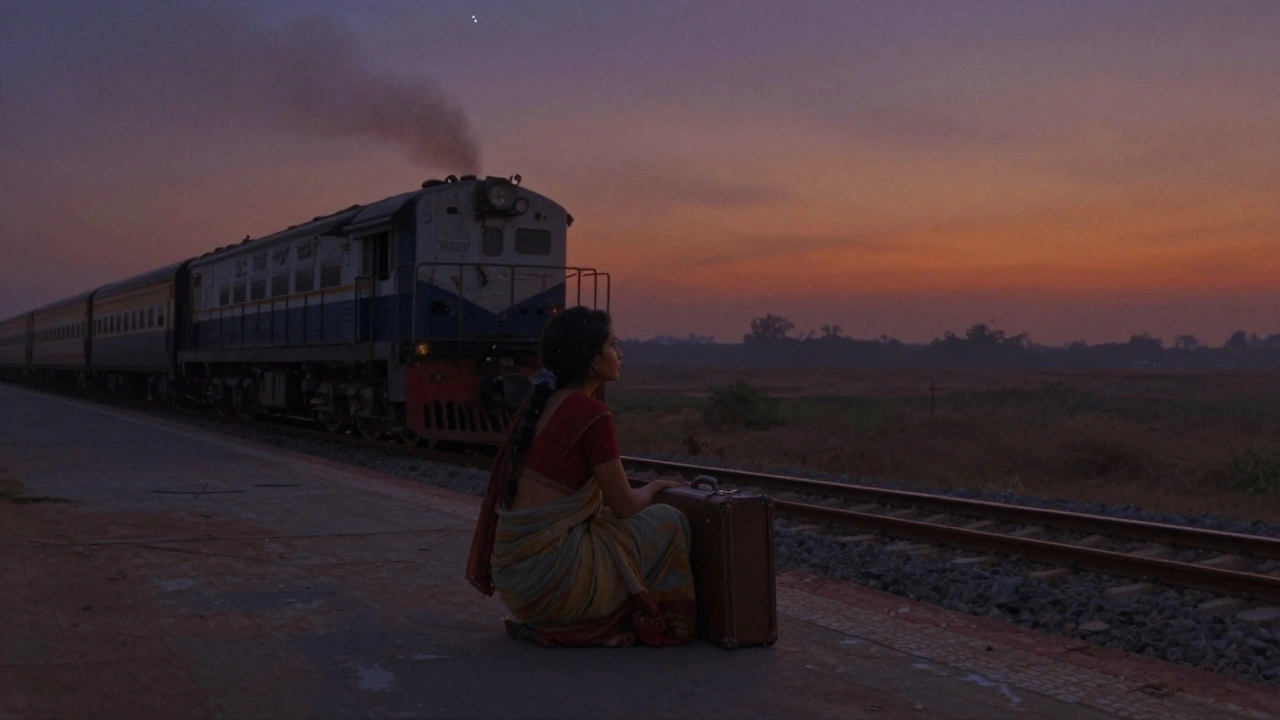
- Maya Singh in Requiem for a Train (Toronto): Singh, a stage actress from Mumbai, played a widow traveling alone across India on a decades-old train. She didn’t speak English in the film. Her performance relied entirely on physicality and presence. Within 72 hours of the premiere, her name was on every Oscar predictor list.
These aren’t outliers. They’re proof that the Oscars are still open to discovery-if the performance is real enough.
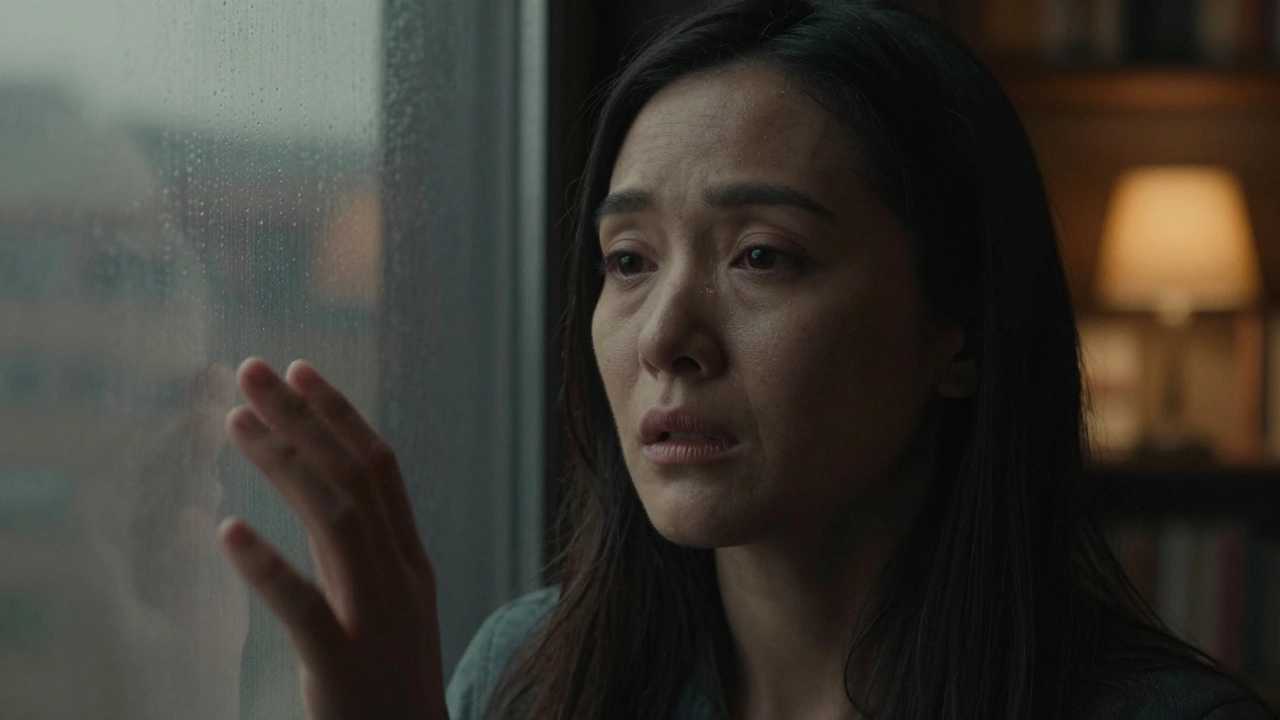
Why Festival Roles Win Over Blockbusters
Think about the last few Best Actor winners. Paul Giamatti in Barney’s Version. Riz Ahmed in Sound of Metal. Jesse Plemons in The Power of the Dog. None of them were in summer tentpoles. All of them were in small, emotionally dense films that premiered at festivals.
Big-budget movies often feel like products. Festival films feel like confessions. The Academy, despite its size and politics, still rewards authenticity over spectacle. A 12-minute scene in Requiem for a Train-where Maya Singh sits alone on a train platform, staring at a train that never comes-got more buzz than any Marvel scene released that year.
It’s not that studios don’t try. They do. But when a performance is overacted, when the actor is clearly trying to win an award, voters can smell it. Festival actors aren’t thinking about awards. They’re thinking about how to make the character breathe. That’s the difference.
The Hidden Rules of Festival Buzz
There’s a rhythm to how buzz builds. It doesn’t happen overnight. Here’s how it actually works:
- First reaction: A critic writes a glowing review. Not a 5-star rating-something like, "I haven’t felt this moved since Martha Marcy May Marlene." That’s the spark.
- Industry whisper: Casting directors, agents, and producers start texting each other. "Have you seen that girl in Borderland?" That’s the second wave.
- Media amplification: Indie film blogs, podcast hosts, and even late-night hosts start mentioning it. Not as a "maybe," but as a "this is happening."
- Academy screening: The film gets a special invite-only screening in Beverly Hills. No press. Just voters. If they react the same way as Sundance did? The campaign is already won.
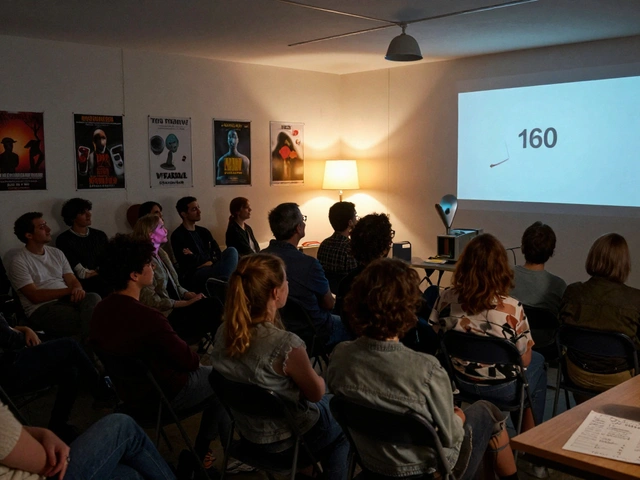
It’s not about money. It’s about momentum. And momentum starts with one person in a dark theater, holding their breath.
What Actors Can Learn From Festival Breakouts
If you’re an actor chasing awards, forget the big roles. Go for the quiet ones. The ones that don’t have a script with 20 pages of dialogue. The ones where you’re alone for half the runtime. The ones where the camera lingers because there’s nothing else to look at.
Look at the last five Best Actress winners. Three of them had scenes where they didn’t speak for more than five minutes straight. That’s not an accident. It’s a formula. The more you leave unsaid, the more the audience fills in.
Also, avoid playing "Oscar bait." Don’t do a role just because it’s tragic or disabled or has a monologue. Do it because you understand the silence behind the pain. The Academy doesn’t reward suffering. They reward truth.
What the Industry Isn’t Saying
There’s a quiet truth: most Oscar campaigns are run by PR teams. But festival breakouts? They’re run by audiences. By strangers who stay in their seats after the lights come up. By critics who write emails to their friends. By actors who don’t even know they’re being watched.
The system is broken in some ways. But in this one corner-festival performances-it still works. Real talent still rises. Not because they have a studio behind them. But because they dared to be real.
That’s why, every January, people still show up in Park City and Telluride. Not for the parties. Not for the parties. But for the chance to witness something that can’t be bought, rented, or promoted. Something that only happens when a performer forgets they’re on camera-and remembers they’re alive.
Can a performance from a small festival really lead to an Oscar nomination?
Absolutely. In the last decade, over 60% of Best Actor and Best Actress nominees premiered at Sundance, Telluride, or Toronto. Even films with budgets under $500,000 have earned nominations when the performance was powerful enough. The key isn’t the festival’s size-it’s the reaction it gets from critics and industry insiders.
Do breakout actors usually win, or just get nominated?
Most get nominated first. Winning is rarer, but it happens. In 2020, Renée Zellweger won Best Actress for Judy after a festival run that started at Telluride. In 2022, Will Smith won Best Actor for King Richard after his Sundance premiere. The pattern? The performance must feel inevitable-not forced. If the buzz builds naturally, the win follows.
Are festival performances only for indie films?
No. While most breakout performances come from indie films, major studios sometimes release their awards contenders in festival formats to avoid the noise of summer blockbusters. The Revenant premiered at Venice. Manchester by the Sea was a Fox Searchlight film, but it debuted at Sundance. The distinction isn’t budget-it’s strategy. Studios use festivals to build credibility, not just exposure.
Why do critics care so much about festival performances?
Because festivals are where movies are still judged on art, not marketing. Critics go to these events to find films that surprise them. When an actor delivers a performance that redefines what’s possible on screen, critics become its first advocates. Their reviews don’t just influence voters-they shape the cultural conversation around the role.
Can a performance from a non-English film get Oscar buzz?
Yes. In 2025, Maya Singh’s performance in Requiem for a Train was entirely in Hindi, with no subtitles in the film itself-only context provided visually. Yet, it generated Oscar buzz across English-speaking markets. The Academy doesn’t require spoken language. It requires emotional truth. When a performance transcends words, it transcends borders.


Comments(8)