Think about the last time a song in a movie made you cry, cheer, or freeze in place. It wasn’t just the scene-it was the song. That’s the power of using songs as part of a film’s soundtrack, not just as background noise but as emotional anchors. While orchestral scores often build tension or sweep us into grandeur, songs with lyrics can cut deeper. They carry cultural weight, personal memories, and instant emotional recognition. When filmmakers choose a song over a score, they’re not just picking music-they’re picking a story.
Why Songs Hit Harder Than Scores
A film score is like a mood ring-it shifts color with the scene. A swelling string section tells you to feel suspense. A lone piano says loneliness. But a song? A song has history. When Bruce Springsteen’s “Streets of Philadelphia” plays over the opening of Jonathan Demme’s 1993 film of the same name, you don’t just hear sadness-you feel the weight of an entire era. The song already carried meaning before the movie started. It was a chart-topper, a Grammy winner, a cultural moment. The film didn’t create the emotion; it tapped into it.
Compare that to John Williams’ “Imperial March” from Star Wars. It’s brilliant. It’s iconic. But it doesn’t come from the world outside the film. It was made for the movie. A song like “Hallelujah” by Leonard Cohen, used in Shrek or The Sopranos, already lived in thousands of homes, weddings, funerals, and karaoke bars. When it appears in a film, it doesn’t just support the scene-it echoes the audience’s own life.
The Art of Song Selection
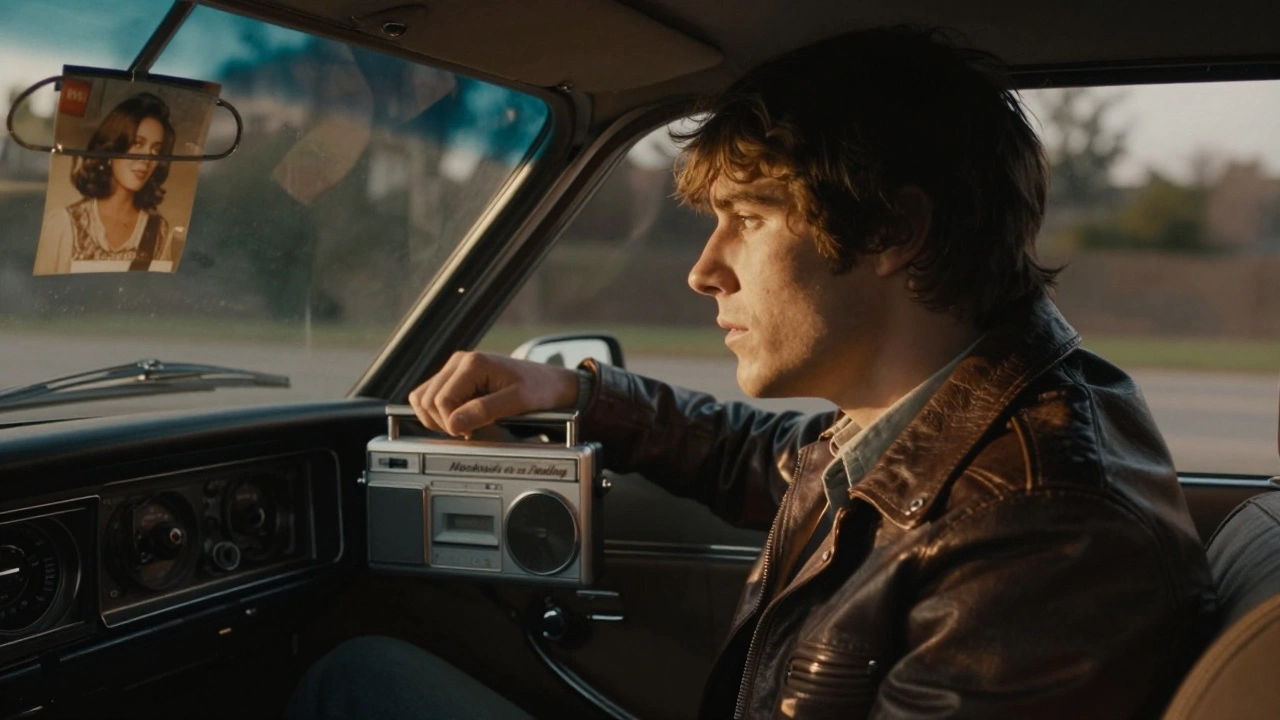
Choosing the right song isn’t about popularity. It’s about alignment. A song must match the character’s inner world, not just the plot. In Guardians of the Galaxy, Peter Quill’s Walkman isn’t a gimmick-it’s his emotional lifeline. The 1970s pop songs on his mixtape aren’t just nostalgia; they’re his connection to his mother, his only link to a world he lost. Each track-“Hooked on a Feeling,” “Come and Get Your Love,” “I Want You Back”-is chosen because it mirrors his grief, his isolation, his stubborn hope.
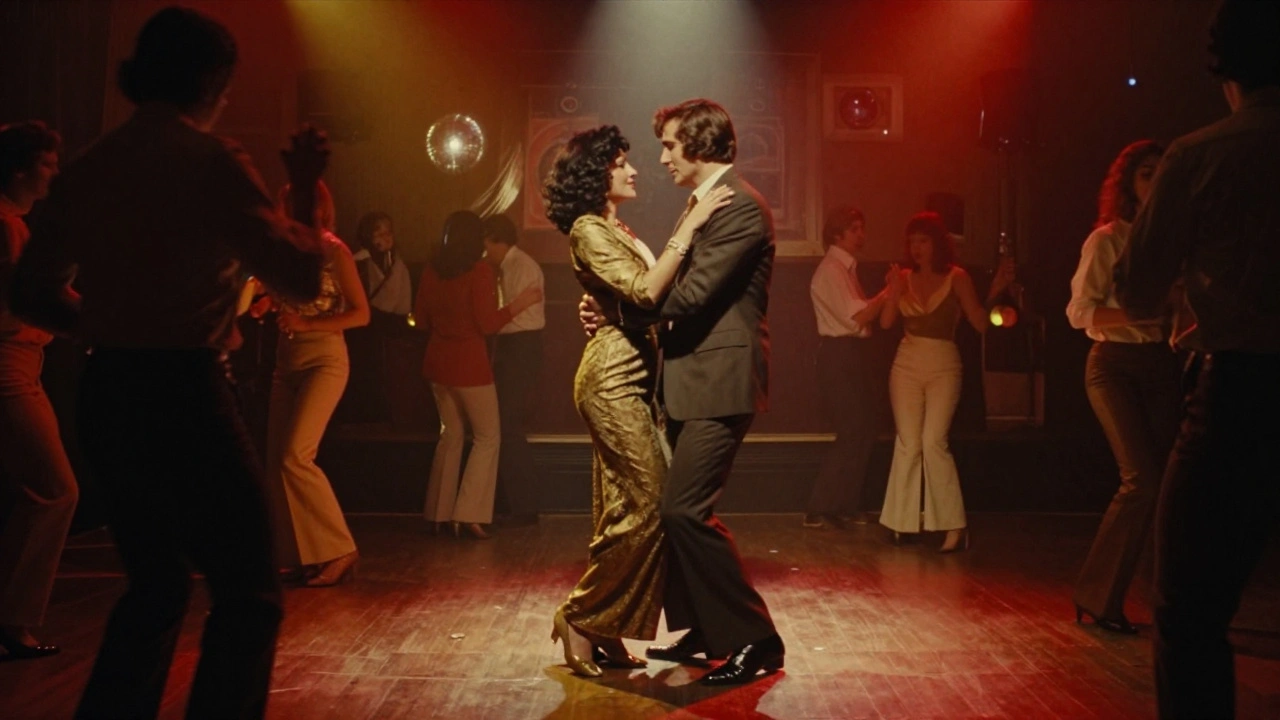
Contrast that with Goodfellas. Scorsese didn’t use a score. He used real songs from the time: “Layla” by Derek and the Dominos, “Then He Kissed Me” by The Crystals. Why? Because the characters lived in that music. The songs weren’t added to enhance the scene-they were part of the environment. The music was their language. When Henry Hill dances with Karen through the Copacabana, the song isn’t playing for us. It’s playing for them.
When Songs Replace Scores Entirely
Some films ditch the score altogether. Whiplash is a perfect example. The drumming isn’t just the plot-it’s the heartbeat of the film. The score? It’s the music the characters are playing. The tension doesn’t come from strings or horns-it comes from the raw, bleeding, imperfect rhythm of live performance. There’s no orchestral swell to cue you when Andrew’s hands bleed. You feel it because you hear the stick hitting the snare, the breath before the crash, the silence after the mistake.
Similarly, Drive (2011) uses synthwave tracks by Kavinsky and College to create a mood that a traditional score couldn’t. The music isn’t reacting to the action-it’s setting the tone before the action even begins. The opening credits don’t need dialogue. The beat of “A Real Hero” says everything: cool, lonely, dangerous, beautiful.
The Risk of Using Songs
It’s not always easy. Using a song means you’re borrowing someone else’s emotional baggage. If the song doesn’t fit perfectly, it can break the immersion. Remember Top Gun’s “Danger Zone”? It works because it’s over-the-top in the right way-it matches the film’s tone. But what if they’d used “Imagine” during a dogfight? It would’ve been absurd.
There’s also the cost. Licensing a popular song can cost hundreds of thousands of dollars. That’s why indie films often rely on lesser-known tracks or original compositions. But when done right, the payoff is huge. In Almost Famous, the use of “Tiny Dancer” during the bus scene isn’t just a moment-it’s the emotional climax of the entire film. The song wasn’t chosen because it was famous. It was chosen because it felt true to the characters’ journey.
How Songs Shape Memory
Think about how you remember movies. Do you recall the score? Or do you remember the song that played during the breakup, the reunion, the death? Studies show that music with lyrics activates more areas of the brain than instrumental music alone. The words create a narrative layer that sticks. A 2021 study from the University of California found that viewers remembered scenes with songs 47% more accurately than scenes with scores-especially if the song had emotional lyrics.
That’s why Love Actually still hits after 20 years. Not because of the plot. But because of “All I Want for Christmas Is You” during the airport scene. You don’t just remember the moment-you remember how it made you feel the first time you heard that song in that context.
When Songs Become Characters
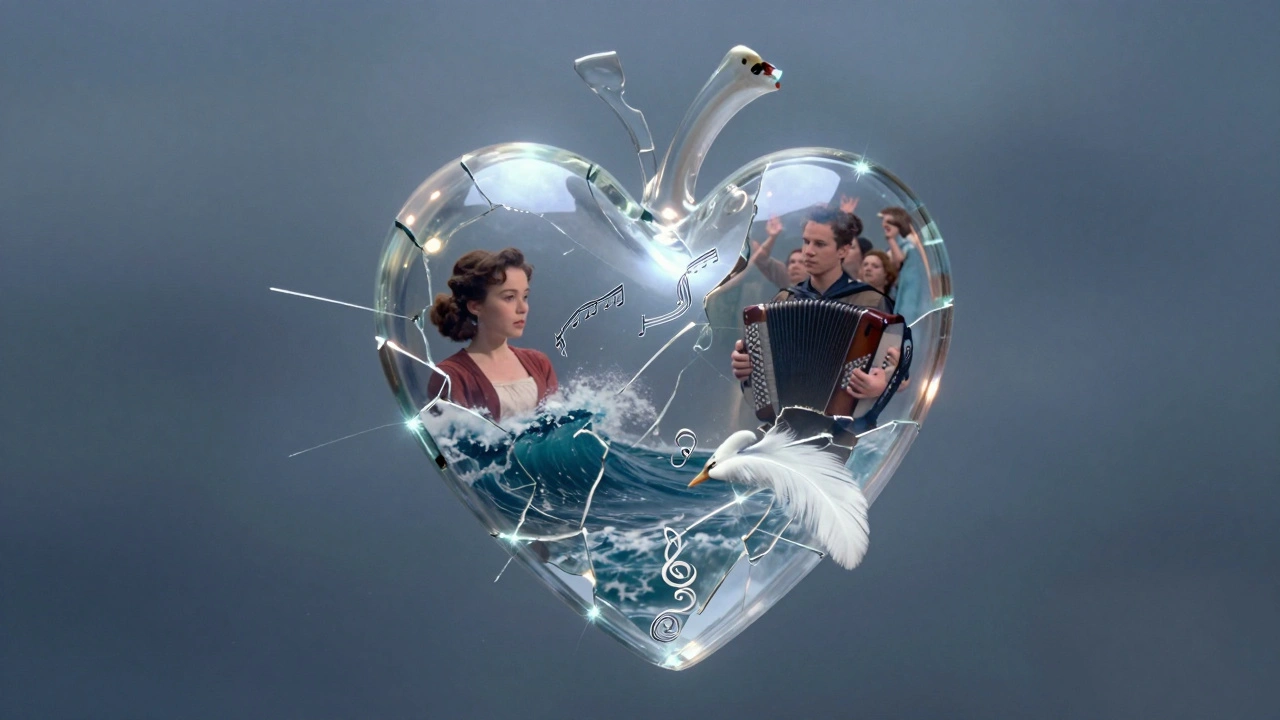
Some songs don’t just support the story-they become characters. In Amélie, the accordion-driven soundtrack by Yann Tiersen is often mistaken for a score. But it’s not. It’s a personality. The music has quirks, pauses, sudden bursts of joy. It’s as alive as Amélie herself. When she skips through the streets, the music skips with her. When she hesitates, the music holds its breath.
In Black Swan, the use of Tchaikovsky’s Swan Lake isn’t just background-it’s the psychological pressure cooker. The same melody repeats, twists, fractures. The music doesn’t just reflect Nina’s breakdown-it drives it. The song becomes the enemy, the obsession, the prison.
What Makes a Perfect Song-for-Film Moment?
- The song must feel inevitable. You can’t imagine the scene without it.
- It must carry emotional weight outside the film. The audience already has a relationship with it.
- It shouldn’t explain the scene. It should deepen it.
- It should match the character’s inner state, not just the action.
- It should leave a mark. You’ll hum it years later, even if you forget the movie’s name.
There’s no formula. But when it works, it’s magic. It’s why “My Heart Will Go On” still makes people cry-even when they’ve never seen Titanic. It’s why “The Sound of Silence” in The Graduate still feels like a punch to the chest.
Final Thought: The Song Is the Soul
Scores can guide the emotion. But songs? Songs own it. They’re not tools. They’re memories waiting to be activated. When a filmmaker chooses a song over a score, they’re not adding music-they’re inviting the audience’s past into the room. And that’s why, no matter how many symphonies are written, songs will always be the most powerful weapon in a film’s emotional arsenal.


Comments(11)