
The New Indie Playbook: Buying Over Building
For decades, indie producers tried to 'develop' scripts in-house, working with writers for years to tweak a plot. That's too slow for today's market. In 2025, the trend is to buy a 'finished' package. Producers are looking for scripts that already have a clear voice and a built-in hook. Why? Because it reduces the risk for investors. When a producer acquires a high-quality script, they aren't just buying a story; they are buying a blueprint that can be pitched to talent agents immediately. This shift is driven by the saturation of streaming content. With platforms like Netflix and Apple TV+ shifting their focus toward fewer, higher-quality prestige films, the demand for "award-contender" scripts has skyrocketed. If a script feels like it could win a festival prize, a production company will snap it up just to keep it away from competitors.Understanding the Deal: Options vs. Outright Purchases
If you're a writer or a producer, you need to know the difference between an option and a full purchase. Most indie deals start with an option. An option is essentially a down payment. The producer pays the writer a smaller sum to "lock up" the rights for a set period-usually 12 to 18 months. During this window, the producer tries to attach a director or a lead actor. If they succeed, they trigger the full purchase price and the movie goes into production. If not, the rights revert to the writer.| Feature | Option Agreement | Outright Purchase |
|---|---|---|
| Upfront Cost | Low (Option Fee) | High (Full Purchase Price) |
| Risk Level | Lower for Producer | Higher for Producer |
| Rights Ownership | Temporary/Exclusive | Permanent Transfer |
| Writer's Position | Retains rights if deal fails | Loses all rights immediately |
The Role of Talent Attachments in Boosting Value
Here is the reality: a script is worth $5,000 until a known actor says, "I want to play the lead." Then, suddenly, that same script is worth $150,000. In the 2025 indie landscape, the acquisition is just the first step. The real value is created through Talent Attachment, which refers to the formal commitment of a high-profile actor or director to a project. Producers are now using acquired scripts as bait. They take a tightly written indie script and send it to a "mid-tier" star who is looking for a passion project to revitalize their career. Once that star signs on, the project becomes "bankable." This allows the production company to secure Gap Financing-a type of loan that covers the difference between the producer's equity and the total budget, often based on the projected value of the film's distribution.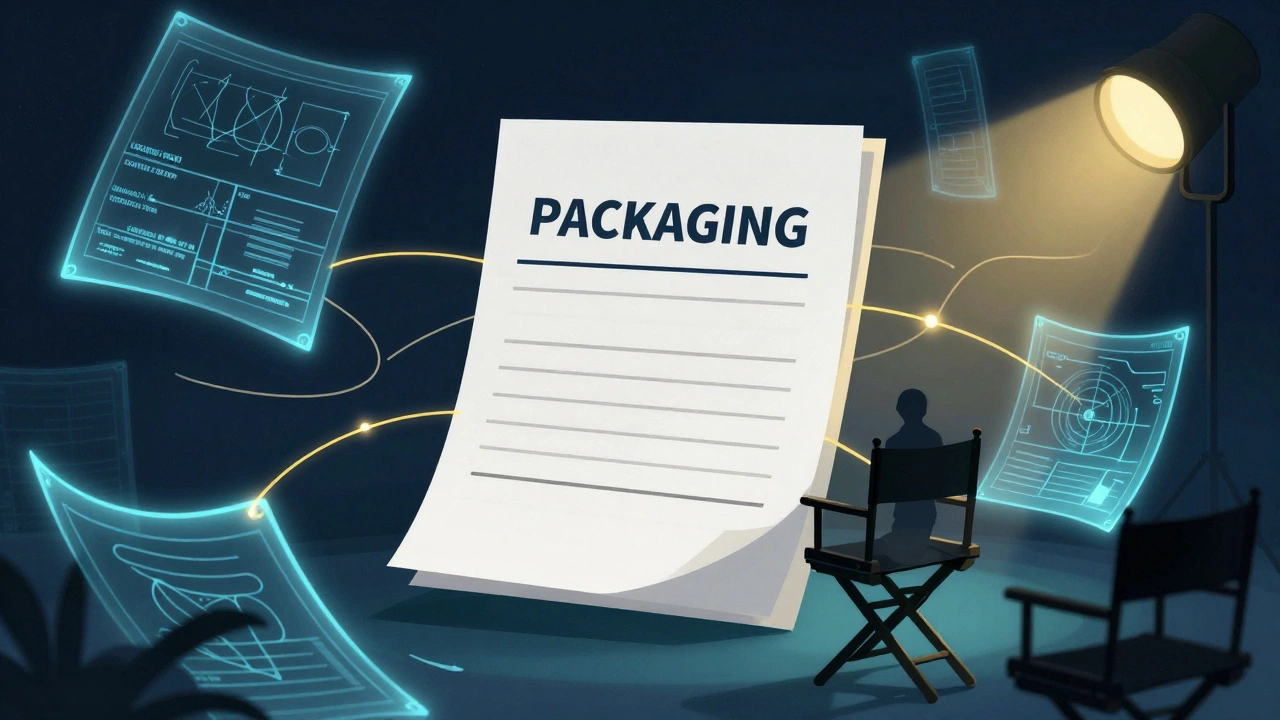
Where the Money Comes From: Financing the Acquisition
Indie films aren't just funded by one giant check anymore. Most acquisitions in 2025 are fueled by a hybrid of sources. We see a lot of Private Equity-wealthy individuals who want the prestige of being a "producer"-mixing with soft money, such as state tax credits. For example, a project might be acquired in Los Angeles but filmed in Georgia or New Mexico to take advantage of 30% tax rebates on local spending. Another growing trend is the use of Pre-sales. This is where a producer sells the distribution rights for specific territories (like France or South Korea) before the movie is even shot. These contracts are used as collateral to get bank loans. This means the script acquisition is actually the catalyst for the entire financial chain; without a locked-in, high-quality script, no international distributor will sign a pre-sale agreement.Common Pitfalls: Avoiding Development Hell
Not every acquisition leads to a movie. Many scripts end up in "Development Hell," where they are rewritten ten times by different writers and never filmed. To avoid this, savvy producers in 2025 are focusing on "contained" scripts. A contained script is one with limited locations and a small cast-think of movies like *The Menu* or *Ex Machina*. These scripts are easier to acquire and faster to produce because the budget is predictable. When you buy a script that takes place in one house, you don't have to worry about the cost of flying a crew to Iceland. This "efficiency-first" approach is why we're seeing a surge in high-concept thrillers and intimate dramas being acquired over sprawling sci-fi epics.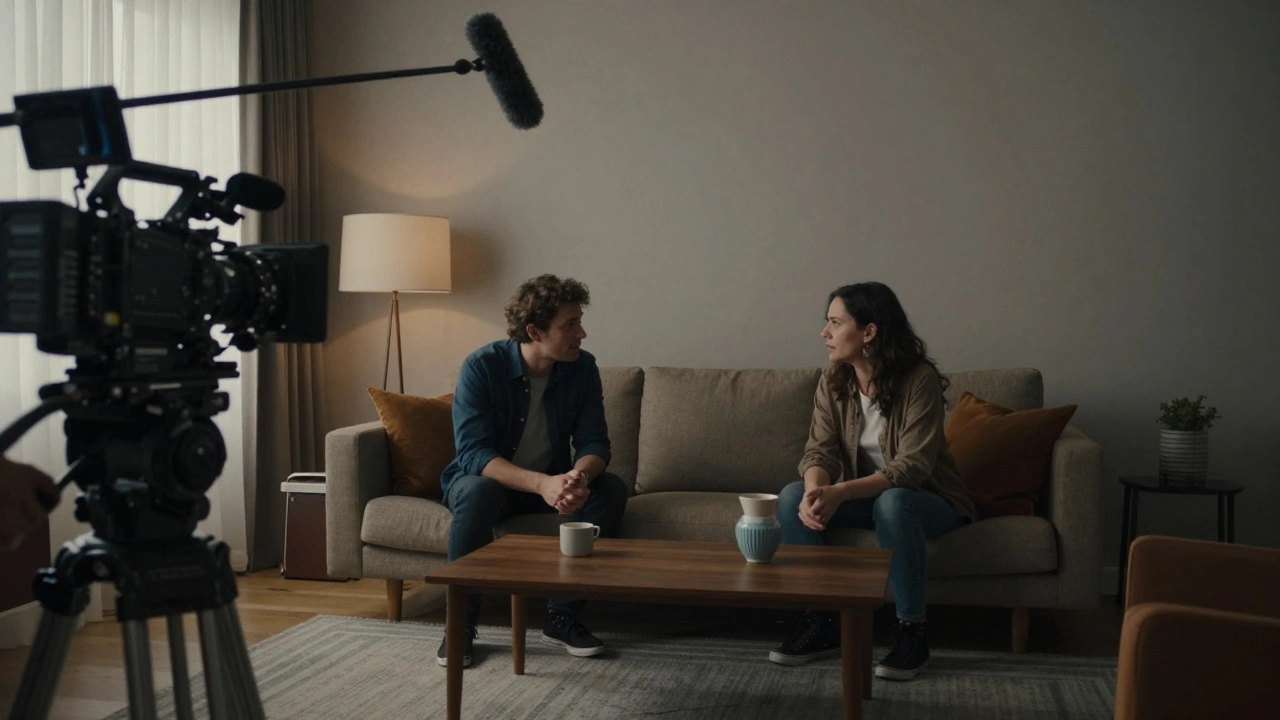
The Impact on New Writers
Is this good for the writers? Mostly, yes. The move toward acquisitions means there is a tangible market for spec scripts again. However, the bar for quality is higher than ever. You can't just have a "cool idea"; you need a script that is production-ready. This means the pacing must be tight, the dialogue must be sharp, and the budget must be implied within the writing. Many writers are now partnering with Literary Agents who specialize in "packaging." Instead of just sending a script out, the agent helps the writer attach a director before the script even hits the market. This turns the acquisition from a gamble into a strategic business transaction.What is the average cost of an indie script acquisition in 2025?
Costs vary wildly. A small option fee might be as low as $1,000 to $5,000 for a few months. However, the final purchase price for a high-quality indie script typically ranges from $25,000 to $100,000, depending on the writer's track record and the script's commercial potential.
How does an option agreement protect the writer?
An option agreement ensures the writer keeps the copyright if the producer fails to get the movie made. If the option period expires and the producer hasn't paid the full purchase price, the writer can take their script and sell it to someone else.
Why are producers preferring "contained" scripts right now?
Contained scripts minimize financial risk. By limiting locations and the number of actors, producers can keep budgets low, making it easier to find investors and increasing the likelihood that the film will actually be produced rather than stuck in development.
What is the difference between a spec script and an acquired script?
A spec script is written "on speculation" without a contract or payment. An acquired script is a spec script that has been formally purchased or optioned by a production company, moving it from a personal project to a corporate asset.
Can a writer still get a job on the film after selling the script?
Yes, most acquisition deals include a "writer's agreement" that guarantees the original author a chance to do revisions or write the shooting script, though the producer usually has the final say on who the lead writer is during production.





Comments(8)