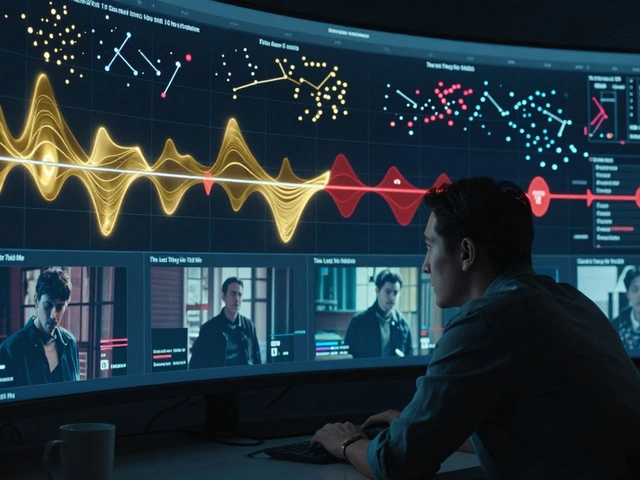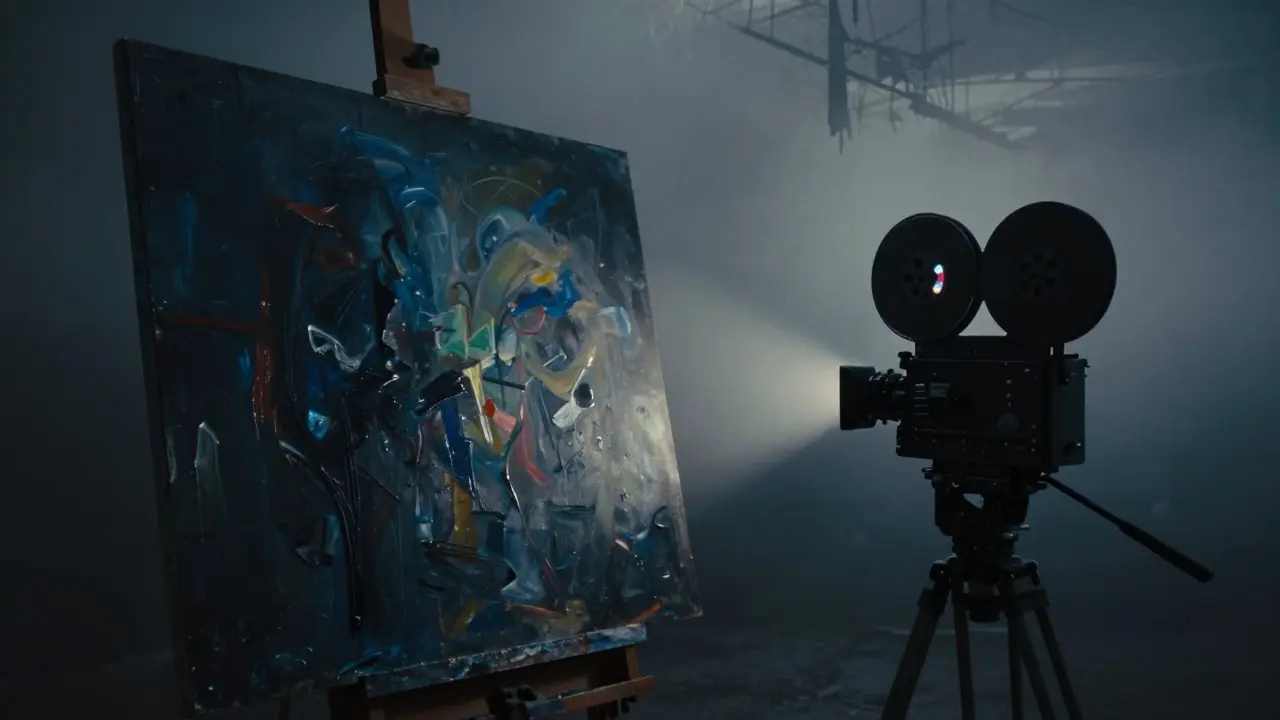
When a painter picks up a camera, the rules of storytelling change. It’s not just about moving images; it’s about translating static emotion into temporal flow. Visual Artists who become filmmakers who bring a distinct visual sensibility from fine arts to cinema often disrupt the industry with non-linear narratives and heightened aesthetic focus. This shift isn’t just a hobby; for many, it represents a fundamental re-evaluation of how they communicate with audiences.
The Aesthetic Bridge: From Canvas to Screen
The transition from gallery walls to theater screens requires a specific set of skills that traditional screenwriters or directors might lack. Visual artists understand composition in a way that is almost instinctive. They don’t just frame a shot; they sculpt light and shadow to create mood before a single line of dialogue is spoken. This approach aligns closely with the concept of Cinematic Language, which relies on visual cues rather than exposition to convey meaning.
Consider the work of David Lynch. While he started as an abstract expressionist painter, his move to film allowed him to externalize internal psychological states through surreal imagery. His films, like Eraserhead or Mulholland Drive, are less about plot progression and more about atmospheric immersion. For these creators, the camera is simply another brush, but one that adds the dimension of time. This adds a layer of complexity to their career trajectories that differ significantly from standard Hollywood paths.
Why the Switch? Drivers of Career Change
Why do established artists leave the safety of the art world for the chaos of film production? The motivations are rarely financial at the start. Instead, they stem from a desire for immediacy and narrative control. In painting, the viewer interprets the piece statically. In film, the director controls the pacing, the sound, and the emotional arc second by second.
- Narrative Urgency: Many artists feel that still life cannot capture the fleeting nature of human experience. Film allows them to explore change over time.
- Collaborative Scale: Filmmaking involves hundreds of people. For some artists, this large-scale collaboration is more stimulating than solitary studio work.
- Audience Reach: Cinema has a broader cultural footprint than contemporary art galleries. Directors can reach millions rather than thousands.
This drive is evident in the career of Terrence Malick. After studying philosophy and working in various capacities, he entered film with Badlands in 1973. His background wasn't strictly in commercial art, but his visual style-characterized by long takes, natural light, and poetic voiceovers-reflects a painter's eye for landscape and texture. He treats the American West not as a setting, but as a character with its own visual identity.
Challenges in the Industry
However, the path is not smooth. The film industry operates on rigid hierarchies and budgets that can stifle experimental visions. Visual artists often struggle with the technical demands of production design, lighting rigs, and location logistics. Unlike a studio where you can spend three months on a single canvas, a film shoot moves fast. Miss a mark, and you lose money and time.
There is also the issue of funding. Galleries buy art based on reputation and aesthetics. Studios buy films based on marketability and star power. An artist-director without a track record in box-office hits faces a steep uphill battle. This is why many successful crossovers start in independent cinema or documentary work, where budgets are lower and creative freedom is higher. The rise of digital filmmaking has lowered the barrier to entry, allowing artists to test their ideas without massive upfront capital. Tools like Digital Cinematography have democratized high-quality image capture, enabling artists to produce professional-looking footage on modest budgets.

Notable Career Trajectories
Looking at specific examples helps clarify how these transitions unfold. Each case shows a different pattern of success and adaptation.
| Artist/Director | Primary Art Form | Key Film Work | Transition Strategy |
|---|---|---|---|
| David Lynch | Abstract Expressionism | Blue Velvet | Independent financing, surreal branding |
| Wes Anderson | Illustration/Design | Rushmore | Short films, strong visual signature |
| Guillermo del Toro | Comic Books/Illustration | Pan's Labyrinth | Genre hybridization, international co-productions |
| Spike Jonze | Music Videos/Advertising | Her | Commercial credibility, tech-savvy storytelling |
Notice the diversity in strategies. Wes Anderson built his reputation through short films and music videos, establishing a recognizable symmetrical and pastel-colored aesthetic before tackling feature length. His background in illustration informs his meticulous production design, where every prop feels hand-crafted and intentional. In contrast, Guillermo del Toro leveraged his love for comic books and horror genres to create visually dense worlds that appeal to both art-house audiences and mainstream fans. His use of practical effects over CGI reflects a tactile, physical approach to storytelling that resonates with traditional craftsmanship.
The Role of Technology in Modern Transitions
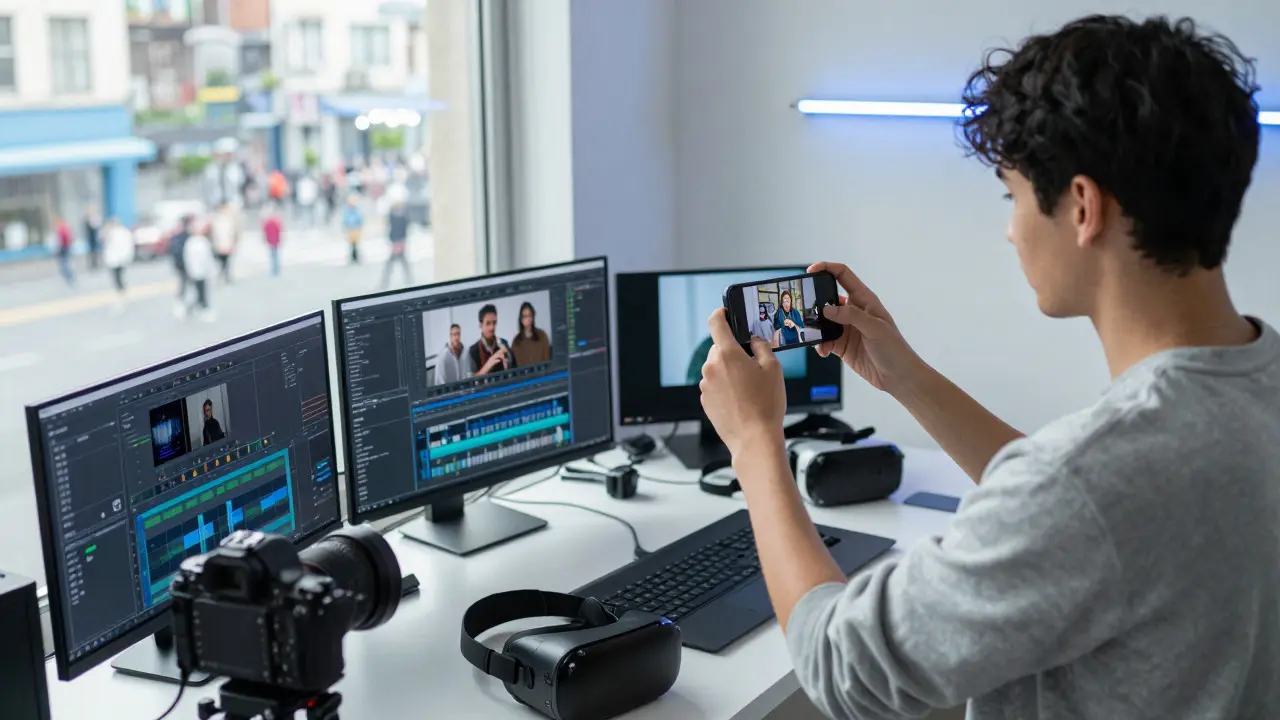
Today, the gap between art and film is narrower than ever. Virtual reality (VR) and augmented reality (AR) are creating new spaces where visual artists can direct immersive experiences without adhering to traditional cinematic grammar. These mediums allow for 360-degree storytelling, where the audience chooses where to look. This is a significant departure from the director's fixed lens. For an artist accustomed to controlling every pixel on a canvas, VR offers a paradoxical mix of total control and total surrender to the viewer's gaze.
Furthermore, social media platforms like Instagram and TikTok have created a new form of micro-cinema. Artists post short, highly stylized clips that function as both art pieces and marketing tools. This has changed the career trajectory expectations for emerging directors. You no longer need a festival circuit debut to build an audience; you can build a following through consistent visual output online. This shift favors those with strong graphic design and color theory backgrounds, traits common among visual artists.
Building a Portfolio for Crossover Success
If you are a visual artist considering a move to directing, your portfolio needs to tell a story of motion, not just stillness. Here are practical steps to bridge the gap:
- Create Short Films: Don’t wait for a feature. Make 5-10 minute pieces that showcase your visual style. Focus on lighting and composition.
- Collaborate with Writers: Find writers who value atmosphere over dialogue. Your visual strengths will compensate for sparse scripts.
- Master Basic Editing: Understanding rhythm in editing is crucial. Learn software like Adobe Premiere Pro or DaVinci Resolve to control pacing yourself.
- Network in Both Worlds: Attend film festivals and art fairs. Introduce yourself as a visual storyteller, not just a painter or photographer.
The key is consistency. If your paintings are dark and moody, your films should reflect that tone. Audiences and producers look for a cohesive vision. When your body of work, whether static or moving, shares a unified aesthetic language, you become a brand. That brand is what gets you hired, funded, and seen.
Frequently Asked Questions
Do visual artists need formal film school training to become directors?
No, formal training is not required. Many successful directors learned on the job or through apprenticeships. However, understanding basic cinematography, lighting, and editing principles is essential. Self-study and hands-on practice with short films are often more valuable than theoretical coursework for artists who already possess strong visual instincts.
What is the biggest challenge for painters transitioning to film?
The biggest challenge is managing time and budget constraints. In painting, you have infinite time to refine details. In film, you must make quick decisions under pressure. Learning to delegate tasks to crew members and accepting imperfections in exchange for momentum is a critical skill for former visual artists.
How does digital technology affect the artist-to-director pipeline?
Digital technology has significantly lowered barriers to entry. Affordable cameras and editing software allow artists to produce high-quality content without expensive equipment. This democratization enables more visual artists to experiment with motion, leading to a wider variety of styles entering the film industry.
Are there specific genres better suited for visual artists?
Genres that prioritize atmosphere and visual spectacle, such as sci-fi, fantasy, thriller, and art-house drama, tend to be better suited for visual artists. These genres allow directors to rely heavily on imagery and mood rather than complex dialogue or rapid-fire action sequences.
Can an artist maintain their gallery career while directing films?
Yes, many artists maintain dual careers. However, it requires careful time management. Some find that their film work enhances their art sales due to increased public visibility. Others may choose to pause their studio practice during intense production phases to focus fully on the film project.