Key Takeaways
- Hybrid releases bridge the gap between traditional cinema and home viewing.
- Limited theatrical runs often serve as a marketing engine to drive streaming subscriptions.
- The "theatrical window" has shrunk from 90 days to sometimes as little as 17 days.
- Prestige and award eligibility often dictate why a movie hits theaters first.
Why a Small Theater Run Matters
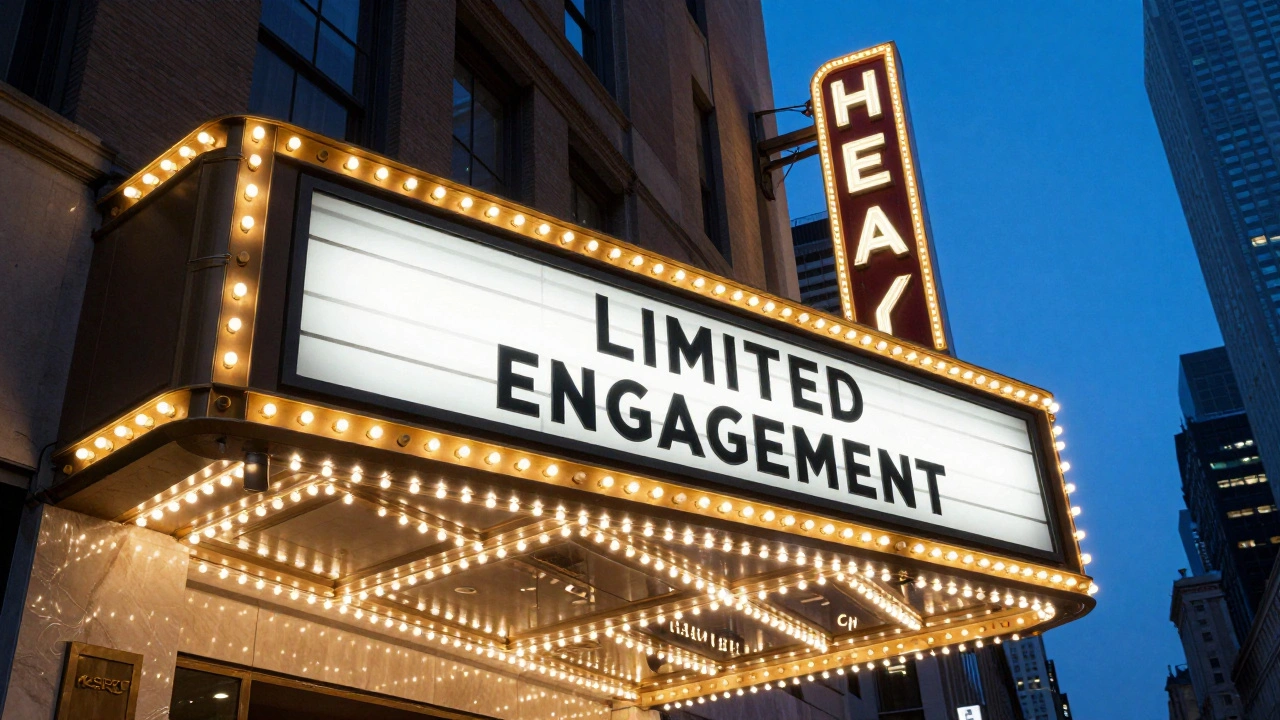
You might wonder why a company like Netflix or Apple TV+ bothers with a few screens in New York or Los Angeles if the goal is to get millions of streams. It comes down to the "halo effect." When a movie is "in theaters," it feels like an event. It gets reviewed by critics in major newspapers, it gets discussed on morning talk shows, and it gains a level of cultural legitimacy that a "digital-only" drop simply doesn't achieve.
Think about a movie like Glass Onion. By giving it a limited theatrical window, the creators didn't just make ticket sales; they created a sense of urgency. People who couldn't get to a theater felt a "fear of missing out" (FOMO), which spiked the number of logins on the platform the moment the film went live. The theater isn't the primary revenue source here; it's a high-end billboard.
The Math Behind the "Windowing" Strategy
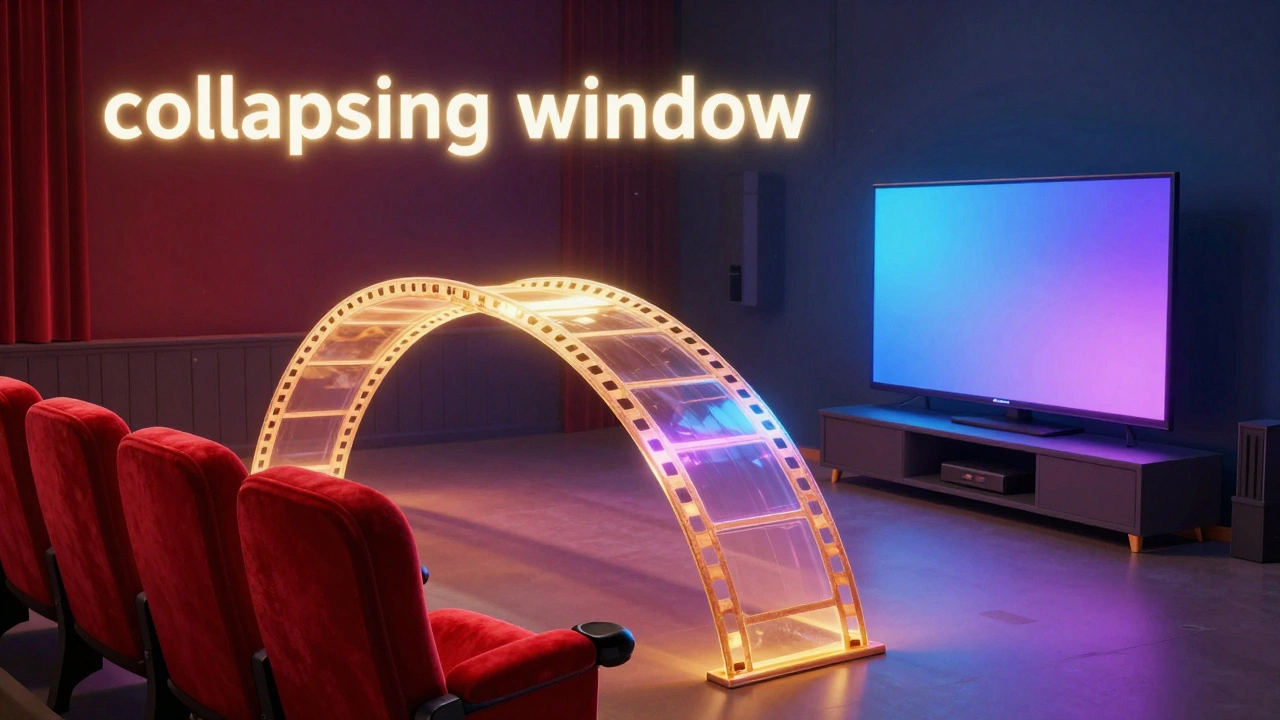
In the old days, we had the strict "windowing" system. A movie lived in theaters for 90 days, then moved to DVD, then to cable TV. Now, those windows are collapsing. Studios use a windowing strategy to maximize the life cycle of a film. By starting with a limited release, they capture the high-margin ticket sales from cinephiles and critics first, then pivot to the mass market.
| Model | Primary Goal | Typical Window | Revenue Stream |
|---|---|---|---|
| Traditional | Box Office Profit | 90+ Days | Ticket Sales $\rightarrow$ VOD $\rightarrow$ Linear TV |
| Day-and-Date | Immediate Reach | 0 Days | Subscription/Rental |
| Hybrid | Prestige & Hype | 17-45 Days | Mixed (Tickets + Subs) |
The Quest for the Oscar
If you've noticed that a lot of streaming originals suddenly pop up in small theaters in December, you're seeing the Academy Awards influence. For years, the Academy of Motion Picture Arts and Sciences had strict rules requiring a film to have a commercial theatrical run to be eligible for an Oscar. While those rules have loosened, the prestige associated with a big screen remains a powerful driver.
When a movie is projected on a 40-foot screen, it's judged as "Cinema." When it's on an iPad, it's "Content." To win the top prizes, studios need the industry to see their work as art. A limited run ensures that the critical community treats the film with the respect accorded to a theatrical release, which in turn helps the movie perform better once it hits the streaming ecosystem.
How Streaming Platforms Benefit
For a platform, the hybrid model is a way to reduce "churn." Churn is when subscribers cancel their service because there's nothing new to watch. By teasing a theatrical release, the platform keeps the conversation going for weeks before the actual drop. It's a slow-burn marketing campaign.
Furthermore, these runs allow platforms to test the waters. If a limited release generates an unexpected amount of buzz and sells out every showing in a small city, the studio might decide to expand the run to more cities. This data helps them understand exactly how to market the film to the wider streaming audience. They aren't just selling a movie; they are collecting data on consumer behavior in real-time.

The Friction with Theater Owners
It's not all sunshine and popcorn. This shift has caused massive tension with cinema chains like AMC or Regal. Theater owners argue that shrinking the window kills the incentive for the average person to go to the cinema. Why spend $30 for a family of three to see a movie if they know it'll be on their TV in two weeks?
This has led to a new kind of negotiation. Some platforms now pay theaters a "rental fee" or a flat rate to show a movie, rather than the traditional split of ticket sales. This turns the theater into a service provider-essentially a high-end showroom for the streaming service's latest product. It's a fundamental shift in how the business of movies works.
The Future of the Hybrid Model
As we move further into 2026, we're seeing the rise of "Dynamic Windowing." This is where the time between the theater and the stream changes based on how the movie is performing. If a movie is a smash hit, the studio keeps it in theaters longer to milk the ticket sales. If it flops, they move it to streaming in ten days to recoup losses through viewership numbers.
We're also seeing a push toward "Premium VOD" (PVOD). This is where a movie hits theaters and is simultaneously available for a high rental fee (like $19.99) before it eventually lands in a subscription library. This allows studios to capture two different audiences: those who want the experience of the theater and those who want the convenience of home but are willing to pay a premium for early access.
Does a limited theatrical run mean the movie is better?
Not necessarily. A limited run is often a strategic marketing move to build prestige or qualify for awards. While some high-quality films use this path, it is more about distribution strategy than a guarantee of quality.
Why can't I find hybrid releases in my local mall cinema?
Limited runs are usually concentrated in "hub cities" like New York, Los Angeles, and London. This is because those cities have the highest concentration of critics and industry voters who influence a movie's reputation.
Will this model eventually replace traditional cinema?
It's unlikely to replace it entirely. Blockbuster "event" movies (like superhero films) still rely on massive theatrical windows to make billions. However, for mid-budget dramas and indie films, the hybrid model is becoming the new standard.
How does this affect movie ticket prices?
It often puts upward pressure on prices for "event" cinema. Since fewer movies are staying in theaters long-term, the ones that do often charge a premium for the exclusivity of the experience.
What is the difference between a hybrid release and a day-and-date release?
A day-and-date release puts the movie in theaters and on streaming at the exact same time. A hybrid release gives the theater a head start (the "window"), creating a period of exclusivity before the streaming launch.
What's Next?
If you're a movie buff, the best way to navigate this is to keep an eye on "release calendars" rather than just checking your streaming app. If you see a movie is having a limited run, that's your signal that the film is likely a "prestige" piece aiming for awards. For the casual viewer, the hybrid model is a win-it means you can wait a few weeks for the hype to settle and then watch it from your couch without feeling like you missed a cultural moment.





Comments(5)