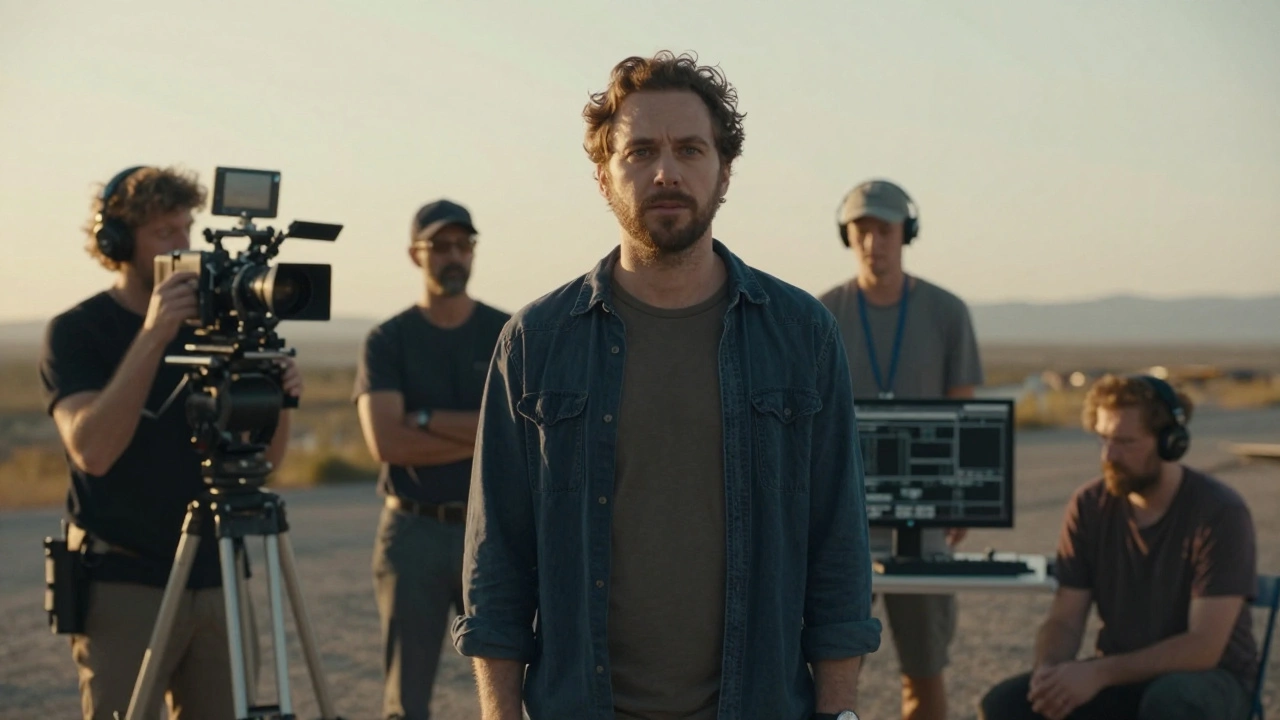
Think about your favorite movie. Not just the story, but the way it feels-the rhythm of the cuts, the color palette, the way a single shot lingers like a breath. That’s not luck. That’s not the scriptwriter’s doing. That’s the director’s fingerprint. Auteur theory isn’t some academic buzzword tucked away in film school syllabi. It’s the raw truth behind how movies become art. And it’s alive today, more than ever.
What Auteur Theory Really Means
Auteur theory says that the director is the primary author of a film. Not the screenwriter. Not the producer. Not the studio. The director. This idea took root in the 1950s when French critics like François Truffaut and Jean-Luc Godard started writing for Cahiers du Cinéma. They looked at Hollywood films and saw something others missed: directors like Alfred Hitchcock and John Ford weren’t just hired hands. They were storytellers with consistent styles, recurring themes, and unmistakable visual signatures.
It wasn’t about who wrote the script. It was about who made the final calls. Who chose the camera angles? Who decided how long a silence should last? Who told the actor to hold back a tear instead of letting it fall? That’s the auteur. And their vision becomes the film’s DNA.
The Director as Author: Control Over Every Layer
Modern filmmaking is a team sport. There are dozens of departments. But the auteur doesn’t just lead-they shape every one of them. Consider Christopher Nolan. He doesn’t just direct. He writes his scripts, produces his films, and often works with the same cinematographer, composer, and editor across projects. That’s not coincidence. That’s control.
His films have a distinct rhythm: practical effects over CGI, immersive sound design, nonlinear timelines, and a fascination with time and memory. Why? Because those choices come from him. Not from a studio memo. Not from a focus group. From his own obsessions.
Same with Wes Anderson. His symmetrical framing, pastel palettes, and deadpan humor aren’t trends. They’re personal. He hand-picks every prop, every costume, every font. He even designs his own title cards. When you watch a Wes Anderson movie, you’re not just watching a story-you’re stepping into his mind.
And it’s not just about style. It’s about emotional truth. Take Jane Campion. Her films-The Piano, The Power of the Dog-don’t just tell stories about repression and desire. They make you feel them through silence, gaze, and texture. She controls the pacing so deliberately that a single glance can carry more weight than a monologue.
When Control Breaks Down
Not every director gets to be an auteur. Studios often step in. Budgets get cut. Scripts get rewritten. Final cuts get taken away. That’s why some directors are called "studio hacks"-they’re skilled, but their vision is filtered through committees.
Look at the difference between Ridley Scott’s original cut of Blade Runner and the theatrical version. The studio added a voiceover and a happy ending. They thought audiences wouldn’t understand the ambiguity. Scott hated it. Years later, he released the "Director’s Cut"-no voiceover, no happy ending. The film became a classic. Not because of the studio. Because of his control.
Or consider the infamous case of Justice League (2017). Zack Snyder was forced out during post-production. Joss Whedon took over, reshoots were done, tone was changed, and the result was a fractured mess. Fans didn’t just want a better movie-they wanted Snyder’s vision. That’s why the "Snyder Cut" became a cultural movement. People didn’t just want to see the film. They wanted to see what the director intended.
Modern Auteurs: Who’s Still in Control?
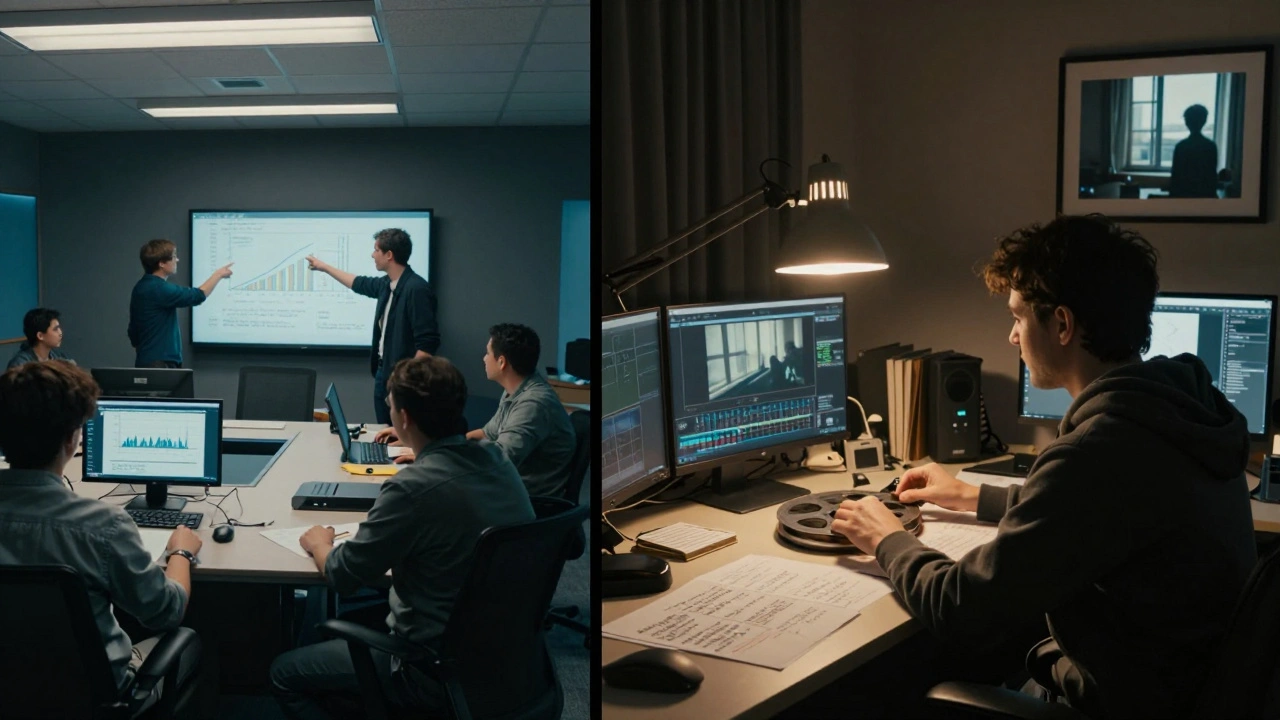
Today, streaming platforms have changed the game. With fewer box office pressures, some directors now get near-total creative freedom. Take Barry Jenkins. He wrote, directed, and edited Moonlight and If Beale Street Could Talk. His films move slowly. They breathe. They use color like emotion. He doesn’t chase trends. He follows his instincts. And studios let him.
Same with Emerald Fennell. She wrote and directed Promising Young Woman-a film that didn’t just critique toxic culture, but did it with a razor-sharp tone, a haunting score, and a twist ending that only she could have crafted. She didn’t need approval from ten departments. She had one vision. And she executed it.
Even in big franchises, auteurs are carving space. Taika Waititi brought his signature humor and heart to Thor: Ragnarok. Denis Villeneuve turned Dune into a sensory epic, not just a sci-fi adaptation. They didn’t just direct-they reimagined.
Why It Matters
If you’re watching movies just to be entertained, then auteur theory doesn’t matter. But if you want to understand why some films stick with you for years, why some feel like they were made just for you, then it does.
Auteurs remind us that cinema isn’t just product. It’s expression. A director’s control isn’t about ego-it’s about integrity. When a director fights to keep a single shot, a quiet moment, an odd camera angle, they’re not being difficult. They’re protecting the soul of the film.
That’s why the best films aren’t the ones with the biggest budgets. They’re the ones where the director had the freedom to say: "This is how I see it. This is how it should be."
And when that happens, the audience doesn’t just watch. They feel. They remember. They come back.
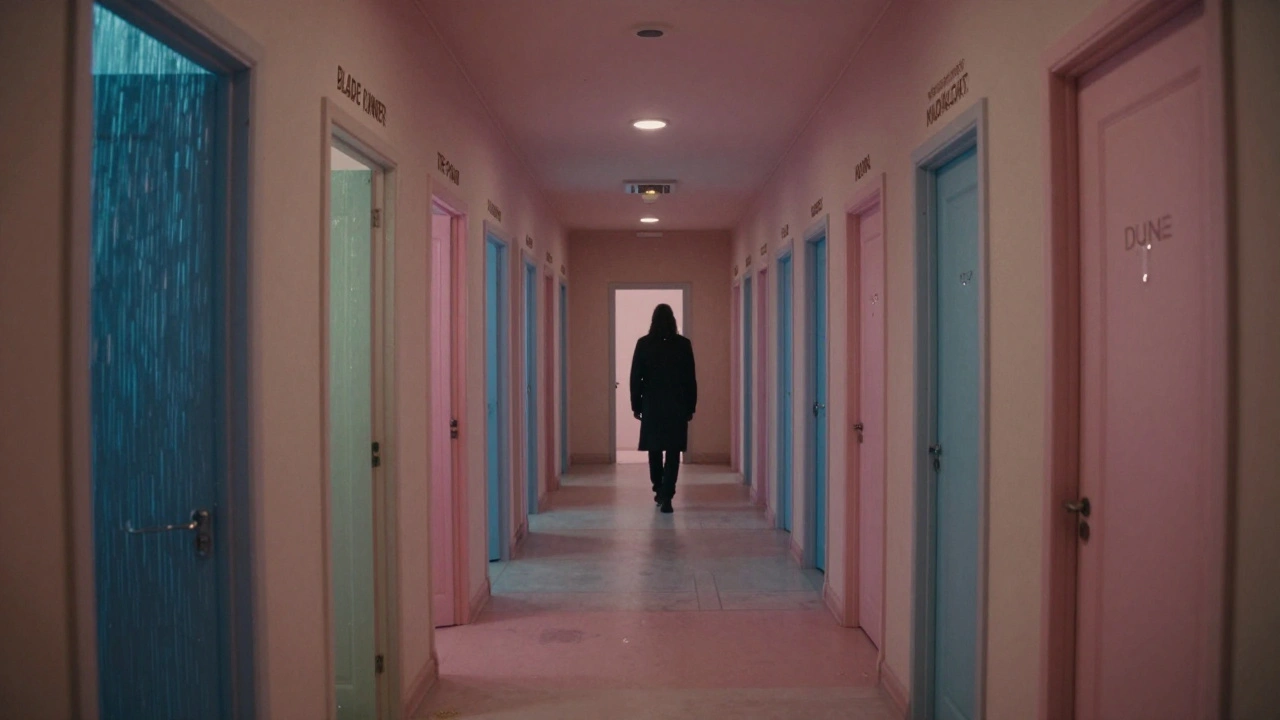
How to Spot an Auteur in Action
- Look for recurring visual patterns: Does the director always use long takes? Low angles? Natural light?
- Notice thematic obsession: Do their films keep returning to loss, isolation, identity, or rebellion?
- Check crew consistency: Do they work with the same cinematographer, editor, or composer across multiple films?
- Watch for signature pacing: Do their films move slowly, or rush? Is silence used as a tool?
- Compare the director’s cut to the theatrical version: If the director’s version feels deeper, more personal-that’s the real film.
Common Misconceptions
Auteur theory doesn’t mean the director does everything alone. They still need writers, actors, editors, and crew. But those people aren’t just executing orders-they’re translating the director’s vision.
It’s also not about being "good". A bad director can still be an auteur. Think of David Lynch. His films are strange, sometimes frustrating. But they’re unmistakably his. That’s the point. Auteur theory isn’t about quality. It’s about consistency of voice.
And it’s not dead. Even in the age of algorithm-driven content, audiences crave authenticity. They can tell when a film was made by a committee. And they’ll walk away from it. But when they sense a single mind behind it? They’ll watch it again. And again.
Is auteur theory still relevant in today’s Hollywood?
Yes, but it’s more selective. Big studio franchises often prioritize brand consistency over directorial vision. But in indie film, streaming, and international cinema, auteurs are thriving. Directors like Greta Gerwig, Chloé Zhao, and Bong Joon-ho have full creative control because studios recognize that their vision drives cultural impact-not just box office numbers.
Can a director be an auteur without writing their own scripts?
Absolutely. Alfred Hitchcock rarely wrote his own scripts, but his control over editing, camera movement, and suspense structure made him one of the most famous auteurs in history. What matters isn’t who writes the words-it’s who decides how they’re shown, felt, and timed.
Do streaming platforms help or hurt auteur filmmaking?
They’ve helped more than hurt. With fewer theatrical release pressures, platforms like Netflix, A24, and HBO have given directors room to experiment. Films like The Handmaiden, Minari, and Parasite found audiences because they weren’t forced to fit a two-hour mold. Streaming allows auteurs to tell stories on their own terms.
Is auteur theory just a way to glorify male directors?
Early auteur theory was dominated by male directors, but that’s changing. Critics now recognize auteurs across gender, culture, and background. Jane Campion, Ava DuVernay, Yorgos Lanthimos, and Haifaa al-Mansour all have unmistakable voices. Auteur theory isn’t about gender-it’s about authorship. And today, more voices than ever are being heard.
Can a director be an auteur if they work in genre films?
Genre films are some of the richest spaces for auteur expression. John Carpenter made horror and sci-fi deeply personal. David Cronenberg turned body horror into psychological metaphor. Jordan Peele uses horror to explore race and identity. Genre doesn’t limit auteurs-it gives them a language to speak in. The best genre films aren’t just scary or fun. They’re deeply personal.



Comments(9)