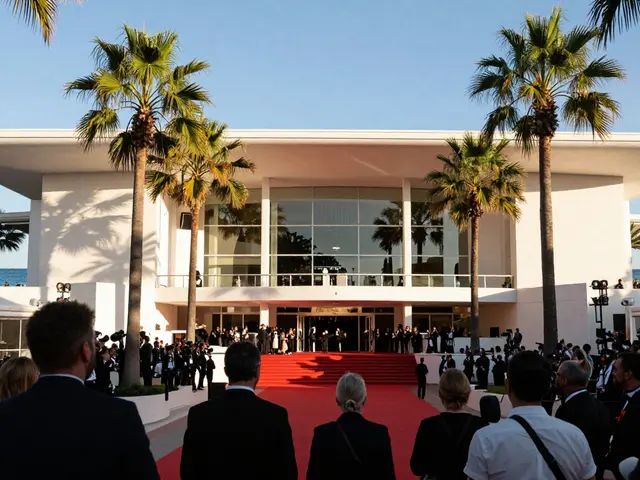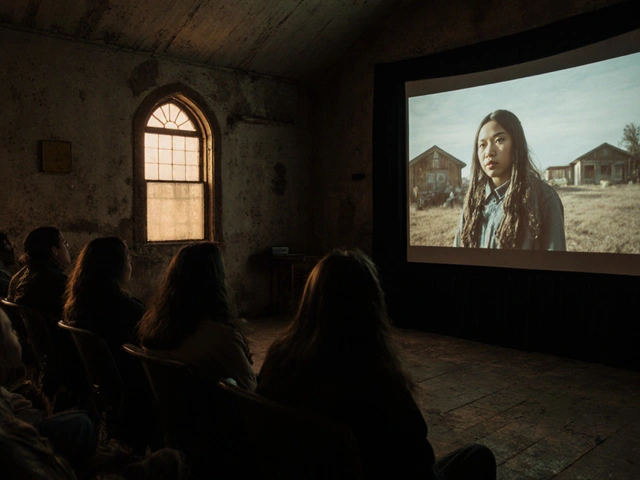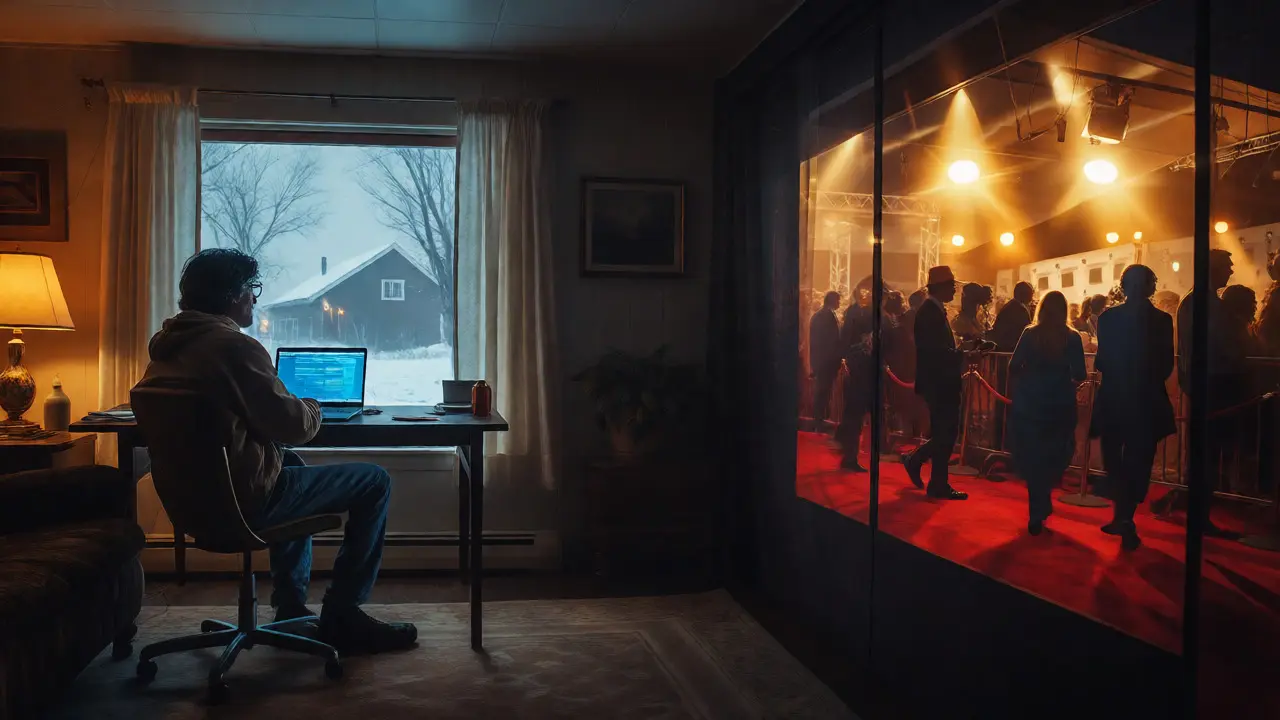
Remember when getting into a top-tier film festival meant burning through your savings on flights, hotels, and that one expensive dinner where you hoped to bump into a distributor? For decades, the gatekeeping was physical. If you couldn't be in Park City or Cannes, you didn't exist. Then came 2020, and suddenly, everyone was on Zoom. Most people thought it was a temporary glitch. But here we are in late 2026, and the "glitch" has become the new standard. The shift wasn't just about saving money; it fundamentally rewired who gets to play the game.
The Hybrid Film Festival is a festival model that combines traditional in-person screenings with comprehensive online components for audiences and industry professionals. Unlike the early pandemic experiments, which were often clunky webinars, today's hybrid events are sophisticated ecosystems designed to maximize reach while preserving the prestige of live attendance. This evolution hasn't just changed how we watch movies; it has democratized access for filmmakers who previously couldn't afford the ticket to entry.
The Death of Geographic Gatekeeping
Let’s be honest: geography used to dictate destiny. A filmmaker in Asheville, North Carolina, had a vastly different experience than one in Los Angeles or New York. Proximity mattered. You could attend local mixers, drop off reels at production offices, and build relationships face-to-face. For someone in rural America or outside the major hubs, breaking into the industry required moving cities-a massive financial risk that many couldn't take. Hybrid formats shattered this barrier. Now, a director from a small town can submit to Sundance, Toronto, or Tribeca without booking a flight until they’ve actually been accepted into competition. More importantly, they can participate in industry panels, pitch meetings, and networking lounges virtually. The barrier to entry dropped from thousands of dollars to the cost of a reliable internet connection and a decent webcam. This doesn't mean location is irrelevant-physical presence still holds social capital-but it is no longer the only door. The digital layer allows filmmakers to test their projects' marketability before committing resources to travel. It turns the festival circuit from a gamble into a calculated strategy.
Networking Without the Tuxedo
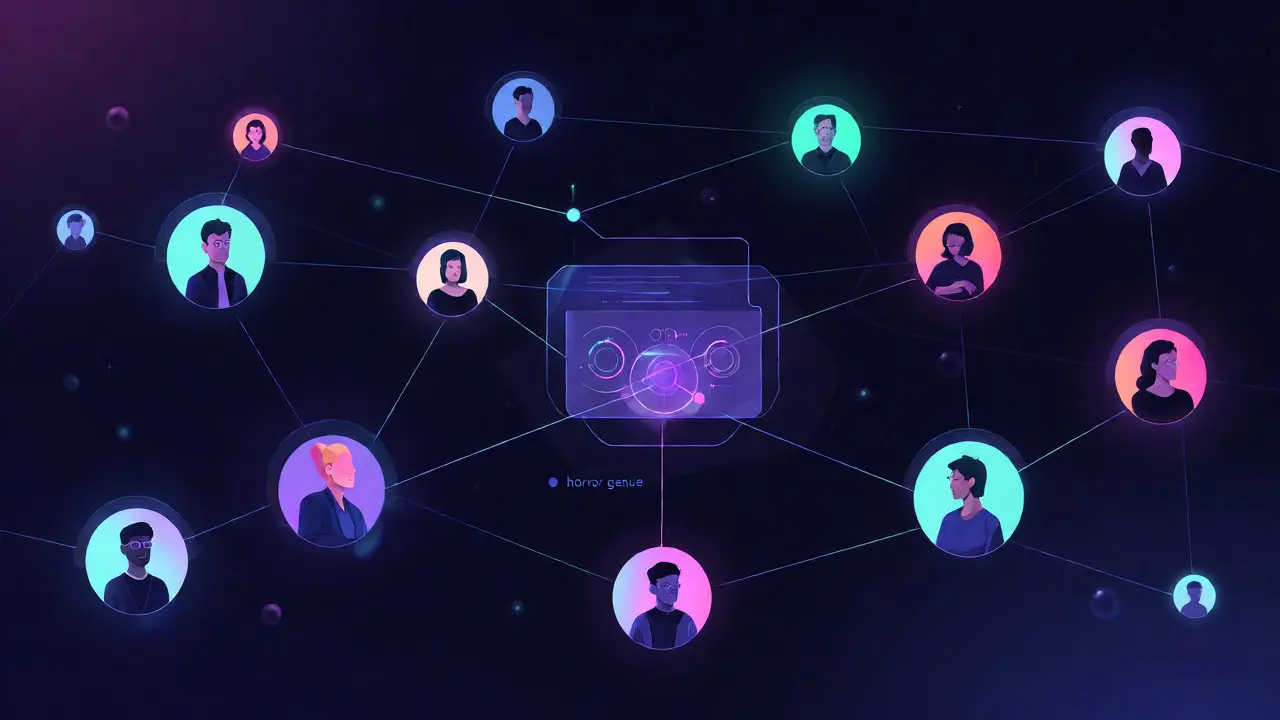
One of the biggest complaints about traditional festivals was the exclusivity of networking. Parties were invite-only. Panels were packed. If you weren't part of an established agency or studio, you were invisible. Virtual platforms introduced a leveling effect. Features like algorithmic matchmaking and topic-specific chat rooms allow a debut director to connect with a seasoned producer based on shared interests rather than social status. Consider the mechanics: In a physical setting, conversation flow is dictated by proximity and charisma. Online, it’s driven by keywords and intent. Platforms now use AI to suggest connections based on project genre, budget range, and career stage. This means a horror filmmaker in Ohio can find a sound designer in Berlin who specializes in atmospheric dread, all without leaving their living room. The friction of meeting has decreased, but the quality of matches has increased because the intent is clearer.
Data-Driven Audience Insights
Filmmakers have always operated in the dark regarding audience reaction. At physical festivals, you get applause meter readings and anecdotal feedback from Q&As. Hybrid festivals provide hard data. Organizers now share detailed analytics with creators: how many viewers clicked "play," where they dropped off, what devices they used, and even sentiment analysis from live chats. This data is gold for independent creators. If a short film gets 5,000 views online but zero traction in physical theaters, the filmmaker knows the story resonates digitally but maybe lacks theatrical pacing. Conversely, strong engagement metrics can serve as proof of concept for distributors. Instead of saying, "People liked it," you can say, "We had a 40% completion rate among users aged 18-24 in the Midwest." That specificity changes negotiations.
The Double-Edged Sword of Saturation
With easier access comes higher volume. When barriers drop, everyone walks through the door. Submission numbers for major festivals have skyrocketed since the adoption of hybrid models. In 2026, it’s not uncommon for top-tier festivals to receive over 15,000 submissions per category. This creates a noise problem. Standing out requires more than just a good film; it requires a strong digital footprint and strategic marketing during the submission window. Filmmakers must treat their online profile as part of the package. Your trailer needs to work on a phone screen. Your synopsis needs to be scannable. The curation process has also evolved, with some festivals using initial online view counts as a preliminary filter before human programmers review the content. This shifts power slightly toward those who understand digital marketing, potentially disadvantaging artists who prefer pure craft over promotion.
Monetization and Distribution Shifts
Hybrid festivals have blurred the line between exhibition and distribution. Traditionally, festivals were launchpads; you premiered there, then went elsewhere to sell tickets. Now, many festivals offer direct-to-consumer streaming options during the event. Viewers can buy tickets to specific films, creating immediate revenue streams for creators. While these amounts are modest compared to theatrical releases, they validate the commercial viability of niche genres. Furthermore, the "virtual premiere" has become a legitimate release strategy. Some filmmakers skip theatrical runs entirely, opting for a limited festival run followed by a wide digital release. This reduces overhead costs significantly. However, it also means competing with Netflix and Amazon Prime for attention. The advantage? Festivals provide curated context. Being selected for a reputable hybrid festival signals quality in a sea of infinite streaming content.
| Feature | Traditional Model | Hybrid Model (2026 Standard) |
|---|---|---|
| Access Cost | High ($2,000+ for travel/accommodation) | Low ($50-$300 for passes/subscriptions) |
| Networking Reach | Limited to attendees present | Global, algorithm-matched connections |
| Audience Data | Anecdotal, qualitative | Quantitative, real-time analytics |
| Prestige Factor | Very High (exclusive) | High (blended prestige/accessibility) |
| Distribution Path | Straight to theatrical/digital after fest | Integrated digital sales during fest |

Strategies for Navigating the Hybrid Landscape
If you’re a filmmaker planning your next festival run, don’t just hit "submit" and hope for the best. Treat the hybrid format as an active campaign. First, optimize your digital assets. Ensure your press kit includes high-resolution stills, a crisp trailer optimized for mobile viewing, and a clear logline. Second, engage early. Many hybrid festivals open their virtual lounges weeks before the event starts. Join discussions, introduce yourself, and identify peers before the rush begins. Third, leverage the data. Ask organizers what metrics they track. Use their platform features fully. If there’s a live Q&A, prepare concise answers. If there’s a pitch session, have your deck ready to download instantly. Finally, balance your budget. Save the big travel funds for festivals where you have a confirmed invitation or a strong chance of winning awards. Use the virtual tiers to cast a wider net for feedback and minor credits.
The Future Is Not Binary
We aren't going back to purely physical festivals, nor will we go fully digital. The future is mixed reality. Imagine attending a panel in person while wearing AR glasses that show real-time bios of other attendees, or watching a screening where remote viewers can vote on scene interpretations via blockchain-verified tokens. These technologies are already in pilot phases at smaller fests. The core change isn't technological-it's cultural. The industry has realized that talent is evenly distributed, but opportunity is not. Hybrid formats correct that imbalance, albeit imperfectly. They allow for a broader diversity of voices to enter the conversation, which ultimately enriches cinema itself. For filmmakers, this means the playing field is flatter, but the game is faster. You need to be adaptable, tech-savvy, and persistent. The gates are open, but you still have to walk through them.
Do hybrid festivals carry the same prestige as traditional ones?
Yes, but with nuances. Top-tier festivals like Sundance and TIFF maintain high prestige regardless of format because selection remains highly competitive. However, the "social proof" of being physically present at parties still carries weight in certain Hollywood circles. Hybrid prestige is now measured by both official selection and digital engagement metrics.
How do I network effectively in a virtual festival environment?
Be proactive and specific. Don't send generic messages. Reference something specific from their bio or recent work. Use the platform's scheduling tools to book 15-minute slots rather than waiting for spontaneous encounters. Prepare a 30-second elevator pitch and a link to your reel. Follow up within 24 hours via email if possible, moving the conversation off-platform.
Are virtual screenings secure against piracy?
Modern hybrid platforms use robust DRM (Digital Rights Management) and watermarking techniques. Each stream is uniquely tagged to the user account, making leaks traceable. While no system is perfect, the risk is comparable to physical screener copies, especially when combined with limited-time access windows and geo-fencing restrictions.
Does submitting to hybrid festivals increase my chances of acceptance?
Not necessarily. Because access is easier, submission volumes have increased dramatically. This means more competition for the same number of slots. However, some festivals have added additional online-only categories or expanded their total capacity to accommodate the digital surge, which can slightly improve odds for niche genres.
What technical requirements should I meet for a successful virtual festival participation?
Ensure you have a stable high-speed internet connection (minimum 10 Mbps upload speed). Use a wired Ethernet connection instead of Wi-Fi for stability. Have a professional-looking background, good lighting (ring light or softbox), and a high-quality external microphone. Test your audio/video setup on the festival's specific platform days before the event to avoid last-minute glitches.