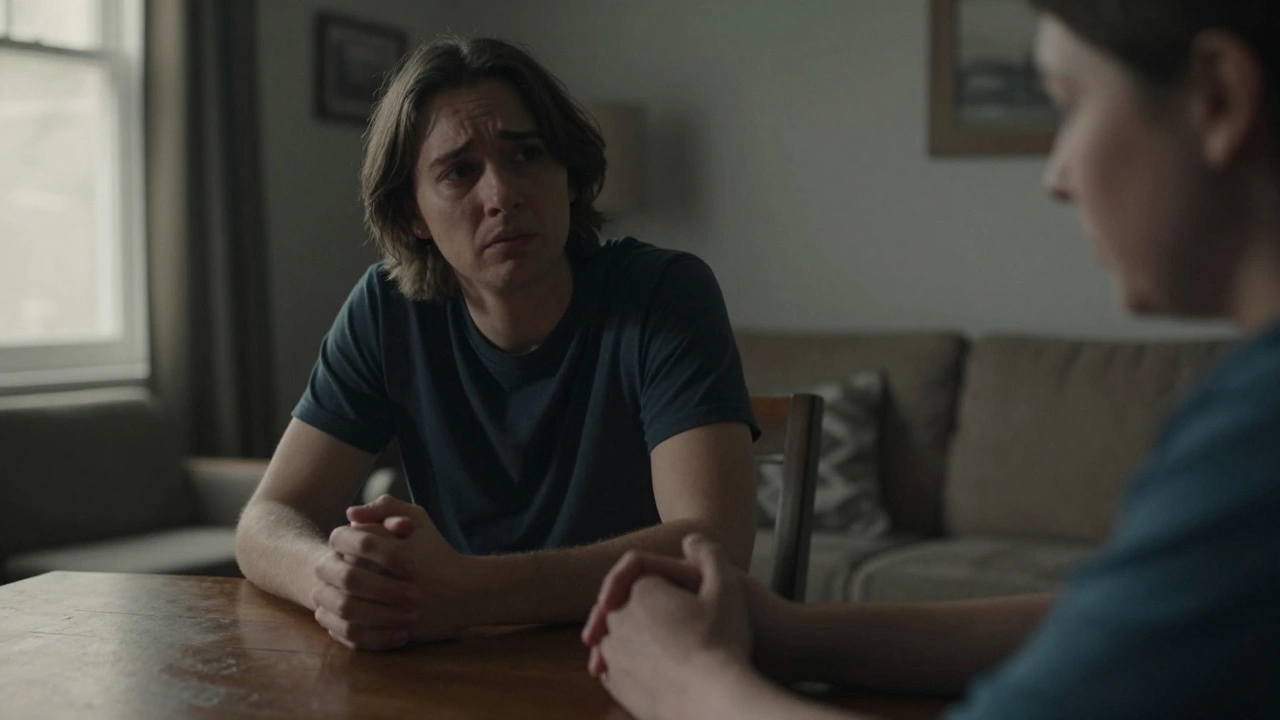
Observational documentary is a style of filmmaking where the camera acts as a silent observer. It is often called 'fly-on-the-wall' filmmaking because the goal is to disappear. The filmmaker doesn't interview subjects in a studio or script the action. Instead, they wait for life to happen. It is a high-stakes game of patience and trust, where the story isn't told through a script, but discovered through a lens.
The Core Philosophy of Direct Cinema
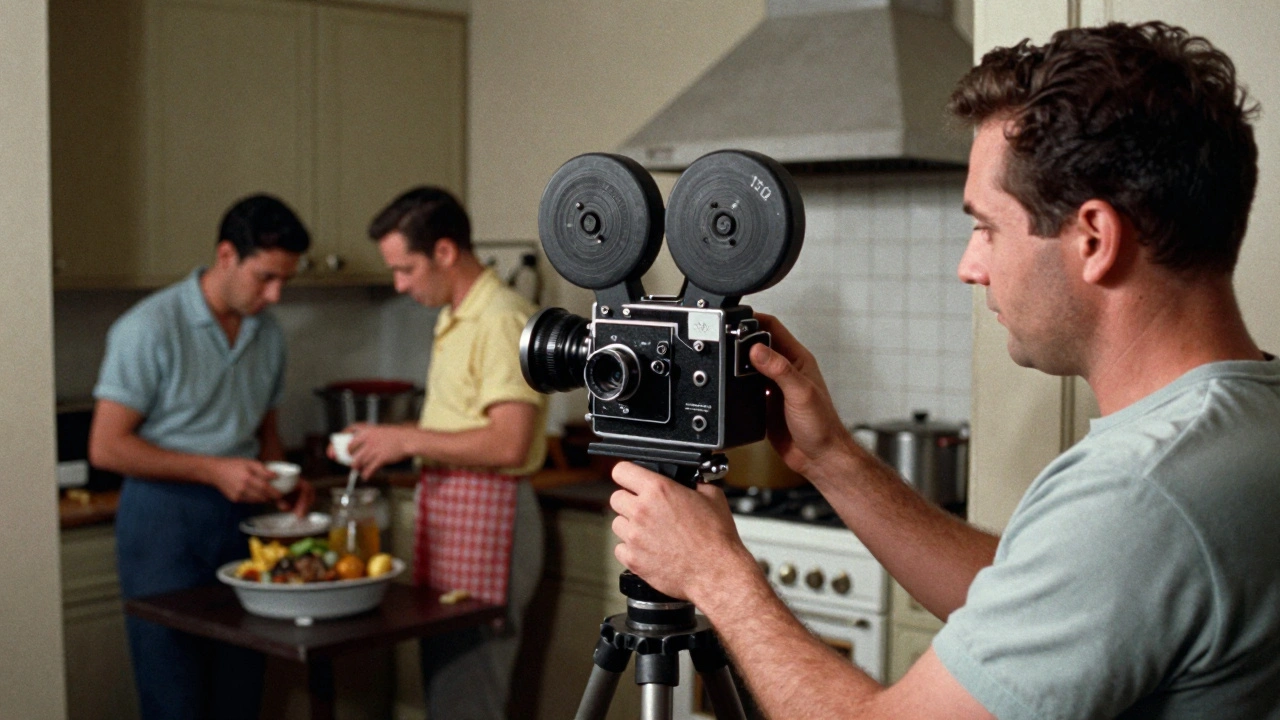
To understand this style, we have to look at Direct Cinema. This movement gained momentum in the 1960s when technology finally caught up to the artistic vision. Before then, cameras were massive, motorized beasts that required heavy tripods and cables. You couldn't exactly be a 'fly on the wall' when you were dragging a 100-pound piece of equipment across the floor.
The game changed with the invention of lightweight, handheld 16mm cameras and synchronous sound recording. Suddenly, filmmakers could follow people into elevators, cramped kitchens, and chaotic street protests. Robert Drew, a pioneer of this approach, believed that the filmmaker should not intervene. If a subject starts to cry, you don't ask them why; you just keep the camera rolling. The belief here is that truth emerges when the subject forgets the camera is even there.
The Art of the Unseen Director
How do you actually achieve this? It starts with the relationship between the filmmaker and the subject. You can't just barge into someone's life and expect them to act naturally. There is a period of 'acclimatization.' You spend weeks, months, or even years with your subjects. Eventually, the camera becomes a piece of furniture-something they stop noticing.
In a traditional documentary, you might use a B-roll shot of a city skyline while a narrator explains the history of the town. In an observational film, you avoid this. You don't show the skyline unless a character is looking at it. Every shot must be tied to the immediate action. You are looking for 'micro-moments'-the way a person sighs before answering a hard question or the nervous tapping of a foot during a tense meeting.
| Feature | Observational (Direct Cinema) | Expository (Traditional) |
|---|---|---|
| Narrator | None (Silent) | "Voice of God" narrator |
| Interviews | Natural conversation | Formal 'talking heads' |
| Filmmaker Role | Invisible observer | Active guide/interviewer |
| Story Structure | Emergent/Chronological | Argument-driven/Thematic |
Building Narrative Without Words
If you don't have a narrator to explain the plot, how does the audience know what's going on? This is where the editing process becomes the actual writing phase. In an observational film, the Film Editor is the storyteller. They look for patterns in the raw footage that the director might have missed during filming.
One technique is the use of 'ambient sound.' The hum of a refrigerator, the distant sound of traffic, or the rhythm of breathing can tell the viewer more about the mood than a five-minute monologue. When you remove the narration, the audience's brain works harder. They start interpreting the characters' motives based on their actions. This creates a deeper emotional connection because the viewer is actively participating in the discovery of the story.
Consider the work of Frederick Wiseman. He often films institutions-like hospitals, nurseries, or police departments-without a single interview. By simply showing the repetitive, bureaucratic nature of these places, he makes a powerful statement about how society functions. He doesn't tell you the system is broken; he shows you the broken gears in motion.
The Technical Challenges of Staying Invisible
Going 'silent' isn't as easy as just turning off the microphone. There are massive technical hurdles to jumping into a scene without disrupting it. First, there is the issue of Cinematography. Using a zoom lens allows you to stay physically distant, but it can feel voyeuristic or 'creepy.' Using a wide lens puts you in the thick of the action, but your presence is more obvious.
Then there is the 'Observer's Paradox.' The moment you point a camera at someone, they change their behavior. To fight this, filmmakers use a few key rules of thumb:
- Minimize Equipment: Use the smallest possible rig. A large crew with lights and reflectors screams 'production,' not 'observation.'
- Avoid Direct Eye Contact: When a subject looks into the lens, the illusion is broken. The camera should be treated as a ghost.
- The Long Take: Avoid cutting too quickly. Long takes allow the viewer to settle into the rhythm of the scene and feel the actual passage of time.
Common Pitfalls and How to Avoid Them
The biggest risk in this style is boredom. Without a narrator to push the plot forward, a film can easily become a series of random events that don't lead anywhere. This is why pre-production is still vital. Even if you aren't scripting, you need a 'hypothesis.' You should have a clear idea of the conflict you are looking for.
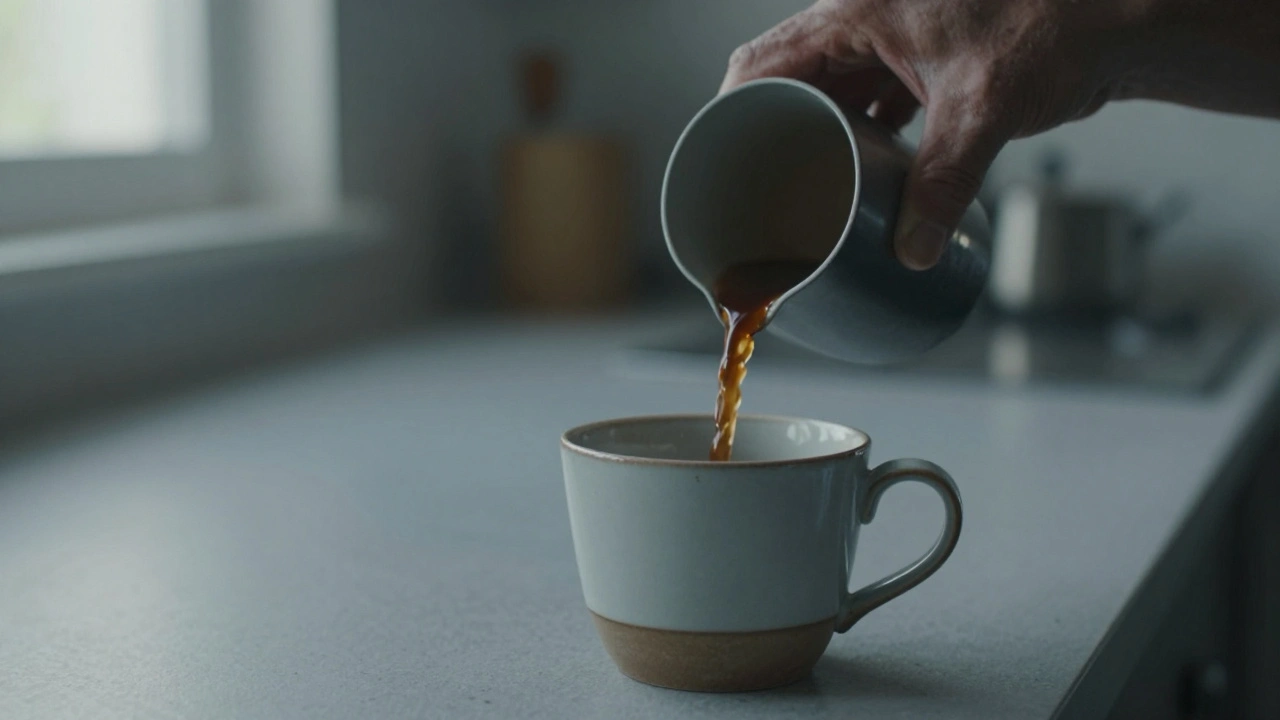
Another mistake is the 'Wait and See' trap. Some filmmakers wait so long for the 'perfect moment' that they miss the smaller, more authentic interactions that build a character's depth. You don't always need a climactic fight; sometimes, the way a character pours a cup of coffee tells us everything we need to know about their loneliness.
Finally, avoid the temptation to add music that tells the audience how to feel. If a scene is sad, let the silence carry the weight. Adding a slow piano melody is essentially a form of 'sonic narration' and can undermine the authenticity of the footage. The most powerful sound in an observational film is often the sound of a room breathing.
Expanding Your Toolkit: Related Approaches
While observational cinema is a distinct pillar, it often overlaps with other styles. You might encounter Cinéma Vérité, which is a sibling to Direct Cinema. The key difference? Vérité filmmakers aren't afraid to provoke the action. They might ask a challenging question to trigger a reaction, whereas Direct Cinema practitioners would just wait for the reaction to happen naturally.
There is also the 'Hybrid Documentary,' which mixes observational footage with structured interviews. While this isn't a 'pure' observational film, it is how most modern documentaries operate. They use the fly-on-the-wall technique to provide the 'proof' and the interviews to provide the 'context.' For those wanting to master the craft, starting with a pure observational short is the best way to learn how to see the world without the filter of a script.
Is observational documentary the same as Cinéma Vérité?
Not exactly. While both avoid traditional narration, Direct Cinema (observational) aims to be a totally passive observer-a fly on the wall. Cinéma Vérité is more active; the filmmaker may interact with subjects or provoke events to uncover a deeper truth. One is about observing reality, the other is about stimulating it.
How do you tell a story without a narrator?
The story is told through visual patterns, character behavior, and the sequence of events. The editor plays the role of the writer, arranging scenes to create a narrative arc. Ambient sound and the natural dialogue of the subjects provide the necessary context, allowing the audience to infer the meaning.
What equipment is best for a fly-on-the-wall approach?
Small, unobtrusive gear is key. Mirrorless cameras with compact prime lenses are ideal because they don't intimidate subjects. For audio, high-quality lavalier microphones are preferred over large boom mics, as they allow the filmmaker to capture clear dialogue while staying out of the frame.
Can I use music in an observational film?
You can, but use it sparingly. The goal is authenticity. If you use music to manipulate the audience's emotions, you are essentially acting as a narrator. Diegetic music (music that exists within the scene, like a radio playing in the background) is always preferred over a non-diegetic score.
How long should I spend with my subjects before filming?
There is no fixed rule, but the goal is to reach a point where the subjects no longer 'perform' for the camera. This can take a few days or several months. The more time you spend without the camera rolling, the more trust you build, which leads to more authentic behavior once you do start filming.
Next Steps for Aspiring Filmmakers
If you want to try this, start small. Don't try to film a feature-length epic right away. Pick a simple environment-a local diner, a family garage, or a public park-and spend three hours just watching. Don't record. Just observe the rhythms of the space.
Once you start filming, challenge yourself to tell a story in five minutes without using a single interview or voiceover. If the viewer can understand the conflict and the resolution just by watching the characters' faces and hearing their environment, you've mastered the essence of observational cinema. From there, you can explore more complex ethics, like how to handle consent when the camera is 'invisible,' or how to edit hundreds of hours of footage into a coherent narrative.


Comments(9)