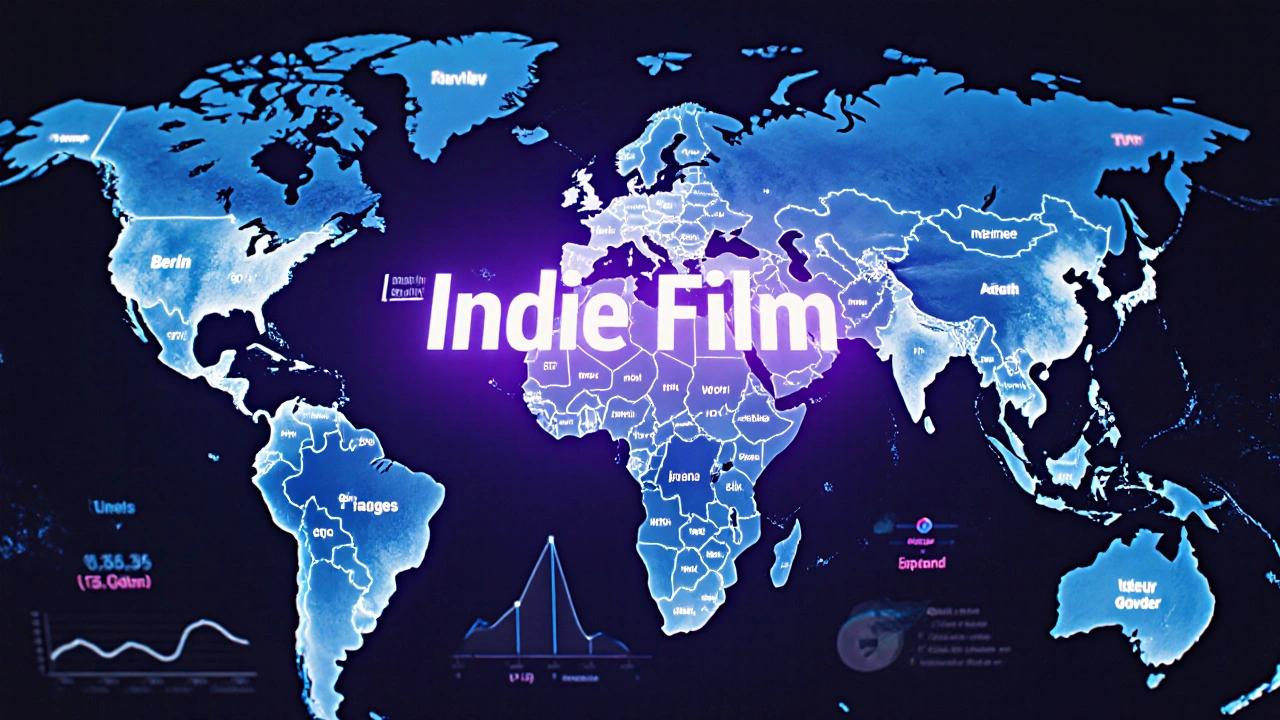
Five years ago, a filmmaker could count on a single shot: get your movie into Sundance, Cannes, or Toronto, and you’d get noticed. Today, that’s not enough. Virtual and hybrid film festivals aren’t just backup plans anymore-they’re the new normal. And if you’re submitting your film without understanding how they work, you’re leaving money, exposure, and opportunities on the table.
What’s the Difference Between Virtual and Hybrid Film Festivals?
A virtual film festival runs entirely online. No red carpets. No physical screenings. Everything happens through a streaming platform-your film plays on demand, audiences watch from their couches, and Q&As happen over Zoom. Think of it like Netflix, but for indie films with a curated lineup.
A hybrid festival mixes both worlds. Some screenings happen in theaters in cities like New York, London, or Austin. Others stream online at the same time. This isn’t just a backup-it’s a strategy. You get the prestige of a live premiere, plus the global reach of digital.
Hybrid festivals are now the majority. In 2024, over 70% of major film festivals that used to be in-person switched to hybrid models permanently. Why? Because they doubled their audience. The Toronto International Film Festival saw 4.2 million online views in 2023-more than half its total attendance. That’s not a fluke. That’s the new math.
Why Filmmakers Can’t Ignore Virtual Festivals Anymore
Let’s say your film is about a deaf teenager in rural Tennessee. It’s powerful. But will it get picked up by a distributor if it only plays in a 50-seat theater in Kansas City? Probably not.
Now imagine that same film plays on a virtual festival platform where viewers from Berlin, Tokyo, and Lagos can watch it. Suddenly, your story has a global audience. And distributors notice that. They don’t just care about buzz-they care about data. How many people watched? How long did they stay? Did they click ‘Buy Now’?
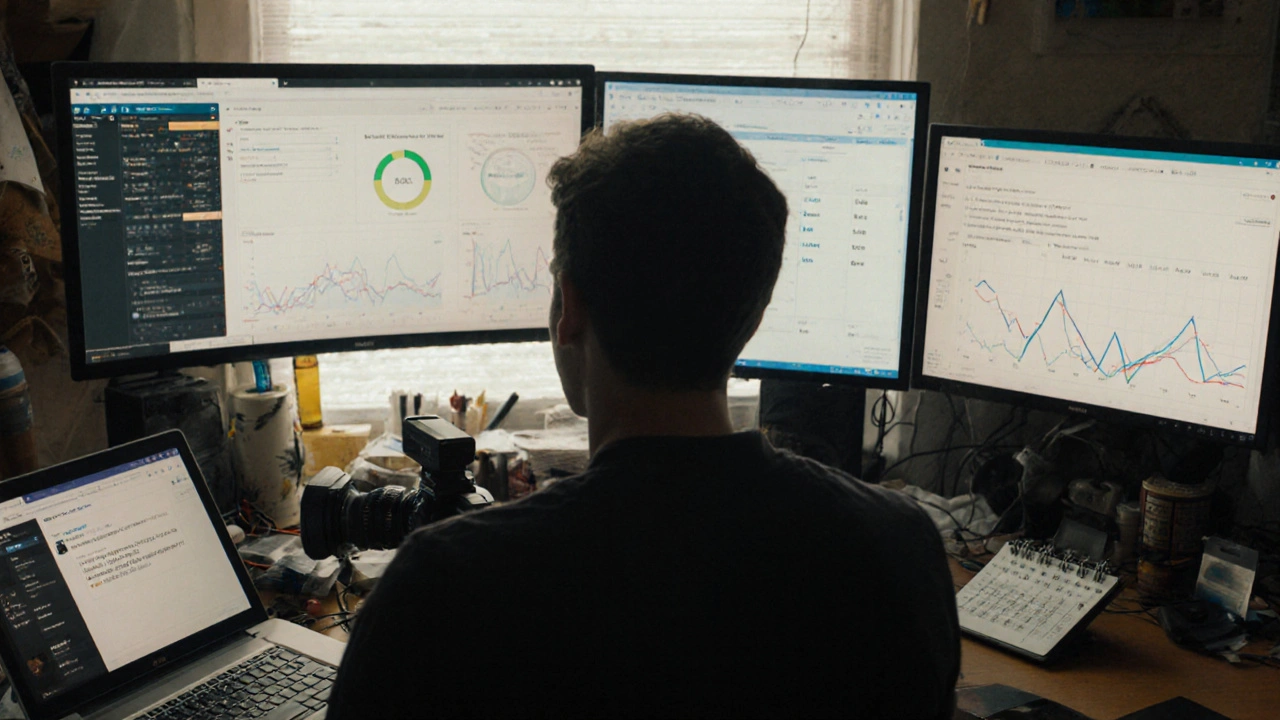
Virtual festivals track everything. You get real-time analytics: watch time, drop-off points, geographic heat maps, even which trailers viewers clicked after yours. That’s gold. It tells you who your audience really is. And that’s what buyers want.
Submission Rules Are Different Now
Don’t assume your old festival submission checklist still works. Virtual and hybrid festivals have new rules.
- Format matters more than ever. Many festivals now require your film to be delivered in a specific digital cinema package (DCP) or high-res MP4 with embedded subtitles. No more DVD screeners.
- Online premiere status counts. Some festivals won’t accept films that have been publicly streamed on YouTube, Vimeo, or TikTok-even if it was just a teaser. Others actively encourage it. Always read the fine print.
- Submission deadlines are tighter. Hybrid festivals often have two deadlines: one for physical screenings (usually 3-4 months out) and one for online access (sometimes just 6 weeks before). Miss the online one, and your film won’t stream.
- Metadata is your friend. Fill out every field: genre tags, cast bios, director statements, production company info. Algorithms use this to recommend your film to the right viewers.
One filmmaker in Asheville submitted her short film to 12 festivals last year. She lost three because her video file had the wrong frame rate. Another missed a key deadline because she didn’t realize the hybrid festival had two cutoff dates. Don’t be that person.
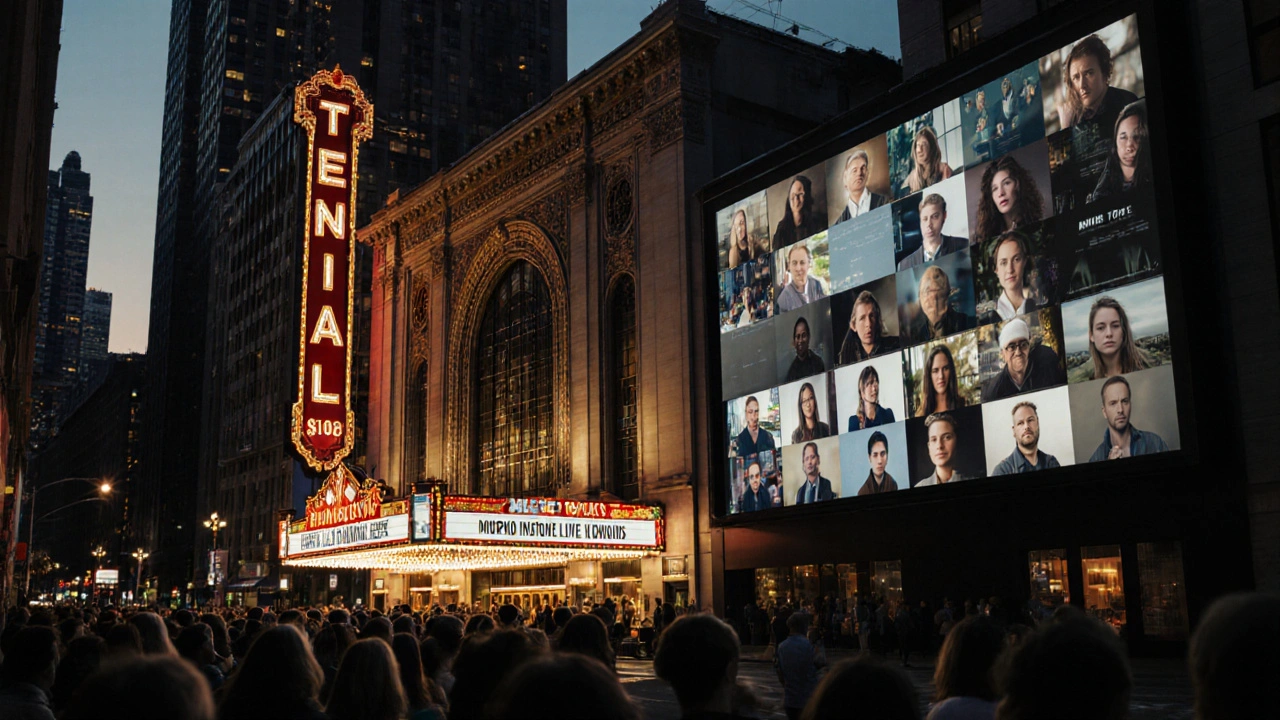
How to Get Noticed When Everyone’s Online
With hundreds of films streaming at once, your movie won’t stand out just because it’s good. You need to be smart.
- Build your own audience before submission. Start a mailing list. Post behind-the-scenes clips on Instagram Reels. Run a $5/day ad targeting film lovers in your genre. Even 500 email subscribers can make a difference.
- Engage during the festival. Don’t just upload and wait. Host a live Q&A. Answer comments. Post updates on Twitter. Festivals notice filmmakers who show up. They’ll promote you more.
- Use the analytics. If your film has a 70% completion rate, say so in your press kit. If viewers from Sweden watched it the most, mention it when pitching to European distributors.
- Don’t just target big names. The New York Short Film Festival might get 10,000 entries. But the Portland Queer Cinema Festival? 800 entries. And their audience is hungry for authentic stories like yours.
What You Can Actually Win
Yes, you can still win awards. But the prizes have changed.
At the 2024 LA Indie Film Festival, the Best Feature winner got $5,000 cash, a free post-production package from a leading color grading studio, and a distribution deal with a streaming platform that reached 12 million households. That’s more valuable than a trophy.
Virtual festivals also offer:
- Free access to editing software licenses (Adobe, DaVinci Resolve)
- Spotlights in industry newsletters (like IndieWire or Film Independent)
- Invitations to virtual networking events with producers and agents
- Exclusive access to pitch sessions with streaming services like Hulu, Amazon, or Mubi
One documentary filmmaker from Ohio won a virtual festival award in 2023. He didn’t get a statue. But he got a meeting with a Netflix acquisitions executive. Two months later, his film was picked up. That’s the new path to success.
What to Avoid
Not all virtual festivals are created equal. Some are scams. Others are just vanity events with no real audience.
- Avoid festivals that charge extra for ‘premium’ submission tiers. Legit festivals charge one fee. If they’re pushing you to pay $150 instead of $50 for ‘priority review,’ run.
- Don’t submit to festivals that don’t list past winners. If you can’t find any names of filmmakers who’ve been featured, they’re probably not real.
- Never give up your rights. Some platforms ask for exclusive streaming rights for 10 years. Read the contract. If they want more than 1-2 years, walk away.
- Don’t skip the Q&A. Even if you’re shy. Viewers connect with the person behind the film. A 10-minute live chat can double your watch time.
Where to Submit in 2025
Here are five reputable virtual and hybrid festivals that filmmakers actually trust in 2025:
- Slamdance - Hybrid. Known for breakthrough indie films. Strong distributor presence.
- South by Southwest (SXSW) - Hybrid. Huge online audience. Great for genre films and tech-driven stories.
- LA Indie Film Festival - Fully virtual. No entry fees for first-time filmmakers. High viewer engagement.
- London Short Film Festival - Hybrid. Strong European reach and press coverage.
- ReelAbilities - Fully virtual. Focuses on disability stories. Offers distribution support.
These festivals don’t just screen films-they build careers.
Final Tip: Treat It Like a Marketing Campaign
A film festival isn’t just a screening. It’s a launchpad. And you’re the CEO.
Think of your film as a product. Your submission is the ad. Your Q&A is the customer service. Your analytics are your sales report. If you treat it that way, you won’t just get noticed-you’ll get results.
Do virtual film festivals give filmmakers real exposure?
Yes-more than ever. In 2024, virtual festivals reached over 120 million unique viewers globally. Distributors now track viewer data like watch time and geographic reach. A film that performs well online can get picked up by platforms like Amazon, Apple TV+, or Mubi-even without a live premiere.
Can I submit the same film to both virtual and in-person festivals?
Yes, but check each festival’s rules. Many hybrid festivals allow it, but some traditional ones still require world or regional premieres. If your film has already streamed online, you may be disqualified from festivals that demand ‘unreleased’ status. Always confirm premiere requirements before submitting.
How much does it cost to submit to virtual film festivals?
Submission fees vary from $10 to $75 for shorts and $30 to $100 for features. Reputable festivals charge flat fees. Avoid those that push you to pay for ‘priority review’ or ‘fast-track’ options-they’re often just revenue generators. Some festivals, like LA Indie, waive fees for first-time filmmakers or those from underrepresented communities.
What’s the best way to promote my film during a virtual festival?
Start early. Build an email list. Post behind-the-scenes clips on social media. Host a live Q&A during the festival window. Engage with viewers who comment. Festivals notice active filmmakers and often feature them in newsletters or on their homepage. Don’t wait until your film screens-start promoting two weeks before.
Are virtual film festivals worth it for first-time filmmakers?
Absolutely. Virtual festivals are often more accessible, with lower fees and broader audiences. Many first-time filmmakers land their first distribution deal through virtual festivals. They also offer feedback, networking, and analytics that help you improve your next project. It’s the best training ground you can find.
Can I still get into Sundance or Cannes if I submit to virtual festivals first?
It depends. Sundance and Cannes still require world premieres. If your film has been publicly streamed online-even on a small platform-you’ll likely be disqualified. But you can submit to virtual festivals after your premiere. Many filmmakers use smaller virtual festivals to build buzz before applying to the big ones.
Next Steps
Start by listing the top three festivals you want to target. Check their 2025 submission guidelines. Set calendar reminders for both deadlines-physical and online. Then, build your audience. Post one clip a week. Talk to five people who’ve been in festivals before. Reach out to a filmmaker whose work you admire and ask for advice.
Don’t wait for permission. The gatekeepers are gone. The screen is open. Your film doesn’t need a theater to matter. It just needs to be seen.





Comments(9)