Most people think art-house cinemas survive on ticket sales and grants. But the truth? The real lifeline for film series and festivals is sponsorships and brand partnerships. Without them, many of these spaces would’ve shut down years ago.
Why Art-Houses Can’t Rely on Ticket Sales Alone
Art-house films don’t draw crowds like superhero blockbusters. A typical indie screening might sell 30 to 80 tickets. At $12 a pop, that’s less than $1,000 per show. After paying for rights, projection, staff, and utilities, there’s barely enough to cover the next week’s rent.
Take the Film Forum in New York. In 2023, ticket revenue covered just 38% of its annual operating budget. The rest? Sponsorships. Same goes for the BAMPFA in Berkeley, the Cinémathèque Française in Paris, or the Sydney Film Festival. These aren’t outliers-they’re the norm.
Grants help, but they’re unpredictable. Foundations change priorities. Government funding gets cut. Sponsorships? They’re steady. They’re reliable. And they come with something money can’t buy: visibility.
What Brands Actually Want From Art-House Partnerships
Brands don’t sponsor film festivals because they love cinema. They do it because they want to reach a specific kind of person: educated, culturally engaged, willing to spend on quality. These aren’t the people scrolling through TikTok ads. They’re the ones reading The New Yorker, visiting galleries, and buying organic coffee.
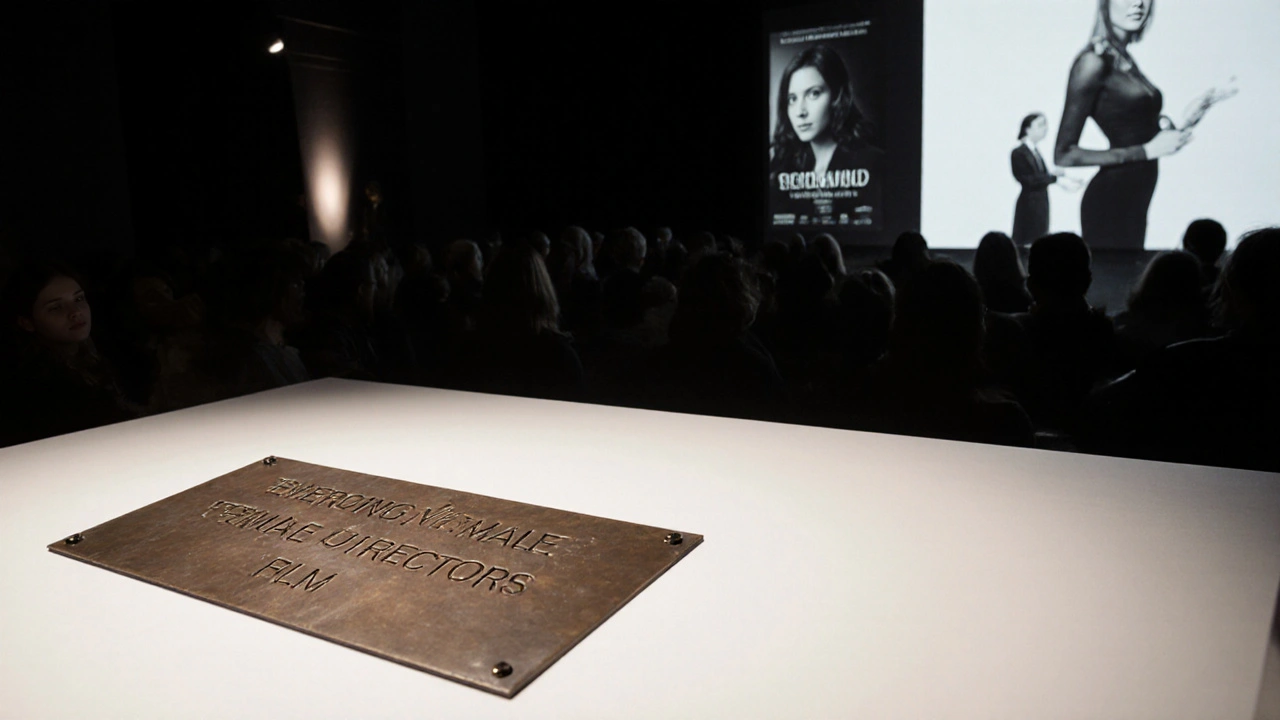
Look at how Chanel partners with the Locarno Film Festival. They don’t slap their logo on posters. They fund a curated section called Chanel Next Prize-a platform for emerging female directors. The brand gets association with innovation and artistry. The festival gets funding without compromising its voice.
Or consider Adobe sponsoring the Sundance Film Festival’s digital storytelling labs. They don’t sell software at the event. They offer free Creative Cloud licenses to filmmakers. That builds trust. That builds loyalty. That’s the kind of partnership that lasts.
It’s not about logos. It’s about alignment. A brand that wants to sell energy drinks won’t fit with a film series on 1970s Polish documentaries. But a luxury watchmaker? A sustainable fashion label? A premium tea brand? Those can find real synergy.
How Art-Houses Structure Sponsorship Deals
Successful partnerships aren’t random. They’re built like contracts-with clear value exchange.
Here’s how it usually works:
- Define the audience-Who attends your screenings? Age, income, interests, media habits.
- Match the brand-Find companies whose customers overlap with yours.
- Offer something unique-Not just a logo on a screen. Think: exclusive pre-screenings, filmmaker Q&As, branded programs, curated snack bars.
- Set boundaries-No product placement in films. No forced messaging. Keep the art pure.
- Report results-How many people attended? How many social media impressions? What feedback did you get?
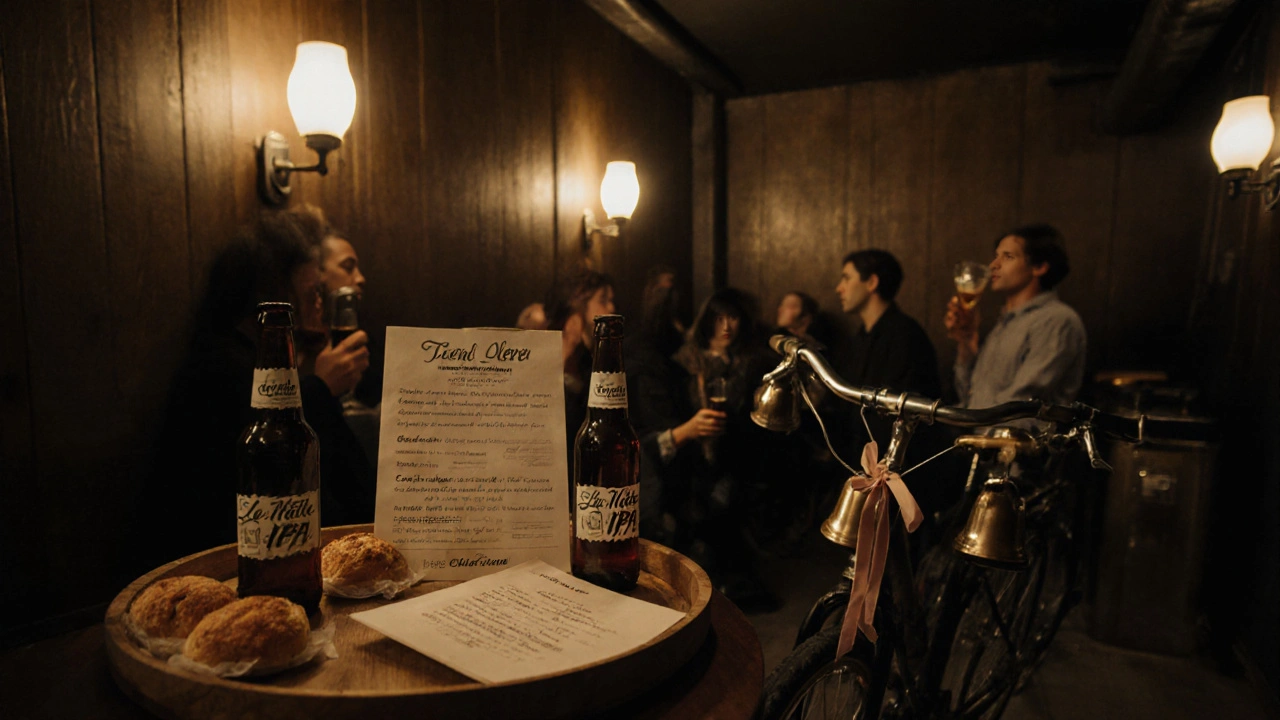
At the Portland Art Museum’s film series, they partnered with a local craft brewery. The brewery didn’t just hand over cash. They created a limited-edition beer named after a classic film in the series-La Notte IPA. They hosted a tasting before the screening. Attendance jumped 40%. The brewery sold out. The museum got $15,000 in funding and 3,000 new email subscribers.
That’s the sweet spot: value for both sides.
What Doesn’t Work
Not every brand deal is a win. Some backfire hard.
A mid-sized art-house in Chicago once took money from a tobacco company to fund a noir film series. The backlash was immediate. Filmmakers withdrew their work. Patrons canceled memberships. The theater lost more in reputation than it gained in cash.
Another example: a festival in Austin accepted sponsorship from a ride-share app that demanded all signage say “Get to the Screening with [Brand].” Audiences felt like they were being sold to. The event’s tone shifted from cultural celebration to corporate pitch.
Brands that treat art-houses as billboards will fail. So will art-houses that trade their integrity for quick cash.
The rule? If the partnership feels transactional, it is. If it feels like a collaboration, it might last.
The Role of Local Businesses and Community Support
Not all sponsorships come from big corporations. Often, the most meaningful support comes from local shops, cafes, and makers.
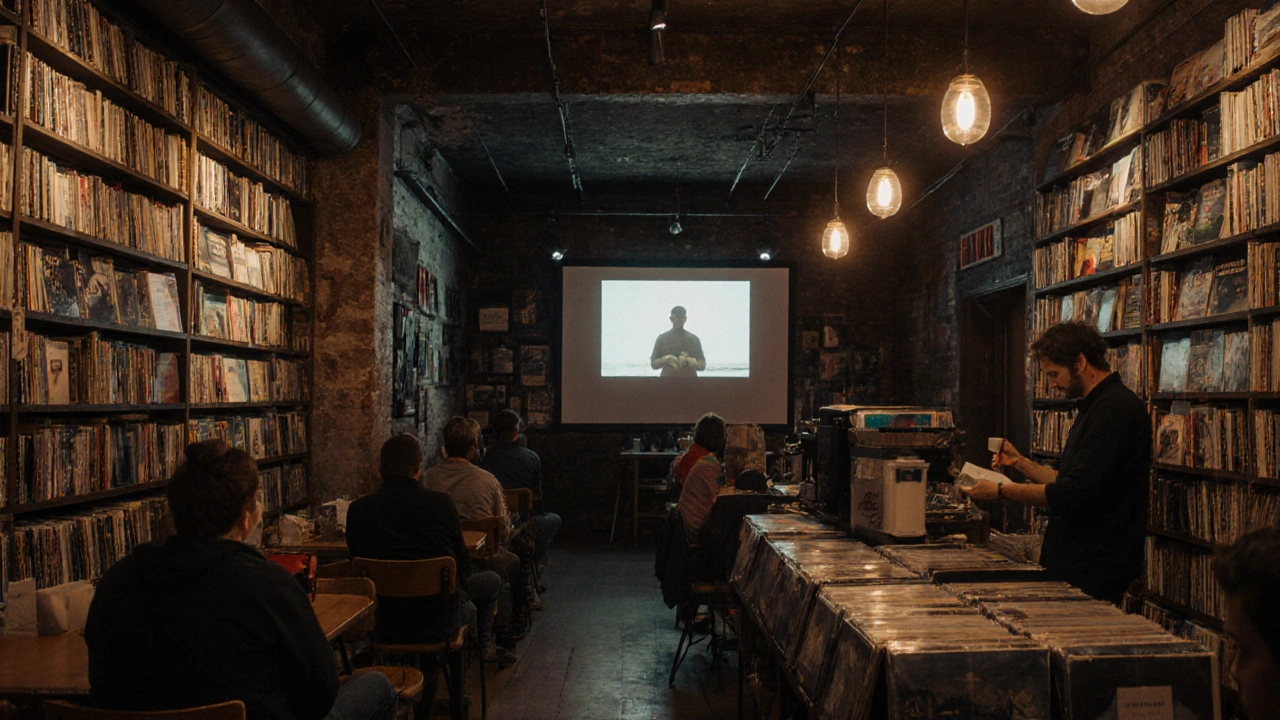
In Portland, Oregon, the Hollywood Theatre runs a program called Local Lens. Each month, they screen a local filmmaker’s work. A neighborhood bakery sponsors the event and provides free pastries. A record store donates vinyl soundtracks for giveaways. A bike shop offers discounts to attendees who ride there.
These aren’t big-dollar deals. But they add up. And they build community. People feel like they’re part of something real-not just consuming content, but sustaining a culture.
Smaller art-houses should start here. Don’t wait for Apple or Netflix. Talk to the coffee shop down the street. The bookstore. The yoga studio. They all want to be part of something meaningful. And they’re more likely to say yes if you show them how their name connects to something beautiful.
How to Pitch Without Sounding Desperate
Many art-house programmers are artists, not salespeople. They hate asking for money. But pitching doesn’t have to feel like begging.
Here’s a simple formula:
- Start with the audience-“We reach 12,000 people a year who care about visual storytelling.”
- Connect to their goals-“You want to reach thoughtful, culturally active consumers. That’s who we serve.”
- Offer a custom experience-“We can feature your brand in our program booklet, host a tasting before the screening, and create a short film for your social channels.”
- End with impact-“This isn’t advertising. It’s cultural investment.”
One film curator in Minneapolis used this approach to land a $20,000 annual partnership with a local organic food co-op. They didn’t mention budgets. They didn’t beg. They showed how the co-op’s values matched the festival’s mission: supporting local voices, sustainability, and thoughtful living.
What Happens When Sponsorships Fail
The most dangerous myth? That sponsorship is easy money.
When a sponsor pulls out, it doesn’t just leave a funding gap-it leaves a hole in trust. Audiences notice. Filmmakers notice. Staff notice.
Take the 2022 collapse of the New Haven Film Festival. They lost their main sponsor-a regional bank that merged with a larger institution. The new parent company didn’t see value in indie cinema. Funding vanished overnight. The festival canceled its entire season. Volunteers walked away. The space sat empty for six months.
That’s why diversification matters. Don’t rely on one sponsor. Build a network. Mix corporate, local, and individual donors. Keep a reserve fund. Always have a Plan B.
Future Trends in Art-House Sponsorship
Two big shifts are happening right now.
First, more brands are using film as a tool for brand storytelling. Instead of just funding, they’re co-producing. The Criterion Channel partnered with Netflix to restore and re-release three obscure 1980s Eastern European films. Netflix got exclusive streaming rights. Criterion got funding and distribution. The films got new life.
Second, membership models are blending with sponsorships. The American Cinematheque in LA now offers a “Patron Circle” tier-$1,000/year. Members get early access, private screenings, and a chance to meet directors. Many of these patrons are local business owners. They’re not just giving money. They’re investing in legacy.
Art-houses that treat sponsors as partners-not ATMs-will survive. Those that treat them as charity will disappear.
Final Thought: It’s Not About Money. It’s About Meaning.
Art-houses don’t need more money. They need better relationships.
Sponsorships aren’t a last resort. They’re a natural extension of what these spaces already do: connect people to stories that matter. When a brand understands that, the partnership becomes more than a transaction. It becomes a shared mission.
That’s how you preserve art-not with grants alone, but with people who believe in it enough to stand beside you.
Can art-house cinemas survive without corporate sponsorships?
It’s extremely rare. Most art-houses rely on a mix of ticket sales, grants, donations, and sponsorships. Ticket sales alone rarely cover more than 40% of operating costs. Without sponsorships, even well-loved theaters struggle to pay for film rights, staff, and equipment. Some survive through deep community fundraising, but that’s not scalable. Sponsorships provide consistent, predictable funding that grants and donations often can’t match.
What types of brands are best suited for art-house partnerships?
Brands that align with culture, creativity, and thoughtful consumption work best. Think luxury goods (watches, fashion), premium food and beverage (organic coffee, craft beer, artisanal tea), sustainable products, independent bookstores, local artisans, and tech companies focused on creative tools (like Adobe or Apple). Avoid brands tied to mass-market, fast consumption, or controversial industries like tobacco or gambling.
How do you avoid letting sponsors influence programming?
Set clear boundaries before signing any deal. Never allow sponsors to approve or reject film selections. Use sponsorship to fund logistics-printing programs, hosting events, tech upgrades-not content. Include a clause in the agreement that states programming decisions remain entirely in the hands of the art-house. Transparency with audiences helps too-let them know the films are chosen independently.
Is it okay to accept funding from a company with questionable ethics?
No. Once a brand’s values clash with your mission, the damage to your reputation is harder to fix than any financial gain. There have been cases where art-houses accepted money from fossil fuel companies or tobacco firms-and lost filmmakers, donors, and audience trust overnight. Integrity is your most valuable asset. Protect it.
How can small art-houses compete for sponsorships against big festivals?
You don’t compete-you differentiate. Big festivals offer scale. Small ones offer intimacy. Brands looking for authentic, engaged audiences often prefer local partnerships. Offer personalized experiences: filmmaker meetups, curated snack pairings, handwritten thank-you notes. Highlight your community impact. A local brewery would rather sponsor 500 real people who show up every month than 50,000 anonymous attendees at a big festival.
What’s the average value of a sponsorship deal for an art-house film series?
It varies widely. Small local partnerships might be $2,000-$5,000 per event. Mid-sized city festivals often land $10,000-$50,000 annually. Major festivals like Sundance or Cannes get millions-but those are exceptions. For most independent theaters, a $15,000-$25,000 annual sponsorship from one or two local brands is common and sustainable.





Comments(9)