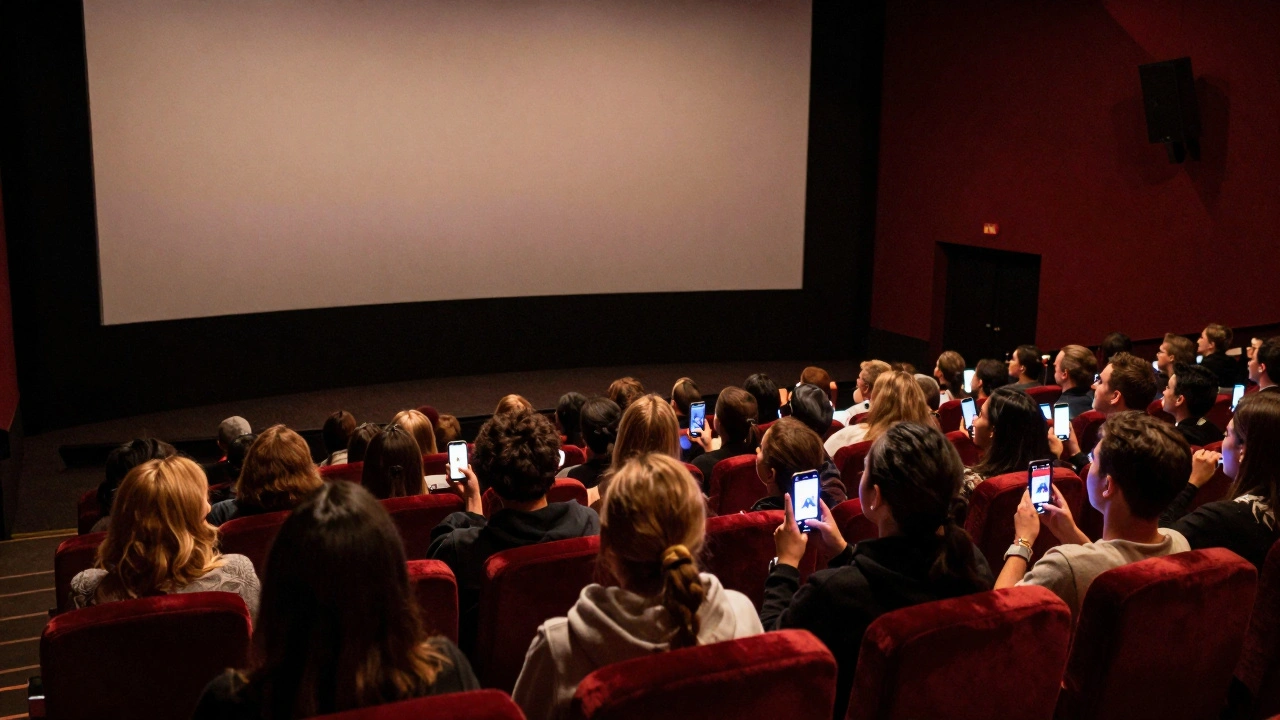
Before 2020, most film festivals were locked in theaters. You bought tickets weeks in advance, lined up outside screening halls, and fought for seats at midnight premieres. Then the pandemic hit. Cinemas closed. Travel stopped. And suddenly, every major festival-Cannes, Sundance, TIFF-had to figure out how to show movies without an audience. What followed wasn’t just a temporary fix. It was a full rewrite of how films are discovered, marketed, and experienced.
What Changed When the Lights Went Out
In March 2020, the SXSW cancellation sent shockwaves through the industry. By April, Cannes announced it wouldn’t happen. Sundance went fully virtual. Within months, over 80% of global film festivals had moved online. The tech wasn’t perfect. Platforms like Vimeo On Demand, Eventive, and KinoNow became lifelines. But the real shift wasn’t in the software-it was in the mindset.
For the first time, a filmmaker in Lagos could submit a film to Tribeca without flying to New York. A critic in Tokyo could watch a Danish indie at 2 a.m. from their couch. Film festivals stopped being exclusive events and became open-access platforms. Attendance numbers exploded. The 2020 Toronto International Film Festival saw over 1 million virtual screenings-more than its entire in-person history combined.
The Rise of the Hybrid Model
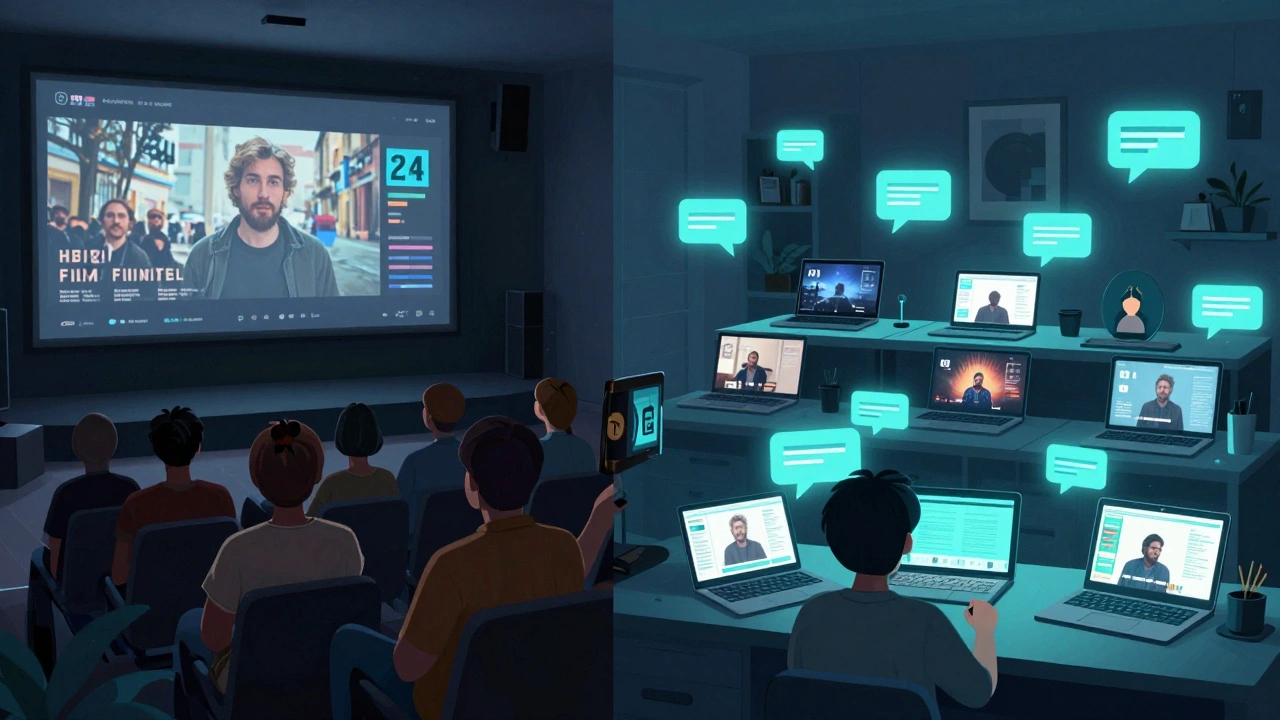
By 2022, most festivals stopped pretending they’d go back to how things were. Instead, they built hybrid systems. That means: physical screenings for local audiences, plus streaming for global viewers, all running at the same time. The hybrid model isn’t just a backup plan anymore-it’s the new standard.
At the 2024 Berlinale, 60% of attendees watched films online. The festival kept 15 theaters open for VIPs, press, and locals, but the majority of buzz came from digital premieres. Why? Because hybrid works for everyone. Distributors get wider exposure. Indie filmmakers get global reach. Audiences get flexibility. And festivals? They get more revenue streams-ticket sales, pay-per-view, sponsorships, and digital subscriptions all add up.
Hybrid also solves a quiet crisis: accessibility. People with disabilities, caregivers, those in rural areas, or with tight budgets can now participate. A 2023 study by the European Film Market found that 72% of viewers who attended virtually said they wouldn’t have gone in person due to cost, distance, or mobility issues.
How Filmmakers Adapted
Before the pandemic, a film’s success at a festival often meant a red carpet premiere and a few press interviews. Now, it’s a full digital campaign. Filmmakers don’t just submit-they build hype. They do Instagram Live Q&As. They host Discord watch parties. They partner with niche YouTube channels to reach specific audiences.
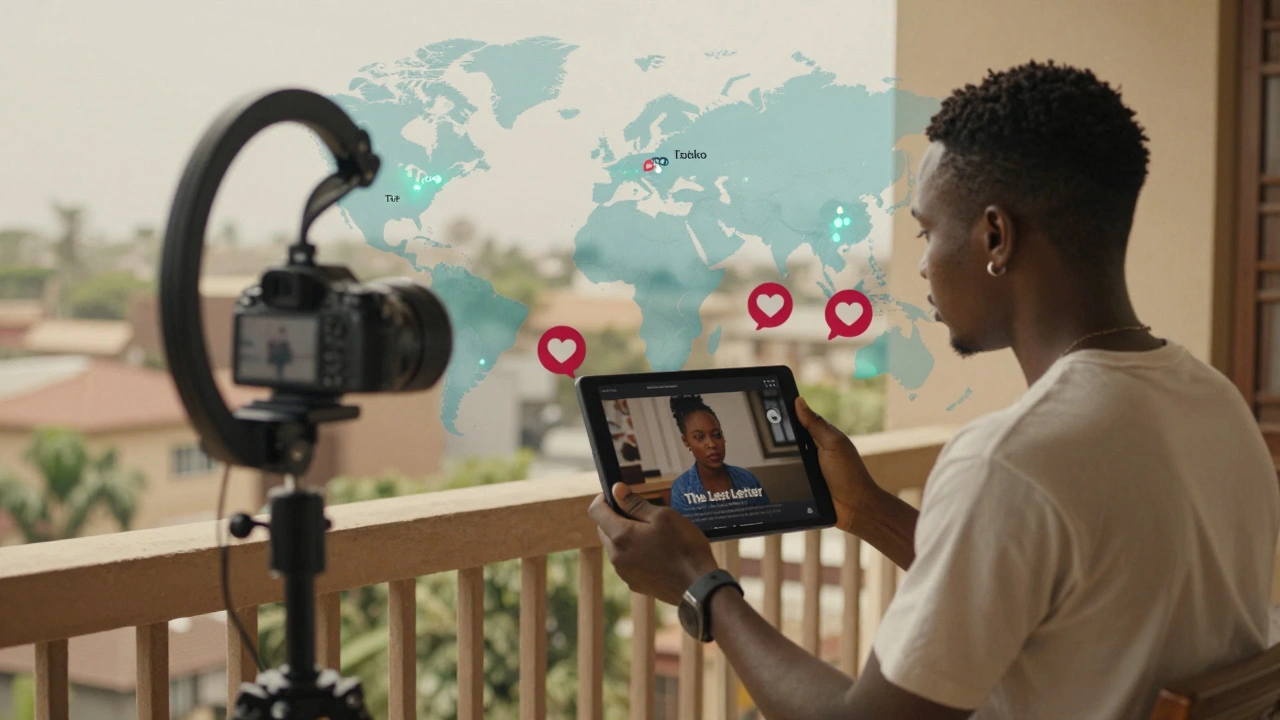
Take the 2023 short film "The Last Letter". It premiered at the Slamdance Film Festival’s virtual platform. The director didn’t wait for reviews. She sent personalized emails to 500 film bloggers, posted behind-the-scenes clips on TikTok, and ran a $200 ad campaign targeting fans of slow cinema. Within two weeks, the film had over 40,000 views and landed a distribution deal with a streaming service.
That wouldn’t have happened in 2019. Back then, visibility was tied to geography. Now, it’s tied to strategy. The best filmmakers today aren’t just storytellers-they’re marketers, community builders, and digital strategists.
What’s Lost in the Transition
Not everything improved. The magic of a packed theater, the shared silence before a twist, the buzz after a screening-those moments are harder to replicate online. Industry networking, once built over coffee breaks and after-parties, now happens in Zoom breakout rooms that feel transactional.
Smaller festivals that relied on ticket sales and local sponsorships struggled. Many vanished. In 2021, over 120 regional festivals closed permanently, according to the International Federation of Film Producers Associations. Even big ones faced backlash. Some cinephiles called virtual screenings "a betrayal of cinema." Others argued that streaming made festivals too commercial, turning them into marketing engines for Netflix and Amazon.
And there’s the problem of oversaturation. With hundreds of festivals now running online year-round, it’s harder for any single film to stand out. A 2024 report from Film Independent found that the average virtual premiere received under 5,000 views-down from 15,000 in 2021. The novelty wore off. Attention became scarce.
What Works Now: The New Rules of Virtual Festivals
If you’re trying to make a film festival work today, here’s what actually moves the needle:
- Curate, don’t just stream. Audiences don’t want 200 films dumped online. They want handpicked selections with context-interviews, director notes, themed playlists.
- Make it interactive. Live Q&As, real-time chat with filmmakers, and synchronized watch parties boost engagement. Festivals that use platforms like KinoNow or Eventive with built-in chat features see 3x more viewer retention.
- Offer tiered access. Free screenings for casual viewers. Paid VIP passes with exclusive content for superfans. This builds community and revenue at the same time.
- Partner with local venues. Even hybrid festivals need anchors. A screening at a local cinema, bookstore, or museum creates real-world connection and media buzz.
- Use data. Track what films get watched, when, and by whom. That tells you who your audience is-and what to program next year.
The most successful festivals now feel less like events and more like platforms. They’re not just showing films-they’re building ecosystems around them.
The Future Isn’t Either/Or-It’s Both/And
The idea that film festivals must choose between physical and digital is over. The winners are the ones who blend both. Think of it like a concert: you can be there in person, or you can stream it from home. Both are valid. Both have value.
Look at the 2025 Venice Biennale Cinema. It opened with 12 physical screenings on the Lido, but also launched a 30-day streaming window with 400+ films. It sold 12,000 virtual passes-more than its entire in-person attendance in 2019. And it didn’t cut its physical ticket sales. It grew them.
What’s next? AI-powered recommendations for viewers. Blockchain-based ticketing for indie films. NFT collectibles tied to festival premieres. But the core truth remains: film festivals are no longer about where you watch. They’re about who you watch with-and how deeply you connect to the story.
The pandemic didn’t kill film festivals. It forced them to evolve. And the ones that survived? They’re stronger, wider, and more inclusive than ever.
Are virtual film festivals here to stay?
Yes. Even as in-person events return, virtual access remains essential. Audiences have gotten used to watching films on demand, and filmmakers rely on global reach. Hybrid models now dominate because they serve more people-and generate more revenue-than either format alone.
Do virtual festivals still help indie filmmakers get distribution?
Absolutely. In fact, they often help more than traditional festivals. Distributors now monitor digital screening stats-viewership numbers, geographic reach, watch time-to spot breakout films. A film that gets 20,000 views on a virtual platform is just as valuable as one that wins a jury prize at a physical festival.
Can I submit my film to a hybrid festival if I’m not in the country?
Yes. Most hybrid festivals now accept online submissions from anywhere. Geographic location no longer matters for entry. What matters is the quality of the film and how well it fits the festival’s theme. Many festivals even waive fees for filmmakers from low-income countries.
Why do some people still prefer in-person festivals?
Because cinema is a shared experience. The energy of a live audience, the chance to meet directors, the surprise of a last-minute screening-these moments can’t be replicated on a screen. For many, film festivals are about community as much as content. That’s why top festivals keep physical screenings-they’re not just backups, they’re anchors.
How do I know if a virtual film festival is legitimate?
Check if it’s listed on reputable directories like FilmFreeway or Withoutabox. Look for past winners, press coverage, and transparency in selection criteria. Avoid festivals that charge high submission fees without clear benefits or that promise "awards" for a fee. Legit festivals focus on exposure, not profit.
Virtual and hybrid festivals didn’t replace the old system. They expanded it. The future of film isn’t in one place-it’s everywhere you have an internet connection and a desire to see something new.




Comments(5)