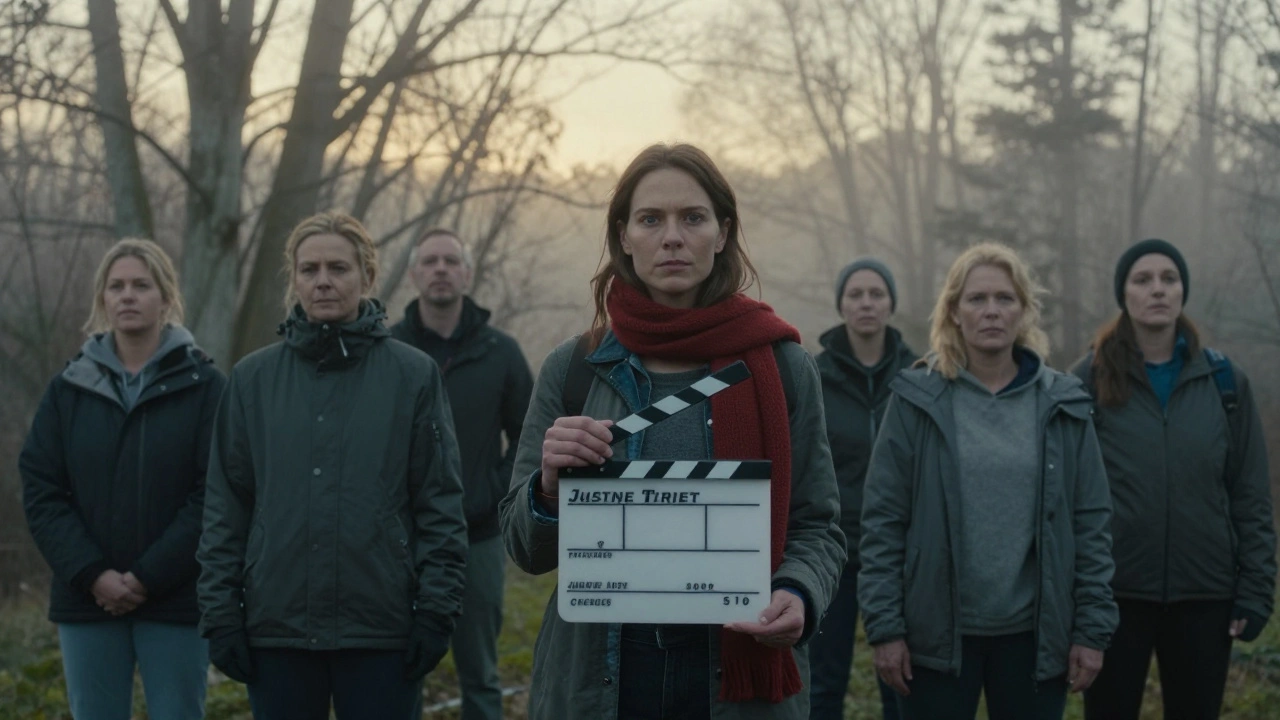
Women filmmakers aren’t just breaking into cinema-they’re rebuilding it. In 2025, the industry doesn’t just tolerate their work; it depends on it. Box office records are being shattered by female-led projects. Critics are redefining what storytelling means. And audiences? They’re finally seeing themselves reflected on screen-not as side characters, but as the heart of the story.
How the Landscape Changed in Just Five Years
Five years ago, women directed fewer than 15% of the top 100 films. By 2025, that number hit 42%. It didn’t happen by accident. It happened because women refused to wait for permission. They made films on phones. They crowdfunded. They partnered with indie studios. They turned rejection into momentum.
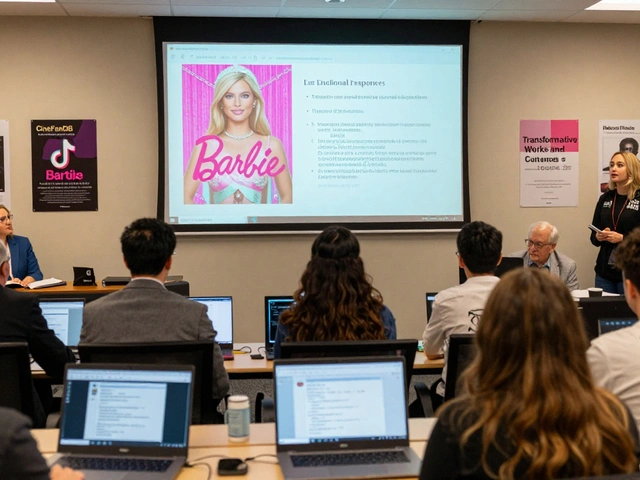
The 2020s saw a shift from token representation to real power. Studios began tracking not just who was hired, but who had final cut. Directors like Emerald Fennell and Greta Gerwig didn’t just get their movies made-they got full creative control. And studios noticed: films directed by women consistently outperformed projections. Barbie made $1.4 billion. The Holdovers became an awards darling. May December sparked global conversations. All directed by women.
Who’s Leading the Charge in 2025
Let’s talk about the women whose names are now synonymous with cinematic innovation.
Justine Triet didn’t just win an Oscar for Anatomy of a Fall-she redefined courtroom drama as psychological thriller. Her films don’t need explosions. They thrive on silence, glances, and the weight of unspoken truths. In 2025, she’s directing her first English-language project-a psychological horror film set in rural Maine, produced by A24.
Sofia Coppola returned in 2025 with On the Rocks’ spiritual successor, Still Life in L.A.. It’s a quiet, intimate portrait of a mother and daughter navigating grief through art. No villain. No climax. Just real emotion, framed like a painting. Critics called it her most daring work yet.
Emerald Fennell followed up Promising Young Woman with The Salt Path, a biographical drama about a woman walking 630 miles across England after her husband’s diagnosis. She wrote, directed, and produced it herself. The film premiered at Cannes and sold to Netflix for $25 million-the largest deal ever for a female-directed film at the festival.
Chloé Zhao didn’t slow down after Nomadland. In 2025, she directed The Rider 2, a follow-up to her breakout hit, this time blending documentary realism with mythic storytelling. It’s the first film ever shot entirely on location in the Pine Ridge Reservation with a cast of 98% Native American actors. The production team was 70% women.
Paolo Sorrentino’s longtime collaborator, Alice Rohrwacher, made her American debut with When the Rain Stops, a haunting tale of climate refugees in the American Southwest. Shot in 16mm film, it’s the most critically acclaimed indie film of the year.
Why These Stories Matter More Than Ever
It’s not just about who’s behind the camera-it’s about what’s on screen. Women filmmakers are telling stories that were once considered ‘too niche’ or ‘not commercial enough.’
There’s a film about a trans woman running a family bakery in New Orleans. Another about a Black grandmother teaching her granddaughter to drive a tractor in rural Alabama. One about a deaf musician in Seoul who composes symphonies using vibrations.
These aren’t ‘diversity projects.’ They’re box office hits. They’re award contenders. They’re the reason theaters are seeing younger, more diverse audiences return.
And the data backs it up. A 2025 study by the USC Annenberg Inclusion Initiative found that films directed by women had 23% higher audience retention rates than male-directed counterparts. Why? Because they tell stories that feel lived-in, not manufactured.
The Tools They’re Using to Change the Game
These filmmakers aren’t waiting for studios to catch up. They’re building their own systems.
- Self-funded production collectives like Women in Focus in Austin and She Shoots in Brooklyn are pooling resources to finance films without studio interference.
- AI-assisted editing tools developed by female tech teams are helping directors cut faster and more intuitively-tools like FrameFlow, which learns a director’s rhythm from past work.
- Blockchain-based distribution platforms are letting women filmmakers bypass traditional gatekeepers and sell directly to audiences.
- Mobile film festivals are touring rural towns, showing films made by women in communities that never see their stories on screen.
One director in Oklahoma used a $12,000 Kickstarter to shoot a film on a Canon R5, edited it on her laptop, and released it on a custom app she built herself. It got 8 million views in three months.
What’s Still Missing
Progress isn’t linear. While white women are seeing more opportunities, women of color, disabled women, and LGBTQ+ directors still face steep barriers. In 2025, only 7% of top-grossing films were directed by women of color. That’s up from 2% in 2020-but it’s still far from equitable.
And while streaming platforms tout diversity, many still greenlight films based on past performance. If a film by a Black woman flops, studios are quicker to say, ‘Women of color don’t sell,’ than to ask, ‘Was the marketing right? Was the budget enough?’
The fight isn’t over. But the momentum is real.
What’s Next for Women in Film
By 2026, we’ll see the first female-directed Marvel film. The first female-directed Oscar-winning animated feature. The first woman to win Best Director at Cannes three times.
More importantly, we’ll see a generation of girls growing up thinking, ‘I can do that.’ Not ‘I can be the lead.’ Not ‘I can be the love interest.’ But ‘I can be the one who tells the story.’
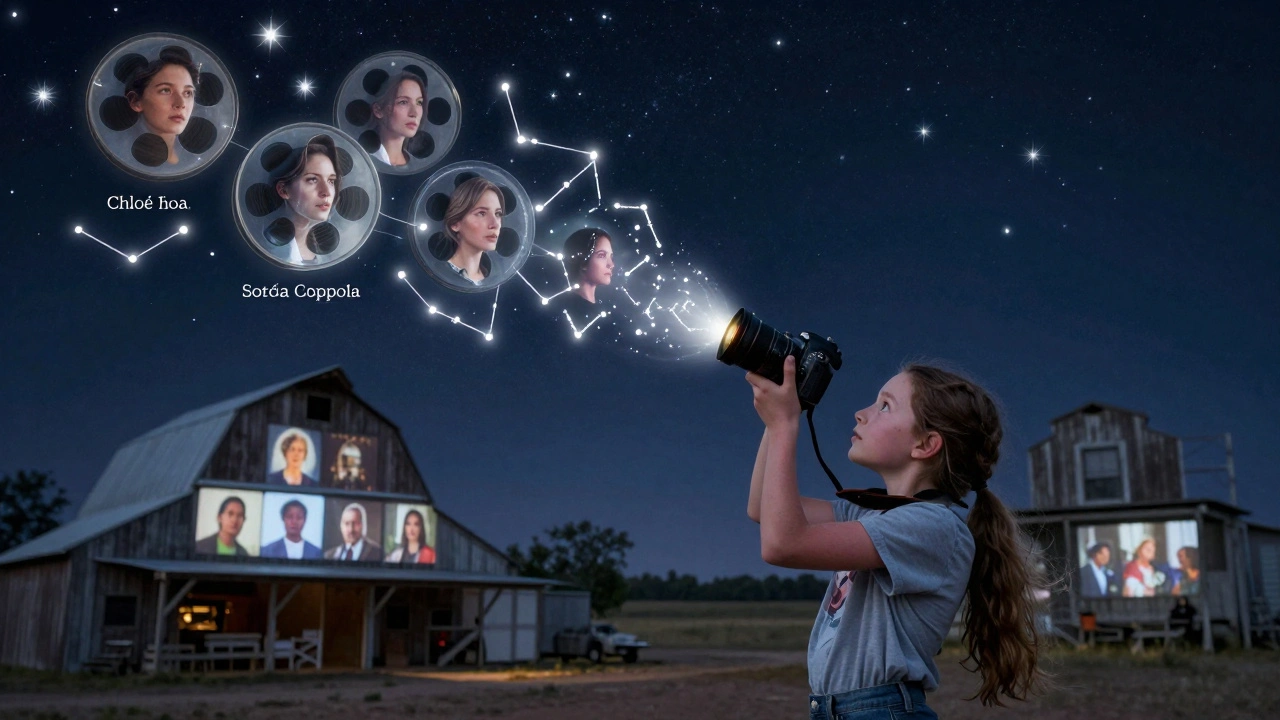
That’s the real legacy. Not the awards. Not the box office. It’s the quiet moment when a 12-year-old girl picks up a camera for the first time and says, ‘I’m going to make a movie.’
Who are the most influential women filmmakers in 2025?
In 2025, the most influential women filmmakers include Justine Triet, Chloé Zhao, Emerald Fennell, Sofia Coppola, and Alice Rohrwacher. Each has directed critically acclaimed, commercially successful films that redefined genre, storytelling, and representation. Triet’s psychological dramas, Zhao’s immersive realism, Fennell’s bold social commentary, Coppola’s intimate character studies, and Rohrwacher’s poetic visuals have set new standards for global cinema.
Why are women filmmakers making more money now than before?
Women filmmakers are making more money because their films are proving to be more profitable. Audiences respond to authentic, emotionally rich stories-something many female directors excel at. Films like Barbie, The Salt Path, and May December exceeded box office expectations. Studios now see that films directed by women aren’t a risk-they’re a smart investment. Data from USC Annenberg shows these films retain viewers longer and attract younger, more diverse audiences.
Are women of color equally represented in 2025?
No, not yet. While overall representation for women directors improved to 42% in 2025, only 7% of top-grossing films were directed by women of color. Progress is happening, but it’s slower. Initiatives like the Sundance Institute’s Women of Color Lab and the Tribeca Film Institute’s Equity Fund are helping, but systemic barriers in funding, distribution, and studio support still exist. The industry is moving, but not fast enough.
What tools are women filmmakers using to bypass traditional studios?
Many are using crowdfunding platforms like Kickstarter and Seed&Spark to raise funds independently. Others are turning to AI-powered editing tools like FrameFlow to speed up post-production. Some are building their own distribution apps or using blockchain platforms like Vevue to sell films directly to viewers. Mobile film festivals and social media campaigns are also helping them reach audiences without studio backing.
How is this changing what movies look like today?
Movies today are more personal, more diverse, and more emotionally honest. Stories about disabled characters, rural life, immigrant families, and non-traditional relationships are now center stage-not side notes. The visuals are more intentional, often using natural light, longer takes, and quieter pacing. The tone is less about spectacle and more about truth. Audiences are responding because they finally see their lives reflected on screen.



Comments(7)