
When you’re starting out as an actor, the last thing you want is to get lost in the noise of Hollywood’s behind-the-scenes machinery. But here’s the truth: your agent and your manager aren’t just paperwork. They’re your first real partners in building a career - and they do very different jobs. Confusing them? That’s how actors miss opportunities, sign bad deals, or get stuck in the same audition room for years.
What Does an Agent Actually Do?
An agent is your gatekeeper to work. If you’re not represented by one, you’re basically invisible to casting directors at major studios and networks. Agents have direct access to casting calls, auditions, and project pitches that aren’t open to the public. They submit your headshot and reel, negotiate your pay, and handle the legal side of your gigs - everything from union contracts (SAG-AFTRA) to travel arrangements for out-of-town shoots.
Here’s how it works in practice: a casting director in Los Angeles needs a 30-year-old male lead for a Netflix drama. They send the breakdown to 15 agents. Only one of those agents has you on their roster. That agent submits you. If you’re the right fit, you get called in. No agent? No submission. No submission? No job.
Agents are paid by commission - usually 10% of your earnings - and they only make money when you book work. That means they’re incentivized to push you hard. Top agents at agencies like CAA, WME, or UTA have hundreds of clients, so they focus on those with the most momentum: actors with credits, recognizable faces, or strong social followings. If you’re just starting out, you’ll likely work with a smaller boutique agency. Don’t dismiss them. Many breakout actors - like Zendaya and Timothée Chalamet - started with indie agencies.
What Does a Manager Do?
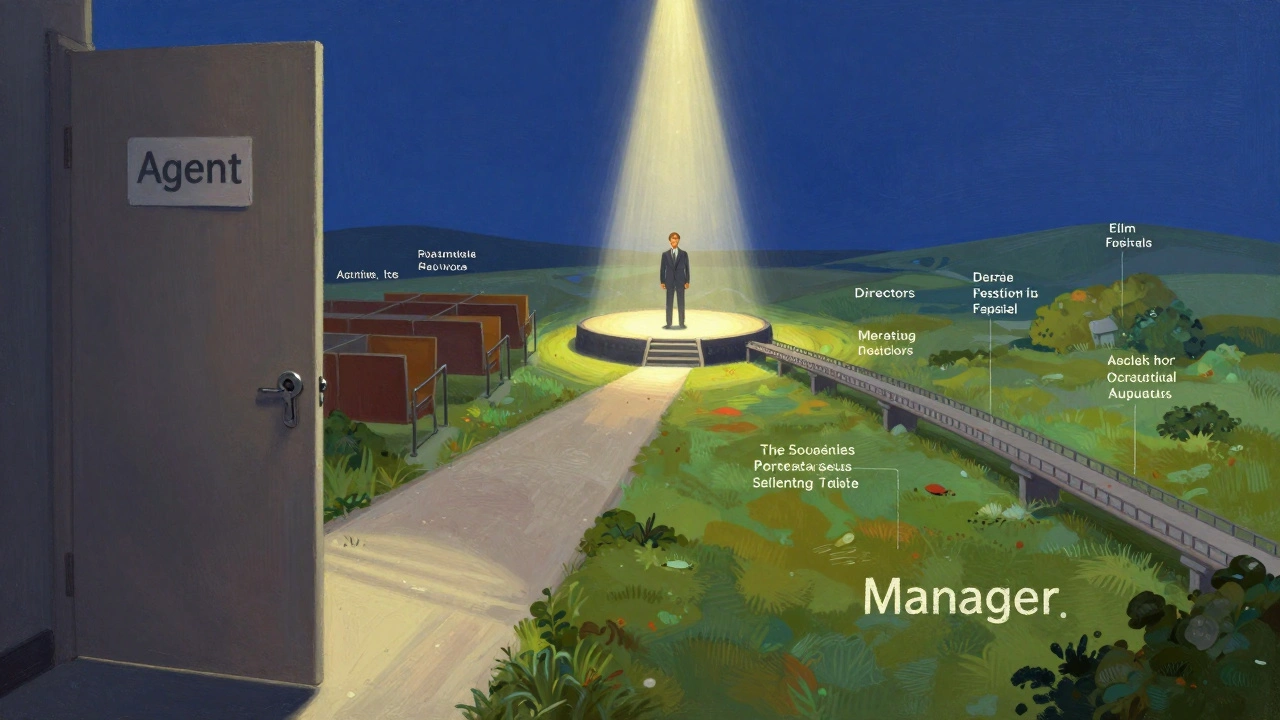
A manager doesn’t get you auditions. They help you build a career. Think of them as your strategist, your cheerleader, and your long-term planner rolled into one. They don’t have the power to submit you for roles - but they can open doors that agents can’t.
Managers connect you with directors, producers, and writers. They help you pick roles that align with your brand. They advise you on public appearances, social media presence, and even personal branding. A good manager will tell you to turn down a commercial gig if it doesn’t fit your image. They’ll help you land a speaking slot at a film festival. They’ll introduce you to a publicist who can get you featured in IndieWire.
Managers are paid 10-15% of your income, but they don’t need to book you a job to earn it. That’s why their role is more about relationships than transactions. A manager who’s been in the business for 15 years knows who’s casting the next indie hit before the script is even finished. They know which film schools are producing rising talent. They know which festival programmers are looking for fresh voices.
One actor I know - let’s call her Maya - turned down a steady TV gig because her manager said, “You’re not ready to be typecast as the best friend.” Two years later, she starred in a Sundance-winning film that got her a Golden Globe nomination. That decision didn’t come from her agent. It came from her manager.
Why You Need Both - But Not Right Away
The myth: you need an agent and a manager before you’ve even done one commercial. The reality: most successful actors get one first, then add the other.
If you’re just starting out - no credits, no reel, no training - don’t waste time chasing a manager. Focus on building your craft. Take classes. Do student films. Build a demo reel that shows range. Then, get an agent. That’s step one.
Once you’ve booked a few jobs - even small ones - and you’re starting to get noticed, that’s when a manager becomes valuable. They’ll help you navigate the next level: choosing projects that build your reputation, not just your bank account. They’ll help you avoid burnout. They’ll push you toward roles that matter.
There’s a reason most actors don’t sign with a manager until they’ve got at least one credit: managers don’t want to waste time on someone who hasn’t proven they can deliver. They’re investing in your potential. And they need proof.
Red Flags to Watch Out For
There are sharks in this business. Watch out for these signs:
- Upfront fees: No legitimate agent or manager asks for money before you earn anything. If they say, “We need a $500 portfolio fee” or “This is a $2,000 coaching package,” walk away. That’s a scam.
- Vague promises: “I’ll get you on Stranger Things” or “I have a direct line to Spielberg” - these are empty words. Real reps talk about process, not miracles.
- No track record: Ask to see their client list. If they can’t name three actors they’ve represented with credits, they’re not ready to represent you.
- One-size-fits-all: If they treat you like a number, not a person, they don’t care about your career. A good rep knows your voice, your goals, your fears.
Check the Screen Actors Guild (SAG-AFTRA) directory. All legitimate agents and managers are listed there. If they’re not, they’re not operating legally.
How to Find the Right Rep
Don’t just apply online. Networking still matters. Go to film festivals. Attend industry panels. Talk to actors who’ve been around for five years. Ask them: “Who’s your agent? Who’s your manager? Would you recommend them?”
When you find someone you like:
- Request a meeting - in person or Zoom.
- Bring your reel, headshot, and resume.
- Ask: “What’s your process for building an actor’s career?”
- Ask: “Who are your current clients? Can I see their credits?”
- Ask: “What kind of roles do you think I’m right for?”
If they give you a generic answer like “You’re versatile,” they’re not listening. If they say, “I think you’re perfect for indie dramas with emotional depth - I just placed a client in a film like that last month,” that’s a sign they’ve done their homework.
What Happens When You Outgrow Your Rep?
Your career isn’t static. The agent who got you your first commercial might not be the one who lands you your first leading role. That’s normal.
Many actors switch agents when they’re ready for bigger projects. Some even keep their manager and change agents - or vice versa. It’s not a betrayal. It’s strategy.
When you’re ready to move on:
- Review your contract. Most are 1-2 years with 30-60 day notice.
- Don’t burn bridges. Thank them. Leave professionally.
- Use your new credits as leverage. “I’ve now worked with X director and Y studio - I’m ready for a rep who works at this level.”
One actor I know switched from a small agency to CAA after booking a lead in a Sundance film. His old agent was great - but he didn’t have the connections to get him into the room with HBO. His new agent did. And that’s the point.
The Bottom Line
An agent gets you in the room. A manager helps you own the room. You need both - but not at the same time. Start with an agent. Build your work. Then, find a manager who sees your potential, not just your resume.
Representation isn’t about who you know. It’s about who knows you - and believes in you enough to fight for you.







Comments(8)