What Is Verité Documentary Style?
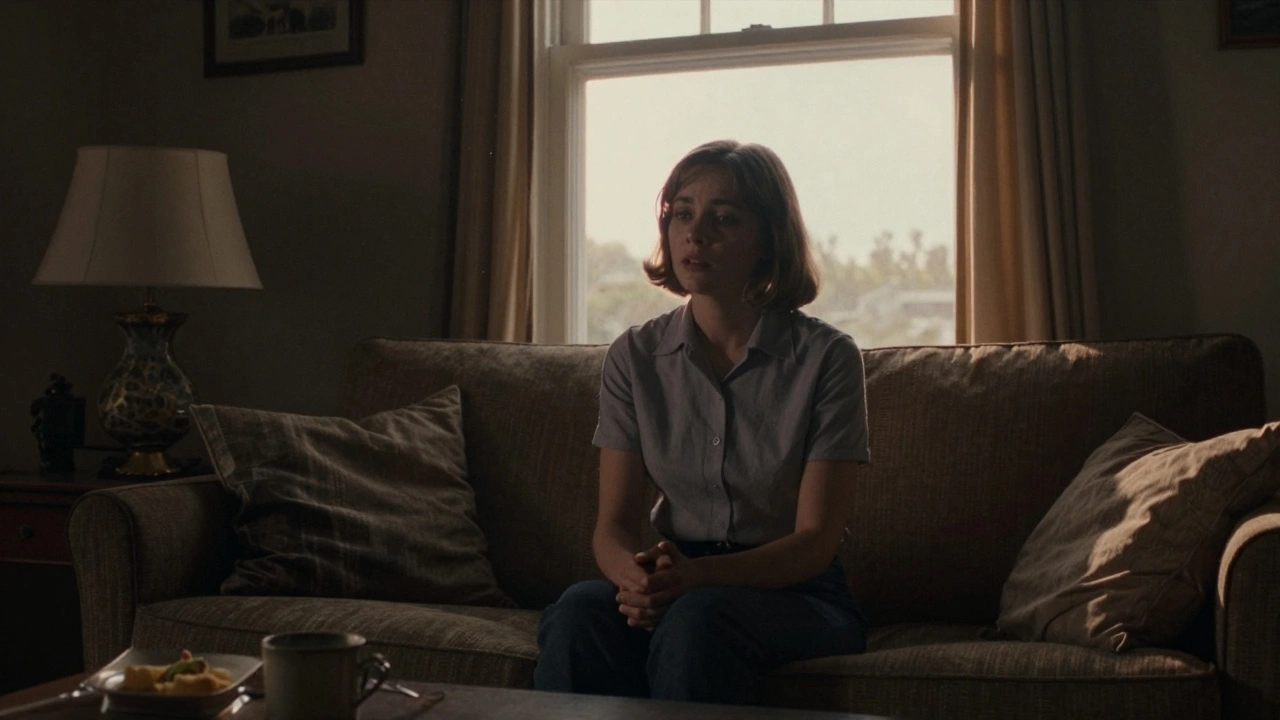
Verité documentary, often called cinema verité, is about catching life as it happens-no scripts, no reenactments, no staged moments. It’s raw, shaky, sometimes messy. Think of the 1960s films like Primary or Grey Gardens, where the camera just follows people through their daily routines, letting their words and actions speak for themselves. The goal isn’t to tell a polished story-it’s to reveal truth through observation.
There’s no narrator explaining what’s going on. No music swells to cue emotion. You hear background chatter, doors slamming, phones ringing. The filmmaker might be in the room, their presence acknowledged or ignored, but never erased. This style thrives on unpredictability. A subject might turn to the camera and say something shocking, or a moment of silence might carry more weight than any interview.
Verité works best when the subject is unaware they’re being watched-or when they’ve accepted the camera as part of their world. It’s not about controlling the narrative. It’s about trusting that truth emerges over time, through repetition, contradiction, and quiet moments.
What Is Structured Documentary Style?
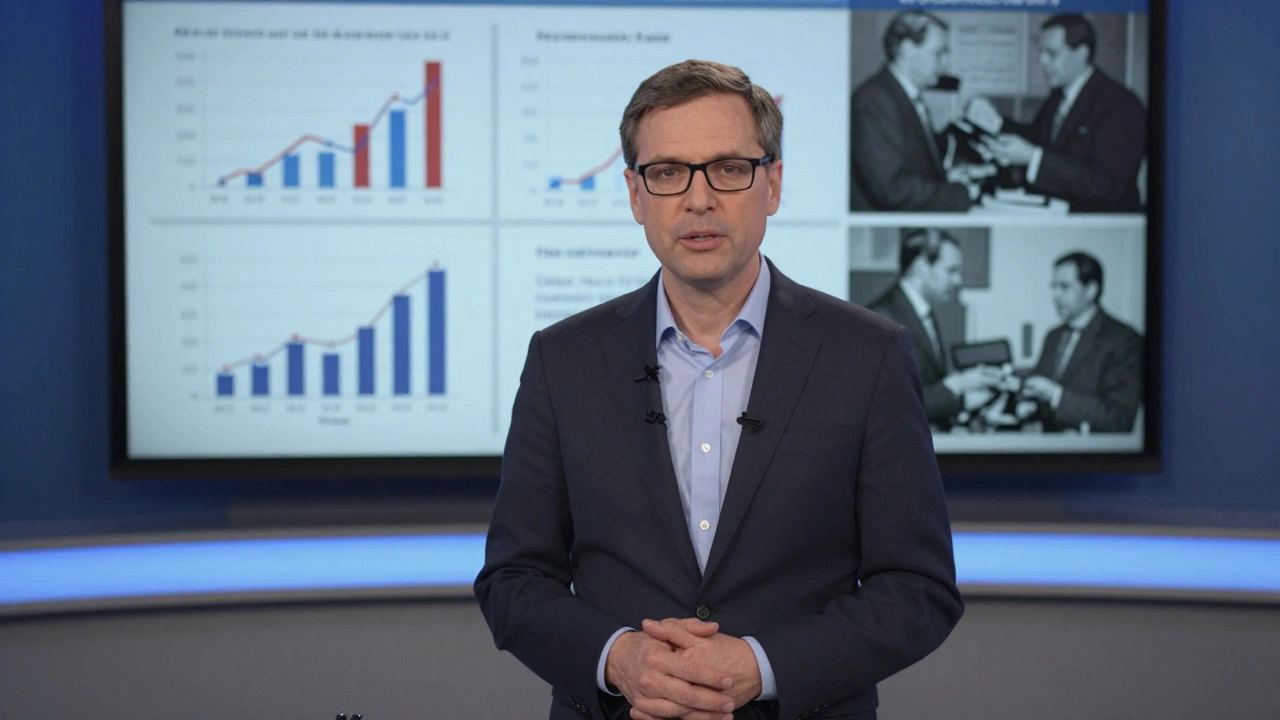
Structured documentaries are built like stories you’d find in a novel or a feature film. They have a clear beginning, middle, and end. There’s a thesis, rising tension, a climax, and often a resolution. Think of 13th by Ava DuVernay or Food, Inc. These films use interviews, archival footage, voiceover narration, and carefully selected music to guide viewers toward a specific understanding.
Every shot is chosen for its meaning. Every cut serves the argument. The filmmaker is not invisible-they’re the architect. They decide which facts to highlight, which voices to amplify, which silence to leave. Structured docs often rely on experts, data, timelines, and visual metaphors to make complex ideas digestible.
This style is powerful when you want to change minds, expose injustice, or explain systems. It doesn’t pretend to be neutral. It’s designed to persuade. If verité asks you to watch and decide for yourself, structured documentary tells you what to see-and why it matters.
When to Use Verité
Choose verité when your story lives in the small, unscripted moments. If you’re filming someone recovering from addiction, navigating grief, or rebuilding their life after losing everything, verité lets you show the weight of silence, the tremble in their hands, the way they avoid eye contact.
It’s ideal when:
- The subject is reluctant to talk on camera
- The emotion is too complex for words
- You’re documenting a process that unfolds slowly
- You want to preserve authenticity over clarity
Verité doesn’t need a big reveal. Sometimes the most powerful moment is when someone just stares out a window for 45 seconds. That’s not a flaw-it’s the point.
But here’s the catch: verité takes time. You might spend months just earning trust. You might film 200 hours to find 10 minutes of usable material. And even then, the story might not have a neat ending. That’s okay. Real life doesn’t wrap up with a bow.
When to Use Structured Documentary
Go with structured documentary when you have a clear message, a defined issue, or a need to educate. If you’re exposing corruption in a city council, tracing the history of redlining, or showing how a policy affects thousands, structure gives you the tools to make that case stick.
This style works best when:
- You have access to experts, documents, or data
- You want viewers to walk away with a clear takeaway
- There’s a timeline or sequence that needs explaining
- You’re targeting audiences who don’t already care about the topic
Structured docs can be emotionally gripping too-but they channel that emotion through design. A well-placed archival photo. A sudden cut to black. A voiceover that lands like a hammer. These aren’t accidents. They’re crafted.
But structure can also feel manipulative if overdone. If every interview is perfectly lit, every sound bite edited to fit a pre-written script, viewers might sense the artifice. That’s why the best structured docs still leave room for surprise. Even in a tightly controlled film, the most memorable moments are often the ones the filmmaker didn’t plan.
Hybrid Approaches: Blending Both Styles
Most modern documentaries don’t stick to one style. The line between verité and structured is blurry. Take The Fog of War-it uses interviews with Robert McNamara (structured), but also includes grainy home movies and archival footage that feel accidental (verité). Or Boyhood-a fictional film, but shot over 12 years with real-time progression, giving it the texture of a documentary.
Many filmmakers start with verité, then build structure around it. They film for months, then go back and shape the material into a narrative arc. Others begin with a thesis, then hunt for real-life moments that prove it. The key is knowing when to let go of control and when to tighten it.
One approach: shoot verité-style for the first three months. Let the story reveal itself. Then, if you find a clear through-line-a person, a conflict, a turning point-start structuring. Add interviews. Write narration. Build a timeline. But don’t force the truth to fit your structure. Let the structure serve the truth.
Common Mistakes to Avoid
Even experienced filmmakers mess this up.
With verité, the biggest mistake is thinking you’re being neutral. You’re not. Your choice of who to film, where to stand, when to press record-all of that shapes the story. If you only film the angry person and ignore the calm one, you’re making a choice. Acknowledge that.
With structured docs, the mistake is over-explaining. Don’t tell viewers what to feel. Show them the evidence, then trust them to feel it. If you use five talking heads saying the same thing, you’re not strengthening your argument-you’re weakening it.
Another trap: using music to manipulate emotion. A sad piano track over footage of a grieving mother isn’t powerful-it’s cheap. Let the silence speak. Let the mother’s breathing be the soundtrack.
And don’t confuse realism with realism. A shaky camera doesn’t make something true. A well-lit interview doesn’t make it false. Authenticity isn’t about technique. It’s about honesty.
How to Decide Which Style Fits Your Project
Ask yourself these questions:
- Do I know the story already, or am I still discovering it?
- Am I trying to convince people, or let them come to their own conclusions?
- Do I have access to experts and archives, or am I following someone’s daily life?
- Is the emotional core in what people say, or in what they don’t say?
- Do I have a tight deadline, or can I wait months for the right moment to happen?
If you answered mostly "discovering," "let them decide," "daily life," "what they don’t say," and "wait months"-go verité.
If you answered mostly "know the story," "convince," "experts and archives," "what they say," and "tight deadline"-go structured.
There’s no right answer. But there’s a right fit.
Real Examples That Got It Right
Verité: Hoop Dreams followed two Black teenagers in Chicago for five years as they chased basketball dreams. No narrator. No interviews until the end. Just life-fights with parents, injuries, missed scholarships, quiet pride. The film doesn’t tell you what to think about race, class, or opportunity. It just shows you what it costs to try.
Structured: Inside Job broke down the 2008 financial crisis using interviews with economists, bankers, and journalists. It used charts, graphs, and clear narration to explain how greed and deregulation led to collapse. It didn’t just show the crisis-it explained how it was built.
One film lets you feel the weight of a life. The other helps you understand the system that shaped it. Both are powerful. Both are necessary.
Final Thought: Truth Isn’t One Style
There’s no single way to capture truth. Verité shows you the texture of a life. Structured shows you the forces that shaped it. The best documentaries often do both.
Don’t choose a style because it’s trendy. Don’t pick one because it’s easier. Choose the one that serves the story you’re trying to tell-and be honest about what you’re leaving out.
Because in the end, documentary isn’t about technique. It’s about responsibility.



Comments(7)