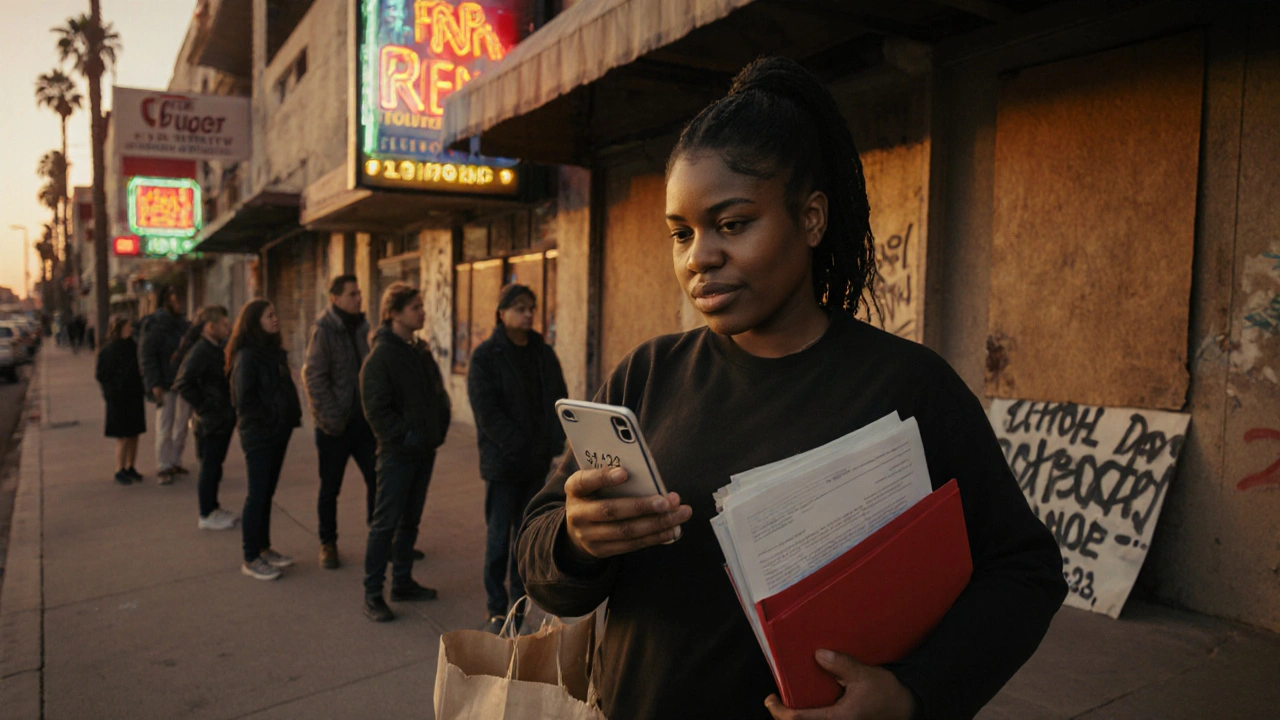
Think about the last movie that made you sit still after the credits rolled-not because it was shocking, but because it felt too real. That’s not an accident. Films don’t just entertain. They record the quiet tensions, the unspoken fears, and the loud protests of the time they’re made in. Right now, in 2025, cinema is doing more than telling stories. It’s documenting how we live, who we fight for, and what we’re afraid to say out loud.
What Movies Reveal About Our World Right Now
Look at the top-grossing films from the last two years. They aren’t just about superheroes or space adventures. They’re about housing crises in Los Angeles, about the emotional toll of gig work in Chicago, about young people losing faith in institutions after watching climate disasters unfold in real time. Movies like The Holdovers (2023) show loneliness in a system that doesn’t care. Anora (2024) turns a sex worker’s story into a raw look at class and survival. These aren’t niche indie films-they’re winning awards and drawing crowds because they speak to what people are feeling.
It’s not just about plot. It’s about tone. The camera lingers longer on empty grocery shelves. The background noise includes distant sirens or protest chants. Characters don’t monologue about justice-they stare at their bank apps, wondering how they’ll pay rent next month. These details aren’t decoration. They’re evidence. Filmmakers are using the language of cinema to show what news headlines leave out: the human weight behind statistics.
How Real Issues Become Movie Plots
Take the housing crisis. In 2020, only 1 in 4 renter households in the U.S. could afford a two-bedroom apartment without spending more than half their income. By 2024, that number had dropped to 1 in 5 in cities like Seattle and Portland. Movies like Buy Me a House (2023) don’t just mention rent hikes-they show a mother choosing between medicine and a security deposit. The protagonist isn’t a villain or a hero. She’s someone you’ve passed on the street.
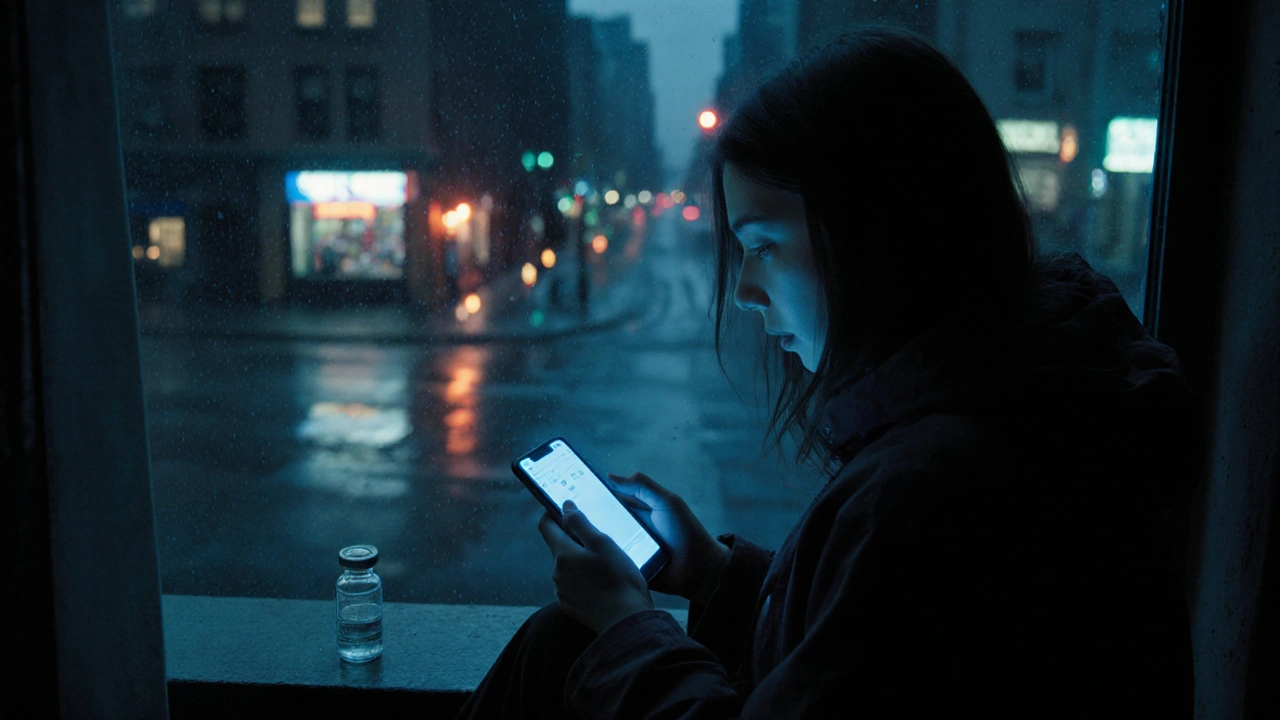
Same with mental health. In 2023, the CDC reported that 1 in 3 young adults in the U.S. experienced persistent feelings of sadness or hopelessness. Films like Still Here (2024) don’t show therapy sessions with uplifting music. They show someone scrolling through Instagram at 3 a.m., trying to convince themselves they’re fine. The silence in those scenes is louder than any speech.
These stories don’t come from fantasy. They come from interviews, documentaries, Reddit threads, and community meetings. Writers spend months living in neighborhoods, riding buses, talking to people who’ve been ignored. Then they turn those truths into scripts. The result? Movies that feel less like fiction and more like shared diaries.
The Power of Representation: Seeing Yourself on Screen
When a Black mother in The Color of Water (2024) argues with a school principal about her daughter being labeled “disruptive,” it’s not just a scene. It’s a replay of real data: Black girls are three times more likely to be suspended than white girls for the same behavior. When a trans teenager in Light Through the Cracks (2025) walks into a bathroom and is told to leave, viewers don’t just see drama-they see a law passed in 17 states in 2023.
Representation isn’t about checking boxes. It’s about visibility as survival. For marginalized groups, seeing their struggles reflected on screen can mean the difference between feeling invisible and feeling understood. A 2024 study by the University of Southern California found that viewers who saw authentic portrayals of LGBTQ+ characters in films were 42% more likely to support related policies afterward. That’s not coincidence. It’s cause and effect.
And it’s not just about identity. It’s about class. When a delivery driver in Zero Stars (2024) works 14 hours a day and still can’t afford insulin, the audience doesn’t just pity him. They recognize the system that made it possible. That recognition changes how people vote, how they talk to their neighbors, how they donate or protest.
What Filmmakers Are Doing Differently Now
Twenty years ago, social issue films often had clear villains: the greedy CEO, the corrupt cop, the evil politician. Today’s films don’t need those villains. The system itself is the antagonist. In Out of Order (2023), there’s no single person to blame for a child’s death in a failing foster care system. There’s just bureaucracy, underfunding, and silence.
Directors are using techniques to make the audience feel complicit. In Watched (2024), the camera follows a woman as she’s followed-by security guards, by apps, by algorithms. The viewer becomes part of the surveillance. No one speaks. No one needs to. The tension is in the silence.
Also, filmmakers are working differently. Many now collaborate with activists, social workers, and community organizers during production. The team behind Food Deserts (2025) didn’t just film in a neighborhood without grocery stores-they helped launch a mobile market after filming wrapped. The movie didn’t just raise awareness. It changed something.
Why This Matters More Than Ever
People are tired of being told to “just vote” or “just donate.” They want to feel connected to the problem. Movies give them that. They don’t offer solutions. They offer presence. They say: You’re not alone. This is happening. And it’s real.
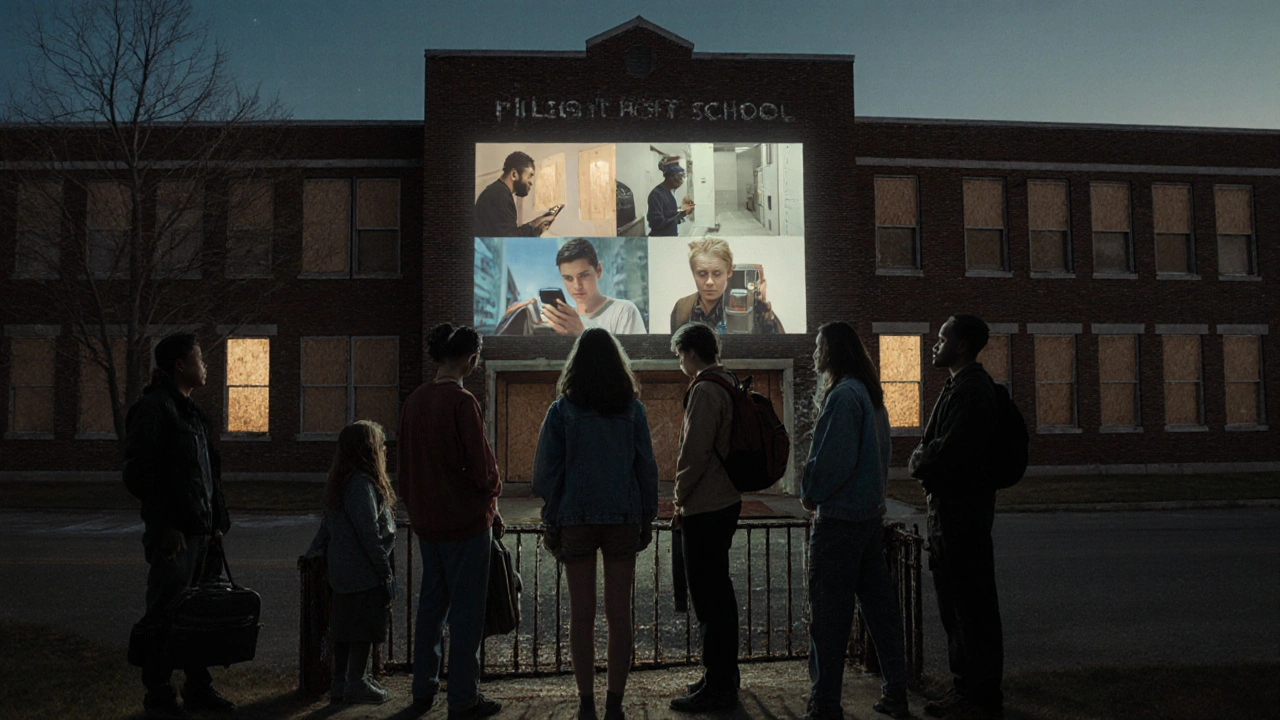
When a teenager in rural Ohio watches Empty Schools (2024)-a film about a town that shut down its only high school because of budget cuts-and sees their own school on screen, they don’t just see a movie. They see their future. And that changes things.
Cinema isn’t just reflecting society. It’s helping shape how we understand it. It’s giving language to feelings people can’t name. It’s turning abstract policy debates into human faces. And in a world full of noise, that kind of clarity is rare-and powerful.
What You Can Do With What You’ve Seen
Watching a film about social injustice isn’t enough. But it’s a start. Here’s what comes next:
- Find the real organization behind the story. Many films list community partners in the credits. Support them.
- Start a conversation. Don’t just say, “That movie was intense.” Ask: “Have you seen this happen where you live?”
- Check local policies. If a movie shows a broken foster care system, look up your state’s child welfare funding. Call your representative.
- Support independent filmmakers. Big studios make safe movies. The ones that challenge us come from small crews with big hearts.
- Don’t wait for the next movie. Document your own story. Record a video. Write a letter. Share what you know.
Change doesn’t start with a blockbuster. It starts with someone saying, “I saw that. And I can’t look away.”
Why do modern films focus so much on social issues?
Modern films focus on social issues because audiences are demanding stories that reflect their lived experiences. After years of escapism, people want to see their struggles-housing, mental health, inequality-acknowledged on screen. Filmmakers respond because these stories connect deeply, drive conversations, and often lead to real-world action. It’s not a trend. It’s a response to cultural urgency.
Are these films just political propaganda?
No. While some films have clear messages, the best ones don’t preach. They show. A film about a family evicted doesn’t say, “The government is bad.” It shows a child packing a backpack with toys because they’re leaving their home. The emotion comes from truth, not slogans. Audiences can tell the difference between manipulation and honesty.
Do these films actually change anything outside theaters?
Yes. Studies show that films like Spotlight and 13th led to policy changes, increased donations, and public pressure on institutions. In 2024, a group of viewers in Texas formed a nonprofit after watching Food Deserts-and opened a community fridge. The film didn’t solve hunger. But it sparked action. Real change often starts with someone saying, “I saw that. That’s my neighbor.”
Why are indie films better at showing social issues than big studio movies?
Big studios need to make money for shareholders. That means avoiding controversy, using familiar tropes, and sticking to safe narratives. Indie filmmakers work with smaller budgets, fewer constraints, and deeper connections to the communities they portray. They can afford to be messy, uncomfortable, and honest. That’s why the most powerful films on inequality, race, or mental health usually come from independent creators-not Hollywood.
Can documentaries count as films reflecting social issues?
Absolutely. Documentaries like 20 Days in Mariupol (2023) or They Shot the Piano Player (2024) are among the most direct forms of cinema as a mirror. They don’t fictionalize-they archive. They show real people, real systems, and real consequences. Many of the most impactful social films of the last five years are documentaries. They’re not “just films.” They’re evidence.
What Comes Next
The next wave of films will dig deeper into digital isolation, AI-driven labor, and the collapse of public trust. We’re already seeing scripts about people who’ve lost jobs to automation and can’t afford retraining. Others focus on teens raised by algorithms, not parents. The camera will keep rolling. The question is: Will we keep watching? Or will we finally start acting?


Comments(9)