Who Actually Watches Faith-Based Films?
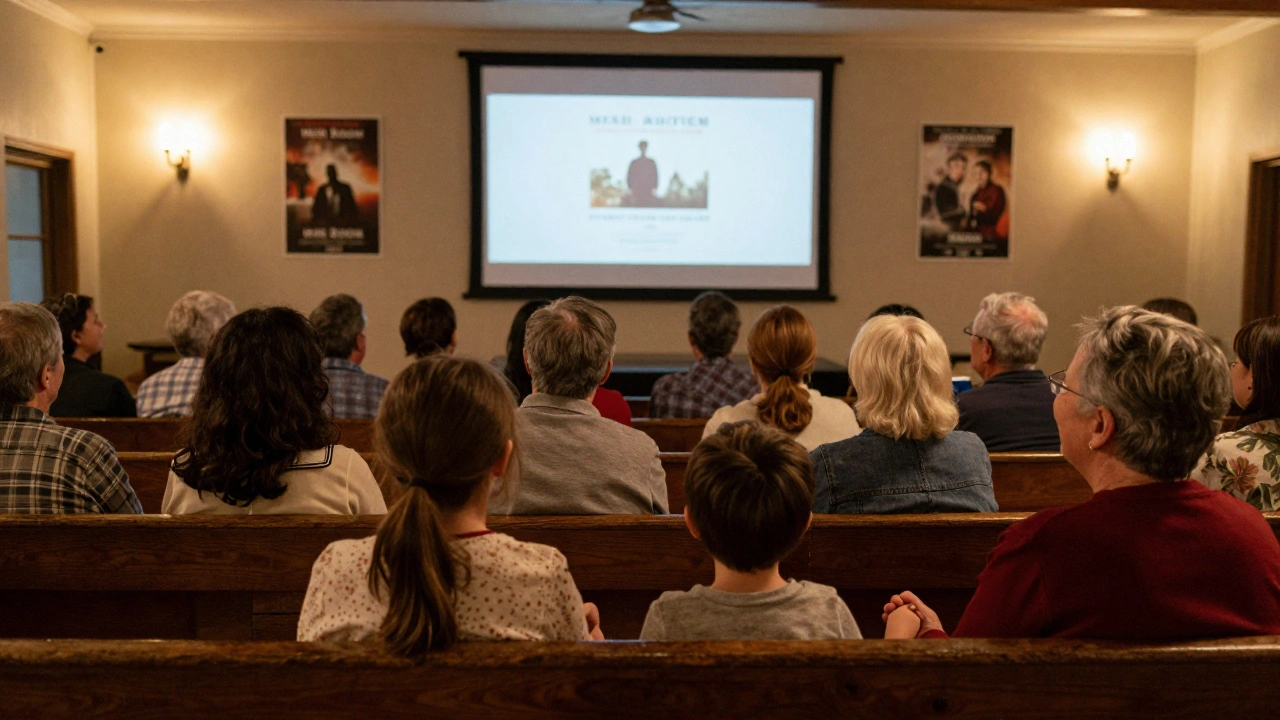
Forget what you see in mainstream media. Faith-based films aren’t niche oddities-they’re a consistent, growing audience force. In 2024, over 40 faith-driven movies made more than $1 million at the U.S. box office. That’s not a fluke. These films don’t rely on Hollywood marketing machines. They draw crowds through church networks, Christian bookstores, and word-of-mouth among families who want stories aligned with their values.
Think about it: a movie like War Room (2015) made $67 million on a $5 million budget. It didn’t open in 3,000 theaters. It opened in 700-and still outperformed major studio releases that week. Why? Because its audience wasn’t waiting for trailers on YouTube. They were told about it from the pulpit. Their churches organized group viewings. Parents brought their kids. Grandparents bought tickets for the whole family.
The core audience? Women over 35, especially those active in church communities. According to data from Box Office Mojo and the Christian Film & Television Commission, nearly 70% of viewers are female. About 60% are married. Around 45% live in rural or suburban areas. These aren’t people who binge Netflix. They show up for events. They buy tickets in advance. They bring friends. And they’re loyal-if a film feels authentic, they’ll return for the next one.
How Are These Films Funded?
Don’t expect Hollywood studios to bankroll these projects. Most faith-based films are funded through private investors, church groups, or crowdfunding. The budget range is usually between $1 million and $10 million. That’s a fraction of what a typical Marvel movie costs, but enough to make a polished, emotionally powerful film.
One common model? A group of 10 to 20 individuals-often business owners or retired executives from Christian backgrounds-pool their money. They might invest $50,000 to $250,000 each. In return, they get a share of profits, but more importantly, they get to support a story that reflects their beliefs. These investors aren’t looking for 10x returns. They’re happy with a 2x or 3x payout if the film reaches the right people.
Some films use crowdfunding platforms like Kickstarter or Seed&Spark. The Case for Christ raised $1.2 million from over 3,000 donors before production even started. That’s not just money-it’s pre-sold audience. When a film is funded this way, the creators know exactly who will show up on opening night.
There’s also a growing role for Christian media companies like Pure Flix, which has its own distribution network and investor base. Pure Flix doesn’t just distribute films-they help produce them, handle marketing through church partnerships, and even schedule screenings in theaters on weekdays when regular audiences are thin.

Box Office Numbers: Bigger Than You Think
Let’s clear up a myth: faith-based films don’t make millions because they’re cheap. They make millions because they’re targeted. Their profit margins are insane.
Take God’s Not Dead (2014). Budget: $2 million. Box office: $60.8 million. That’s a 3,000% return. Mom’s Night Out (2014) made $22 million on a $1.5 million budget. Ben-Hur (2016) flopped at $100 million budget, but that was a studio misfire-not the genre’s fault. The real winners are the low-budget, high-intention films.
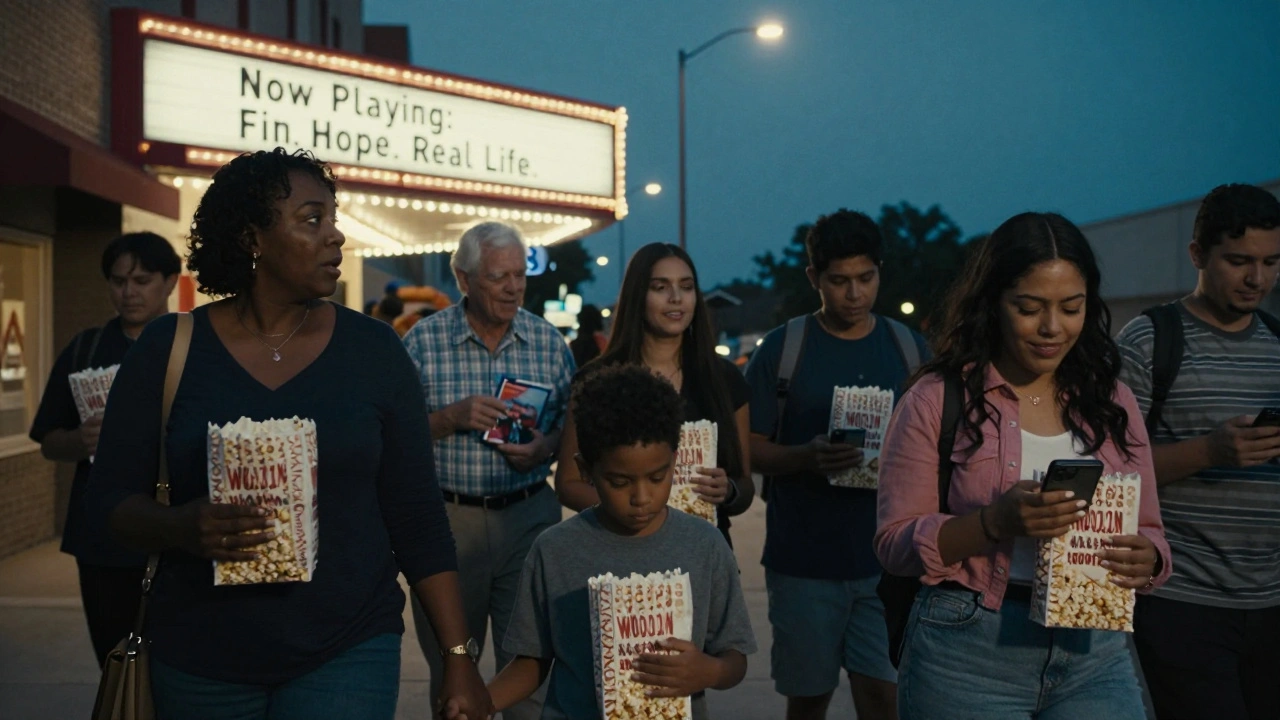
Why do they perform so well? Because they don’t compete with action blockbusters. They compete with church events, Bible studies, and family movie nights. They open on Friday nights after services. They run for six weeks instead of two. They play in smaller towns where multiplexes rarely show anything but superhero flicks.
And here’s the kicker: many of these films make more money from DVD sales, streaming rights, and church licensing than from theaters. A single church buying 100 copies of Woodlawn (2015) for a youth group event adds up fast. Streaming platforms like Pure Flix, Angel Studios, and even Amazon Prime’s Christian section have become major revenue streams.
What Makes a Faith-Based Film Work?
It’s not just about scripture quotes or prayer scenes. The best faith-based films feel real. They don’t preach. They tell human stories where faith is part of the journey, not the punchline.
Woodlawn tells the true story of a racially divided high school football team in 1970s Alabama. The coach, played by Sean Astin, doesn’t give a sermon. He leads by example. The players’ faith grows naturally through struggle, loss, and reconciliation. That’s why it resonated with both Christian and secular audiences.
Same with Breakthrough (2019). It’s about a boy who survives a drowning accident after his mother prays. The film doesn’t show miracles on screen. It shows a mother’s grief, a hospital’s skepticism, and a community’s hope. The faith is in the silence between lines, not the monologues.
The biggest mistake? Making characters one-dimensional. A pastor who’s always right. A teenager who instantly changes after hearing a verse. Audiences smell that. They’ve lived it. They want messy, real people who wrestle with doubt, fear, and grace.
Challenges and Criticisms
It’s not all smooth sailing. Critics call these films “preachy” or “low quality.” And yes, some are. But that’s not the genre’s fault-it’s the result of rushed productions and inexperienced filmmakers trying to cash in on the trend.
Another issue? The lack of diversity. Most faith-based films center on white, Protestant, middle-class experiences. There are very few films representing Hispanic Catholic families, Black Pentecostal communities, or Orthodox Christian narratives. That’s changing slowly. Films like The Gospel of John (2021) and One Night with the King (2022) are pushing boundaries, but the industry still has a long way to go.
There’s also tension within the Christian community. Some believe these films should be evangelistic tools. Others say they should just be good stories that happen to reflect faith. The best films walk that line-offering hope without forcing conversion.
The Future of Faith-Based Cinema
The genre isn’t going away. In fact, it’s getting smarter.
More filmmakers are coming from film schools, not just church ministries. They’re learning storytelling, cinematography, and pacing. Angel Studios’ The Chosen (a TV series, but same audience) raised over $100 million from fans-proving people will pay directly for content they believe in.
Streaming is the next frontier. Platforms like Pure Flix and Angel are investing in original content with higher production values. Some are even partnering with traditional distributors to get films into wider theaters during holiday seasons.
And audiences? They’re demanding better. They’re not satisfied with cheap production or clichés anymore. They want depth. They want emotion. They want stories that make them feel seen.
The next big breakthrough won’t come from a church fundraiser. It’ll come from a director who understands both the craft of filmmaking and the soul of the audience.






Comments(9)