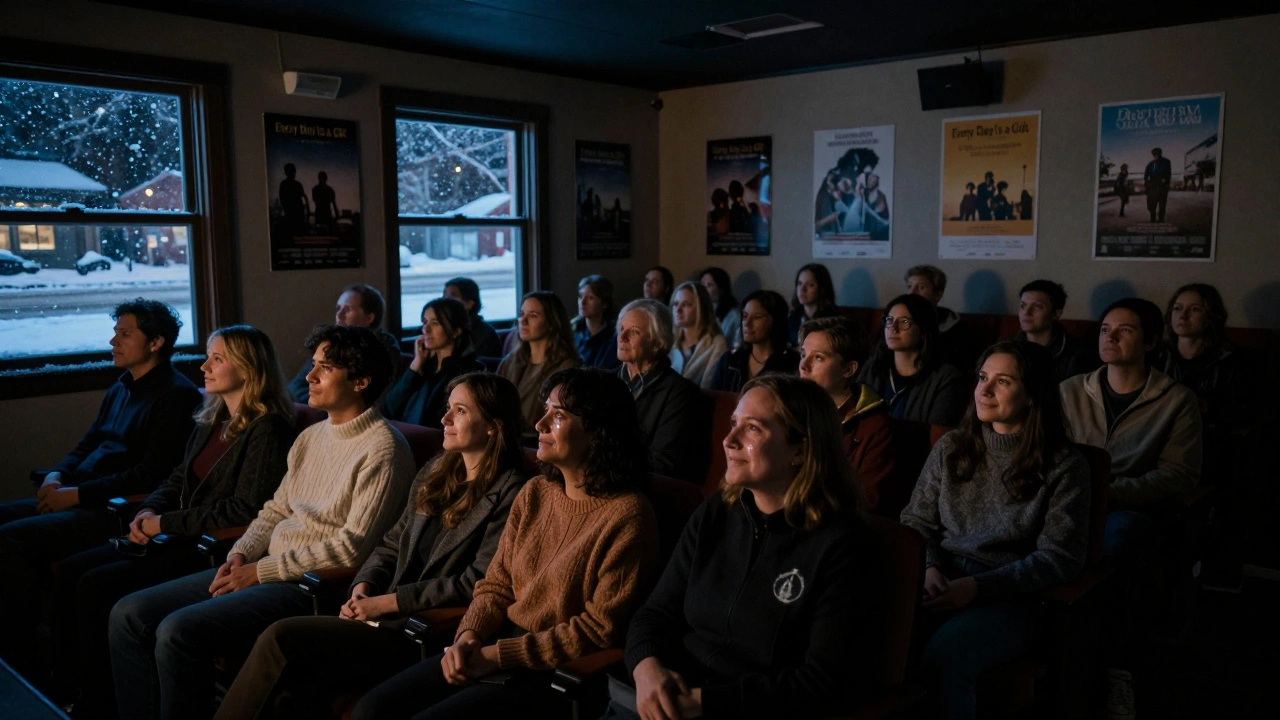
January isn't just the month after Christmas-it's where small films fight for space
Most people think January is a movie graveyard. Studios dump their leftovers, theaters go quiet, and audiences stay home. But that’s not the whole story. Every January, dozens of independent films quietly open in theaters across the U.S.-not in IMAX multiplexes, but in single-screen cinemas, art house theaters, and community screens. These aren’t big-budget blockbusters. They’re quiet dramas, quirky comedies, and documentary portraits that don’t need millions to move people. And somehow, they find their way onto screens when no one’s watching.
Why January? It’s not an accident
Big studios avoid January because they’re still recovering from holiday spending. Marketing budgets are drained, and audiences are tired of ads. But for indie filmmakers, that’s the sweet spot. With fewer competitors, even a modest opening can look like a win. A film that opens in 50 theaters and makes $150,000 in its first weekend? That’s a success. For a studio film, it’s a flop. For an indie, it’s enough to keep the lights on.
Platforms like A24, Neon, and Magnolia Pictures have built entire release calendars around January. They know theaters are hungry for content. Theaters, in turn, are happy to book something that doesn’t cost them a fortune in prints or digital licensing fees. A small film might cost $500 to rent a screen for a week. A Marvel movie? Ten thousand dollars just for the digital key.
How do these films even get theater slots?
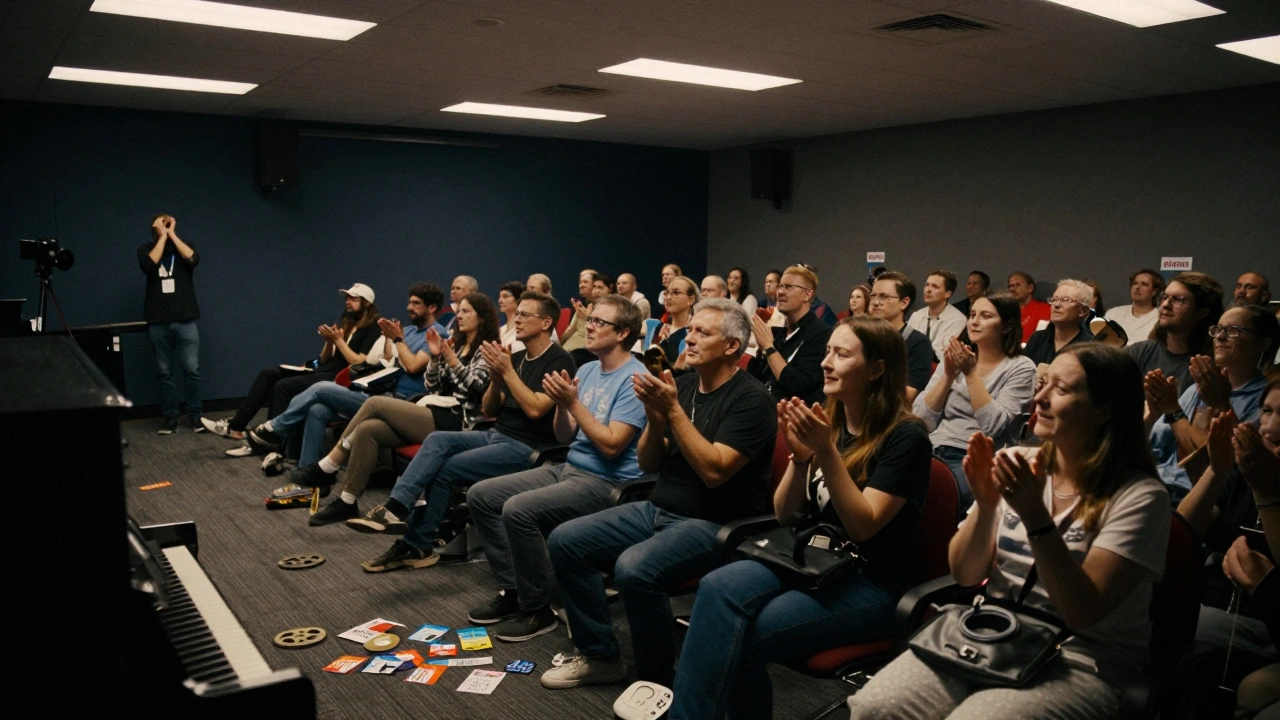
It starts with film festivals. Sundance, SXSW, Tribeca-these aren’t just parties. They’re audition rooms. A film that gets a standing ovation at Sundance in January doesn’t just get buzz. It gets distributors knocking. By mid-February, those same films are already booked into 10 to 20 theaters across the country. Theaters don’t wait for trailers or press junkets. They watch the festival reactions. If an indie film sells out three screenings at Sundance, a theater owner in Portland or Atlanta will book it without even seeing it.
It’s not about star power. It’s about emotion. A documentary about a retired piano tuner in rural Kentucky? If it makes audiences cry in Park City, it’ll make them cry in Des Moines too. Theater owners don’t need to understand the math. They just need to know it moved someone.
Real numbers, real impact
In 2025, the top-grossing indie film in January was Every Day Is a Gift, a quiet drama about a woman reconnecting with her estranged father after his Alzheimer’s diagnosis. It opened in 47 theaters. Its budget? $1.2 million. It made $3.1 million in its first month. That’s a 258% return. Not bad for a film that didn’t have a single celebrity in the cast.
Compare that to Superhero X-5, a studio tentpole that opened in 4,200 theaters the same weekend. It made $18 million. Sounds huge, right? But after marketing, distribution, and theater splits, the studio barely broke even. Meanwhile, Every Day Is a Gift was already in profit by Day 10.
Independent films don’t need to top the box office. They just need to outlast the noise.
Theater owners are the unsung heroes
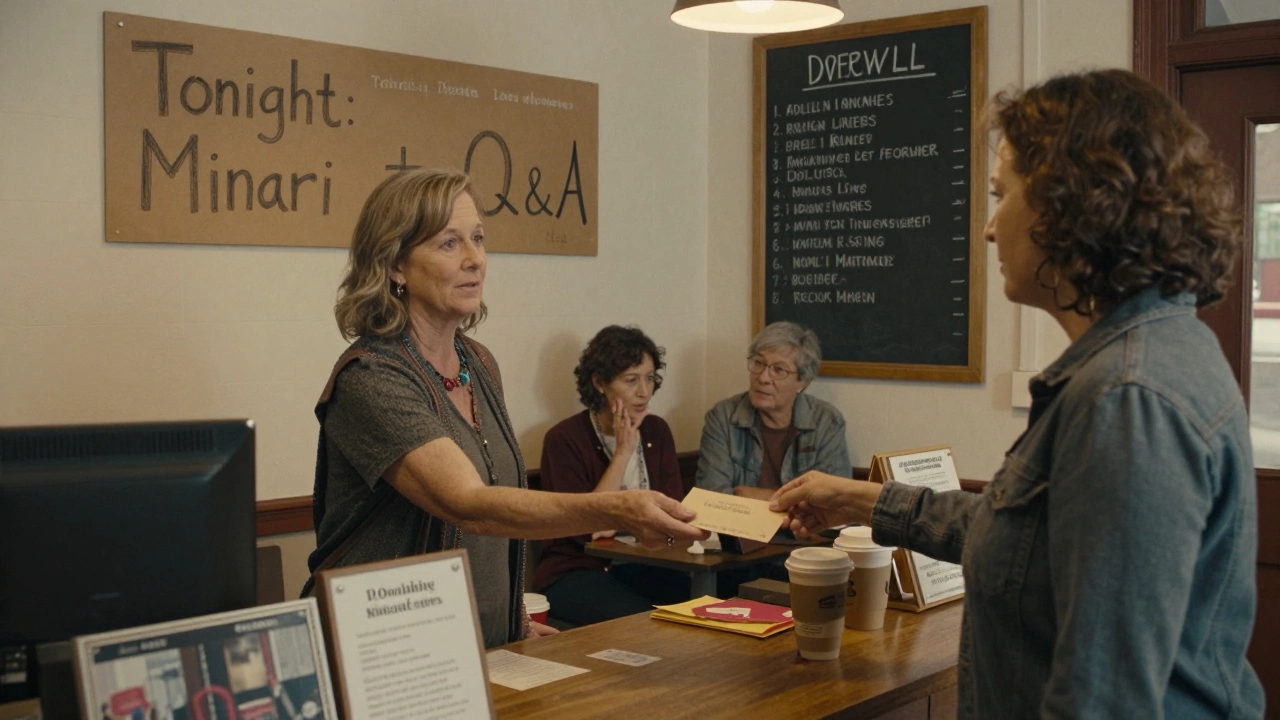
Most people don’t realize that running a small theater isn’t just about showing movies. It’s about community. In Asheville, the Carolina Theatre books three indie films every January. Owner Maria Lopez doesn’t track ticket sales like a corporate chain. She tracks conversations. “If someone comes in and says, ‘I haven’t felt this way about a movie since I was in college,’ that’s my KPI,” she told me last year.
These theaters often run double features. A documentary at 7 p.m., followed by a foreign-language film at 9:30. They don’t need to fill 300 seats. They just need 40 people who care. And those 40 people? They’ll come back next week. They’ll tell their friends. They’ll donate to the film’s crowdfunding campaign. That’s the real box office.
Streaming didn’t kill indie cinema-it changed where it lives
People think streaming killed theaters. But for indie films, streaming is just another step. Most of these films get picked up by Netflix or Hulu after their theatrical run. But the theatrical window? That’s sacred. Why? Because a movie seen on a phone feels different than one seen in a dark room with strangers. The silence after the credits. The shared sigh. That’s what keeps these films alive.
Look at Minari. It made $11 million in theaters before going to streaming. That theatrical run gave it Oscar buzz. Without it, it might’ve vanished into the algorithm. Theaters aren’t dying. They’re becoming filters. They separate the noise from the meaning.
What makes a January indie film work?
- Authenticity over spectacle - Audiences can smell a manufactured story. These films feel lived-in.
- Strong emotional hooks - Grief, love, regret, hope. Simple, universal.
- Short runtime - Most are under 90 minutes. People don’t need to commit to three hours.
- Local relevance - A film about a diner in Ohio? Book it in Ohio. Theaters know their neighborhoods.
- Word-of-mouth momentum - No need for billboards. One good review in a local paper can drive a whole weekend.
Who’s watching these films?
It’s not Gen Z scrolling on TikTok. It’s not the 18-to-24 crowd chasing the next superhero. It’s people over 35. People who remember going to the movies as an event. People who read books. People who go to poetry readings. They’re not looking for escape. They’re looking for connection.
In 2025, 68% of indie film ticket buyers were over 35. 42% were women. 29% had never bought a streaming subscription. They’re not rejecting technology. They’re choosing something slower, quieter, and more human.
What’s next for January indie films?
More films. More theaters. More collaboration. Some chains like Alamo Drafthouse now reserve one screen per location for indie releases in January. Some cities are creating “Indie January” festivals, where 10 theaters across town show the same 5 films, each with Q&As and themed snacks. It’s not about beating Hollywood. It’s about building something that lasts.
The box office isn’t just about dollars. It’s about attention. And in January, when the world is quiet, those small films finally get heard.
Why do indie films open in January instead of during the holidays?
Big studios use the holidays to release their biggest movies and spend their biggest budgets. January is empty. That’s the advantage for indie films-they don’t need to compete with blockbusters. They can book theaters at lower rates, get more screen time, and attract audiences who are looking for something different after the holiday rush.
Can a small film make money in theaters today?
Absolutely. A film with a $1 million budget that makes $2 million in theaters is a financial win. Indie distributors don’t need billion-dollar openings. They just need to cover costs and turn a profit. Many January releases break even in the first week. Profit comes from repeat viewings, streaming rights, and international sales-not opening weekend numbers.
Do indie films still need theaters if they’re on streaming?
Yes. Theaters give indie films credibility. A film that plays in theaters gets noticed by critics, award bodies, and distributors. Streaming algorithms ignore films that never had a theatrical run. A theater release isn’t about box office-it’s about validation. It’s how a quiet film becomes a talked-about film.
How do theater owners decide which indie films to show?
They look at festival reactions. If a film sells out at Sundance or gets a standing ovation at SXSW, theaters take notice. They also look at the film’s subject matter-does it connect with their local audience? A film about Appalachian life might not open in LA, but it’ll thrive in Knoxville. It’s not about scale. It’s about resonance.
Are indie films getting more theater space in January now than before?
Yes. Since 2020, the number of independent films opening in January has grown by 37%. More theaters are reserving screens for them. Chains like Alamo Drafthouse and Landmark Theatres now have dedicated January indie slots. Even some multiplexes now run one screen for indie films during the slow season. The demand is there-and theaters are responding.



Comments(6)