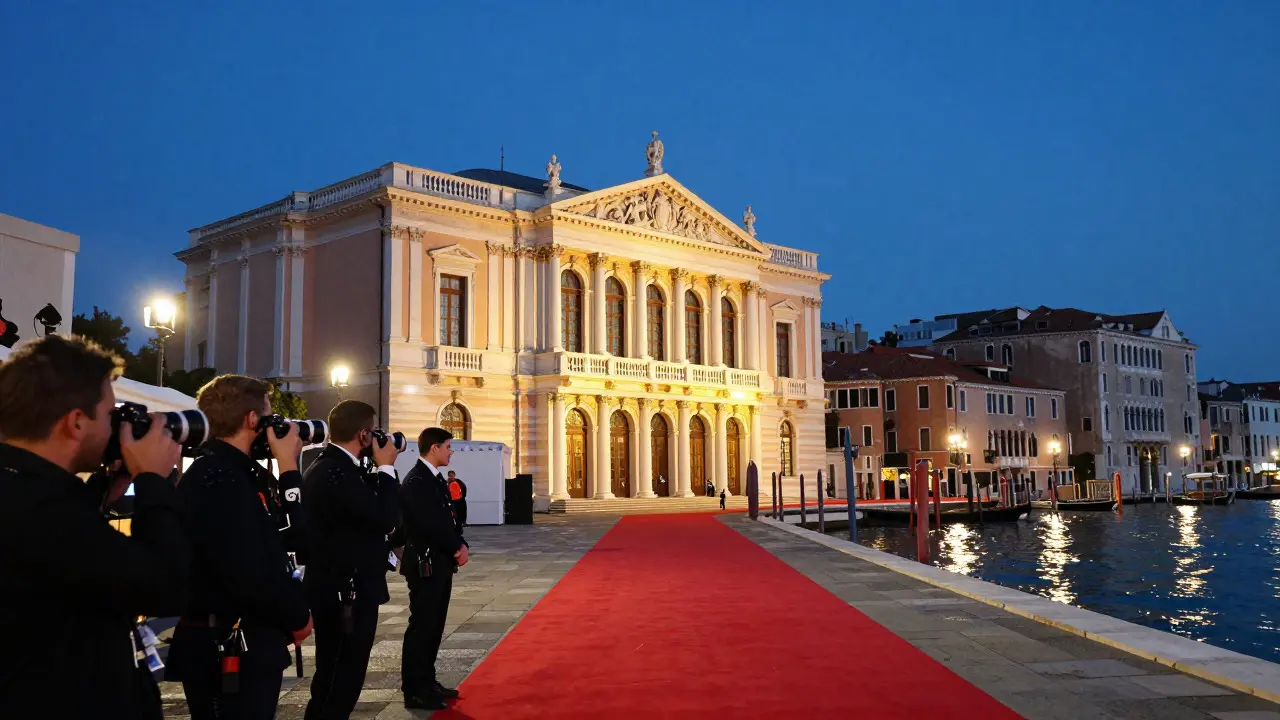
Every September, the Lido island in Venice transforms into the most exclusive red carpet on earth. But if you think the Venice Film Festival is just about glamour and celebrity sightings, you’re missing the real story. This event isn’t merely a movie premiere; it is the strategic opening bell for the entire global awards season. For studios, distributors, and filmmakers, landing a slot at Venice isn’t just a win-it’s a declaration of intent to compete for the biggest trophies in Hollywood.
The Strategic Importance of Venice in the Calendar
To understand why Venice matters, you have to look at the broader landscape of international film festivals. The "Big Three"-Venice, Cannes, and Toronto (TIFF)-dominate the fall calendar. While Cannes is often seen as the artistic pinnacle, Venice has carved out a distinct niche: it is the bridge between European prestige and American commercial power. Historically, films that debut here are rarely small indie projects looking for a niche audience. They are major studio releases or high-profile independent productions with serious Oscar ambitions.
The timing is crucial. By debuting in late August or early September, these films secure prime media coverage before the holiday release window. This allows marketing teams to build momentum while the buzz is still fresh. If a film performs well at Venice, it can command higher advance bookings in domestic markets weeks later. Conversely, a lackluster reception can be a signal to adjust marketing strategies before wide release. In this sense, Venice acts as a massive focus group for the global film market.
Understanding the Competition: The Golden Lion
At the heart of the festival is the Golden Lion, the top prize awarded to the best film in competition. Winning the Golden Lion doesn’t just bring fame; it brings financial leverage. Films that take home this award often see their box office performance boost significantly in international territories. However, the competition isn’t limited to the main lineup. There are parallel sections like the Orizzonti (Horizons) section, which showcases emerging talent and innovative storytelling. These sections are where you often find the next big directors who will dominate the conversation a few years down the line.
It’s also worth noting that the jury composition changes every year, bringing different perspectives to the selection process. This variability means that what wins one year might not align with the trends of the next, keeping the industry guessing and engaged. For producers, understanding the current jury’s preferences can be a subtle but effective way to position their film’s narrative.
How Studios Use Venice for Market Strategy
Beyond the awards, Venice is a marketplace. The Venice International Film Market runs concurrently with the festival, attracting buyers from around the world. This is where the rubber meets the road for distribution rights. A strong screening at the festival can turn a hesitant buyer into an eager partner. Industry insiders often say that the deals made in the hotel lobbies and bars of the Lido are just as important as those signed in conference rooms.
For American studios, Venice serves as a testing ground for their biggest tentpoles. You’ll often see Marvel movies, major sequels, or star-driven dramas making their world premieres here. Why? Because the press corps is intense, and the social media reach is unparalleled. A positive review from a key critic at Venice can shape the critical consensus that follows the film throughout its theatrical run. It sets the tone for how the rest of the industry-and eventually the public-will perceive the movie.

What to Expect From the 2026 Lineup
As we approach the 2026 edition, anticipation is building. The festival typically announces its lineup in July, giving fans and professionals months to speculate. Based on recent trends, expect a mix of established auteurs and rising stars. Directors like Christopher Nolan, Denis Villeneuve, and Greta Gerwig have all utilized Venice as a launchpad in recent years, setting a precedent that other A-listers are likely to follow. The 2026 schedule will likely feature a robust slate of films that blend high-concept storytelling with emotional depth, aiming to capture both critical acclaim and audience engagement.
Fans should keep an eye on the non-competition sections too. These often house experimental works or documentaries that offer a counterpoint to the polished studio fare. They provide a more intimate look at the diverse voices shaping contemporary cinema. Whether you’re a hardcore cinephile or a casual viewer, the variety ensures there’s something compelling to watch.
Practical Tips for Attending or Following Along
If you’re planning to attend Venice, know that tickets are notoriously hard to get. The festival sells out quickly, so registration opens months in advance and requires a professional accreditation or lucky ticket sales. For those following remotely, digital streaming platforms increasingly offer select screenings, though the live experience remains unmatched. Pay attention to the daily schedules released online, as they detail which films are screening where and when. Arriving early is essential, especially for popular titles, as queues can form hours before showtime.
For industry professionals, networking is key. The official app helps track events and connect with peers, but face-to-face interactions remain irreplaceable. Bring business cards, be ready to pitch, and don’t underestimate the power of a good conversation over dinner. The festival is as much about relationships as it is about the films themselves.
| Festival | Primary Focus | Timing | Key Award |
|---|---|---|---|
| Venice Film Festival | Prestige & Global Distribution | Late August - Early September | Golden Lion |
| Cannes Film Festival | Artistic Excellence & European Market | May | Palme d’Or |
| Toronto International Film Festival (TIFF) | Audience Engagement & North American Release | September | People’s Choice Award |

The Road to the Oscars Starts Here
Let’s be clear: winning at Venice doesn’t guarantee an Oscar, but it puts you in the conversation. Many Best Picture winners have had their first major showcase at Venice. The film gains critical validation, builds a narrative arc for its campaign, and secures the kind of prestige that makes voters take notice. It’s the first domino in a long chain of promotional efforts that lead up to March. Without that initial spark, a film might struggle to gain traction in a crowded field.
Moreover, the presence of major celebrities at Venice amplifies this effect. When a star attends, it draws global attention, creating a halo effect around the film. This visibility translates into better reviews, higher ticket sales, and stronger negotiating power for future projects. It’s a cycle that benefits everyone involved, from the director to the distributor to the local vendors selling souvenirs on the Lido.
Why Prestige Still Matters in the Streaming Era
With streaming services dominating content consumption, some might argue that traditional festivals are losing relevance. But Venice proves otherwise. Streamers now invest heavily in festival premieres to lend legitimacy to their original content. Netflix, Apple TV+, and Amazon Prime Video regularly send their highest-profile titles to Venice to ensure they are seen as cinematic events rather than just another download. This shift underscores the enduring value of the festival model in validating quality in an age of infinite choice.
In essence, the Venice Film Festival is more than a celebration of cinema; it’s a strategic hub where art, commerce, and ambition intersect. Whether you’re watching from home or standing on the red carpet, understanding this dynamic adds a layer of appreciation to every screening. It reminds us that behind the glitz, there’s a complex machinery at work, shaping the stories we’ll talk about for months to come.
When does the Venice Film Festival usually take place?
The festival typically runs for about two weeks in late August and early September. The exact dates vary each year, but the opening ceremony is almost always held in the last week of August.
Is the Venice Film Festival open to the general public?
Yes, but access can be difficult. While some screenings are available to the public via lottery or direct sale, many events require professional accreditation. General admission tickets sell out quickly, so planning ahead is essential.
What is the difference between the Golden Lion and the Palme d’Or?
Both are top prizes for their respective festivals. The Golden Lion is awarded at the Venice Film Festival, while the Palme d’Or is given at the Cannes Film Festival. Both carry significant prestige, but Cannes is often viewed as slightly more prestigious in certain circles due to its longer history and strict artistic focus.
Do streaming originals participate in the Venice Film Festival?
Yes, increasingly so. Major streaming platforms like Netflix and Apple TV+ frequently premiere their flagship titles at Venice to gain critical recognition and cultural cachet, blurring the lines between theatrical and streaming releases.
How does performing well at Venice impact a film’s box office?
A strong reception at Venice can boost international box office numbers by generating positive press and critical buzz. It signals quality to audiences and distributors alike, potentially leading to wider releases and higher advance bookings.