
Picture this: you’re settling in for a gritty, realistic war drama. The director promised raw emotion and unvarnished truth. Then the opening credits roll, and suddenly, you see a pop star known for bubblegum hits playing the role of a hardened sergeant. Your brain short-circuits. You can’t take it seriously anymore. This is the power-and the peril-of stunt casting.
In Hollywood, casting isn’t just about finding the best actor for the part. It’s often a high-stakes gamble between artistic integrity and bankability. Stunt casting happens when a studio attaches a famous name to a project primarily to secure financing, boost marketing, or guarantee ticket sales, even if that actor doesn’t fit the role traditionally. On the flip side, authentic casting prioritizes suitability, chemistry, and realism over fame.
The tension between these two approaches defines modern filmmaking. Get it right, and you have a blockbuster that feels genuine. Get it wrong, and you end up with a movie that critics tear apart and audiences forget by Tuesday. Let’s look at why studios do it, when it works, and when it completely backfires.
The Business Logic Behind Stunt Casting
To understand stunt casting, you first have to understand the fear driving it. Filmmaking is incredibly expensive. A mid-budget indie drama might cost $10 million, but a studio tentpole can easily exceed $150 million. Investors want insurance against total loss. A famous face acts as that insurance policy.
Banksable Stars are actors whose names alone can move tickets. Think of figures like Leonardo DiCaprio, Meryl Streep, or Dwayne Johnson. Their presence signals quality to distributors and gives marketers a hook. If a script is solid but lacks a "star," producers might rewrite roles to accommodate someone recognizable. This isn’t always malicious; sometimes, it’s the only way to get the check cleared.
The logic follows a simple equation: Recognition equals Revenue. Marketing departments love this because they don’t have to explain who the lead is. They just put the face on the poster. However, this strategy assumes that audience loyalty transfers seamlessly from one genre to another. It often doesn’t.
- Financing Security: Banks and investors require attached talent to release funds.
- International Sales: Global markets often rely on Western stars to sell foreign rights.
- Award Season Buzz: Famous actors bring press coverage, which helps with Oscar campaigns.
Yet, this business-first approach ignores a critical variable: audience suspension of disbelief. If the cast feels forced, the story suffers.
When Stunt Casting Actually Works
It’s easy to mock stunt casting, but history shows it can succeed brilliantly when executed with care. The key factor? The actor must commit fully to shedding their public persona. When a star disappears into a role so completely that you forget who they are, the stunt becomes invisible.
Consider Jodie Foster in Silence of the Lambs. She was already a respected actress, but attaching her to such a dark, psychological thriller was a risk. Her performance didn’t feel like a celebrity cameo; it felt essential. Similarly, Tom Hanks in Philadelphia carried the weight of HIV stigma during the AIDS crisis. His fame helped bring attention to an issue many wanted to ignore, but his authenticity made the message land.
Another prime example is Emma Stone in La La Land. While she had a career built on quirky comedies, her casting in a musical romance wasn’t seen as a mismatch because her charm translated perfectly to the screen. The "stunt" here was betting on a rising star rather than an established musical legend, and it paid off massively.
Success usually hinges on three things:
- Chemistry: The star must click with the supporting cast.
- Physical Transformation: Weight loss, accents, or prosthetics help break the celebrity image.
- Director’s Vision: The filmmaker must prioritize the story over the star’s ego.
When these align, stunt casting elevates a film from good to legendary. The audience forgives the initial disconnect because the performance earns its keep.
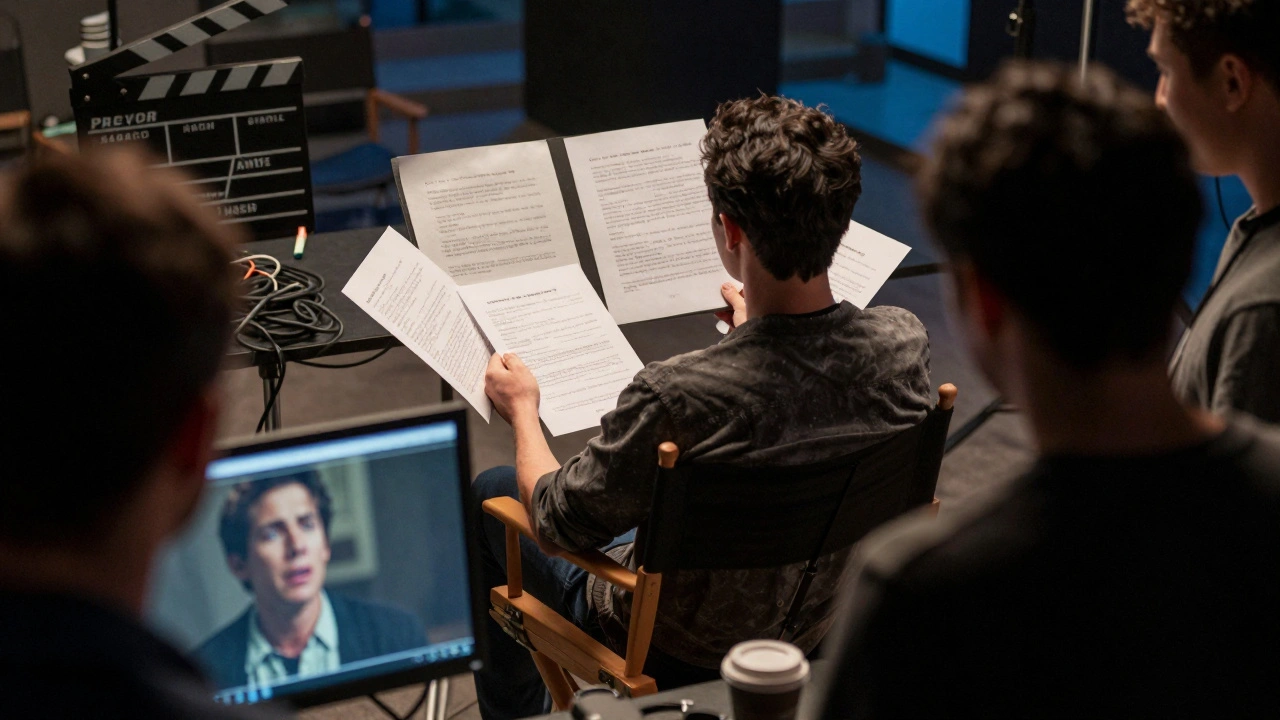
When Familiar Faces Hurt Credibility
Now, let’s talk about the disasters. These are the movies where the casting decision screams louder than the dialogue. You know the ones. You’re watching a serious period piece, and you spot a comedian known for slapstick humor delivering a monologue about grief. It doesn’t matter how hard they try; your brain keeps reminding you of their sitcom laugh track.
A classic case of misfire is Keanu Reeves in The Lake House. While not a total failure, the romantic pairing with Sandra Bullock felt manufactured more than magical. The lack of organic chemistry turned what could have been a timeless romance into a forgettable TV-movie experience. Critics pointed out that the casting seemed designed to pair two box-office giants rather than serve the narrative.
More recently, some superhero films have faced backlash for recasting beloved characters with A-listers who lacked the physicality or fan connection of their predecessors. Audiences voted with their wallets, leading to disappointing openings. The problem isn’t fame itself; it’s the perception of laziness. When a studio picks a star because they’re convenient rather than appropriate, viewers sense the cynicism.
| Factor | Successful Example | Failed Example |
|---|---|---|
| Actor Commitment | High (e.g., Daniel Day-Lewis) | Low (Perfunctory effort) |
| Role Fit | Enhances character depth | Clashes with public persona |
| Audience Reaction | Suspension of disbelief maintained | Distracted by celebrity status |
| Critical Reception | Praised for versatility | Criticized for miscasting |
The damage goes beyond bad reviews. It erodes trust. If audiences feel manipulated by casting choices, they become skeptical of future projects from the same studio. Authenticity builds loyalty; gimmicks build resentment.
The Rise of Authentic Casting
Luckily, there’s a growing counter-movement. Streaming platforms and independent studios are increasingly prioritizing authenticity over star power. Why? Because niche audiences crave realism. A documentary-style drama feels more impactful when played by unknowns who embody the real-life subjects.
Take Parasite, directed by Bong Joon-ho. None of the main cast were global superstars. Yet, their performances were so grounded and specific that the film swept the Oscars. The casting felt inevitable, not calculated. Each actor brought a texture to their role that a famous face might have polished away.
Similarly, Everything Everywhere All At Once mixed familiar faces like Michelle Yeoh with relative newcomers like Ke Huy Quan. The balance worked because the casting served the multiverse chaos. It didn’t feel like a stunt; it felt like a celebration of diverse talent. The result? Cultural phenomenon status.
This shift reflects a change in viewer psychology. Modern audiences, especially younger demographics, value representation and realism. They want to see people who look and sound like them, not just polished celebrities. Authentic casting allows for greater diversity and deeper storytelling. It removes the filter of fame and lets human nature shine through.

How to Spot Bad Casting Before You Buy a Ticket
As a viewer, you can protect yourself from disappointment by paying attention to early signals. Trailers are marketing tools, but they often reveal casting mismatches. Look for these red flags:
- Genre Whiplash: If an actor known exclusively for comedy is starring in a horror film without clear tonal shifts, proceed with caution.
- Age Discrepancies: Unless it’s a sci-fi premise, significant age gaps between co-stars can break immersion.
- Lack of Chemistry: Watch interview clips or behind-the-scenes footage. Do the leads seem connected, or just polite?
- Over-Reliance on Name Dropping: If the trailer spends more time showing the actor’s face than the plot, it’s likely a star-driven vehicle.
Conversely, green flags include directors with a history of working with lesser-known talents, scripts based on true stories with dedicated casting calls, and positive word-of-mouth from test screenings. Trust your gut. If something feels off in the promo material, it probably will be in the theater.
The Future of Casting in Hollywood
Where does this leave us? The industry is in a transitional phase. With the decline of traditional theatrical releases and the rise of streaming, the definition of "bankable" is changing. Algorithms now predict success based on viewing data rather than box office history. This allows for more experimental casting choices.
We’re seeing a hybrid model emerge. Studios still attach big names to franchise installments, but original content leans heavily toward authenticity. Directors like Greta Gerwig and Jordan Peele prove that you don’t need A-listers to make blockbusters. You need strong voices and precise casting.
Ultimately, the goal of any film is to transport the audience. Whether that requires a famous face or an unknown gem depends on the story. But one thing remains constant: credibility matters. If the casting feels fake, the magic dies. As audiences become more discerning, the pressure to choose authenticity over vanity will only increase. The next great film might not star your favorite celebrity-it might star someone you’ve never heard of, delivering a performance that changes everything.
What is the difference between stunt casting and authentic casting?
Stunt casting prioritizes hiring famous actors to boost marketing and financing, regardless of fit. Authentic casting prioritizes finding the most suitable actor for the role, focusing on realism, chemistry, and performance ability over fame.
Why do studios use stunt casting?
Studios use stunt casting to secure investment, attract international buyers, and simplify marketing. A famous name reduces financial risk by providing a guaranteed level of audience interest, even if the actor isn't the perfect fit for the character.
Can stunt casting ever be successful?
Yes, stunt casting works when the actor fully commits to the role, undergoes physical transformation, and maintains strong chemistry with the cast. Examples include Jodie Foster in Silence of the Lambs and Tom Hanks in Philadelphia, where their fame enhanced rather than detracted from the story.
How does stunt casting affect film credibility?
Poor stunt casting breaks audience suspension of disbelief. If viewers constantly remind themselves of the actor's public persona instead of engaging with the character, the film loses emotional impact and critical credibility, leading to negative reviews and lower long-term engagement.
Is authentic casting becoming more popular?
Yes, especially in independent films and streaming originals. Audiences increasingly value realism and diversity. Films like Parasite and Everything Everywhere All At Once demonstrate that authentic casting can drive massive commercial and critical success without relying on traditional A-list stars.




Comments(9)