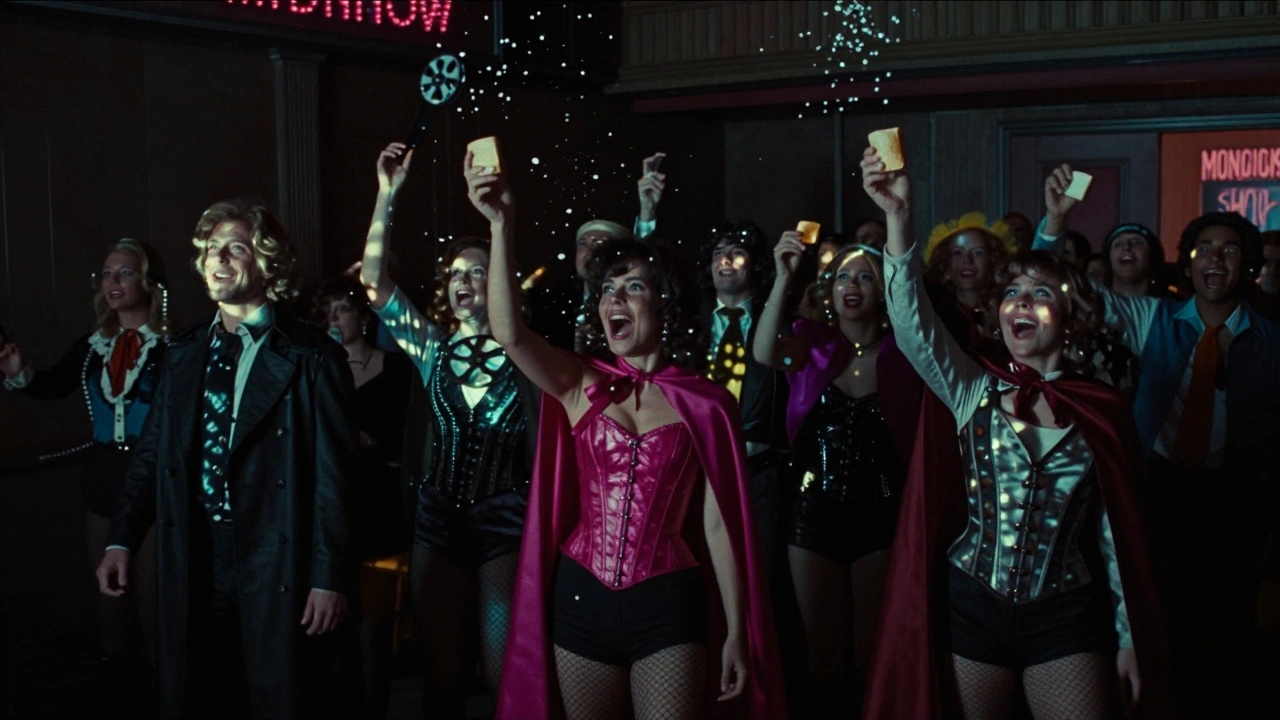
There’s something electric about sitting in a half-empty theater at 12:30 a.m., popcorn grease on your fingers, strangers laughing at lines you didn’t think were funny-until everyone else started screaming them back. That’s midnight movie culture. It’s not about big budgets or box office numbers. It’s about films that refused to die, that found their heartbeat in the dark, in the weird, in the crowd that showed up night after night just to yell along.
How Midnight Movies Became a Movement
It started in the 1970s, not in Hollywood, but in dive theaters in New York, Chicago, and Los Angeles. Film distributors had leftover prints of movies no one wanted. Theaters needed to fill seats after midnight. So they showed weird, cheap, or outright bizarre films-The Rocky Horror Picture Show, Eraserhead, The Big Lebowski-and let the audience decide what happened next.
These weren’t just screenings. They were rituals. People came dressed as characters. They threw rice at the screen during wedding scenes. They brought props-toilet paper for The Room, spoons for Rocky Horror. The films didn’t need to be good by traditional standards. They needed to be participatory. If you could shout back, dance in the aisles, or quote every line, it became yours.
By the 1980s, midnight screenings weren’t just a workaround-they were a genre. Theaters like the El Capitan in L.A. and the Music Box in Chicago turned these shows into weekly events. Fans created fan clubs. Scripts were printed and passed around. Merchandise appeared. The films stopped being movies and became communities.
The Films That Started It All
The Rocky Horror Picture Show (1975) didn’t make money in theaters. It lost money. But by 1977, it was playing in over 200 theaters at midnight. Fans showed up in corsets and fishnets. They brought water guns and toast. The film became a living thing-each screening different, each audience adding its own noise. It’s still running in theaters today, 50 years later. No other film has done that.
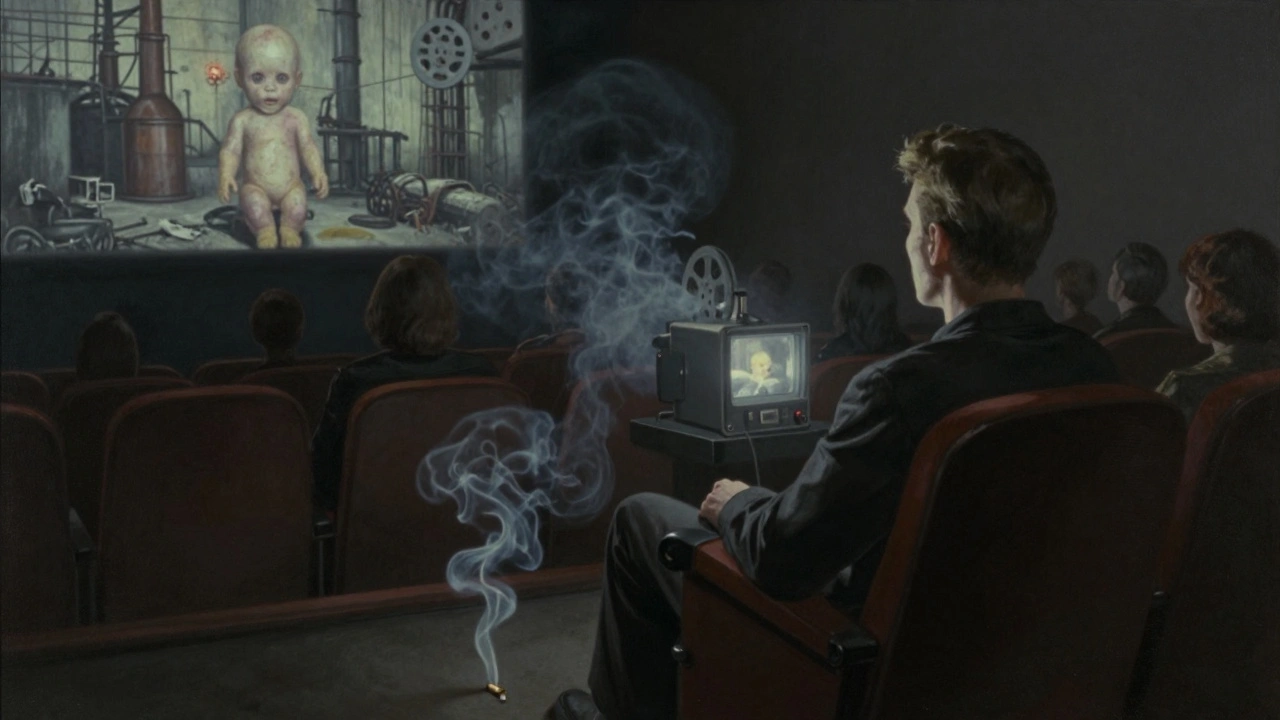
Eraserhead (1977) by David Lynch was a nightmare on 16mm. A man with a mutant baby, industrial hums, and a world that felt like a fever dream. It didn’t make sense. But it made you feel something. At midnight screenings, audiences didn’t laugh-they sat silent, then whispered to each other: “Did you see that?” The film didn’t need dialogue. It needed presence. And the midnight crowd gave it that.
The Big Lebowski (1998) flopped on release. Critics called it a mess. But by 1999, college students started showing it in dorm rooms, then in campus theaters. By 2002, it had its own official “Lebowski Fest” in Louisville, Kentucky. People dressed as The Dude. They bowled in character. They drank White Russians. The film became a lifestyle. Not because it was perfect-but because it was weirdly comforting.
Repo Man (1984) was a punk rock car chase with aliens. A punk kid gets hired to steal a car that might be carrying something from another dimension. It was low-budget, fast, sarcastic, and full of deadpan humor. It didn’t have stars. It had attitude. Midnight audiences loved it because it didn’t ask for permission. It just showed up-and so did they.
What Makes a Film a Cult Classic?
Not every odd movie becomes a cult film. There are hundreds of strange films that vanished after one screening. So what separates the ones that stick?
- They defy expectations. They don’t follow rules. Plot holes? Good. Logic? Optional. A talking head in a soup can? Even better.
- They invite participation. You don’t just watch them-you react. You shout. You sing. You bring props. They’re not passive experiences.
- They’re misunderstood at first. Critics hated them. Studios didn’t get them. But the audience did. That gap between what the industry thought and what the people felt? That’s where cult status is born.
- They’re repeatable. You can watch them 10 times and find something new. Every viewing feels like a discovery.
- They build communities. People don’t just like them-they belong to them. There are fanzines, conventions, tattoos, and Facebook groups dedicated to these films.
It’s not about quality. It’s about connection. A film doesn’t need to be great to be loved. It just needs to be felt.
The Modern Midnight Scene
Streaming killed the drive-in. But it didn’t kill midnight movies-it just moved them.
Today, you can’t walk into a theater and find Re-Animator playing at 1 a.m. unless you know exactly where to look. But the spirit is alive. Independent theaters still host themed nights. Film societies in small towns screen Troll 2 with live commentary. Universities bring back Princess Mononoke for Halloween. Even Netflix and Hulu now run “Midnight Movie Marathons” with curated lineups.
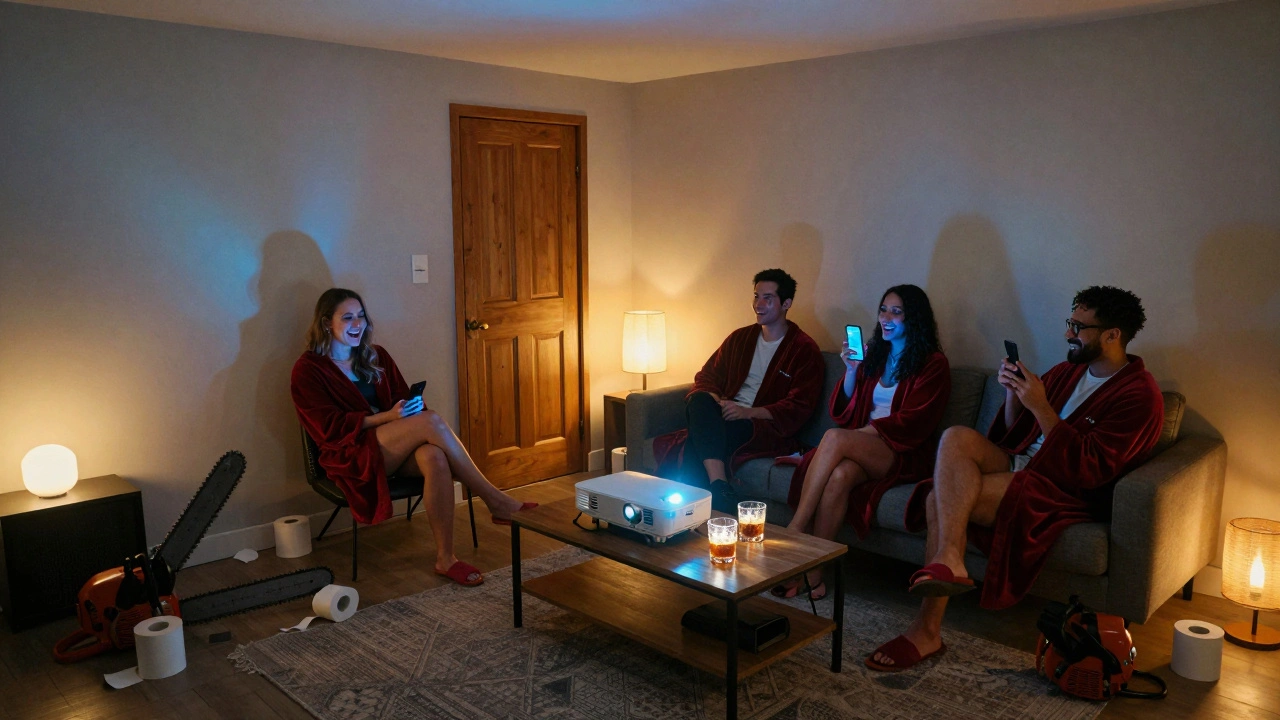
And the new generation? They’re not waiting for theaters. They’re hosting their own. Basement screenings. Airbnb parties. Discord livestreams with synchronized watching. One fan in Austin started a monthly Evil Dead 2 screening in his garage. He built a fake wooden door for the “Book of the Dead” scene. People came from three states. They brought chainsaws. They screamed the lines. That’s not nostalgia. That’s devotion.
Even TikTok has become a new stage. Clips from The Warriors or Donnie Darko get remixed with sound effects. Fans recreate scenes with friends. A 15-second clip of someone yelling “I’m the king of the world!” from Princess Mononoke got 2 million views-not because it was funny, but because it was shared.
Why This Still Matters
In a world where everything is algorithmically optimized, where content is made to be consumed quickly and forgotten, midnight movies are an act of rebellion. They ask for your time. They ask for your voice. They ask you to show up-even when it’s late, even when it’s weird, even when no one else gets it.
These films survived because people refused to let them die. They didn’t wait for approval. They didn’t wait for a studio. They just gathered. And in the dark, with strangers who felt the same way, they made something sacred.
That’s the real magic. It’s not the films themselves. It’s the people who turned them into rituals. Who turned silence into song. Who turned a bad movie into a home.
The Next Cult Film
What’s the next film that will find its tribe in the dark? Maybe it’s already out there. Smile (2022) had midnight crowds screaming at the screen. Barbenheimer (2023) turned two movies into a cultural event. John Wick: Chapter 4 had fans reenacting fight scenes in parking lots. These aren’t cult films yet-but they’re on their way.
Look for the ones that make you feel like you’re part of something secret. The ones that make you want to tell your friends: “You have to see this… at midnight.”
What makes a movie a cult classic?
A cult classic isn’t defined by box office success or critical praise. It’s a film that gains a passionate, loyal following over time-often because it’s strange, rebellious, or misunderstood at first. These movies thrive on audience participation, repeated viewings, and shared rituals like quoting lines, dressing up, or bringing props to screenings.
Are midnight movies still a thing today?
Yes, but they’ve changed. Traditional theater screenings still happen in cities like New York, Chicago, and Austin, but many now occur in private spaces-basements, Airbnb rentals, or online livestreams. Independent theaters and film societies keep the tradition alive, and platforms like TikTok help spread clips that spark new fan communities.
Can a modern film become a cult classic?
Absolutely. Films like Smile (2022) and Barbenheimer (2023) already show signs of cult status through fan-driven events, meme culture, and audience participation. The key isn’t age-it’s whether people feel connected enough to turn watching into a ritual.
Why do people love movies that are considered “bad”?
It’s not about being bad-it’s about being alive. Films like The Room or Troll 2 have flaws that make them unpredictable, hilarious, or oddly heartfelt. Their imperfections invite interaction. People don’t watch them to admire craftsmanship-they watch them to feel part of something wild and unfiltered.
How do I find midnight movie screenings near me?
Check local independent theaters, film societies, or university cinema clubs. Websites like Fandango and Letterboxd often list special screenings. Follow local horror or cult film groups on Facebook or Reddit. Many events are announced last-minute, so staying active in niche communities is key.



Comments(8)