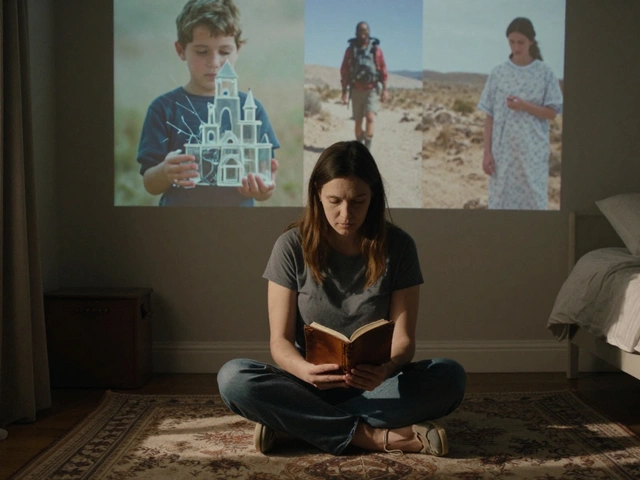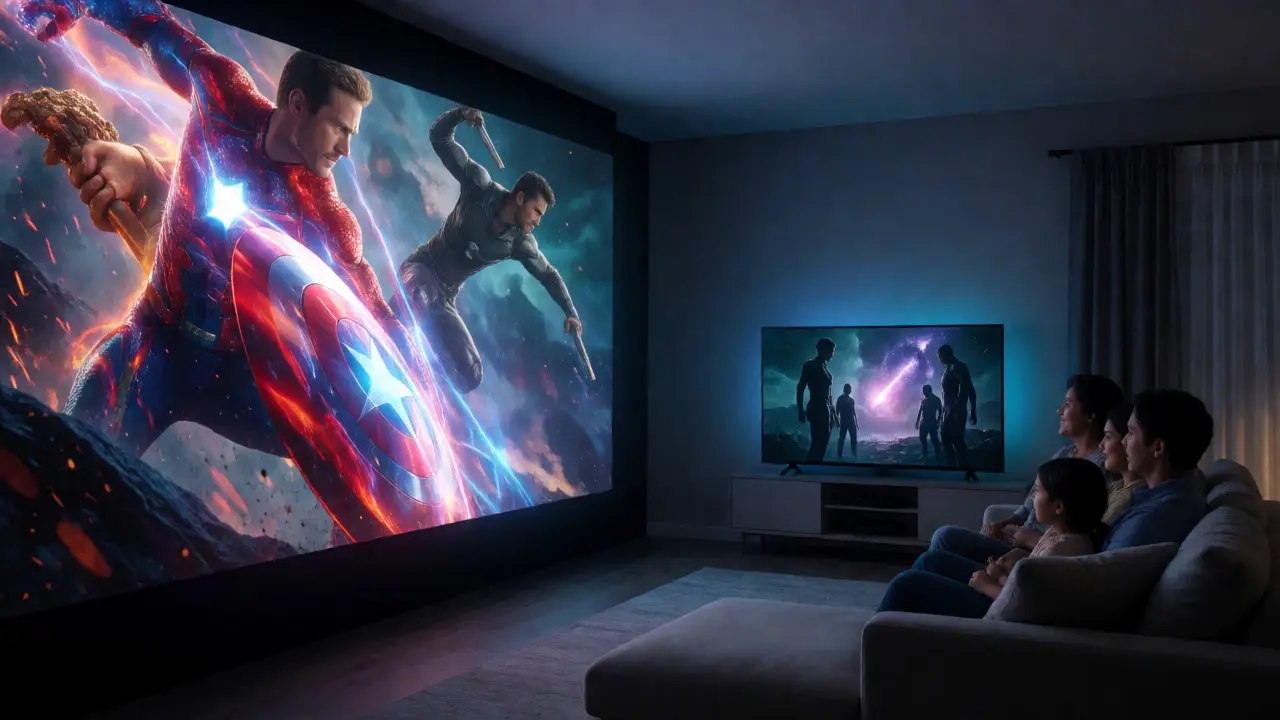
Remember when a movie ending meant the story was done? Not anymore. Today, that final credit roll is often just the opening act for a dozen TV episodes. Film-to-TV crossovers have become the dominant strategy for modern media franchises seeking to maximize audience retention across multiple platforms. It’s not just about squeezing more money out of a brand; it’s about changing how we consume stories. You aren’t just watching a sequel; you’re entering an ecosystem where every character has a backstory, a side quest, and a spin-off waiting in the wings.
The Economics of Expanded Universes
Why do studios keep doing this? The math is simple. A blockbuster film costs hundreds of millions to make and carries massive risk. If it flops, the studio bleeds cash. But if it succeeds, the characters are already built, the world is established, and the audience is hooked. Launching a series based on those assets is cheaper and safer. You get guaranteed eyeballs from day one.
Consider the Marvel Cinematic Universe (MCU). Before WandaVision, Marvel movies were standalone events. Now, they are interconnected nodes. Disney+ didn’t just release shows; it turned every movie into a mandatory homework assignment. If you skip the series, you might miss why a villain looks different or why a hero is suddenly angry. This strategy forces engagement across formats, locking viewers into the platform subscription rather than letting them drift away after the theatrical run.
Beyond Superheroes: Diverse Genre Adaptations
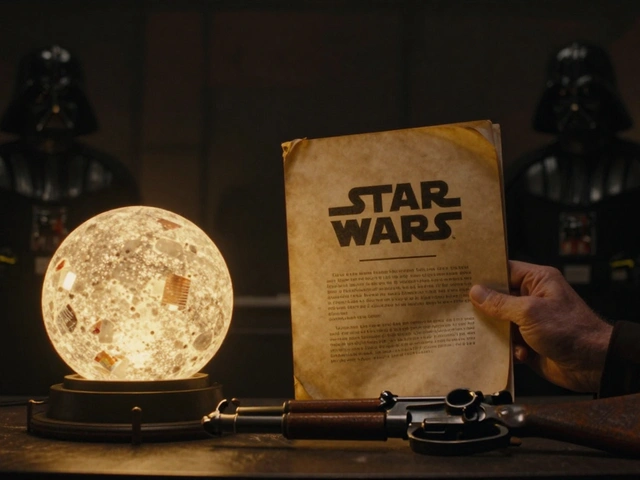
It’s easy to blame superheroes for this trend, but the shift goes much deeper. Horror, sci-fi, and even romantic comedies are jumping ship from cinema to small screens. Take Star Wars. For decades, it was strictly a movie franchise. Then came The Mandalorian, followed by Ahsoka and Andor. These aren’t just cheap knockoffs; they are high-budget productions that explore corners of the galaxy the films couldn’t touch due to runtime constraints.
Horror fans saw similar shifts with franchises like Scream. The original films defined a generation, but the Paramount+ series allowed for new victims and killers without erasing the legacy of Sidney Prescott. Similarly, Pacific Rim moved from giant robot battles on the big screen to animated and live-action series that focused on the pilots’ personal lives, adding emotional depth that action-heavy films often skipped.
| Feature | Film-First Strategy | TV-Expanded Strategy |
|---|---|---|
| Initial Investment | Very High ($150M-$300M+) | Moderate ($5M-$15M per episode) |
| Audience Reach | Broad, casual theatergoers | Niche, dedicated streamers |
| Story Depth | Limited by 2-hour runtime | Extended character development |
| Risk Factor | High (box office dependent) | Lower (subscription retention) |
| Longevity | Short-term cultural moment | Long-term ongoing engagement |
The Streaming Platform Effect
You can’t talk about crossovers without talking about Netflix, Disney+, and HBO Max. These platforms changed the game because they don’t rely on ticket sales. They need subscribers who stay month after month. A movie gets you interested; a show keeps you paying.
This economic reality drives creative decisions. When Netflix adapted Shadow and Bone or revived cult classics like Stranger Things (which started as a film homage), they leveraged existing fanbases to reduce marketing costs. The result is a feedback loop: successful films spawn shows, which build lore, which makes future films more valuable. It’s a closed ecosystem designed to prevent churn.
Challenges in Narrative Continuity
Here’s the catch: keeping stories consistent is hard. When you expand a universe, you create plot holes. Fans love to nitpick, and with social media amplifying every complaint, continuity errors can damage a brand’s reputation overnight. Remember the backlash against certain Star Trek reboot timelines? Or the confusion surrounding the Alien prequels versus the original series?
Studios now hire "franchise architects"-writers whose sole job is to ensure that a scene in a TV show doesn’t contradict a line in a movie released three years prior. This adds overhead but prevents the kind of narrative mess that plagued older soap operas. However, it also risks stifling creativity. Writers might feel handcuffed by canon, unable to take bold swings because they fear breaking established rules.
How Creators Are Handling the Shift
Smart creators treat these expansions as opportunities, not obligations. Look at The Last of Us. The HBO series didn’t just copy the video game; it expanded the world with new characters and subplots that enriched the main storyline. It proved that adaptation isn’t about replication-it’s about translation.
Similarly, House of the Dragon took the lore from Game of Thrones and created a distinct tone. It wasn’t trying to be a sequel; it was a prequel with its own identity. This approach respects the source material while allowing for fresh storytelling. Audiences respond well to this balance. They want familiarity, but they also want surprise.
The Future of Franchise Storytelling
Where does this go next? Expect more interactive experiences. Imagine choosing which side of a crossover event you follow, or watching a movie that leads directly into a live-streamed episode. The lines between formats will blur further. Video games, comics, and podcasts are already part of the mix, creating transmedia narratives that require active participation.
For viewers, this means less passive consumption. You’ll need to track connections across devices and platforms. For studios, it means managing complex IP portfolios. The days of standalone art are fading, replaced by collaborative universes where every piece fits into a larger puzzle. Whether you love it or hate it, the crossover era is here to stay.
Do I need to watch the TV shows to understand the movies?
In many modern franchises, yes. Studios increasingly design films and series to be interdependent. Skipping key series episodes might leave you confused about character motivations or plot points in subsequent films. Always check if a show is labeled as "canon" or essential viewing.
Why are so many horror movies becoming TV series?
Horror thrives on suspense and atmosphere, which work well in episodic formats. Series allow for slower pacing, deeper character development, and anthology-style storytelling that can refresh tired tropes without rebooting the entire film franchise.
Are film-to-TV crossovers profitable for actors?
Often, yes. Actors gain long-term employment and residual income from series runs. However, some stars prefer films for prestige awards recognition, leading to negotiations where they appear in both formats to maintain visibility and earnings.
What happens if a spin-off fails?
Failed spin-offs can dilute the brand. Studios may retcon the series (declare it non-canon) or ignore it entirely in future films. However, poor performance rarely kills the core franchise unless it significantly damages critical reception or audience trust.
Is there a difference between a sequel and a crossover?
Yes. A sequel continues the same story in the same format. A crossover expands the universe into a new format (e.g., film to TV) or combines two separate franchises. Crossovers focus on breadth and ecosystem building, while sequels focus on narrative continuation.