
What if the world you live in today is just a warm-up for something far stranger? Movies have spent over a century showing us what the future could look like - not just with flying cars and robot butlers, but with deeper truths about power, control, and what we’re willing to sacrifice for peace. From the gleaming towers of utopia cinema to the crumbling alleys of dystopia films, these stories aren’t just entertainment. They’re warnings, wishes, and mirrors held up to our own choices.
Utopias in Film: Perfect Worlds That Feel Wrong
Utopias in movies don’t always look like paradise. Sometimes they look too clean, too quiet, too controlled. Take The Truman Show (1998). Truman’s island town is sunny, friendly, and perfectly arranged. Everyone smiles on cue. No one gets sick. No one argues. But the moment you realize every moment of his life is broadcast to millions, the perfection turns suffocating. The utopia here isn’t a place - it’s a prison dressed in pastels.
Same with THX 1138 (1971), George Lucas’s first feature. In this future, people take pills to suppress emotion, live in white concrete cells, and move through tunnels like ants. There’s no crime, no war, no pain. But there’s also no love, no art, no rebellion. The film doesn’t show us a broken world - it shows us a world that’s been surgically stripped of everything that makes life human.
These aren’t happy endings. They’re quiet horrors. Utopian films don’t thrill with explosions. They chill with silence. The real threat isn’t a tyrant with a laser gun - it’s a system so efficient, so polite, that no one even notices they’ve lost their freedom.
Dystopias: When the Future Turns Against Us
Dystopias are easier to spot. They’re the ones with smokestacks, broken sidewalks, and people in ragged clothes scavenging for food. But the best dystopian films don’t rely on ruins. They rely on logic.
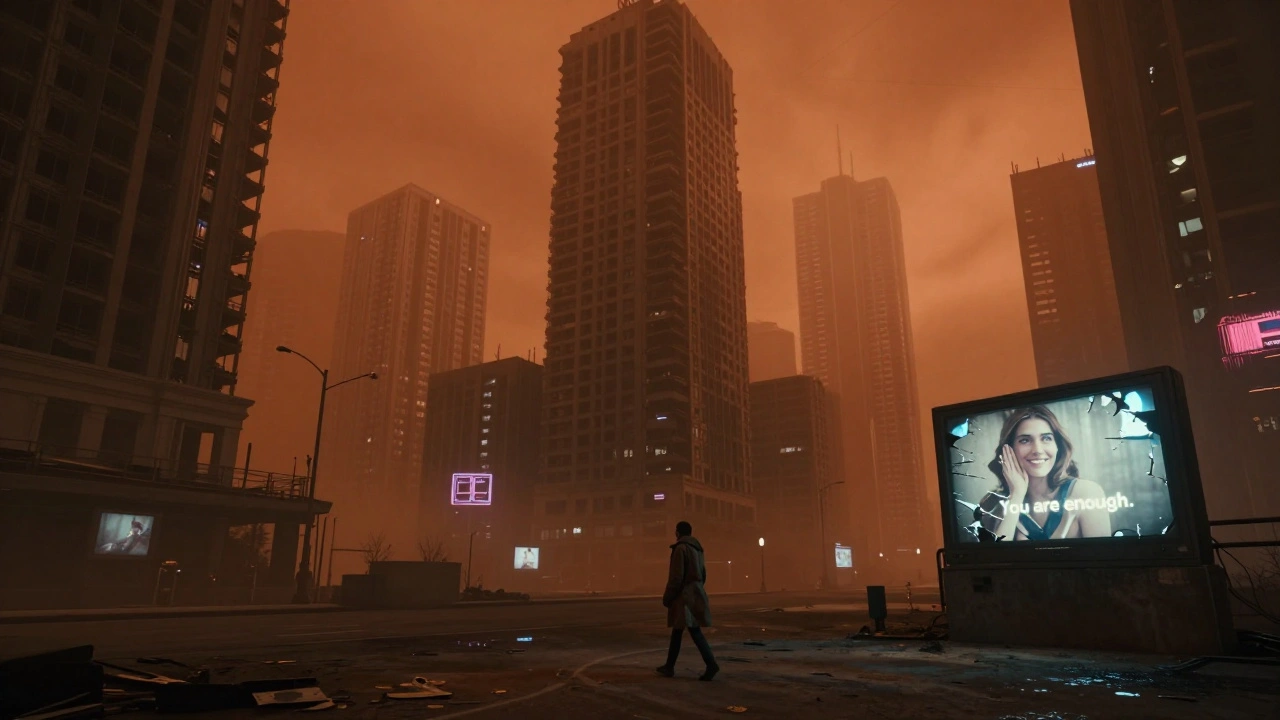
Take Blade Runner 2049 (2017). The world isn’t in flames. It’s just… empty. The sky is gray. The cities are vast but lifeless. People live alone in towering apartments, talking to holograms. The real horror isn’t the replicants being hunted - it’s that no one seems to care anymore. The system didn’t collapse. It just faded out. People stopped fighting because they stopped believing anything could change.
Or consider The Hunger Games (2012). The Capitol isn’t just rich - it’s grotesquely decadent. Children are forced to kill each other for entertainment. But here’s the twist: most citizens don’t rebel. They watch. They cheer. They buy merch. The dystopia survives because people are numb. Not because they’re terrified - because they’re bored.
These films don’t show us a future ruled by monsters. They show us a future ruled by apathy. The real villain isn’t a dictator. It’s the quiet decision to look away.
Why We Keep Making These Stories
Why do filmmakers keep returning to utopias and dystopias? Because we’re scared. Not of aliens or robots, but of ourselves.
When we imagine a perfect society, we’re really asking: What if we solved all the problems? What if we eliminated poverty, disease, war? But every utopian film answers that question with another: What else did we lose in the process? Freedom? Creativity? Grief? Joy?
And when we imagine a broken future, we’re asking: What if we keep going like this? What if climate change, surveillance, inequality, and algorithm-driven attention keep growing? Dystopias aren’t predictions. They’re stress tests. They ask: Can we survive our own inventions?
These stories aren’t about the future. They’re about now. The rise of social media? That’s Black Mirror before it was a show. The push for surveillance tech in the name of safety? That’s Minority Report in real time. The way corporations now control everything from our health data to our moods? That’s Idiocracy with better PR.
The Line Between Utopia and Dystopia Is Thin - And Often Invisible
One of the most powerful tricks in film is making you think you’re watching a utopia… until you realize it’s a dystopia.
In Equilibrium (2002), citizens take daily doses of a drug that kills emotion. The government calls it peace. The people call it normal. But when the protagonist stops taking the drug, he sees the world for the first time - and what he sees terrifies him. The utopia was a lie. The dystopia was the truth.
Same with Gattaca (1997). Genetic perfection is the goal. Everyone is healthy. No one gets sick. But the price? Your worth is decided before you’re born. Your dreams are coded into your DNA. The society isn’t cruel - it’s cold. It doesn’t hate you. It just doesn’t see you as worthy.
These films force us to ask: What’s the cost of safety? Of order? Of efficiency? If your child can’t be born unless they pass a genetic test, is that progress - or a new kind of slavery?
Real-World Echoes: When Fiction Becomes Fact
It’s 2026. And the future these films imagined is no longer fiction.
China’s Social Credit System? That’s Black Mirror’s “Nosedive” turned policy. Facial recognition tracking in public spaces? That’s Minority Report in every major city. Algorithms deciding who gets loans, jobs, or parole? That’s Gattaca with a spreadsheet.
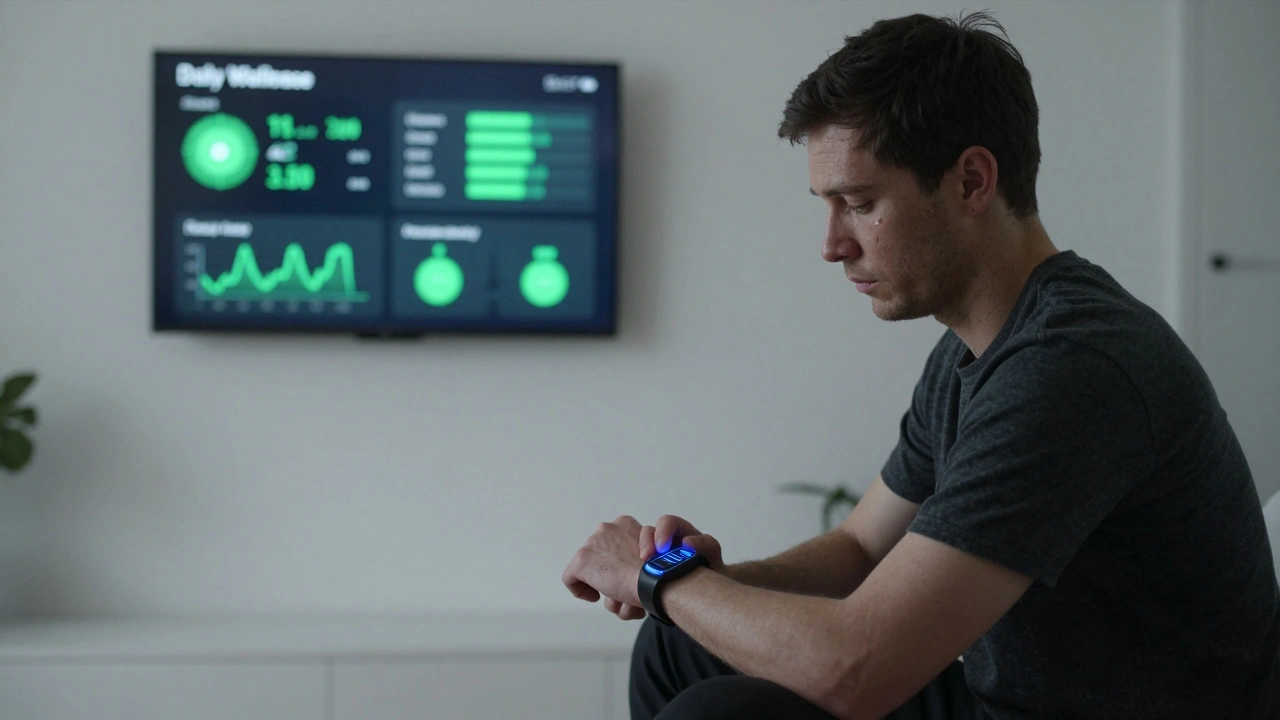
And the utopias? Look at smart cities. Look at wellness apps that track your sleep, mood, and productivity. Look at corporations selling you “mental clarity” through biometric wearables. We’re not being ruled by tyrants. We’re being optimized. And many of us are okay with that - as long as our feed stays clean, our heart rate stays low, and our calories are balanced.
The difference between now and the movies? In the films, someone rebels. In real life, most people just scroll.
What These Films Teach Us About Ourselves
Utopias and dystopias in cinema aren’t about predicting the future. They’re about understanding the present.
They show us that freedom isn’t just about not being locked up. It’s about having the right to be messy, irrational, emotional, flawed. It’s about choosing your own path - even if it leads to failure.
They remind us that control doesn’t always come with chains. Sometimes it comes with a notification. Sometimes it comes with a smiley face on a wellness app. Sometimes it comes with the quiet comfort of knowing you’ll never be hungry, never be sick, never be alone - but also never be truly free.
And they ask the hardest question of all: If you could live in a world with no pain, no conflict, no danger - but no art, no love, no surprise - would you take it?
There’s no right answer. But the fact that we keep asking it - in movie after movie - means we still care. And as long as we care, the future isn’t written yet.
What’s the difference between a utopia and a dystopia in film?
A utopia in film presents a society that appears perfect - no crime, no poverty, no suffering. But the perfection usually comes at a hidden cost, like loss of freedom, emotion, or individuality. A dystopia shows a society that’s clearly broken - oppressive, violent, or decaying. But the real twist? Many utopias are actually dystopias in disguise. The difference isn’t in the appearance - it’s in who controls the system and whether people can question it.
Why do so many dystopian films feel realistic today?
Because many of the technologies and social trends they show are already here. Surveillance cameras, algorithm-driven social media, genetic screening, corporate data harvesting, and emotional manipulation through ads - these aren’t sci-fi anymore. Films like Black Mirror and Minority Report didn’t predict the future. They watched the present and asked, “What if this keeps going?” The realism comes from the fact that we’re already living parts of those stories.
Are utopian films just as scary as dystopian ones?
Sometimes more so. Dystopias scare us with violence and chaos. Utopias scare us with silence. A world without war, disease, or hunger sounds ideal - until you realize everyone is numb, monitored, or forced to conform. Films like The Truman Show and Equilibrium show that the most dangerous systems aren’t the ones that scream - they’re the ones that whisper, “Everything’s fine.”
Which film best captures the danger of technology controlling society?
Her (2013) might be the most unsettling. It doesn’t show robots taking over. It shows a man falling in love with an AI because human connection has become too complicated. The danger isn’t in the machine - it’s in how easily we trade real relationships for convenient illusions. The film suggests the future won’t be ruled by AI, but by our own loneliness and willingness to settle for less.
Can a society ever truly be a utopia?
In film, the answer is always no. Real utopias require perfect control - and perfect control means no room for human error, emotion, or dissent. History shows that any system trying to eliminate all suffering ends up eliminating something more important: freedom to choose, to fail, to be different. The films don’t say utopias are impossible - they say they’re not worth having if they erase what makes us human.
Where Do We Go From Here?
The future isn’t a place we’ll arrive at. It’s a choice we make every day - in what we watch, what we buy, who we vote for, what we ignore.
When you see a new app promising to “optimize your life,” ask: What part of me is it trying to fix? When you hear a politician talk about “safety through surveillance,” ask: What am I giving up to feel secure? When you scroll past another post about perfect health, perfect relationships, perfect productivity - ask: Is this freedom, or just a quieter kind of control?
Utopias and dystopias in cinema aren’t about the future. They’re about what we’re willing to accept today. And as long as we keep watching these films - and asking the hard questions - we still have a shot at choosing something better.



Comments(10)