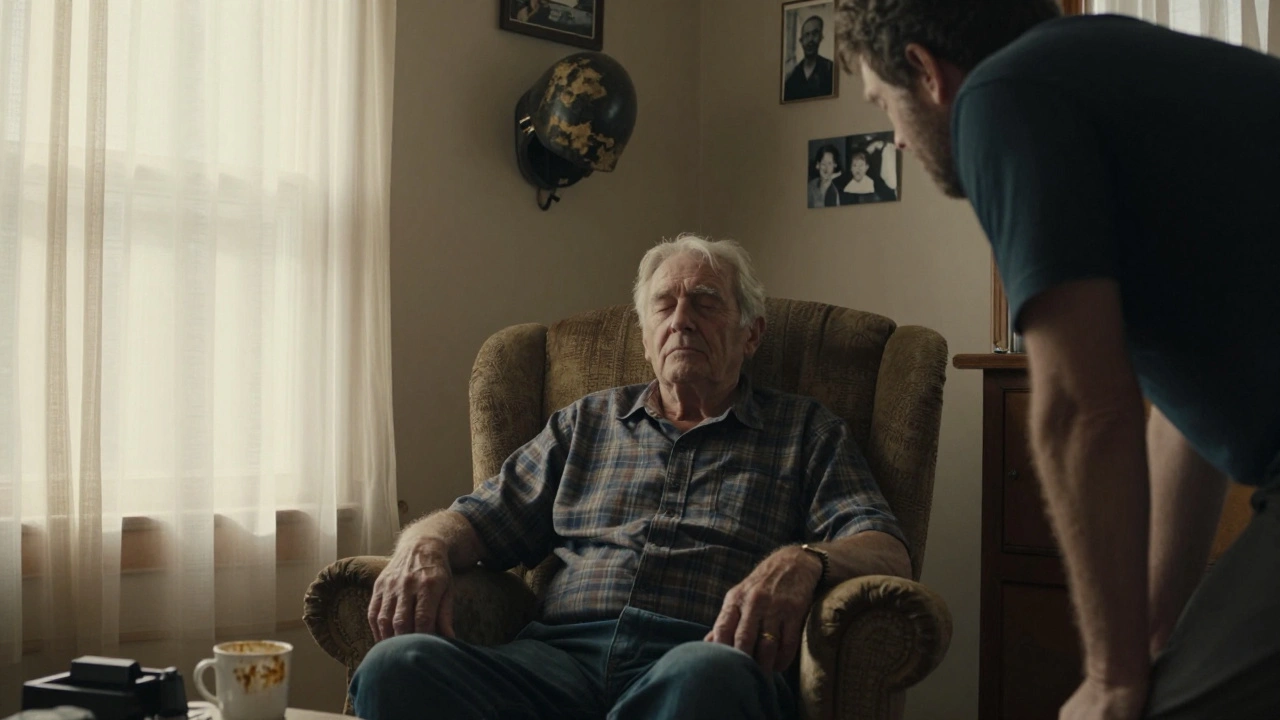
When you’re filming a documentary, the most powerful moments don’t come from sweeping landscapes or dramatic reenactments. They come from a single person, sitting in a quiet room, saying something they’ve never said out loud before. That’s the magic of a real interview. But getting there? That’s not luck. It’s technique.
Build Trust Before You Press Record
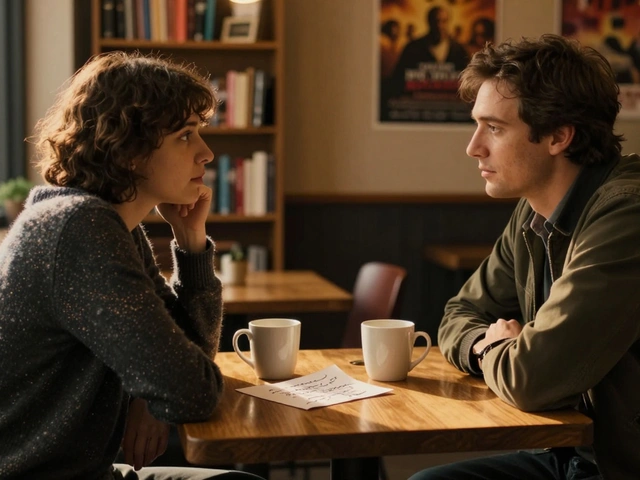
You can’t fake connection. If your subject feels like they’re being interviewed for a news segment or a corporate promo, they’ll give you safe answers. The kind that sound good but reveal nothing. Authenticity happens when someone forgets the camera is there. Start with coffee. Not a camera. Not a script. Just you and them. Talk about their dog, their commute, why they hate the local grocery store. Let them see you as a person, not a filmmaker. When you finally turn on the recorder, they’ll still be talking to the person they’ve already opened up to. One filmmaker in rural Kentucky spent three weeks just driving around with her subject - a retired coal miner - before she even asked him about his job. By day 22, he told her he’d never forgiven himself for not speaking up when his coworkers got sick. That moment became the emotional core of her film. It didn’t happen because she asked the right question. It happened because he trusted her.Ask Open-Ended Questions - But Don’t Overthink Them
Avoid yes-or-no questions. They kill momentum. Instead of asking, “Did you feel scared when the factory closed?” try: “What was the first thing you thought when you heard the news?” The best questions are simple, quiet, and leave space. “What did that do to you?” “How did that change things?” “What did you wish someone had said?” Don’t script your questions. Don’t even write them down. Memorize the vibe you’re going for - curiosity, not interrogation. Let the conversation guide you. If they mention a name, a place, a feeling - follow it. That’s where the truth hides. I’ve seen interviews where the filmmaker asked 12 questions and got nothing. Then they asked one offhand thing - “What did you keep from that house?” - and the subject broke down crying, holding a rusted lunchbox from 1978. That’s not a question. That’s a doorway.Let Silence Do the Work
Most people panic when there’s silence. They fill it. Interviewers do it too. They jump in with another question, a nod, a “uh-huh.” But silence isn’t empty. It’s full. When someone pauses after a heavy answer, don’t rush. Wait. Let them sit with it. Sometimes they’ll keep talking. Sometimes they’ll start again, clearer, deeper. Sometimes they’ll just cry. That’s your gold. In a film about survivors of domestic violence, one woman stopped mid-sentence after saying, “I didn’t think I’d make it.” The room went quiet. Ten seconds passed. Then she whispered, “I didn’t think I deserved to.” That line wasn’t in the script. It was in the silence. Your job isn’t to fill the quiet. It’s to hold space for it.Watch the Body, Not Just the Words
People lie with their mouths. But their bodies? They don’t lie. Notice when someone’s hands shake. When they avoid eye contact but then suddenly lock onto yours. When they laugh nervously after saying something serious. When they fold their arms like they’re hugging themselves. These aren’t distractions. They’re clues. If someone says, “I’m fine,” but their shoulders are tight and their voice cracks, don’t move on. Lean in. “You said you’re fine. But I noticed you paused. What’s really going on there?” Cameras catch more than speech. They catch micro-expressions - a flicker of anger, a tear held back, a half-smile that doesn’t reach the eyes. Frame your shots to include hands, posture, movement. Don’t just shoot faces. Shoot humans.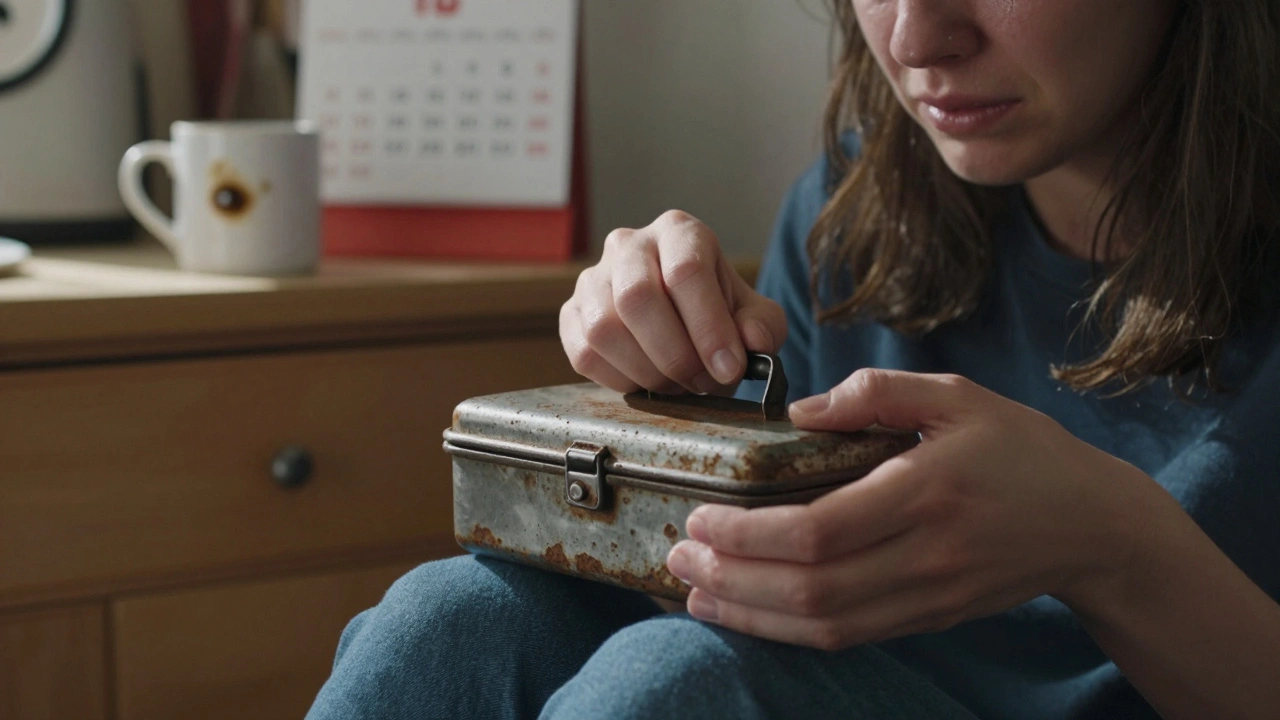
Use the Environment - It’s a Character Too
A kitchen. A porch. A hospital waiting room. A child’s bedroom. These aren’t just backdrops. They’re extensions of the person. Filming someone in their own space gives you context you can’t fake. The way they sit on the couch. The photos on the wall. The coffee mug with the chip on the handle. These details tell stories before they even open their mouth. One documentary about aging veterans showed a man talking about losing his wife. He sat at the same table where they ate every night for 47 years. The camera didn’t move. The only sound was his voice and the ticking clock. The empty chair beside him said everything. Don’t move people to a studio unless they ask. Their world holds the truth. Your job is to show it, not clean it up.Record Everything - Even the Mistakes
You think you’re just capturing answers. But you’re also capturing the journey to them. The coughs. The pauses. The “umms.” The moments they restart a sentence. The way they laugh at themselves after saying something raw. Those aren’t edits. They’re authenticity. In a film about addiction recovery, the subject kept stumbling over the word “relapse.” He’d say it, stop, sigh, try again. Three times. The editor almost cut it. But the director kept it. That stumble? That was the moment he admitted he still feared it. That moment made the whole film real. Don’t just record the polished version. Record the messy, human, imperfect version. That’s what people connect to.Be Present - Not Just a Person Behind the Camera
You’re not a ghost. You’re a person. And your presence matters. If you’re distracted, anxious, or checking your phone between takes, they’ll feel it. If you’re too eager to please, they’ll perform. If you’re cold or distant, they’ll shut down. Be human. Say “I’m sorry” if you interrupt. Say “Thank you” after they share something hard. If you’re moved, it’s okay to say so - “That really got to me.” One subject in a film about refugee families told the filmmaker, “You’re the first person who didn’t ask me to be brave.” That wasn’t because of the questions. It was because the filmmaker cried with them. Your empathy isn’t a flaw. It’s your tool.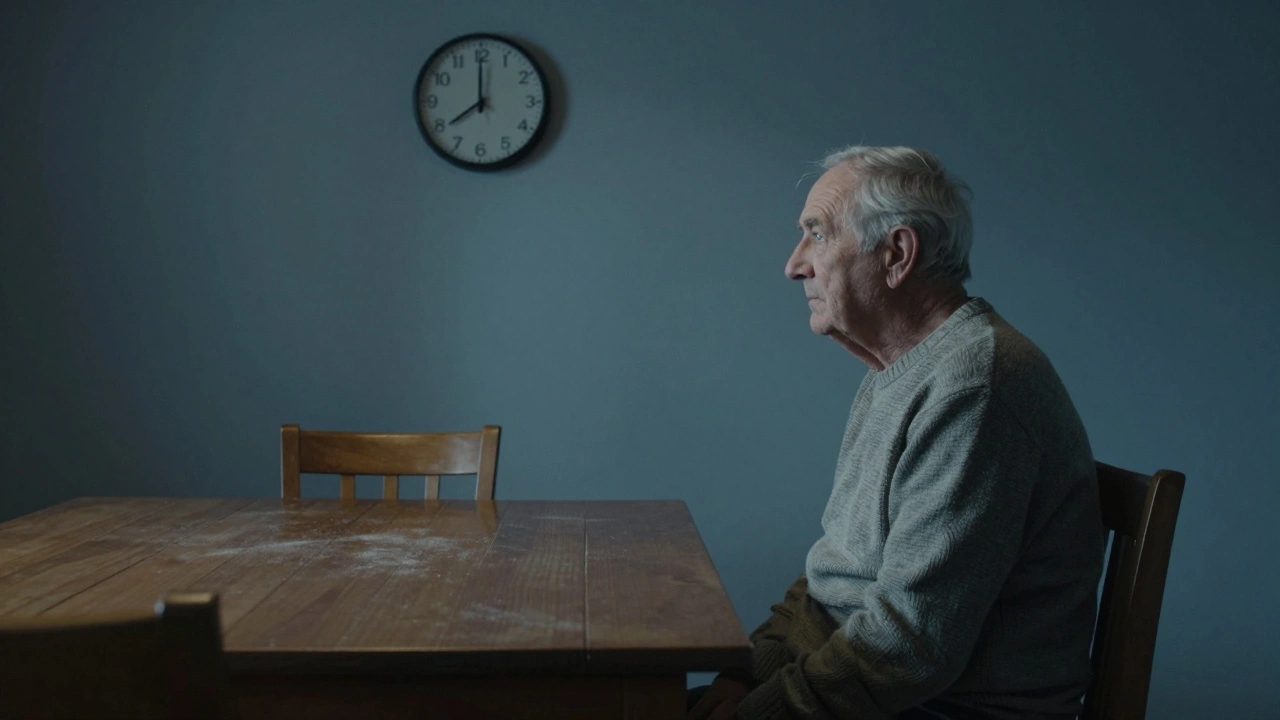


Comments(8)