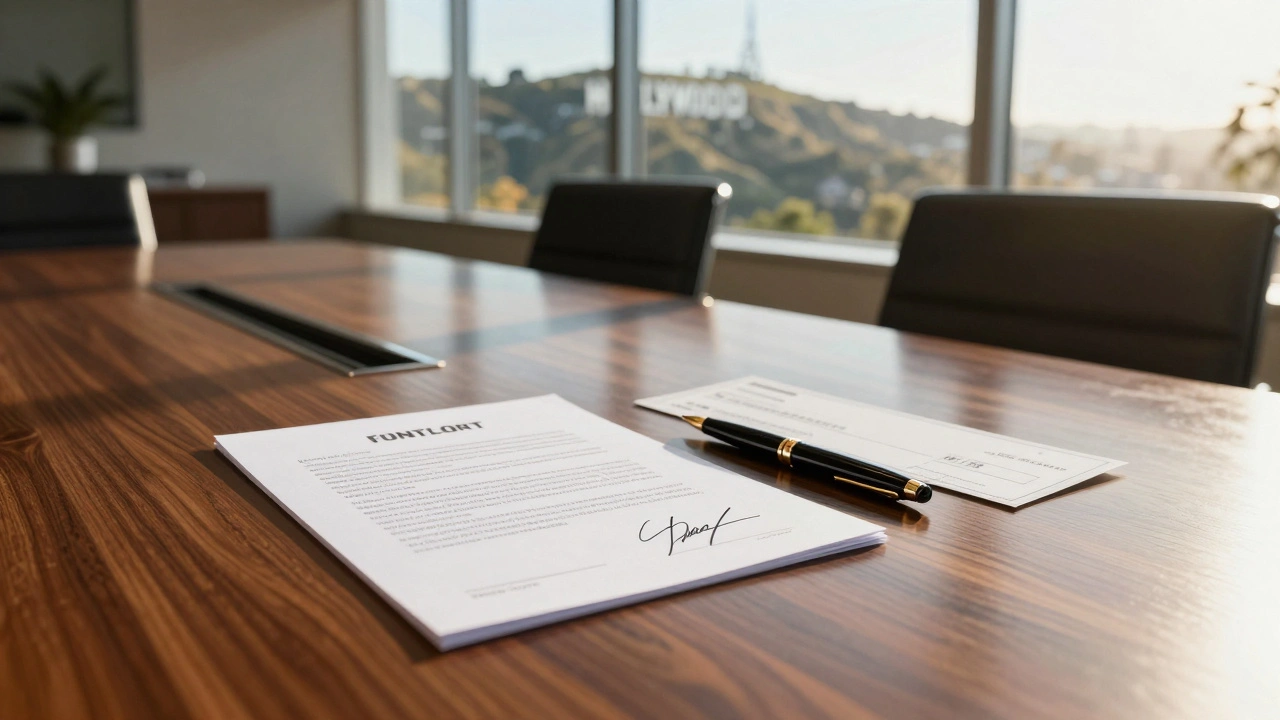
What Exactly Is a First-Look Deal?
At its core, a first-look deal is a contract where a studio or production company agrees to pay a producer or director a set fee in exchange for the right to be the first to review and bid on any project the creator develops. Also known as a development deal, this arrangement ensures that if a director finds a brilliant book to adapt or writes a killer script, they can't just take it to the highest bidder immediately. They have to show it to their partner studio first.
If the studio likes the project, they negotiate a production deal. If they pass, the creator is free to take that specific project elsewhere. It’s a way for studios to lock in top-tier talent without committing to every single idea that person has. For the director, it provides a steady stream of income-often called a "holding fee"-which allows them to spend time developing stories without worrying about where their next meal is coming from.
How These Deals Work in the Real World
These agreements aren't one-size-fits-all. They vary wildly depending on the creator's track record. A debut director might get a modest deal with a smaller indie house, while an Oscar winner might sign a multi-year pact with a giant like Warner Bros. is a global entertainment company and major film studio known for producing blockbuster franchises and prestige cinema .
Typically, the process follows a specific rhythm. The producer finds a property-maybe a niche graphic novel or a true-crime article. They option the rights to that property using the money provided by the studio. Then, they develop a pitch. The studio's executives review the pitch and decide if it fits their current slate. If the studio says "no," the creator has a "release date"-usually a few weeks-to shop the project to other studios.
| Feature | First-Look Deal | Overall Deal |
|---|---|---|
| Studio Priority | Right of first refusal | Exclusive ownership of all work |
| Creative Freedom | Higher (can shop if studio passes) | Lower (studio controls output) |
| Financial Risk | Shared between creator and studio | Almost entirely on the studio |
| Commitment Level | Flexible, project-by-project | Rigid, full-time employment |
The Financial Side: Holding Fees and Backend
Let's talk money. A first-look deal usually involves a payment structure that keeps the creator afloat. The "holding fee" is the base salary. For a mid-level producer, this could be anywhere from $250,000 to $1 million per year. This is basically the price the studio pays to keep the creator's attention.
However, the real wealth is created through the backend is the percentage of a film's profits that a creator or actor receives after the movie has recovered its production and marketing costs . When a project from a first-look deal actually gets greenlit, the creator moves from being a "developed talent" to an active producer with a budget. They might get a percentage of the "gross" (total money made) or the "net" (profit after expenses). Be careful with "net profits," though-Hollywood accounting is legendary for making a billion-dollar movie look like it lost money on paper.
Why Studios Love Them (And Why Creators Do Too)
From the studio's perspective, these deals are a hedge against risk. Instead of gambling on one massive project, they invest in a creative pipeline is a continuous flow of intellectual property and scripts being developed to ensure a steady release schedule . By partnering with a director who has a specific "vibe" or brand, the studio ensures they have access to projects that appeal to a specific audience segment.
For directors and producers, it's about legitimacy. Having a deal with a major entity like Netflix is a global streaming service and production company that has aggressively signed first-look deals to build its original content library signals to the rest of the industry that you are a "player." It gives you the leverage to attract better writers and more famous actors to your projects because you have the financial backing of a powerhouse.
Common Pitfalls and Negotiating the "Pass"
Not every deal is a win. The biggest danger is the "development hell" trap. A studio might love a project enough to keep it under a first-look deal, but not enough to actually spend the $100 million needed to film it. This keeps the project in a state of limbo where the creator can't take it elsewhere because the studio hasn't officially "passed" on it yet.
To avoid this, smart agents negotiate a turnaround right is a contractual clause that allows a creator to buy back a project or take it to another studio if the current studio fails to start production within a certain timeframe . This ensures that if a studio is just sitting on a script for three years, the creator can reclaim it and find a home that is actually ready to shoot.
The Shift Toward Streaming and Digital Media
The landscape changed drastically around 2020. Traditionally, these deals were with legacy studios like Universal Pictures is one of the "Big Five" major American film studios specializing in wide-release commercial cinema . Now, platforms like Apple TV+ and Amazon MGM Studios are signing massive first-look deals to compete for prestige content. These streaming deals often pay more upfront but offer less in the way of traditional box-office backend, since there are no ticket sales to split.
This shift has led to the rise of "mini-studios"-independent production companies that sign their own first-look deals with bigger entities. This creates a layered system where a director signs with a producer, who in turn has a first-look deal with a streaming giant. It’s a complex web of rights and royalties that requires a very good lawyer to navigate.
Is a first-look deal the same as a production contract?
No. A first-look deal is an agreement to *look* at projects first. A production contract is the specific agreement to actually *make* a particular movie, including the budget, filming dates, and specific roles.
Can a director have first-look deals with multiple studios?
Generally, no. The "first-look" part means they get the very first chance. If you had two, you couldn't give both the "first" look. However, some creators have "carve-outs" for specific types of content, like a deal for feature films with one studio and a deal for podcasts or TV with another.
What happens if the studio passes on a project?
Once the studio officially passes, the creator can take the project to any other studio or producer. The original studio usually loses all claims to the project, although they may have already paid for some of the early development costs.
Do these deals guarantee a movie gets made?
Absolutely not. A first-look deal is a relationship, not a guarantee of production. Many projects developed under these deals never leave the script stage.
Who typically signs these deals?
Usually established directors, high-profile producers, or "rising stars" who have had a breakout hit. It is rare for a complete unknown to get a first-look deal without a significant piece of intellectual property or a viral hit.
Next Steps for Aspiring Creators
If you're a filmmaker looking to land one of these deals, don't start by asking for a contract. Start by building a portfolio of "proof of concept" work. Studios don't buy potential; they buy a track record of success. Whether it's a short film that wins a festival or a script that gets buzz in the industry, you need a reason for a studio to want a "first look" at your brain.
Once you have that leverage, focus on your representation. You need a manager and an agent who know how to value your "taste." The best deals aren't just about the holding fee; they are about the freedom to create and the ability to walk away if the studio's vision doesn't align with yours.



Comments(10)