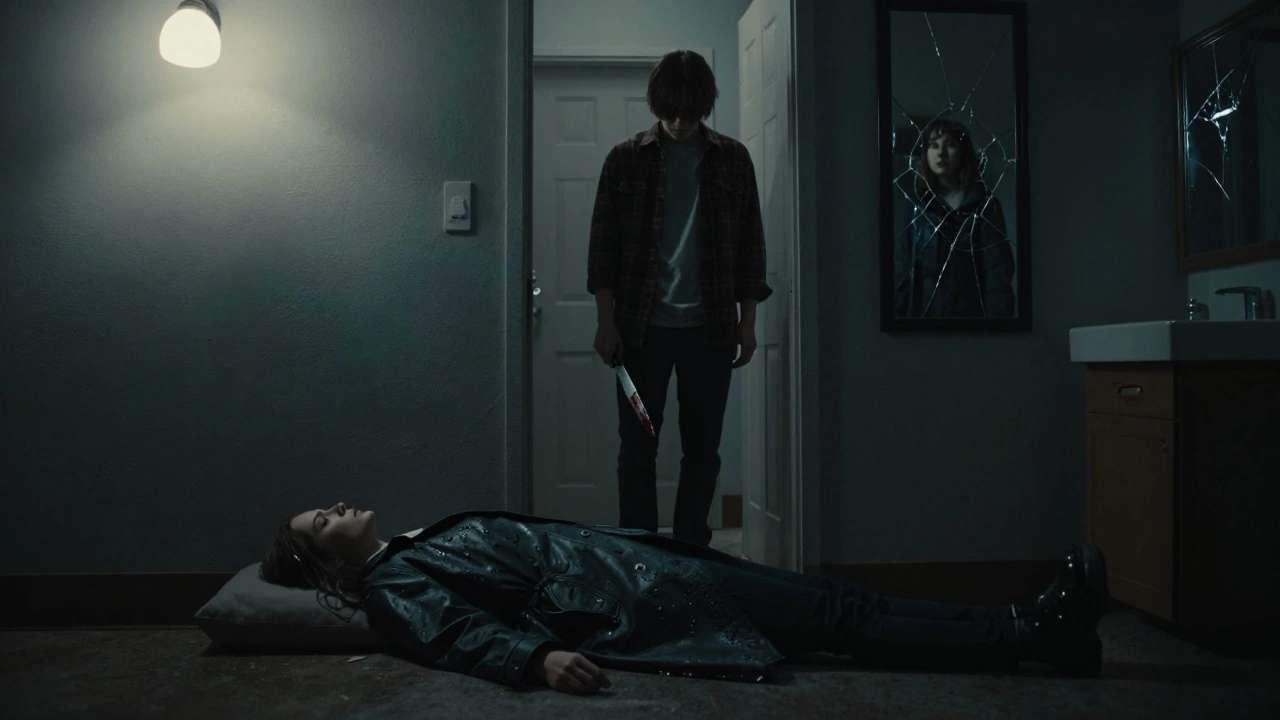
Some movies make you think. Others make you question everything you just saw. Thriller films with real plot twists don’t just keep you on edge-they rewired your brain by the credits. You thought you knew who the killer was. You were sure the husband was innocent. You even picked the side of the quiet neighbor. And then-boom. The truth flips the whole story upside down.
What Makes a Plot Twist Actually Shocking?
A good twist isn’t just surprising. It’s inevitable in hindsight. If you watch the movie again, every clue was there. The way the character avoided eye contact. The background detail in the mirror. The coffee cup that shouldn’t have been there. These aren’t cheap tricks. They’re carefully planted seeds that bloom only when the truth hits.
Bad twists feel like a cheat. Good ones feel like a revelation. The difference? Control. The filmmaker controls what you see, what you hear, and what you assume. And when the truth comes, it doesn’t contradict the story-it completes it.
Psycho (1960)
Alfred Hitchcock didn’t just make a horror movie. He rewrote the rules of storytelling. In Psycho, the main character, Marion Crane, is killed off 45 minutes in. You’re not supposed to survive that long. The real villain isn’t the mysterious figure in the basement-it’s Norman Bates, the shy motel owner who talks to his mother. And his mother? She’s been dead for years. He’s been wearing her clothes, speaking in her voice, living inside her ghost.
At the time, audiences walked out stunned. No one had ever killed the hero so early. No one had ever made the sweet guy the monster. The final scene-Norman smiling as his mother’s voice takes over-still chills viewers today. It’s not just a twist. It’s a psychological unraveling.
The Sixth Sense (1999)
"I see dead people." That line became legendary. But the real twist in The Sixth Sense isn’t that the boy sees ghosts. It’s that the therapist, Dr. Malcolm Crowe, has been dead the whole time.
Every scene with him-walking through crowds, talking to his wife, reaching for a doorknob-was happening after his death. The audience assumed he was alive because the story showed him interacting with the world normally. But he never touched anything. He never ate. He never got cold. The clues were there. You just didn’t know to look for them.
When the twist lands, you rewatch the whole movie in your head. Every quiet moment, every pause, every time he looked at his wife without her seeing him-it all makes sense. It’s not a trick. It’s a tragedy.
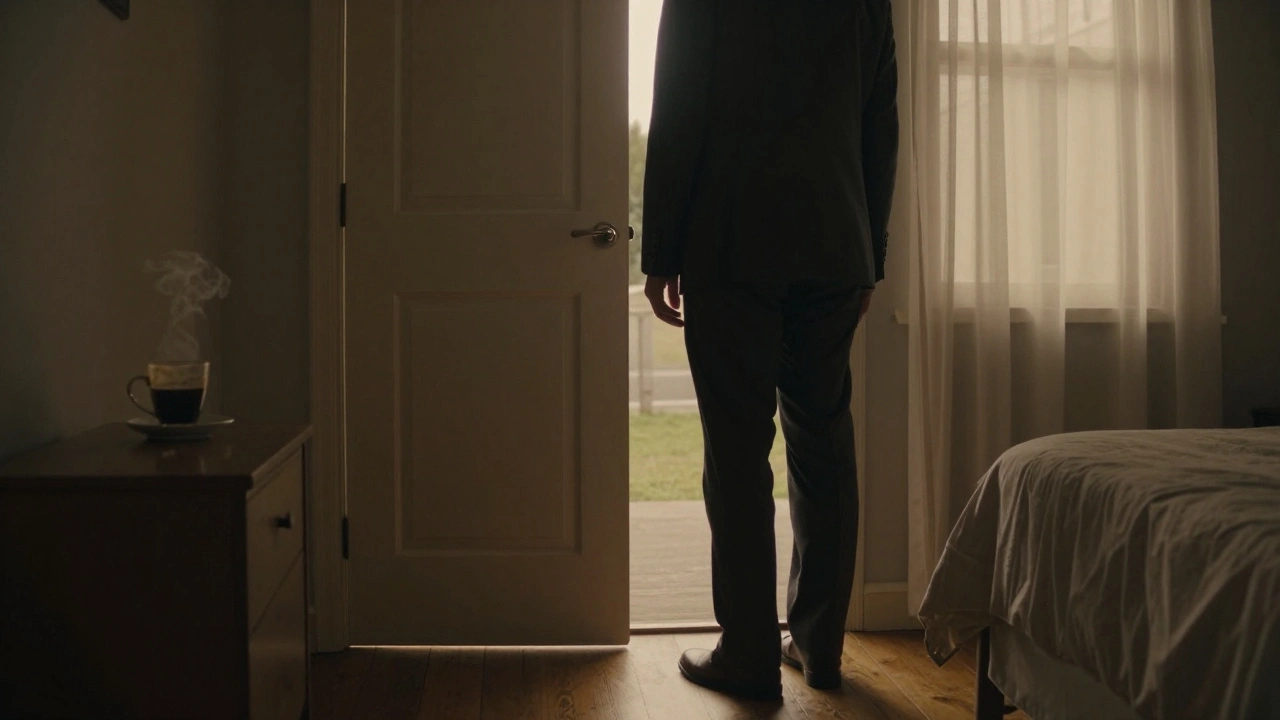
Shutter Island (2010)
Leonardo DiCaprio plays a U.S. Marshal investigating a disappearance at a remote asylum for the criminally insane. The island is foggy. The staff is creepy. The patients are dangerous. And then-there’s the fire. The storm. The secret tunnels. You start to wonder if the whole place is a cover-up.
But the real horror isn’t the island. It’s the truth: DiCaprio’s character isn’t a marshal. He’s a patient. His name is Andrew Laeddis. He murdered his wife after she drowned their three children. The entire story? A carefully constructed delusion he’s living to avoid the guilt. The twist isn’t that the island is fake. It’s that he’s the monster.
The final line-"Which would be worse? To live as a monster, or to die as a good man?"-doesn’t just end the movie. It breaks you.
Oldboy (2003)
This South Korean film doesn’t just shock-it haunts. A man is kidnapped and locked in a room for 15 years. No one tells him why. When he’s finally released, he spends years hunting down the person who did it. He finds love. He gets revenge. And then-he learns the truth.
His captor? A former friend. The reason? He slept with his wife. And she gave birth to his child. The twist? That child is his own daughter. The man didn’t just lose his freedom. He unknowingly committed incest.
The scene where he realizes it-silent, trembling, staring into the mirror-is one of the most devastating moments in cinema. It’s not about who did it. It’s about what he became. The film doesn’t just twist the plot. It twists morality.
The Usual Suspects (1995)
"The greatest trick the Devil ever pulled was convincing the world he didn’t exist." That line from The Usual Suspects isn’t just a quote. It’s the entire movie.
A group of criminals are questioned after a massacre on a dock. The only survivor? A small-time con artist named Verbal Kint, played by Kevin Spacey. He tells a wild story about a mysterious crime lord named Keyser Söze. Everyone thinks he’s lying. The police think he’s weak. The audience thinks he’s a pawn.
But when the final montage plays-the photos, the names, the details-he’s not telling a story. He’s describing himself. Keyser Söze was never a myth. He was Verbal Kint all along. The entire interrogation? A performance. The twist isn’t that he’s guilty. It’s that he outsmarted everyone by making them believe he was harmless.
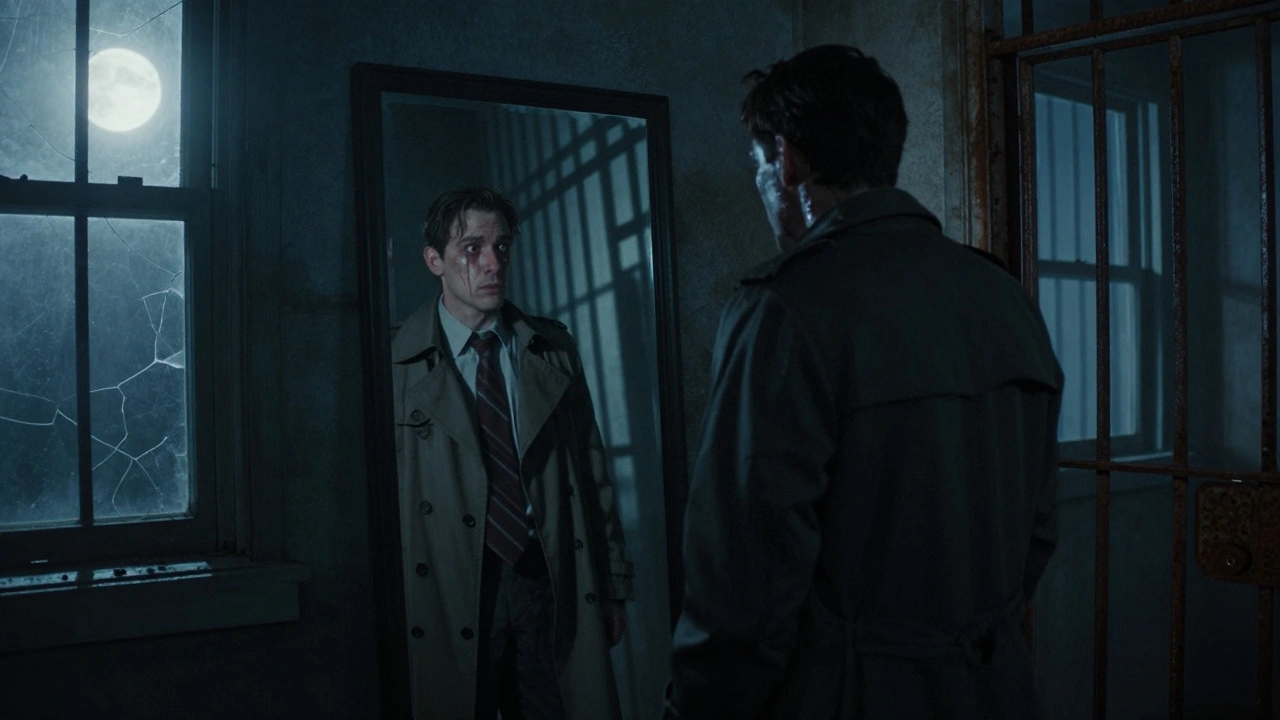
Prisoners (2013)
Two little girls go missing. The main suspect is a quiet, strange man with a van. The police arrest him. But there’s no evidence. The girls’ fathers? One is a calm detective. The other is a broken man who takes matters into his own hands.
For two hours, you follow the investigation. You hate the suspect. You fear the father. You root for justice. Then, in the final act, the truth comes out: the suspect didn’t take the girls. The real kidnapper? One of the girls’ own fathers. He did it to punish his wife for being unfaithful. And the man you thought was innocent? He was trying to save them.
The twist doesn’t come with a bang. It comes with silence. A look. A tear. And the realization that the worst monster wasn’t hiding in the woods. He was in the living room.
Why These Twists Work
These films don’t rely on gore, jump scares, or loud music. They work because they play with perception. They make you trust the wrong person. They hide the truth in plain sight. And they force you to rethink everything you thought you knew.
Real thriller twists don’t cheat. They reveal. They don’t change the story. They complete it. And when they land, you don’t just feel surprised. You feel seen. Like the movie knew what you were thinking-and used it against you.
What to Watch Next
If you loved these, try:
- Fight Club (1999) - The narrator isn’t who you think he is.
- Black Swan (2010) - Reality and delusion blur until you can’t tell the difference.
- Arrival (2016) - Time isn’t linear. The twist isn’t in the plot-it’s in the way you remember it.
- The Others (2001) - Ghosts aren’t who you think they are.
- Se7en (1995) - The final box isn’t just a twist. It’s a moral collapse.
These aren’t just movies. They’re experiences. And once you’ve lived through them, you’ll never watch a thriller the same way again.
What makes a plot twist effective in a thriller film?
An effective plot twist feels inevitable when you look back, even if it surprises you in the moment. It doesn’t introduce new facts out of nowhere-it recontextualizes everything you’ve already seen. Clues are hidden in plain sight: a character’s hesitation, a misplaced object, a line of dialogue that seemed harmless at the time. The best twists make you feel clever for catching them on a rewatch, not tricked by the filmmakers.
Are plot twists more common in older or newer thriller films?
Plot twists have always been a core part of thrillers, but their style has changed. Older films like Psycho and The Sixth Sense relied on psychological depth and slow-burn reveals. Modern thrillers often use faster pacing and layered narratives, like Shutter Island or Prisoners. The goal hasn’t changed-surprise with truth-but today’s films have more tools: non-linear storytelling, unreliable narrators, and digital editing to hide clues in the background.
Can a thriller have more than one twist?
Yes, but it’s risky. One strong twist can elevate a film. Two or more can feel gimmicky if they’re not earned. Films like The Usual Suspects and Oldboy use multiple reveals, but each one builds on the last and deepens the emotional impact. If twists are just surprises without meaning, they exhaust the audience. The best multi-twist films use them to reveal character, not just plot.
Why do some viewers dislike plot twists?
Some viewers dislike twists when they feel forced or unfair. If the film hides critical information or changes the rules mid-story, it breaks trust. A twist that contradicts established logic or character behavior feels like a cheat. People don’t mind being surprised-they mind being lied to. The most respected twists respect the audience’s intelligence and reward attention, not luck.
Do plot twists work better in movies or TV shows?
Movies have the advantage of focused storytelling. A twist in a 2-hour film can land with full emotional weight. TV shows can build twists over seasons, like Lost or True Detective, but they risk dragging out the payoff or losing momentum. The best TV twists-like the identity of the killer in The Night Of-still feel like movie-level reveals because they’re tightly written and emotionally grounded.





Comments(9)