When you watch a foreign film and the subtitles don’t match the emotion on screen, or the dubbing sounds robotic and cuts off key lines, you’re not just losing context-you’re losing connection. For millions of viewers around the world, this isn’t just an annoyance. It’s a barrier. Inclusive subtitles and dubs aren’t optional extras. They’re essential tools for ensuring that deaf, hard-of-hearing, non-native, and neurodivergent audiences can experience films the same way everyone else does.
Why Inclusive Subtitles Matter More Than You Think
Subtitles aren’t just translated text. They’re a bridge between sound and understanding. But too often, they’re treated like an afterthought. A poorly timed subtitle can miss a laugh. A missing sound cue can erase tension. A literal translation can confuse more than clarify.
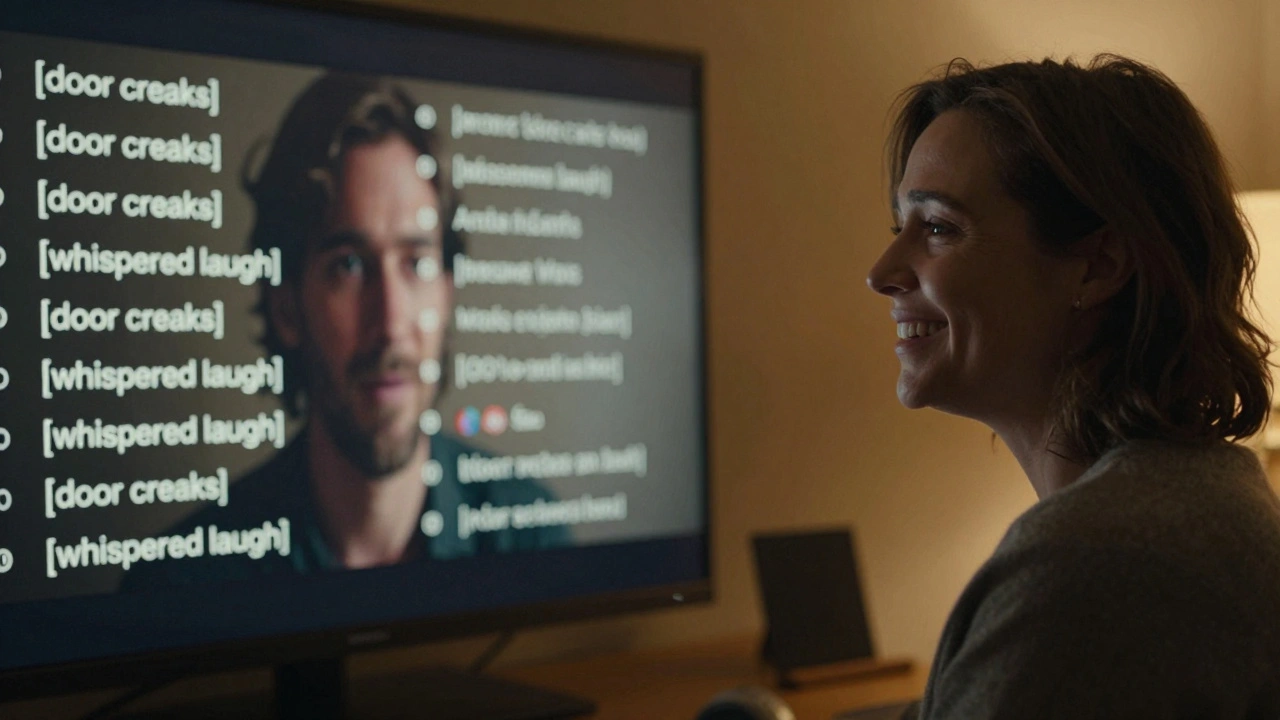
True inclusive subtitles include more than spoken words. They describe relevant sounds: footsteps approaching, a door creaking, a baby crying in the background. They indicate speaker changes when visuals aren’t clear. They preserve tone-sarcasm, whispering, shouting-using formatting like italics, caps, or brackets. For example, “You’re kidding… right?” versus “You’re kidding… RIGHT?” changes everything.
Netflix, Disney+, and Amazon Prime now have global accessibility guidelines that require these details. But many smaller studios still skip them. In 2025, a study by the Global Film Accessibility Network found that only 38% of independently produced films included sound descriptions in subtitles. That means over 60% of viewers who rely on subtitles are missing half the story.
Dubbing Isn’t Just Translation-It’s Performance
Dubbing gets a bad rap. People say it feels unnatural. But that’s not because dubbing itself is flawed. It’s because bad dubbing is everywhere.
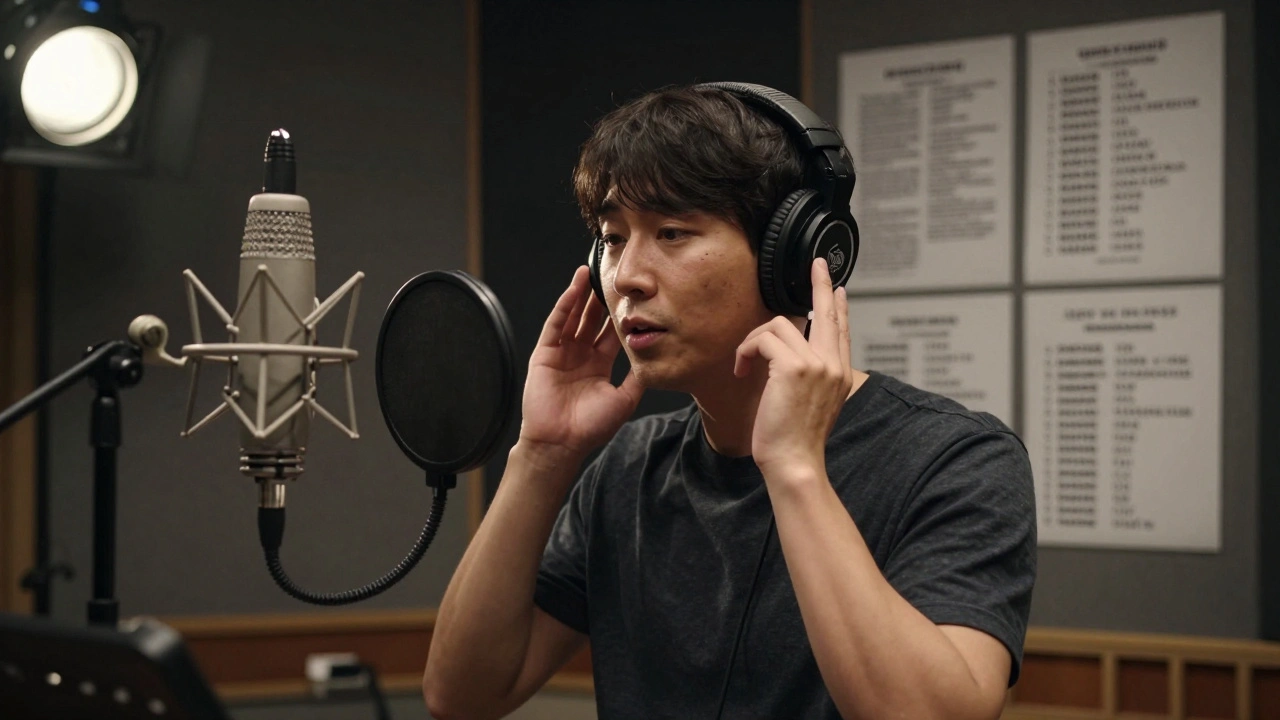
Good dubbing matches lip movements, emotional beats, and cultural context. Take the Spanish dub of Parasite. The voice actor for Kim Ki-taek didn’t just speak the lines-he adjusted timing to match the actor’s pauses, added subtle breaths during tense moments, and even changed intonation to reflect Seoul’s class dialects. The result? Audiences in Mexico City and Madrid felt the same gut-punch as viewers in Seoul.
Bad dubbing? It’s when a character screams “NO!” but the voice actor says it like they’re ordering coffee. Or when humor falls flat because a joke about local slang was replaced with something generic. In 2024, a survey of 12,000 non-English speakers showed that 71% stopped watching a film after the first 10 minutes because the dubbing felt “wrong.”
Modern studios are fixing this by hiring voice actors who live in the target region-not just speak the language. A French dub for a Brazilian film now uses Brazilian Portuguese voice actors, not Parisian ones. That small shift makes a huge difference in authenticity.
Who Benefits When Subtitles and Dubs Are Done Right?
It’s easy to think of accessibility as serving one group: deaf or hard-of-hearing viewers. But the truth is wider.
- Deaf and hard-of-hearing viewers need accurate, timed, and descriptive subtitles.
- Non-native speakers benefit from clear, simple language without idioms that don’t translate.
- Children and elderly viewers need slower pacing and larger, higher-contrast text.
- Neurodivergent audiences (like those with autism or ADHD) rely on consistent formatting and predictable cues to stay engaged.
- Viewers in noisy environments-commuters, parents with kids, workers on break-use subtitles as their primary way to follow the story.
When you design for one group, you improve the experience for all. That’s the core of inclusive design.
The Tech Behind Better Accessibility
Tools are getting smarter. AI now helps generate initial subtitle drafts, but humans still have to refine them. Why? Because machines can’t yet understand cultural nuance.
Platforms like YouTube and Vimeo now support adaptive subtitles-viewers can toggle between standard, descriptive, and simplified versions. Some apps even let users adjust text size, color contrast, and background opacity. In 2025, Apple added a feature that lets viewers choose between literal and culturally adapted dubs for the same film.
There’s also a rise in community-driven subtitle projects. Groups like Open Subtitles and CCMix let volunteers contribute high-quality, culturally informed translations. One volunteer group in Nigeria spent six months dubbing a Nigerian drama into 12 local languages-not just English and French. The result? Viewership jumped 300% in rural areas.
What Studios Are Still Getting Wrong
Many studios still treat accessibility as a legal checkbox. They hire one translator, slap on a subtitle file, and call it done. But accessibility isn’t a task. It’s a philosophy.
Here’s what fails:
- Using auto-generated captions from speech-to-text software without editing.
- Ignoring speaker identification-“Woman 2 says…” instead of “Lena whispers…”
- Translating humor literally, then wondering why audiences don’t laugh.
- Using the same voice actor for every character in a dub, regardless of age or gender.
- Not testing subtitles with real users from the target culture.
One indie film studio in Colombia made headlines in 2025 when they hired 14 different subtitle reviewers-each from a different Spanish-speaking country. They didn’t just fix errors. They caught cultural blind spots. A line about “a cold beer” was changed to “a cold cerveza” in Argentina, but in Mexico, it became “a cold cerveza helada.” These tiny changes made the film feel like home.
The Future Is User-Driven
The next wave of accessibility won’t come from studios. It’ll come from viewers.
More platforms are letting audiences upload their own subtitle tracks. Imagine watching a Korean film and choosing between a professional dub, a fan-made version with slang, or a simplified one for learners. That’s already happening on platforms like SubtitleHub and Amara.
And it’s working. A 2025 report from the International Film Accessibility Council showed that films with community-submitted accessibility tracks had 40% higher retention rates among non-native viewers. People don’t just watch-they stay. They rewatch. They recommend.
Accessibility isn’t about pity. It’s about power. When you give someone the tools to fully experience a story, you’re not helping them. You’re letting them in.
What You Can Do
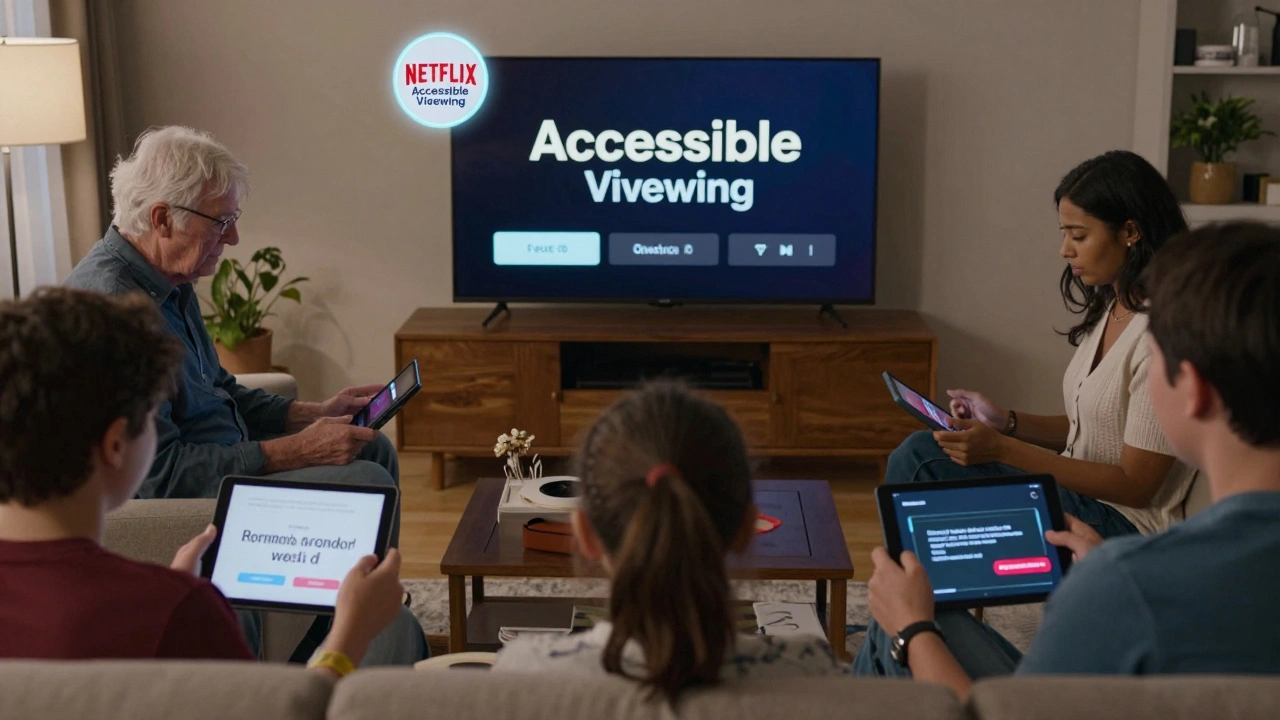
If you’re a viewer: Support films that list accessibility features. Look for the Accessible Viewing badge on streaming platforms. Leave reviews that praise good subtitles and dubs. Demand better.
If you’re a creator: Budget for accessibility from day one. Hire native-speaking translators who understand cultural context. Test your dubs with real audiences. Don’t assume one version works for all.
If you’re a platform: Offer multiple subtitle options. Let users customize text appearance. Highlight accessibility features in search results. Make it easy to find.
This isn’t about being politically correct. It’s about being human. A film that reaches only half the world isn’t a global film. It’s a missed opportunity.
Do all streaming platforms offer inclusive subtitles and dubs?
No. Major platforms like Netflix, Disney+, and Amazon Prime have strict accessibility standards and often include descriptive subtitles, multiple dubbing options, and customizable text. But many smaller platforms, especially regional services or indie film distributors, still offer only basic subtitles without sound descriptions or cultural adaptations. Always check the accessibility settings before watching.
Can AI replace human translators for dubs and subtitles?
AI can help generate rough drafts and time subtitles faster, but it can’t yet capture tone, humor, cultural context, or emotional nuance. A machine won’t know that a sarcastic “Oh, great” in English needs to become a resigned sigh in Spanish, or that a joke about local politics in Japan won’t land in Brazil. Human translators and voice actors are still essential for quality.
Why do some dubs sound so unnatural?
It’s usually because the voice actors weren’t given enough time, direction, or cultural context. In rushed productions, actors may record lines without watching the original performance, leading to mismatched lip sync and flat emotion. Good dubs require multiple takes, feedback from native speakers, and sometimes even re-recording entire scenes to match pacing and feeling.
Are subtitles only for deaf viewers?
No. While subtitles are vital for deaf and hard-of-hearing audiences, they also help non-native speakers, children, people in noisy environments, and those learning a language. In fact, studies show that over 60% of viewers use subtitles even when they understand the original language-mostly to focus better or catch dialogue in loud scenes.
How can I tell if a film’s subtitles are truly inclusive?
Look for these signs: speaker identification (e.g., “Maria:”), sound descriptions (e.g., “[glass shatters]”), punctuation that reflects tone (e.g., “...really?”), and consistent formatting. If all dialogue is presented the same way, regardless of emotion or context, it’s likely not inclusive. Also check if the subtitles match the cultural tone-not just the literal translation.



Comments(7)