
Most people think of film festivals as red carpets and big studio premieres. But there is a whole other world happening in basements, empty warehouses, and community centers across the globe. This is where underground film festivals thrive. These events are not about box office numbers or celebrity sightings. They are about pushing the boundaries of what a movie can be. If you are tired of algorithm-driven content that looks exactly like everything else, this is where you need to look.
The underground circuit operates on a different set of rules. The budget is low, the audience is small but intense, and the creative freedom is absolute. Directors here are not trying to please a focus group; they are trying to express a specific vision, no matter how strange or difficult it may be. For cinephiles who want to see the future of cinema before it hits mainstream streaming services, these festivals are the gold mine.
What Defines an Underground Festival?
To understand the value of these events, you have to define them clearly. An underground film festival is typically a non-profit or volunteer-run event that focuses on Avant-Garde Cinema is a genre of filmmaking that prioritizes artistic expression over narrative convention, often using abstract visuals, non-linear storytelling, and unconventional sound design. Unlike major industry fests like Cannes or Sundance, which still cater to commercial viability, underground fests reject the four-quadrant blockbuster model entirely.
These festivals usually feature films that are hard to categorize. You might see a 40-minute piece shot on 16mm film with no dialogue, followed by a digital glitch art experiment that runs for three hours. The common thread is risk. Every project in these lineups takes a chance that might fail commercially but succeeds artistically. This environment attracts filmmakers who feel boxed in by traditional studio systems.
Why the Underground Scene Matters Now
You might wonder why anyone cares about obscure screenings in 2026. The answer lies in the homogenization of mainstream media. Streaming algorithms push us toward similar content, creating a feedback loop where every show starts and ends the same way. Underground festivals break that loop. They expose audiences to new visual languages and narrative structures that eventually seep into mainstream culture.
Think about the influence of early independent cinema on today’s prestige television. Many techniques we now take for granted-long takes, ambiguous endings, character studies without clear plots-were pioneered in smaller, less formal settings. Today, the underground scene is even more vital because technology has democratized production. You don’t need a million dollars to make a weird, beautiful film anymore. You just need a camera, a vision, and a platform willing to show it.
Top Destinations for Experimental Work
If you are ready to explore this world, here are some of the most significant hubs for experimental work. While local pop-ups happen everywhere, these established events set the tone for the global underground scene.
- Short Shorts Film Festival (Japan): Known for its strict time limits and international scope, this fest is a playground for micro-narratives and visual poetry. It proves that you don’t need hours to tell a compelling story.
- Locarno International Film Festival (Switzerland): While it has a main competition, its "Pardi di Domani" section is legendary for discovering raw, unpolished talent from around the world. It’s a bridge between the truly underground and the emerging professional scene.
- Slamdance (USA): Born out of frustration with Sundance, Slamdance remains the home of the maverick. Its lineup is intentionally chaotic, featuring everything from found-footage documentaries to interactive video games presented as films.
- International Film Festival Rotterdam (Netherlands): This fest is a pioneer in showcasing European arthouse cinema. It has a strong focus on social realism and experimental documentary forms, making it essential for those interested in non-fiction innovation.
Each of these events offers a different flavor of experimentation. Some lean heavily into abstraction, while others focus on social commentary through unusual formats. The key is that none of them require your film to fit a standard runtime or genre expectation.
How to Navigate the Lineup
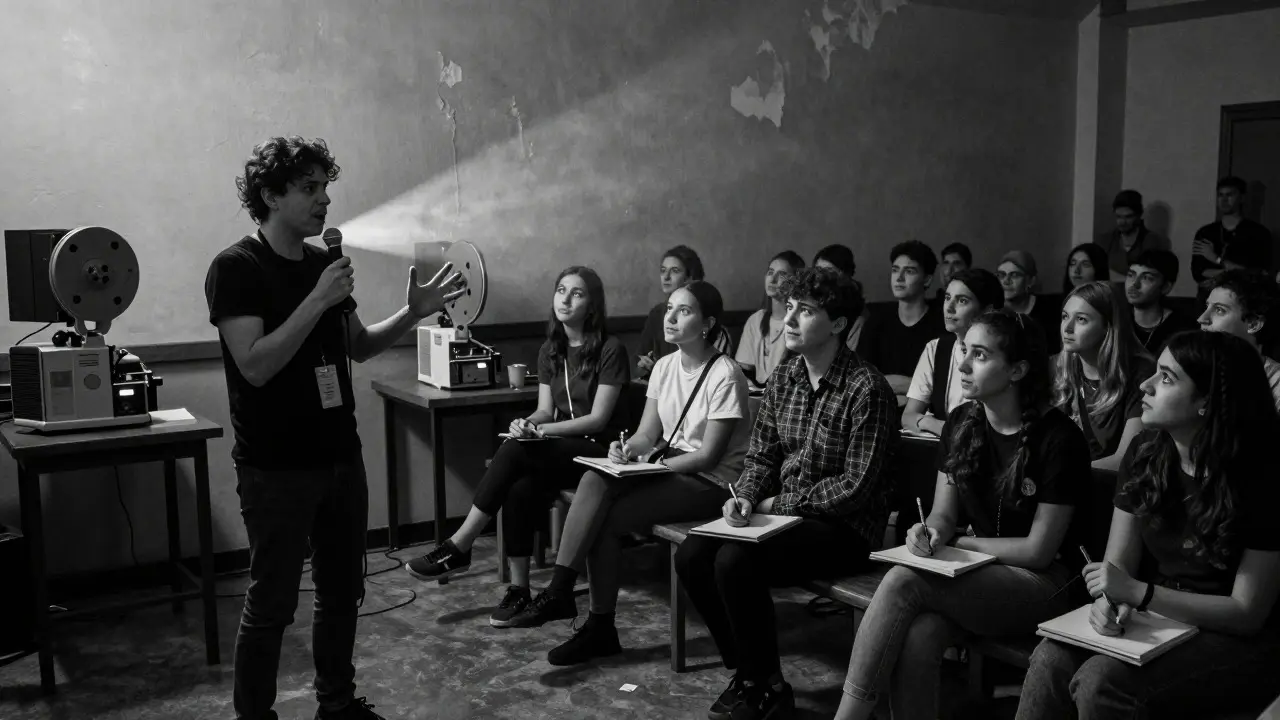
Walking into an underground festival can be overwhelming. The descriptions are often vague, and the titles are cryptic. Here is how to make the most of your experience:
- Ignore the Star Power: There won’t be A-list celebrities walking the aisles. Focus on the director’s previous work instead. If they made something striking five years ago, their new experimental piece is likely worth your time.
- Mix Genres: Don’t stick to one type. Pair a silent short with a loud, chaotic feature. The contrast helps you appreciate the specific choices each filmmaker made.
- Attend Q&As: In underground settings, directors are accessible. Asking questions reveals the intent behind the chaos. Sometimes, a film makes much more sense when the creator explains their process.
- Embrace Discomfort: Not every film will be enjoyable. Some are meant to provoke, confuse, or challenge. That is part of the point. Allow yourself to sit with the discomfort rather than checking your phone.
Supporting the Community
Attending is only half the job. The underground ecosystem relies on word-of-mouth and direct support. When you leave a screening, talk to people. Share recommendations on social media using specific hashtags related to the festival. Buy the program book if they sell one. These small acts keep the lights on for next year’s event.
Many of these festivals also offer submission windows for aspiring filmmakers. If you have a project that doesn’t fit anywhere else, this is your outlet. The barriers to entry are lower, and the feedback is more honest. It is a space where the quality of the idea matters more than the polish of the execution.
| Feature | Mainstream Festivals | Underground Festivals |
|---|---|---|
| Primary Goal | Sales, Awards, Industry Networking | Artistic Expression, Audience Discovery |
| Film Selection Criteria | Commercial Viability, Star Cast | Innovation, Risk-Taking, Uniqueness |
| Audience Size | Large, General Public | Small, Niche Cinephiles |
| Director Accessibility | Limited, Guarded | High, Open to Dialogue |
| Typical Runtime | 90-150 Minutes | Variable (10 mins - 4 hours) |
The Future of Experimental Cinema
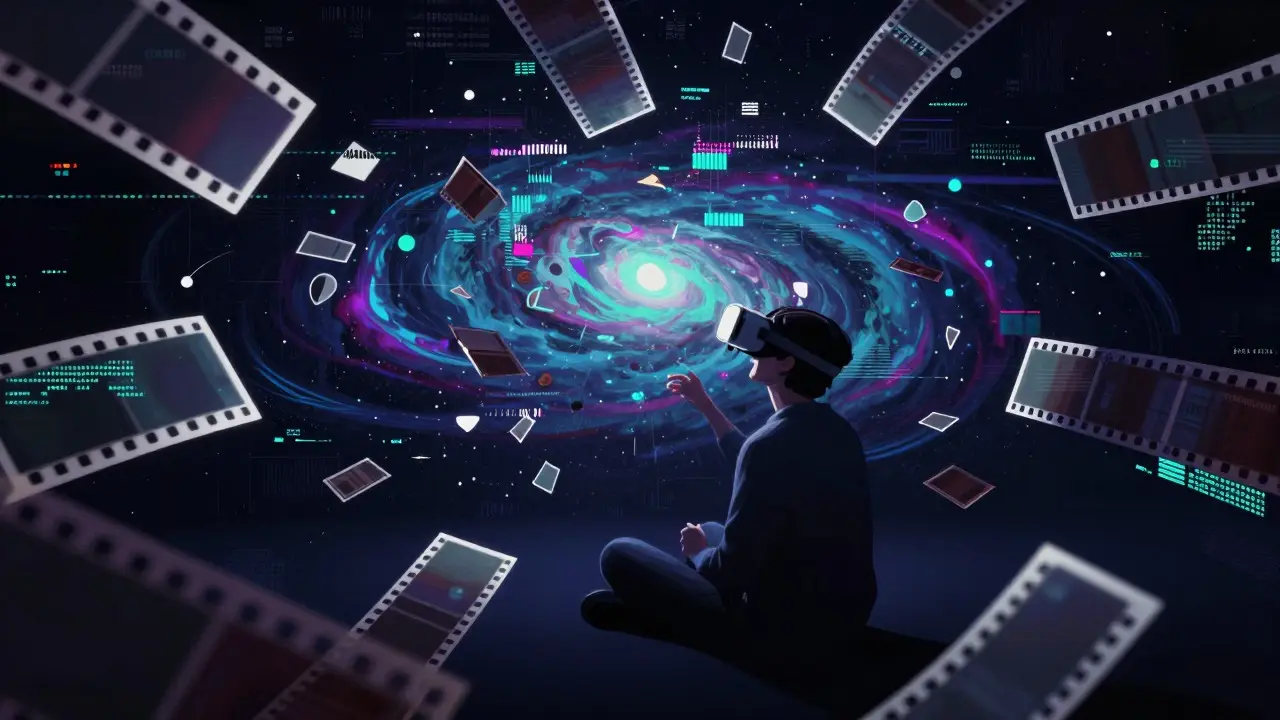
Where is this all going? Technology is changing the landscape again. Virtual reality and augmented reality are finding their place in underground programming. We are seeing more interactive films where the audience chooses the path, blurring the line between cinema and gaming. However, the core spirit remains the same: a rejection of the status quo.
As long as there are filmmakers who want to say something that doesn’t fit into a neat package, there will be underground festivals to show their work. It is a reminder that cinema is not just a product; it is an art form. And art, by definition, must be free to be strange.
Frequently Asked Questions
Do I need prior knowledge of film theory to attend?
No. While knowing terms like "mise-en-scene" or "diegetic sound" can help, it is not required. Most underground films rely on emotional impact and visual intuition rather than academic complexity. Just bring an open mind and a willingness to engage with unfamiliar styles.
Are tickets expensive at these festivals?
Generally, no. Because these events are often run by volunteers or small organizations, ticket prices are significantly lower than mainstream festivals. A full pass might cost a fraction of what a single night at a major industry event would. This keeps the barrier to entry low for students and working-class cinephiles.
Can I submit my own film to an underground festival?
Yes, almost all of them accept submissions. Look for the "Call for Entries" on their official websites. Be prepared for longer review times and stricter selection criteria based on artistic merit rather than production value. Many successful careers started with a short film accepted at a local underground fest.
What equipment do filmmakers use for these projects?
Anything goes. You will see high-end cinema cameras, vintage Super 8s, smartphones, and even analog synthesizers used for audio. The choice of medium is usually dictated by the aesthetic the director wants to achieve. A grainy 16mm look feels different from a crisp digital 4K image, and both are valid tools for expression.
How does the underground scene differ from indie film?
Indie film often refers to independently financed movies that still aim for broad appeal, like the works of A24. Underground cinema is a subset of indie that specifically rejects mainstream conventions. It is more radical, less polished, and often harder to watch. Think of indie as the wide road and underground as the off-road trail.



Comments(8)