
Getting nominated for a major award feels like winning. The headlines roll in, the interviews stack up, and suddenly your movie is everywhere. But here is the hard truth: a nomination does not pay the bills. Not directly. You still need people walking into theaters. This is where Awards Re-Expansion comes in. It is the strategic push to widen a film’s theatrical footprint right after it lands on a shortlist or wins a prize. Most indie films start small, playing in just a handful of cities. If you do nothing, they fade away. If you act fast, you turn that buzz into actual ticket sales.
We are talking about a specific window of time. Usually, this happens between January and March, during the so-called "awards season." The goal is simple: convert cultural prestige into commercial success. It requires coordination between studios, distributors, and theater chains. It also demands a shift in marketing tactics. You stop selling the plot and start selling the moment. Let’s look at how this works in practice.
The Anatomy of the Awards Bump
First, you have to understand what drives the surge. When a film gets nominated for an Oscar, a Golden Globe, or a BAFTA, it gains immediate credibility. Audiences trust these institutions. They see the logo on the poster and think, "This is worth my time." This phenomenon is often called the "Oscar bump," but it applies to other major awards too.
The data supports this. Historically, Best Picture nominees see a significant spike in attendance. A study by The Hollywood Reporter showed that many mid-budget dramas double their weekly earnings within days of the nominations announcement. However, the bump is not automatic. It depends heavily on availability. If a movie is only playing in three cities, most fans cannot buy tickets. That is why re-expansion is critical. You must meet the demand before it disappears.
Distributors watch the numbers closely. They track "legs," which means how long a film stays profitable in a given market. A strong opening weekend might not mean much if the film dies by week two. But a steady climb over six weeks? That signals sustained interest. Awards re-expansion aims to extend those legs by keeping the film relevant through continuous media coverage and increased screen counts.
Timing Is Everything
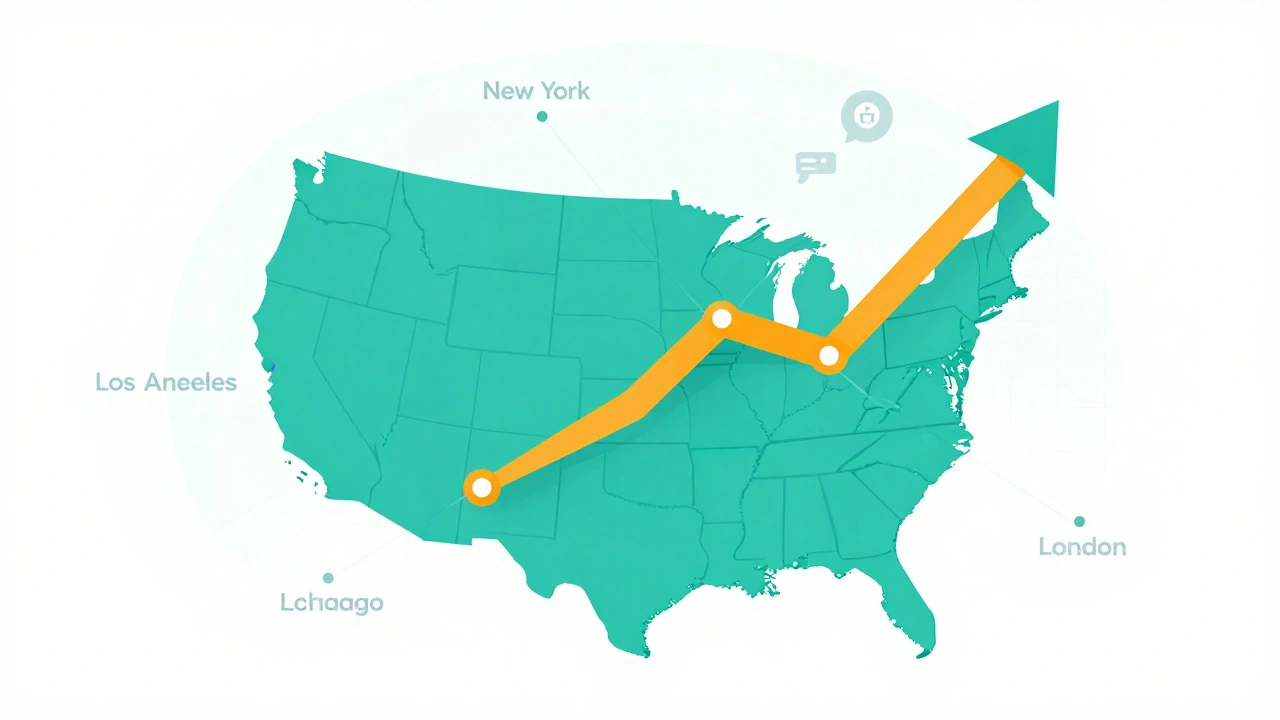
You cannot wait until the ceremony night to expand. By then, the news cycle has moved on. The sweet spot starts immediately after the nominations are announced. For the Oscars, this is usually late January. Distributors begin adding screens in key markets like New York, Los Angeles, Chicago, and London. They target urban centers with dense populations of cinephiles.
Here is a typical timeline for a successful re-expansion:
- Nomination Announcement (Day 0): Immediate press releases. Social media campaigns highlight the achievement. Distributors contact theater owners to secure additional screens.
- Week 1-2: Gradual expansion to 50-100 screens. Focus on cities with strong critic reviews. Release new trailers featuring clips from the film alongside award logos.
- Pre-Ceremony (3-4 Weeks Out): Peak expansion. Aim for 300+ screens nationally. Partner with streaming services for promotional boosts. Host special screenings or Q&A sessions with cast members.
- Ceremony Night: Real-time marketing. If the film wins, announce midnight showings the next day. If it loses, pivot to "spiritual victory" messaging-focus on audience love rather than industry validation.
- Post-Ceremony: Slow contraction. Keep the film in top markets for another 2-4 weeks to capture stragglers. Then move to Video on Demand (VOD) and physical media.
Messing up the timing can kill momentum. If you expand too early, you waste money on empty seats. If you expand too late, you miss the peak curiosity window. Precision matters.
Strategic Expansion vs. Wide Release
It is important to distinguish between a standard wide release and an awards re-expansion. A wide release happens when a blockbuster opens in 3,000+ theaters on day one. Think Marvel Studios or Warner Bros.. They rely on massive budgets and global recognition. Awards re-expansion is different. It is organic growth driven by word-of-mouth and critical acclaim.
Let’s compare the two approaches:
| Factor | Wide Release | Awards Re-Expansion |
|---|---|---|
| Initial Screen Count | 2,500+ | 10-50 |
| Marketing Budget | $100M+ | $5M-$20M |
| Primary Driver | Brand Recognition | Critical Acclaim |
| Risk Level | High (all-or-nothing) | Low (gradual scaling) |
| Target Audience | General Public | Cinephiles & Critics |
The beauty of re-expansion is its efficiency. You spend less upfront because you let the awards drive the conversation. As the buzz grows, you add screens. This minimizes financial risk while maximizing exposure. It works best for dramas, biopics, and foreign language films that may not have built-in fanbases but offer high-quality storytelling.
Leveraging Digital Marketing
In 2026, social media plays a huge role in re-expansion. Traditional ads matter, but organic engagement drives the real traffic. When a film gets nominated, hashtags trend automatically. Your job is to ride that wave.
Focus on platforms where film lovers gather. Letterboxd is essential. Users there are highly engaged and influential. Encourage them to review the film. Offer exclusive content or behind-the-scenes looks to incentivize posts. On TikTok, short clips of emotional scenes or funny moments can go viral quickly. These videos often include links to ticket purchase pages.
Email marketing is also powerful. Build a list of subscribers who care about independent cinema. Send them personalized updates about screening locations near them. Include direct booking links. Make it easy for them to act. Remember, convenience converts interest into revenue.
Collaborate with influencers. Find bloggers and podcasters who specialize in film criticism. Invite them to private screenings. Their honest opinions carry weight. A positive review from a trusted source can sway undecided viewers more than any ad campaign.
Theater Partnerships and Screen Management
You cannot expand without theater cooperation. Major chains like AMC Theatres, Regal Cinemas, and Cinemark control most large-format screens. Independent cinemas, such as Alamo Drafthouse or local arthouse venues, are crucial for initial buzz. They attract loyal audiences who appreciate niche films.
Negotiate favorable terms. Distributors often share box office revenue with theaters. Standard splits range from 50/50 to 70/30 in favor of the distributor for the first few weeks. During re-expansion, you might offer slightly better deals to secure prime showtimes. Morning slots and weekday matinees are cheaper but still valuable for capturing flexible audiences.
Monitor performance metrics daily. Look at per-screen averages. If a city performs well, add more screens there. If another city underperforms, pull back. This dynamic adjustment ensures you allocate resources efficiently. Data-driven decisions beat gut feelings every time.

Pitfalls to Avoid
Even with a good plan, things can go wrong. Here are common mistakes that hurt re-expansion efforts:
- Over-expanding too soon: Adding hundreds of screens before the buzz reaches those areas leads to low occupancy rates. Theater owners notice this and may refuse future collaborations.
- Igoring international markets: Many awards-nominated films find significant success abroad. Countries like France, Japan, and Australia have robust art-house circuits. Coordinate with international distributors early.
- Failing to adapt messaging: Once the ceremony passes, the narrative changes. Shift from "Award Winner" to "Audience Favorite." Highlight user-generated content and personal stories.
- Neglecting accessibility: Ensure screenings include closed captions and audio descriptions. Inclusive practices broaden your audience base and demonstrate social responsibility.
Another pitfall is relying solely on traditional media. Press junkets and newspaper ads help, but they reach limited demographics. Younger audiences discover films online. Balance old-school tactics with digital innovation.
Case Study: Success Stories
Look at recent examples. Everything Everywhere All At Once used aggressive re-expansion after its Oscar nominations. It started in just a few theaters but grew to over 1,000 screens by March. Its unique blend of action and emotion resonated widely. Smart marketing highlighted its universal themes, appealing beyond typical indie fans.
Similarly, Parasite benefited from global interest following its historic win. Korean theaters saw record-breaking attendance. International distributors capitalized on the momentum by scheduling premieres in major cities worldwide. The film became a cultural phenomenon, proving that awards can break language barriers.
These cases show that re-expansion is not just about logistics. It is about storytelling. Connect the award recognition to the human experience depicted in the film. Make viewers feel part of something bigger.
Next Steps for Distributors
If you are managing a film heading into awards season, start preparing now. Audit your current distribution network. Identify potential partners in key markets. Draft contingency plans for both winning and losing scenarios. Test your digital assets-are your landing pages optimized for mobile users? Are your social media channels active?
Build relationships with theater managers personally. Call them. Visit their venues. Show them why your film deserves their support. Personal connections often lead to better deals and priority scheduling.
Finally, stay flexible. The landscape changes rapidly. A sudden controversy or competing event can alter public sentiment. Monitor trends closely and adjust your strategy accordingly. Agility is your greatest asset in the post-nomination phase.
What is the average increase in box office revenue after an Oscar nomination?
On average, Best Picture nominees see a 30% to 50% increase in weekly box office revenue during the first two weeks after nominations are announced. However, this varies significantly based on the film's genre, prior visibility, and the strength of competition.
How many screens should I aim for during re-expansion?
Start with 50-100 screens in major metropolitan areas. If the film performs well, scale up to 300-500 screens nationally. Avoid exceeding 1,000 screens unless you have a proven track record of sustaining high attendance across diverse regions.
Does winning an award guarantee box office success?
No. While winning boosts visibility, it does not guarantee profitability. Films must already have strong word-of-mouth and clear audience appeal. Winning helps sustain momentum, but it cannot revive a poorly received movie.
When is the best time to launch a re-expansion campaign?
Immediately after the nominations are announced. Delaying even a few days can result in missed opportunities as media attention shifts to other topics. Early action allows you to capitalize on peak interest levels.
How do I measure the effectiveness of my re-expansion strategy?
Track key metrics such as per-screen average, total gross revenue, and ticket sales velocity. Compare these figures against pre-nomination baselines. Additionally, monitor social media engagement and website traffic to gauge overall awareness growth.