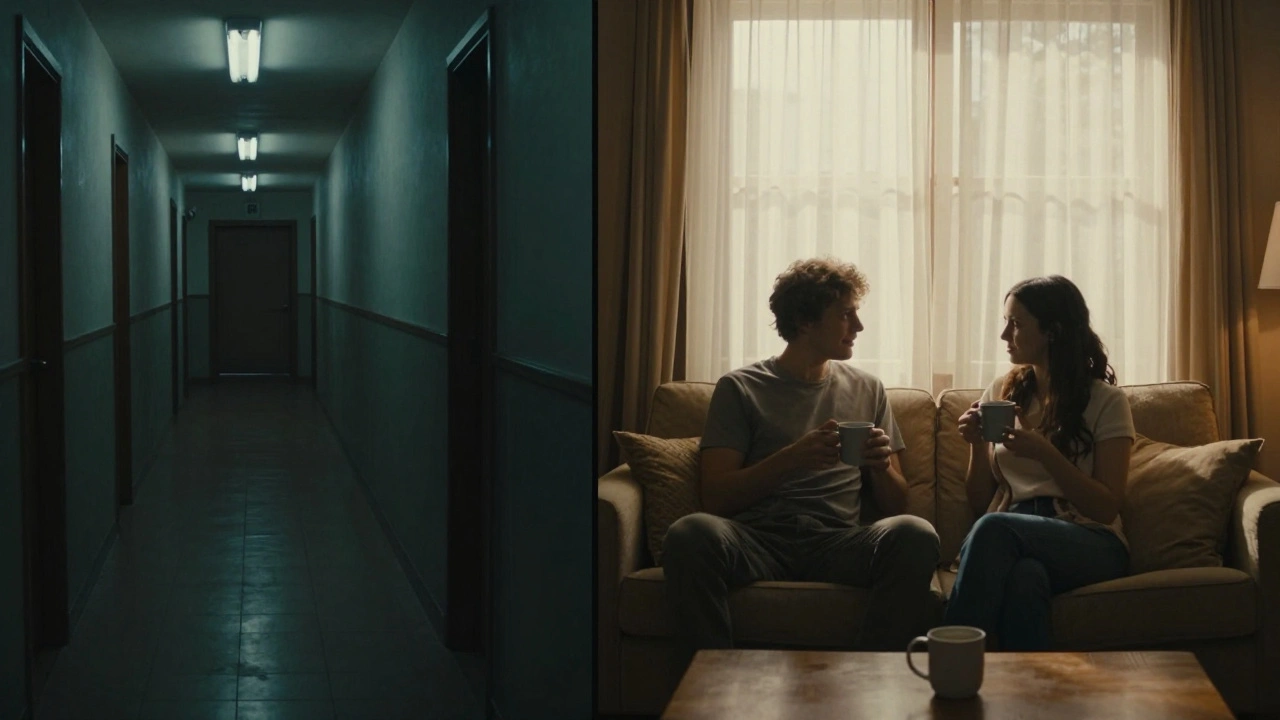
The era of throwing money at every possible script is over. If you look at the financial reports from major platforms like Netflix, Amazon Prime Video, and Disney+ in 2025 and early 2026, a clear pattern emerges. The expensive sci-fi epics and mid-budget dramas are struggling to find their audience. Meanwhile, two specific genres-horror and romance-are consistently delivering higher returns on investment than any other category. This isn't a coincidence. It’s a calculated shift in how streamers allocate capital.
You might wonder why these two seemingly opposite genres dominate the charts. Horror appeals to adrenaline and social viewing habits, while romance taps into universal emotional needs and comfort viewing. Both share a critical advantage: they have predictable audiences and lower production costs compared to action or fantasy blockbusters. Understanding this dynamic is key for anyone analyzing the current state of digital entertainment.
The Economics of Low-Budget High-Yield Genres
Let’s talk about the numbers first because that’s what drives executive decisions. In traditional Hollywood, a 'blockbuster' often costs $150 million to produce and another $100 million to market. For a streamer, those numbers are even higher when you factor in global licensing and exclusive talent fees. Now, compare that to a standard horror film or a contemporary romance. These productions typically run between $5 million and $20 million.
Budget Efficiency is the ratio of production cost to viewer engagement metrics. When a $10 million horror movie generates 50 million views, the cost per view is pennies. A $200 million sci-fi epic needs hundreds of millions of views just to break even in terms of subscriber retention value. Streamers have realized that it is safer to fund ten successful horror films than one risky mega-production. This strategy minimizes downside risk while maximizing upside potential.
This economic reality forces producers to be smarter with resources. Instead of spending millions on visual effects, horror directors rely on atmosphere, sound design, and practical effects. Romance filmmakers focus on strong performances and relatable scripts rather than expensive locations. The result is content that feels intimate and authentic, which resonates deeply with viewers tired of polished but soulless spectacles.
Horror: The Social Catalyst
Why does horror perform so well on streaming? It’s not just about scares. Horror has always been a social genre. People watch scary movies together-at drive-ins, in theaters, and now on living room couches. This communal aspect creates a built-in marketing engine. Viewers invite friends, discuss plot twists on social media, and create memes. This organic buzz is worth more than any paid advertising campaign.
In 2024 and 2025, we saw a surge in 'elevated horror'-films that blend traditional scares with artistic storytelling. Titles like *Talk to Me* and *Longlegs* proved that horror could attract mainstream audiences who previously avoided the genre. Streamers capitalized on this by acquiring rights to indie horror hits and greenlighting original projects with established directors. The appeal lies in the immediacy; horror delivers a visceral reaction that keeps viewers engaged from start to finish.
Furthermore, horror fans are loyal. They seek out new titles regularly, whereas casual viewers might only watch big-name franchises. By building a robust library of horror content, streamers ensure consistent traffic throughout the year, not just during award season or holiday periods. This steady demand makes horror a reliable anchor for subscription services.
Romance: The Comfort Constant
If horror is the thrill ride, romance is the safe harbor. Romance films offer emotional satisfaction without requiring intense concentration. After a long day, many viewers prefer content that provides closure and warmth. This 'comfort viewing' trend has exploded post-pandemic, as audiences crave stability and positive emotions. Romance delivers exactly that.
Consider the success of romantic comedies and period romances on platforms like Netflix and Hulu. These films often feature recognizable actors and familiar tropes, making them easy entry points for diverse demographics. Unlike complex thrillers or dense sci-fi plots, romance stories are universally understandable. A love story set in London, New York, or Mumbai can resonate with viewers globally because the core emotions-love, loss, hope-are shared across cultures.
Romance also benefits from high rewatchability. Fans revisit favorite scenes, quote dialogue, and recommend titles to friends. This longevity extends the lifespan of the content, providing ongoing value long after its initial release. For streamers, this means a single romance film can contribute to subscriber retention for years, not just weeks.

Data-Driven Content Acquisition
Streamers don’t guess anymore; they use data. Algorithms track viewing patterns, pause rates, completion percentages, and search queries. This data reveals exactly what viewers want. In recent years, the data clearly shows spikes in engagement for horror and romance categories, especially among younger demographics (Gen Z and Millennials).
Algorithmic Curation is the use of machine learning to personalize content recommendations based on user behavior. When a platform notices that users who watch one horror film tend to watch another within days, it signals high intent. Conversely, if viewers abandon a mid-budget drama halfway through, the algorithm flags it as less engaging. These insights guide acquisition deals and original programming budgets.
This approach allows streamers to niche down effectively. Instead of trying to please everyone, they target specific communities. For example, Amazon Prime Video has leaned into supernatural horror, while Netflix dominates in romantic comedies. By owning these verticals, platforms build brand identity and loyalty. You go to Netflix for laughs and love; you go to Shudder or Amazon for chills.
Comparison of Genre Performance Metrics
| Genre | Avg. Production Cost | Viewer Completion Rate | Social Engagement | Rewatchability |
|---|---|---|---|---|
| Horror | $5M - $20M | High (>85%) | Very High | Medium |
| Romance | $5M - $15M | High (>80%) | High | Very High |
| Action/Sci-Fi | $100M+ | Medium (~65%) | Medium | Low |
| Drama | $20M - $50M | Medium (~70%) | Low | Medium |
The table above illustrates why executives favor horror and romance. Lower costs combined with higher engagement metrics create a superior return on investment. Action and sci-fi may generate headlines, but they rarely sustain long-term subscriber growth without massive spending.

The Role of International Markets
Another crucial factor is global appeal. Horror and romance translate well across borders. While cultural nuances matter, the fundamental emotions driving these genres are universal. A Korean horror thriller or a British romantic comedy can find an audience in Brazil, India, or Germany. This global reach amplifies the value of each title.
Streamers have invested heavily in international productions within these genres. For instance, the success of *Train to Busan* inspired a wave of Asian horror acquisitions. Similarly, Latin American telenovelas and European art-house romances have found new life on global platforms. By diversifying sources, streamers reduce dependency on Hollywood-centric content and tap into emerging markets.
This strategy also helps combat local competition. In countries with strong domestic film industries, offering high-quality international horror or romance gives streamers a competitive edge. Viewers appreciate fresh perspectives, and these genres provide that variety without sacrificing accessibility.
Challenges and Future Trends
Despite their success, horror and romance face challenges. Audience fatigue is real. If every title feels formulaic, viewers will tune out. To stay ahead, streamers must encourage innovation within these genres. Hybrid genres-like horror-romance or sci-fi-romance-are gaining traction. These blends offer novelty while retaining core audience expectations.
Additionally, the rise of ad-supported tiers changes the equation. Ad revenue depends on volume and frequency. Horror and romance, with their high completion rates, are ideal for ad insertion. However, excessive ads can disrupt immersion, particularly in horror where tension is key. Balancing monetization with user experience remains a delicate task.
Looking ahead, expect more personalized content strategies. AI-driven tools will help tailor narratives to individual preferences, creating micro-genres within broader categories. For example, a 'cozy horror' subset for viewers who want mild scares, or 'fast-paced romance' for those seeking quick emotional fixes. This granularity will further optimize performance and deepen viewer loyalty.
Why do horror films have such low production costs?
Horror relies on atmosphere, suspense, and practical effects rather than expensive CGI or large-scale action sequences. Directors can achieve impactful results with smaller crews, limited locations, and creative lighting, keeping budgets tight while maintaining high quality.
Is romance still popular among younger audiences?
Yes, absolutely. Younger viewers, particularly Gen Z, engage heavily with romance content on social media platforms like TikTok. Romantic comedies and dramatic series drive significant discussion and fan creation, proving that the genre remains highly relevant and profitable.
How do streamers decide which genres to invest in?
How do streamers decide which genres to invest in?
They use data analytics to track viewer behavior, including completion rates, search trends, and social engagement. Genres with high ROI, such as horror and romance, receive more funding because they consistently retain subscribers and generate organic buzz.
What is 'elevated horror'?
Elevated horror refers to horror films that incorporate artistic elements, complex themes, and character-driven narratives. These films appeal to both hardcore horror fans and mainstream audiences, expanding the genre's commercial viability on streaming platforms.
Can action films ever compete with horror and romance in profitability?
Action films can be profitable, but they require significantly higher investments. Unless they become global phenomena, their risk-to-reward ratio is less favorable than horror or romance. Streamers prefer the consistent, lower-cost wins provided by these two genres.







Comments(9)