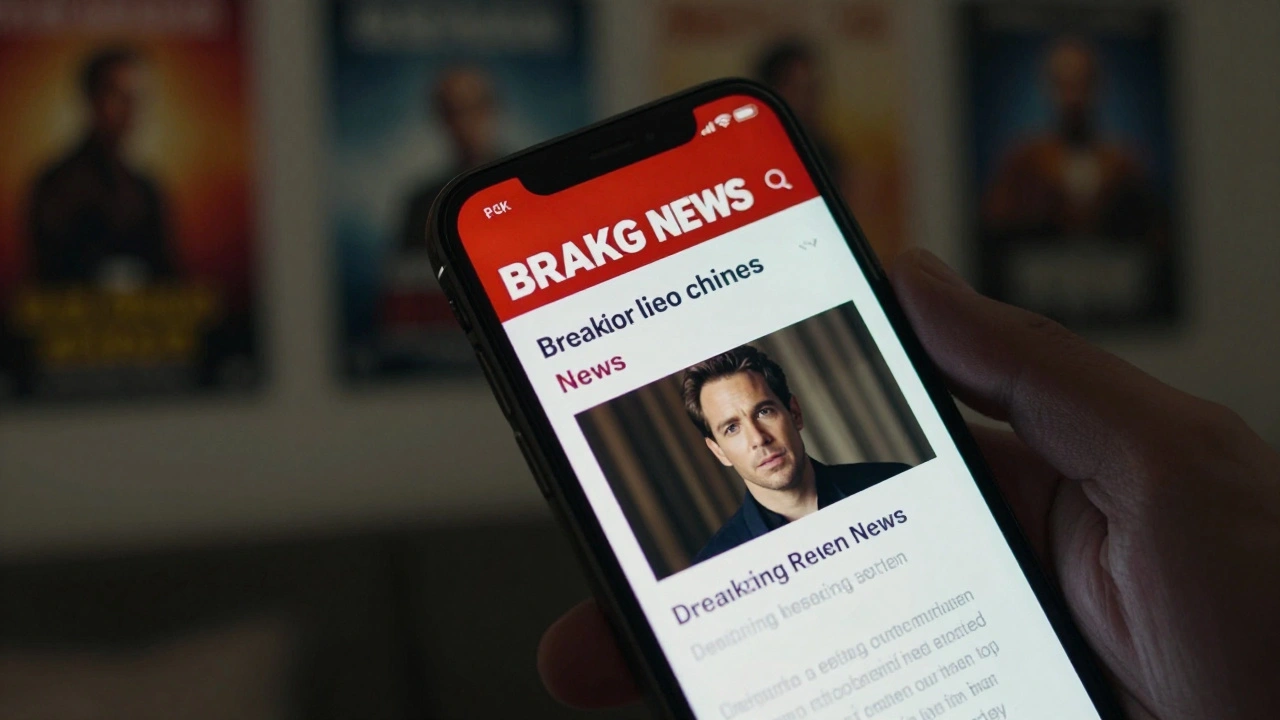
Think about the last time you got genuinely excited for a movie that hasn't even started filming yet. Chances are, it wasn't because of a plot leak or a vague teaser. It was likely a single tweet or a trade report stating that a specific actor had signed on for a lead role. When a studio announces a cast, they aren't just filling a job vacancy; they are launching the first wave of a massive psychological campaign. casting news is the most potent tool in a studio's pre-production arsenal because it transforms an abstract idea into a tangible expectation.
Quick Takeaways
- Casting acts as a "shorthand" for the movie's tone and quality.
- Strategic leaks create organic conversation before official trailers exist.
- Star power reduces the financial risk by guaranteeing a baseline audience.
- Wrong casting choices can create "negative buzz" that is hard to erase.
The Psychology of the "Big Reveal"
Why does a name on a piece of paper move the needle so much? It's about mental mapping. When a studio announces that Margot Robbie is playing a lead, the audience immediately associates her previous successes, her screen presence, and her specific brand of energy with the new project. This is a form of cognitive shortcut.
For the studio, this is an early validation of the project. If a high-profile actor joins a film, it signals to the industry and the public that the script is worth their time. It creates a "halo effect" where the prestige of the actor rubs off on the unproduced film. Imagine a project with a generic title like "Project X." It means nothing. Now, announce that Christopher Nolan is directing and Cillian Murphy is starring. Suddenly, the same "Project X" is an event people are willing to track for two years.
Turning Talent Acquisition into a Campaign
The timing of these announcements is never accidental. Studios don't just announce a cast because the contracts are signed; they do it to kill a news dry spell or to pivot a narrative. This is where we see the transition from simple HR news to a full-blown marketing strategy.
There are three main ways studios deploy this: the "Slow Drip," the "Power Play," and the "Shock Factor." The slow drip involves leaking one name every few weeks to keep the movie in the social media cycle. The power play is the simultaneous announcement of an A-list ensemble to signal a "blockbuster" scale. The shock factor happens when a studio casts someone completely unexpected-like putting a classically trained stage actor in a goofy comedy-to spark debate and curiosity.
| Strategy | Primary Goal | Typical Example |
|---|---|---|
| The Slow Drip | Sustained Awareness | Adding supporting cast over 6 months |
| The Power Play | Immediate Hype | Announcing 5 A-listers in one press release |
| The Shock Factor | Viral Conversation | Casting a non-actor or an unexpected veteran |
The Role of Trade Publications and Organic Hype
Most casting news doesn't come from a studio press release first. It comes through Variety or The Hollywood Reporter. This is a calculated move. A formal press release feels like an ad; a "scoop" in a trade publication feels like news. It allows the information to feel organic, as if the public is discovering a secret.
Once the news hits these outlets, the conversation moves to Reddit and X (formerly Twitter). Here, the marketing shifts from the studio to the fans. People start creating fan-casts, comparing the actor to the original source material (if it's a book or comic), and debating whether the choice is "right." This is free labor for the studio. Thousands of people are spending hours discussing a movie that doesn't have a single frame of footage yet.
Managing the Risk of "Miscasting" Buzz
Marketing through casting is a double-edged sword. If the internet decides an actor is a poor fit for a role, the buzz doesn't disappear-it just turns negative. We've seen this happen repeatedly with major franchise reboots. When a casting choice clashes with the audience's mental image of a character, it creates a "friction point."
The danger here is that negative buzz is often louder than positive buzz. However, some studios use this to their advantage. By leaning into the controversy, they ensure that everyone is talking about the film. The goal shifts from "Do they like this actor?" to "I have to see this to see if it actually works." It's a gamble, but in a crowded marketplace, a heated debate is often better than total silence.
The Financial Bridge: Casting as a De-risking Tool
Beyond the fans, casting announcements are aimed at investors and distributors. In the world of Film Financing, a lead actor is essentially a collateral asset. A project is much easier to fund if it has a "bankable" star attached.
When a studio announces a major star, they are telling the financiers: "We have a guaranteed floor for our opening weekend." This allows the production to secure better loans, higher budgets, and more favorable distribution deals. The casting news is a signal of stability. It proves that the project has reached a level of maturity where the industry's top talent is willing to bet their reputation on it.

From Announcement to Opening Night
The journey from a casting leak to a theatrical release is a long game. The most successful films use casting as the first chapter of a story. They start with a name, move to a "first look" photo, transition to a teaser trailer, and finally hit the full marketing blitz.
If you skip the casting phase and go straight to the trailer, you lose the opportunity to build a relationship with the audience. By the time the trailer drops, the audience should already have an emotional investment in who is playing the lead. The trailer then simply confirms the expectations that the casting news spent months building.
Does casting news always lead to more ticket sales?
Not necessarily. While star power creates an initial spike in interest, the long-term success depends on the quality of the film. However, it significantly increases the likelihood of a strong opening weekend by attracting the actor's core fanbase.
Why do studios sometimes "leak" casting news instead of announcing it?
Leaks feel more authentic and less like a corporate advertisement. When a reputable journalist "discovers" a casting choice, it generates organic curiosity and encourages fans to speculate, which keeps the project trending for longer than a single press release would.
What is a "fan-cast" and how does it affect marketing?
A fan-cast is when audiences suggest which actors should play certain roles. Studios monitor these trends to see who the public wants. If a studio casts a fan-favorite, the news is received as a "win" for the community, creating immediate positive sentiment.
Can a bad casting announcement ruin a movie?
It can create a massive uphill battle. While it rarely "kills" a movie entirely, it can create a narrative of failure before the movie is even made, forcing the marketing team to spend more money and effort to convince the audience that the choice was actually a good one.
How does casting news impact indie films compared to blockbusters?
For indie films, a single well-known name can be the difference between getting distributed or staying in a festival. For blockbusters, casting is more about maintaining a brand image and ensuring the movie feels like a "global event."
Next Steps for Following Film Buzz
If you're tracking a movie in development, don't just look at the official social media pages. Follow the trade journals and industry insiders who specialize in "leaks." Pay attention to the patterns of announcements-is the studio revealing the cast all at once or slowly? This usually tells you whether they are confident in the project's broad appeal or if they are trying to manufacture interest from scratch.
For creators and marketers, the lesson is clear: the product doesn't have to be finished to start the conversation. Use the milestones of your creation process as marketing beats. Whether it's a new hire, a first draft, or a prototype, every step of the way is an opportunity to build a narrative that makes the final reveal feel inevitable.







Comments(7)