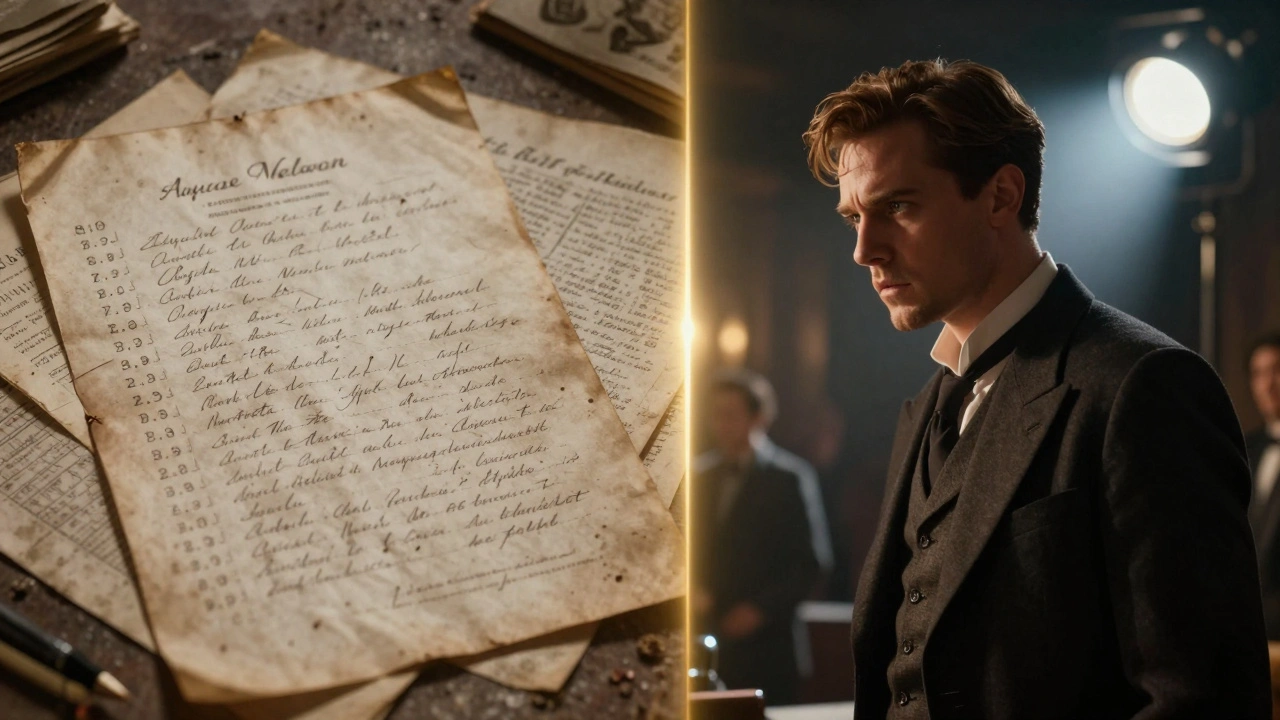
To get this right, filmmakers use biopics is a subgenre of biography and cinema that dramatizes the life of a real person. Also known as biographical motion pictures, these films aren't intended to be legal depositions. Instead, they aim to capture the essence of a human experience. When a director decides to merge three real-life assistants into one "composite character," they aren't trying to lie to you. They're trying to keep the plot from becoming a cluttered mess of faces you can't remember.
The Art of the Composite Character
One of the oldest tricks in the book is the composite character. Imagine if every single person Oppenheimer interacted with in the 1940s had their own scene. The movie would be six hours long and feel like a phone book. Instead, writers combine multiple real people into one character who represents a specific role-like the "loyal confidant" or the "critical rival." This allows the story to move faster while still hitting the emotional truths of the subject's life.
Take a look at how this works in practice. By condensing a timeline, a filmmaker can make a ten-year struggle feel like a focused three-act play. If a person spent five years gradually realizing they were a genius, a movie might show that realization happening over one intense weekend. Does it change the facts? Yes. Does it make the audience feel the pressure and the breakthrough more intensely? Absolutely. This is the trade-off between chronological accuracy and narrative pacing.
Emotional Truth vs. Literal Fact
There is a massive difference between what actually happened and what it felt like. Filmmakers often chase "emotional truth." This means that even if a specific conversation never happened in a specific room, the conversation represents a conflict that was very real in the subject's life. If a director puts a dramatic confrontation between a father and son in a movie, but in real life they only communicated through stern letters, the scene serves as a metaphor for their stunted relationship.
This approach is often seen in the work of Christopher Nolan, who focuses on the internal psychological state of his subjects. In his approach, the environment and the sound design often act as proxies for the character's mental health. The goal isn't to recreate a day in the life, but to recreate the biopics experience of being inside that person's head. When the music swells and the editing becomes frantic, the film is telling you how the character felt, which is often more honest than a list of dates.
| Approach | Focus | Pros | Cons |
|---|---|---|---|
| Strictly Accurate | Chronology & Verbatim Record | High credibility, educational | Can feel episodic or dry |
| Narrative Dramatization | Emotional Arcs & Themes | Engaging, high emotional impact | Risk of misleading the audience |
| Impressionistic | Mood & Psychological State | Artistic, explores inner conflict | Can feel abstract or vague |
The Danger of the "Great Man" Myth
A common pitfall in biographical films is the tendency to polish the subject. When a studio spends $100 million on a movie, they want the audience to love the lead character. This leads to the "Great Man" trope, where the subject's flaws are brushed over or framed as "misunderstood quirks." This is where the balance of truth and drama often tips too far toward the drama. When a film ignores the darker parts of a person's history to create a more inspiring arc, it stops being a study of a human and starts being a hagiography.
The most successful modern biopics avoid this by embracing the messiness of their subjects. They show the vanity, the cruelty, and the failures. By highlighting the contradictions in a person's character, the movie actually feels more authentic. A person who is perfectly moral for two hours of screen time isn't a real person; they're a caricature. The drama becomes more compelling when the "truth" includes the parts of the story that make us uncomfortable.
Technical Tools for Authenticity
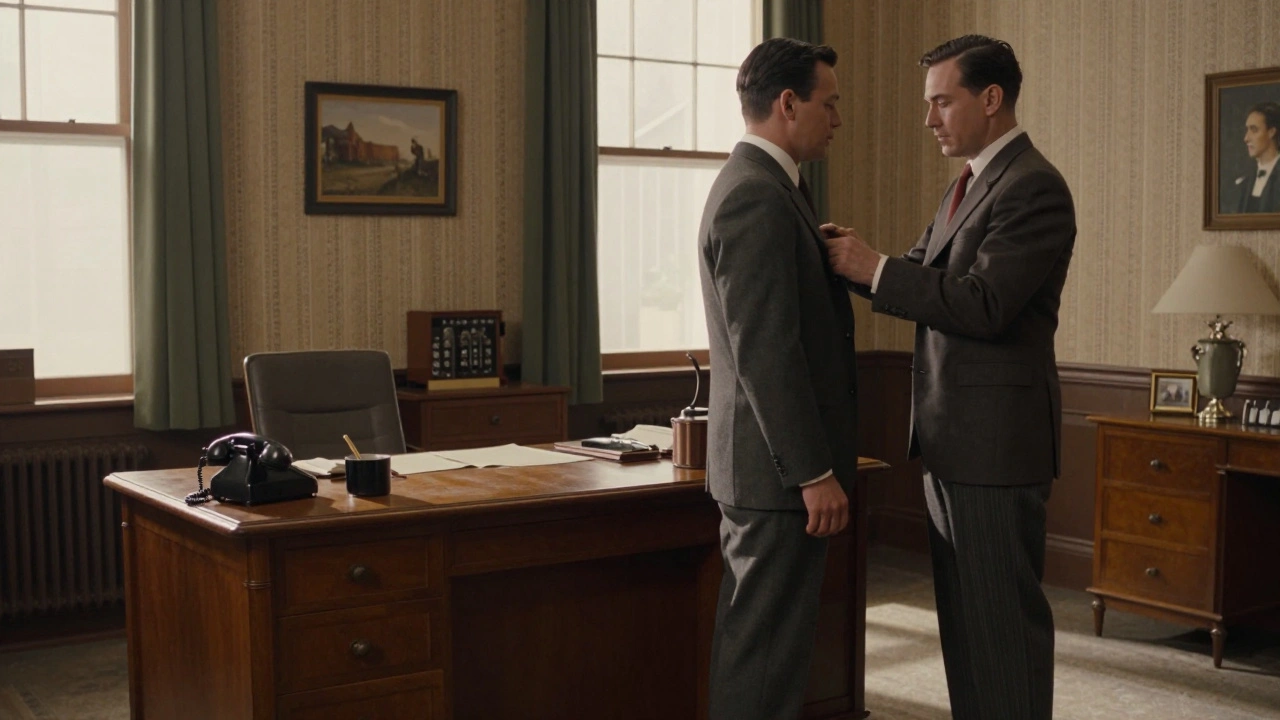
While the script might take liberties, the production design often works overtime to anchor the movie in reality. This is where Production Design comes in. Using actual locations, recreating period-accurate costumes, and sourcing original letters or diaries helps the audience trust the filmmaker. If the wallpaper is historically correct and the cars are the exact models from 1954, the viewer is more likely to forgive a slightly exaggerated argument in the second act.
Furthermore, the use of Method Acting allows actors to bridge the gap between a script and a soul. When an actor spends months studying the gait, the voice, and the habits of a real person, they bring a layer of truth that doesn't exist in the written word. This physical authenticity acts as a bridge, making the dramatized scenes feel grounded in a real human presence.
The Ethics of Creative License
Where do we draw the line? Is it okay to change the ending of someone's life for a more powerful cinematic closing? Some argue that as long as the "core truth" remains, any change is fair game. Others believe that distorting the facts of a real person's life is a betrayal. The answer usually depends on the intent. If a film changes a detail to make the story clearer or more emotional without changing the nature of the person, it's generally accepted as Cinematic Liberty.
However, when a film creates a fake villain or an invented romance that fundamentally changes how we perceive a person's morality, it crosses into dangerous territory. The best biopics are the ones that treat the audience with respect, acknowledging that the film is an interpretation, not a mirror. The goal should be to inspire the viewer to go read the real biography, not to convince them that the movie is the only source of truth.
Judging a Biopic's Success
So, how do you actually judge if a movie balanced truth and drama well? Don't start by counting the errors. Instead, ask yourself: "Does this feel like that person?" If the movie captures the internal logic of the subject-their fears, their drive, and their blind spots-it has succeeded, regardless of whether a specific meeting happened on a Tuesday or a Thursday.
The best films in this genre function like a conversation between the past and the present. They use the tools of cinema-lighting, music, and pacing-to translate a life into a language we can all understand. They recognize that a human life is a sprawling, chaotic thing, and the act of turning it into a two-hour movie is, by definition, an act of translation. The most honest biopics are the ones that don't pretend to be perfect records, but instead offer a deeply felt interpretation of a life lived.
What is the difference between a biopic and a documentary?
A documentary aims to record reality using evidence, interviews, and archival footage to present a factual account. A biopic is a dramatized narrative; it uses actors and scripts to interpret a person's life, often prioritizing emotional impact and storytelling structure over strict chronological accuracy.
Why do biopics use composite characters?
Composite characters are used to simplify the narrative. In real life, a person might have twenty different mentors; in a movie, having twenty different actors play mentors would confuse the audience and slow down the plot. Combining them into one character allows the movie to maintain focus and emotional continuity.
Is it unethical to change facts in a biographical film?
It depends on the scale and intent. Most critics and historians accept "creative license" for the sake of pacing or clarity. However, it becomes unethical when the changes maliciously distort a person's character or invent scandals that never happened, fundamentally misrepresenting who the person was.
What is "emotional truth" in cinema?
Emotional truth refers to the feeling or essence of an experience rather than the literal facts. For example, if two people had a strained relationship for decades, a movie might create one intense argument to represent that lifelong tension, even if that specific fight never occurred.
How does production design help a biopic feel more real?
When the visual details-like clothing, architecture, and props-are historically accurate, it creates a sense of authenticity. This "visual truth" helps the audience trust the filmmaker, making them more receptive to the dramatized elements of the script.
Next Steps for Film Buffs
If you want to dig deeper into how these films are made, try watching a "making-of" featurette specifically focused on the research phase. Seeing how historians and writers sift through thousands of pages of diaries to find one single line of dialogue can give you a new appreciation for the balance they're trying to strike.
For those who feel cheated by a movie's inaccuracies, the best move is to treat the film as a jumping-off point. Use the movie to get interested in the person, then find a peer-reviewed biography. Comparing the two-the cinematic interpretation and the academic record-is actually one of the best ways to analyze how storytelling shapes our understanding of history.



Comments(7)