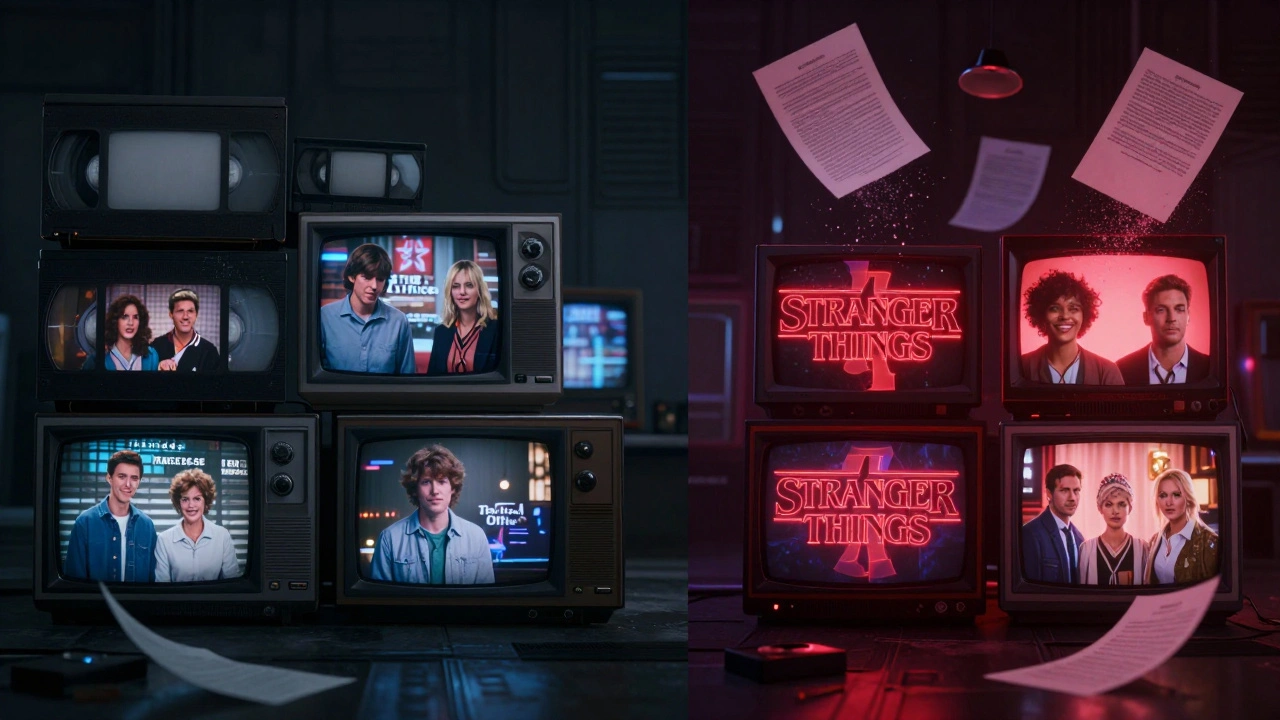
When you open Netflix, Hulu, or Disney+, what you see isn’t just a random collection of movies and shows. It’s a carefully built library - part bought, part made. And the balance between licensed films and streaming originals is changing fast. In 2024, Netflix spent $17 billion on content. Of that, $13 billion went to originals. That’s not a typo. Originals now make up the backbone of every major streaming platform’s strategy. But licensed content still matters - just differently than it used to.
Why Platforms Used to Rely on Licensed Films
Back in 2010, streaming services didn’t have the money or the muscle to make their own shows. They made do with what studios were willing to rent out. Netflix started by licensing old TV episodes and B-movies. Hulu built its library on network TV reruns. These weren’t glamorous picks, but they kept people subscribed.
Why? Because licensed content was cheap. A studio would sell a two-year license for a popular show like Friends or The Office for a fraction of what it cost to produce it. For platforms, it was a low-risk way to fill shelves. You didn’t need writers, actors, or studios. You just needed a contract and a payment schedule.
But here’s the problem: you don’t own it. Studios could - and did - pull shows at any time. When NBCUniversal pulled The Office from Netflix in 2020 to put it on Peacock, millions of subscribers felt the loss. That’s when platforms realized: if you’re building a library, you need to own the bricks, not just borrow them.
The Rise of Streaming Originals
Netflix’s big bet came in 2013 with House of Cards. It wasn’t just a show - it was a statement. They spent $100 million on two seasons, without testing the waters. And it worked. The show drew 100 million viewers in its first month. Suddenly, everyone else had to follow.
Originals became a way to lock in subscribers. If you’re paying $15 a month to watch Stranger Things, you’re not going to cancel just because Grey’s Anatomy leaves. Originals create loyalty. They become part of a brand. People don’t say, “I watch Netflix because of Friends.” They say, “I watch Netflix because of Stranger Things.”
By 2025, Disney+ had over 1,200 original titles. Amazon Prime Video released 400+ originals last year alone. HBO Max’s entire identity is built around Game of Thrones, Hacks, and The Last of Us. These aren’t just shows - they’re the reason people sign up.
What Happens When Licenses Expire?
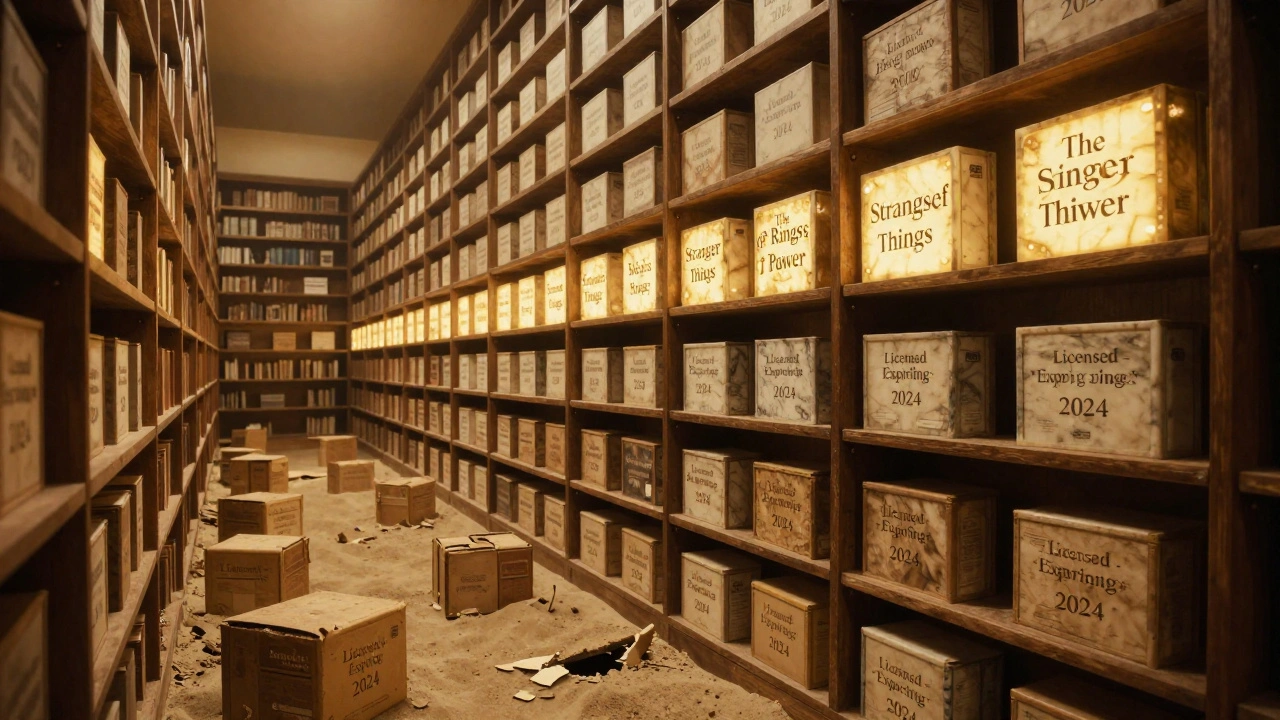
Every licensed title has an expiration date. It’s like renting an apartment - you can live there as long as the lease holds. But once it’s up, you’re out.
In 2023, Amazon lost the rights to Grey’s Anatomy and Modern Family after Disney decided to keep them for Hulu. In 2024, Apple TV+ lost Seinfeld to Netflix. These weren’t minor losses. Each show had millions of dedicated fans. Subscribers noticed. Some canceled. Others complained loudly on social media.
Platforms learned: relying on licensed content is like building a house on sand. You can live there for a while, but the next storm washes it away. Originals? They’re concrete. Once you build them, they stay.
Costs Are Skyrocketing - But So Are Returns
Producing an original series isn’t cheap. A single season of The Crown cost over $130 million. Lord of the Rings: The Rings of Power spent $465 million across two seasons. That’s more than most Hollywood blockbusters.
But here’s the twist: originals generate more value than just viewership. They drive merchandise, spin-offs, international sales, and even theme park attractions. Stranger Things alone generated $1.2 billion in licensed merchandise in 2023. That’s not just a show - it’s a brand.
Licensed films? They don’t do that. You pay for the rights, you get the views, and that’s it. No sequel potential. No merch. No global expansion beyond the original deal.
Platforms Still Need Licensed Content - But Differently
That doesn’t mean licensed films are dead. They’re just not the main course anymore. They’re the side dish.
Platforms still license content for three reasons:
- To fill gaps - while waiting for an original to finish production
- To attract new subscribers - a big hit like Friends can bring in people who aren’t interested in sci-fi or dramas
- To compete in international markets - local hits from India, Brazil, or Japan are cheaper to license than to produce from scratch
For example, Netflix still licenses Bollywood films in India. Disney+ licenses popular Latin American telenovelas in Latin America. These aren’t flagship titles - but they keep local audiences engaged while originals build momentum.
The Future: Ownership Is Everything
By 2026, the streaming landscape looks very different than it did in 2020. Platforms that still rely heavily on licensed content are struggling. Those that doubled down on originals are growing - even as subscription prices rise.
Why? Because ownership gives you control. You decide when to release it. You decide how to market it. You decide if you want to make a sequel, a prequel, or a game. You don’t need to ask a studio for permission.
And studios? They’re learning too. Warner Bros. Discovery is pulling its own content off competitors and putting it on Max. Paramount+ is hoarding Star Trek and Yellowstone for its own platform. The era of sharing content is ending. Everyone wants to own their library.
What This Means for Viewers
As a viewer, this shift means two things:
- You’ll see fewer classic TV shows on your favorite streaming service - they’ll be moved to where the studio owns them.
- You’ll see more original content, but it’ll be harder to find. With hundreds of new shows each year, discovery is now the biggest challenge.
That’s why platforms are investing heavily in algorithms. They’re not just recommending shows - they’re trying to predict what you’ll love before you even know you want it.
But here’s the truth: no algorithm can replace a show you feel connected to. And that’s why originals win. They’re not just content. They’re experiences. They’re watercooler moments. They’re the reason people stay subscribed - even when the price goes up.
Final Take: It’s Not About Quantity - It’s About Control
Building a streaming library isn’t about collecting as many titles as possible. It’s about owning the ones that matter. Licensed films are temporary. Originals are forever.
Platforms aren’t just competing for subscribers anymore. They’re competing to create culture. And culture doesn’t come from renting. It comes from creating.


Comments(6)