Most people think of Hollywood blockbusters when they hear the word "cinema." They expect explosions, heroes, and green screen wizardry. But the most profound changes in how we see the world didn't come from a scriptwriter's pad. They came from the camera rolling on real life. There are specific films that didn't just capture moments; they actually rewrote the rules of storytelling forever.
You've probably heard of Free Solo. It won an Academy Award and broke records for a documentary. But its victory was built on a century of groundwork laid by filmmakers who decided reality was stranger and scarier than fiction. These films aren't just records of events. They introduced techniques like handheld intimacy, deep archival reconstruction, and direct emotional confrontation. Understanding this lineage helps you understand why modern non-fiction feels so different today compared to fifty years ago.
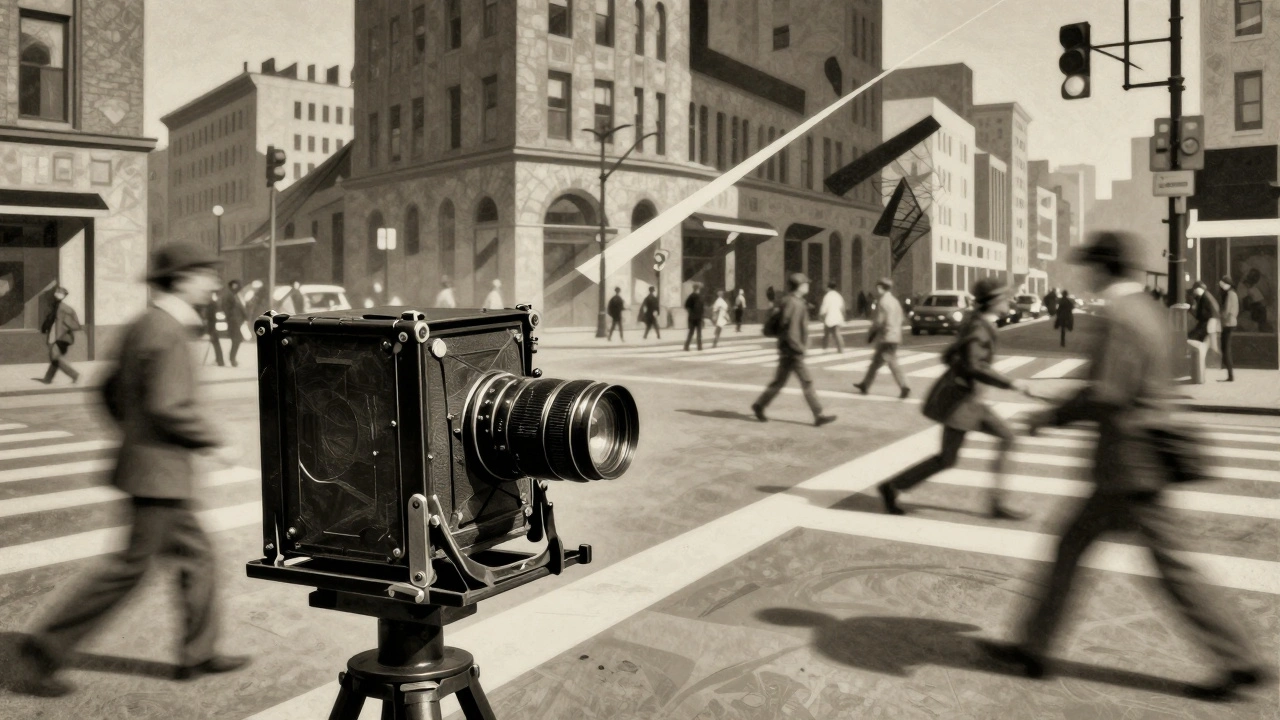
Man with a Movie Camera is a 1929 Soviet silent film directed by Dziga Vertov. It was a technical marvel before sound recording was standard. Vertov didn't care about interviews. He wanted the "kino-eye." He mixed stop-motion, split screens, and rapid editing to show the pulse of the city. When you watch a fast-paced montage today-maybe in a trailer for an action movie-you are watching a direct descendant of that rhythm. It taught editors that cutting images can create emotion without a single line of dialogue.
The Birth of Observational Truth
By the 1960s, technology finally caught up to the idea of being there without interfering. This gave rise to Cinema Vérité. Before this, documentaries looked like newsreels where everyone stared straight at the camera and spoke formally. The game changer here was mobility.
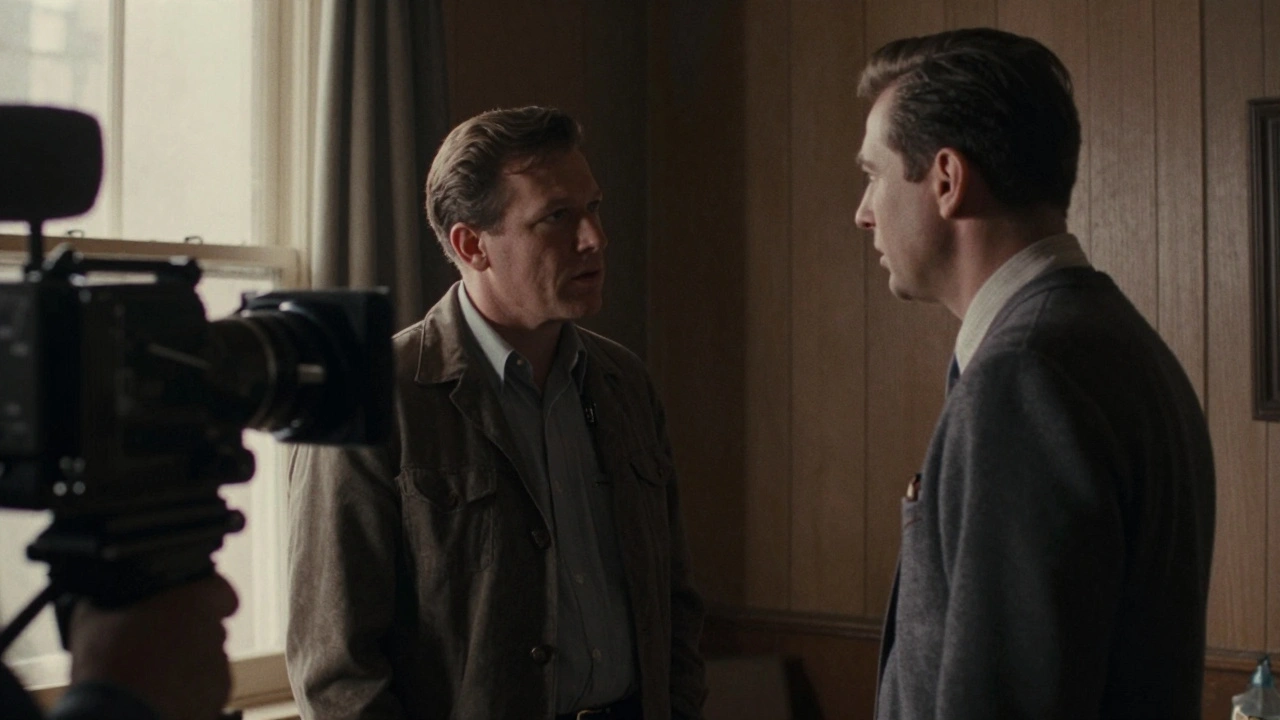
Salesman is a 1968 American documentary film by the Maysles brothers. Albert and David Maysles followed a team of Boston book salesmen around for months. The camera became a fly on the wall. It didn't direct the subjects; it just waited for drama to happen naturally. One scene features a man refusing to buy a Bible because he wants to keep his money for his sick wife. The tension is unbearable because nobody knows the actor will die later in the week. This style validated human conflict as legitimate drama. It proved you don't need a script to make an audience cry.
Narrative Structures in Non-Fiction
For a long time, people thought documentaries had to be dry educational tools or short news clips. Then came the era where docs started looking like feature-length biographies. The biggest shift happened in the 1990s when filmmakers realized audiences could stick with complex real-life characters over a long runtime.
Hoop Dreams is a 1994 documentary produced by Steven James and Frederick Wiseman. It follows two high school basketball players in Chicago. Over four years, you see them grow up, fail, succeed, and struggle with family dynamics. It wasn't just about sports. It was about class, race, and the broken promise of opportunity. The film ran longer than most fictional movies of the time. It convinced Hollywood executives that audiences would sit through hours of footage about regular people if the story arc was strong enough. Before this, networks rejected long-format non-fiction. After Hoop Dreams, PBS invested millions into similar projects like The Fog of War and Paradise Lost.
The Activist Lens and Direct Impact
Sometimes, a documentary doesn't just reflect change; it forces it. The genre shifted again when a film caused immediate legislative or corporate action. While many docs aim to raise awareness, few achieve concrete legal or business consequences shortly after release.
Blackfish is a 2013 documentary directed by Gabriela Cowperthwaite. The film focused on Tilikum, a killer whale held in captivity at SeaWorld. Within weeks of release, attendance at SeaWorld dropped significantly. Animal rights organizations cited the footage as a turning point in the public conversation regarding marine life in captivity. Eventually, this led to legislation in several states banning orca shows and keeping. It set a new benchmark for what "impact" meant in the industry. Directors now pitch their projects based on potential policy shifts rather than just festival wins. The definition of success expanded from box office numbers to tangible social change.
Technological Advancements and Risk
As we moved into the 2020s, the visual fidelity of documentaries began to match, and sometimes exceed, big-budget fiction. Technology allowed cameras to go places humans normally couldn't go safely. This opened up a sub-genre of "extreme sport" cinema that blurred the line between journalism and performance art.
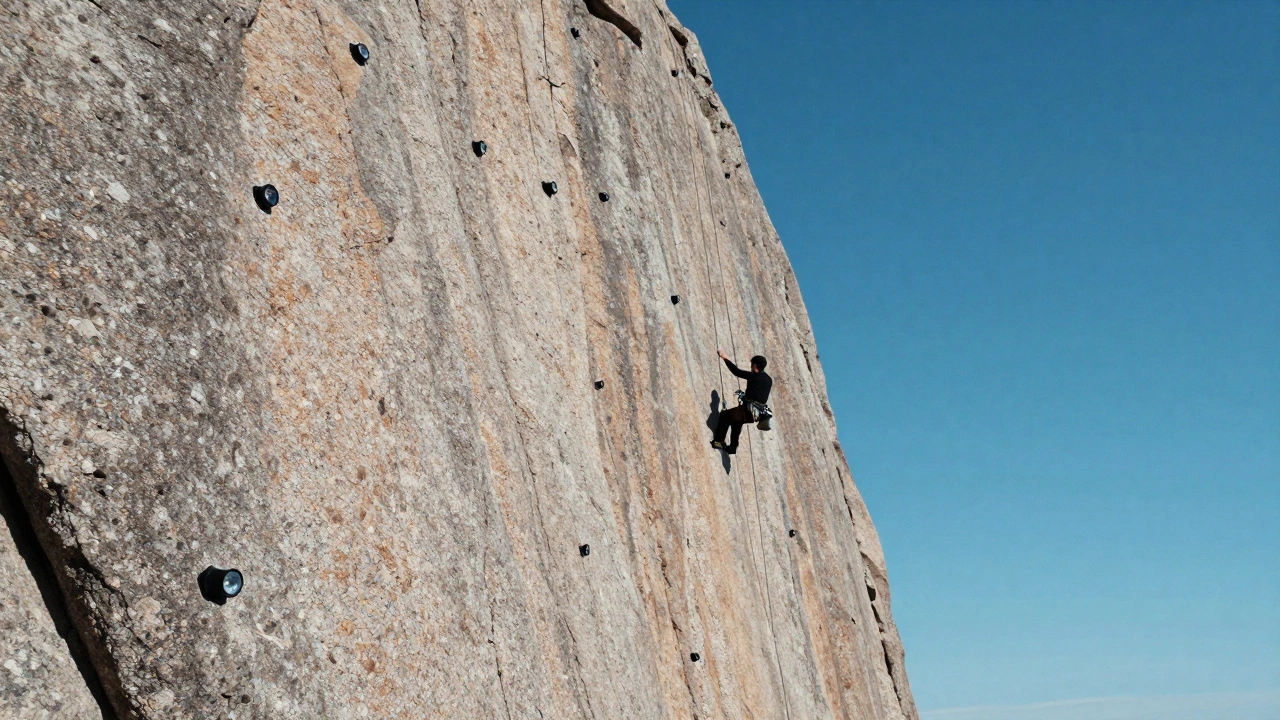
Free Solo is a 2018 film by Elizabeth Chai Vasarhelyi and Jimmy Chin. It captures Alex Honnold climbing El Capitan without ropes. The crew had to develop custom cameras hidden inside rocks and trees because any visible gear would break the immersion. The result was a visual thriller that felt incredibly dangerous despite being pre-planned. It won Best Feature Documentary at the Oscars in 2019. The stakes were literally life or death, creating a tension usually reserved for Hollywood action scripts. This level of production quality proved that non-fiction could dominate the IMAX landscape, previously reserved solely for sci-fi franchises.
Comparing Techniques Across Eras
| Film | Primary Technique | Visual Style | Award Impact |
|---|---|---|---|
| Man with a Movie Camera | Kino-Eye Montage | Silent, Abstract Editing | Critical Classic |
| Salesman | Direcit Cinema | Observational, Handheld | Tony Gathings Award |
| Hoop Dreams | Longitudinal Study | Character-Driven Drama | Oscar Nominee |
| Blackfish | Expository Investigation | Archival Footage + Testimony | Broadcast Critics Choice |
| Free Solo | High-Tech Immersion | IMAX, High Res Action | Academy Award Winner |
This table shows the evolution clearly. Early films prioritized editing rhythms. Later films focused on character depth. Modern films utilize high-fidelity technology. Each step forward required a specific type of equipment or permission structure. For example, filming in prison (like in 13th) requires total cooperation from wardens, whereas climbing mountains (like Free Solo) requires engineering solutions.
Why Awards Matter for Distribution
You might wonder why winning a trophy matters for something based on truth. In the current market, an Oscar nomination guarantees distribution. Before an award, independent docs struggle to find theaters. Studios are hesitant to spend marketing dollars. An award acts as a stamp of legitimacy. It signals to theaters that this isn't just a niche project; it is a global cultural moment. In 2026, streaming platforms also prioritize these titles in their "Top 10" lists immediately following the ceremonies. This visibility saves smaller production companies from going bankrupt after finishing their edits.
However, some critics argue the awards favor films that feel safe or visually polished. There is a gap between "cinematic" quality and "raw" truth. A polished film might look beautiful but sanitize the harsher realities it investigates. The best films manage to balance the two, giving you stunning visuals while keeping the ethical weight intact.
Finding Your Next Watch
If you want to explore this history, start by picking a theme. Do you prefer sports, crime, or social justice? The library of options is vast. Streaming services have dedicated sections now, unlike ten years ago when you needed specialized cable channels. Look for keywords like "Direct Cinema" or "Expository" if you want to dig deeper into the theory. Watching these films side-by-side reveals how quickly the aesthetic changed in response to new tech and new social movements.
Next time you sit down to watch a non-fiction story, pay attention to how the filmmaker chose their shots. Are they interviewing people against a blank wall? Or are they letting the environment speak? Those choices define the legacy of cinema just as much as the story itself.
Where can I legally stream these classic documentaries?
Availability varies by region. Platforms like Criterion Channel, Kanopy (free with library card), and major services like Amazon Prime Video or Netflix often rotate these titles. Man with a Movie Camera is typically in the public domain or found on archive sites, while newer winners like Free Solo are usually on Disney+/National Geographic partnerships.
What makes a documentary different from a mockumentary?
The core difference lies in fabrication. Documentaries claim to represent reality using real footage and real people, even if they use reenactments. Mockumentaries are scripted entertainment that mimics the style of a documentary, such as This Is Spinal Tap, where everything is acted out for comedy.
How did Blackfish change SeaWorld policies?
Following the film's release, SeaWorld faced massive boycotts and a drop in stock value. They eventually announced the end of their orca breeding program and stopped live births in 2016. Several states passed laws preventing marine park ownership.
Do documentary directors need special permits to film?
Yes, especially in public spaces or private property like prisons or government buildings. Filmmakers often hire liaison producers to negotiate access. Unauthorized filming can lead to lawsuits or confiscation of footage depending on local laws.
Can a documentary win an Oscar for Best Picture?
No. Historically, there are separate categories. However, in 2020, Citizen Jane and similar narrative-heavy docs were considered for broader recognition. Officially, Best Documentary Feature is distinct from Best Picture, though the prestige is equivalent.


Comments(7)