
There are over 10,000 indie films released every year. Only about 200 of them ever make it onto a major streaming platform. And once they’re there? They vanish. No ads. No algorithm love. No spotlight. Just another title buried under 50,000 other movies in a sea of content that keeps growing every single day.
Why Your Indie Film Disappears on Streaming
It’s not that streaming services don’t want indie films. They do. But they’re not looking for art. They’re looking for clicks. Algorithms don’t care about your festival awards or your heartfelt screenplay. They care about watch time, retention, and what similar viewers clicked on next.
Take a film like Shiva Baby is a 2020 indie comedy-drama that gained traction through targeted social media campaigns and niche audience targeting on Hulu. Also known as Shiva Baby (2020), it was acquired by Hulu after a strong festival run and built momentum through Instagram Reels and TikTok clips of its tense dinner scenes. That film didn’t win Sundance. It didn’t get a big PR push. It got seen because its team knew exactly who would care-and they met them where they already were.
Most indie filmmakers assume if they upload to Vimeo On Demand or get picked up by a distributor like MUBI or Kanopy, they’re done. They’re not. Distribution is just the first step. Discoverability is the real battle.
Build an Audience Before You Release
You can’t wait until your film is live to start marketing. By then, it’s too late. The window for organic discovery is less than 72 hours. If no one clicks in that time, the algorithm moves on.
Start 6-8 months before release. Here’s how:
- Identify your core viewer: Who are they? Where do they hang out online? Are they fans of similar films like The Lighthouse is a 2019 black-and-white psychological horror film known for its intense performances and stylized cinematography, often watched by fans of arthouse cinema and niche horror? Do they follow film critics on Substack? Do they join Reddit threads about obscure 90s indie horror?
- Create 3-5 short clips (under 60 seconds) that show the emotional core of your film-not the action, not the twist, but the feeling. A quiet moment. A glance. A line of dialogue that sticks.
- Post these on TikTok, Instagram Reels, and YouTube Shorts with hashtags like #indiefilm, #smallfilmbigheart, and #streamingindie. Don’t just post. Engage. Reply to every comment. Ask questions. Build a tiny community.
- Run a 14-day email list campaign. Offer a free behind-the-scenes PDF or a director’s commentary audio clip in exchange for an email. You’ll need at least 500 names before launch.
One filmmaker in Austin built a 1,200-person email list over 7 months by posting weekly letters about the making of her film. When it dropped on Amazon Prime, 37% of her first-week viewers came from that list. That’s not luck. That’s strategy.
Use Micro-Targeted Ads, Not Broad Campaigns
Forget spending $10,000 on Facebook ads targeting “movie lovers.” That’s a waste. The audience is too broad. You need precision.
Here’s what works in 2025:
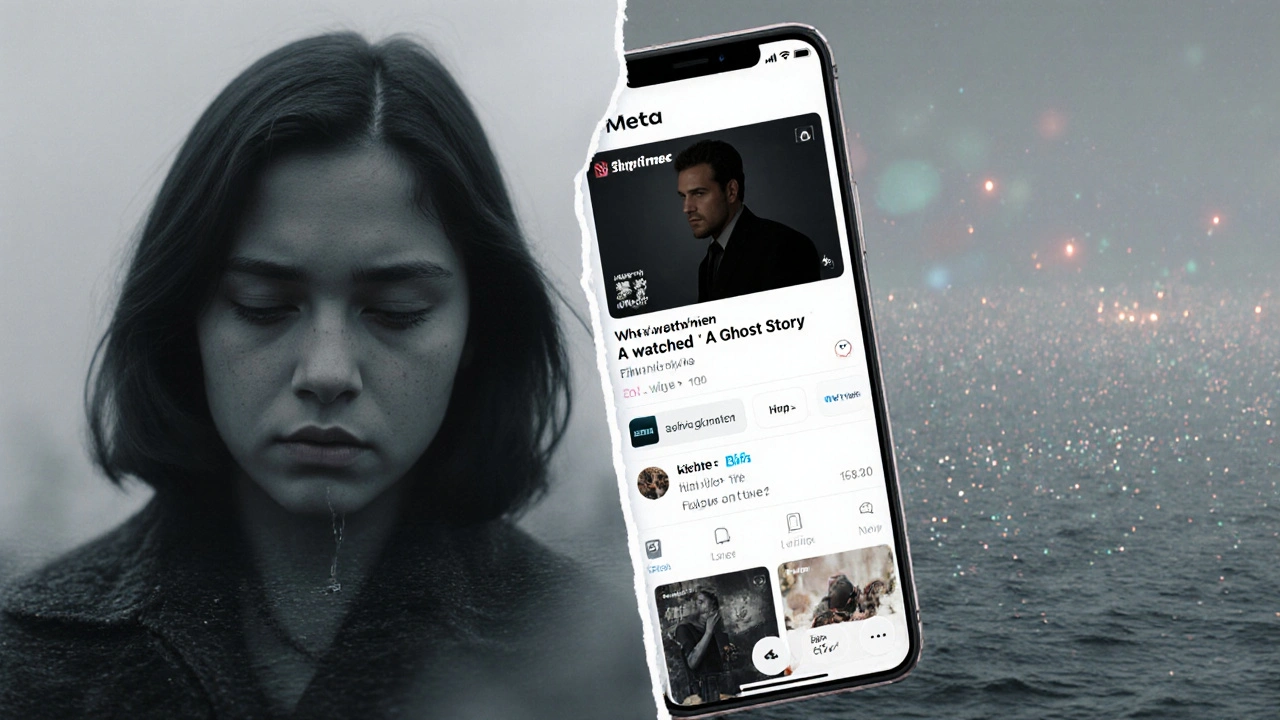
- Use Meta Ads to target people who watched A Ghost Story is a 2017 slow cinema film about grief and time, known for its minimal dialogue and haunting visual style or The Green Knight is a 2021 Arthurian fantasy film praised for its surreal imagery and deliberate pacing, popular among fans of mythic storytelling on streaming platforms.
- Target users who follow indie film critics like Jonathan Rosenbaum is an American film critic known for championing overlooked and international cinema, with a strong following among arthouse audiences or Bilge Ebiri is a film critic for New York Magazine and Vulture, known for in-depth reviews of independent and international films on Twitter/X.
- Use Google Display Ads on websites like Letterboxd is a social platform for film lovers to log and review movies, with a highly engaged user base of indie film fans and MUBI is a curated streaming service focused on arthouse, international, and classic cinema, popular among discerning indie viewers.
One film in Ohio spent $800 on micro-targeted ads and got 12,000 views in the first week. The cost per view? 6 cents. That’s cheaper than a cup of coffee. And it worked because it reached people who already cared.
Leverage Niche Streaming Platforms
Big platforms like Netflix and Hulu are saturated. But smaller ones? They’re hungry.
Here are 5 platforms that actively seek indie films and have loyal audiences:
| Platform | Focus | Submission Fee | Viewer Base | Best For |
|---|---|---|---|---|
| MUBI is a curated streaming service focused on arthouse, international, and classic cinema, popular among discerning indie viewers | Arthouse, international | $0 (invite-only) | 500K+ active users | High-quality, festival-tested films |
| Kanopy is a free streaming service available through public libraries and universities, popular among students and older audiences | Educational, documentary, indie | $0 (via library access) | 12M+ users | Films with cultural or academic value |
| Tubi is a free ad-supported streaming service with a growing indie film library, known for high viewership on niche genres | Genre films, cult classics | $0 (revenue share) | 60M+ monthly users | Horror, sci-fi, thriller |
| Shudder is a horror-focused streaming service owned by AMC, known for deep cuts and cult favorites | Horror, thriller | $0 (revenue share) | 5M+ subscribers | Unique horror stories |
| FilmStruck (via Criterion Channel) is A premium streaming service offering curated classic and indie films from The Criterion Collection | Classic, restored, auteur-driven | $0 (via subscription) | 1M+ subscribers | Director’s cuts, restorations, film history |
Don’t ignore these. Kanopy alone has more viewers than most indie films get on Netflix. And if your film gets picked up by one of them, it often gets pushed to the front page. That’s free promotion.
Work With Micro-Influencers, Not Celebrities
You don’t need a TikTok star with 2 million followers. You need 10 people with 5,000 followers who actually care about films like yours.
Find them by searching hashtags like #indiefilmcommunity, #watchthisindiefilm, or #smallscreenbigstory. Look for people who post thoughtful reviews, not just “watch this!”
Send them a free digital screener with a personal note. Not: “Can you promote my film?” But: “I saw your review of The Lighthouse is a 2019 black-and-white psychological horror film known for its intense performances and stylized cinematography, often watched by fans of arthouse cinema and niche horror and thought you might connect with this one.”
One filmmaker in Portland paid $50 to 12 micro-influencers. Each posted a 30-second video. The campaign generated 280,000 impressions and 14,000 clicks to the film’s page. The cost? Less than $1 per view.
Timing Matters More Than You Think
Don’t release on Friday. Don’t release during Sundance. Don’t release when every other indie film is dropping.
Look for the quiet weeks. The weeks between major releases. The weeks after holidays. The week after a big Oscar nominee drops-that’s when people are looking for something different.
One film released on a Tuesday in March-right after the Super Bowl. No one was paying attention. It climbed to #12 on Apple TV’s indie chart and stayed there for 11 days. Why? Because it was the only thing worth watching that week.
Track What Actually Works
Use free tools:
- StreamWise is A dashboard tool for indie filmmakers to track viewership, retention, and audience demographics across streaming platforms - connects to your distributor and shows you exactly who’s watching.
- Letterboxd is a social platform for film lovers to log and review movies, with a highly engaged user base of indie film fans - monitor how many people are logging your film. If 100 people rate it in the first week, you’re doing something right.
- Google Analytics on your film’s website - track where traffic comes from. If 70% of your visitors come from TikTok, double down there.
Don’t guess. Measure. Then adjust.
It’s Not About Being Seen. It’s About Being Remembered.
The goal isn’t to be the most watched. It’s to be the one that sticks. The one someone talks about months later. The one that gets rediscovered.
That’s how indie films become classics. Not by spending millions. Not by landing on Netflix’s homepage. But by building real connections-with viewers, with critics, with communities who care.
One film from 2021, The Quiet Girl is a 2022 Irish-language drama about a withdrawn girl placed with foster parents, praised for its subtle storytelling and emotional depth, later nominated for an Oscar, had a budget of $120,000. It didn’t get a big marketing push. But it found its audience through word of mouth, library screenings, and quiet TikTok clips of its final scene. It ended up nominated for an Oscar. Not because it was loud. Because it was felt.
You don’t need a big budget. You need a clear audience. And the patience to meet them where they are.
How long does it take for an indie film to get noticed on streaming?
There’s no fixed timeline, but most films that gain traction do so within the first 30 days after release. The first 72 hours are critical-if the algorithm doesn’t see engagement, it stops promoting the film. That’s why building an audience before launch is non-negotiable. Some films take months to find their audience through word of mouth, but those usually have strong community ties or unique emotional hooks.
Do I need a distributor to get on streaming platforms?
No, but it helps. You can upload directly to platforms like Vimeo On Demand, Tubi, or Peacock’s indie program. But distributors like MUBI, Kanopy, or FilmHub have relationships with platforms and can get your film featured in curated sections. If you’re serious about visibility, partnering with a distributor-even a small one-gives you access to tools, analytics, and promotional channels most filmmakers can’t reach on their own.
Is it worth spending money on ads for an indie film?
Only if you’re targeting the right people. Broad ads on Facebook or Google won’t work. Micro-targeted ads-like reaching people who watched similar films on MUBI or follow indie critics on X-are worth it. A $500 campaign with precise targeting can outperform a $5,000 spray-and-pray campaign. Track your cost per view. If it’s under 10 cents, you’re on the right track.
What’s the biggest mistake indie filmmakers make with streaming?
Waiting until the film is live to start marketing. The moment your film drops, it’s already competing with dozens of others. If no one knows it exists in the first 24 hours, the algorithm buries it. The best indie films start building an audience 6-8 months before release-through social media, email lists, and community engagement.
Can a low-budget film compete with big studio releases on streaming?
Not by budget. But by resonance. Big studios rely on volume. Indie films win by depth. A film like The Quiet Girl is a 2022 Irish-language drama about a withdrawn girl placed with foster parents, praised for its subtle storytelling and emotional depth, later nominated for an Oscar didn’t have a marketing budget, but it had a powerful emotional core. That’s what makes people talk. Algorithms can’t replicate that. People can.
What to Do Next
Start today. Not tomorrow. Not after your next edit.
- Write down who your film is for. Be specific: “Women 35-50 who love slow cinema and watch films on Kanopy.”
- Find three people on TikTok or Instagram who post about films like yours. Send them a personal message.
- Upload a 45-second clip to Reels and Shorts with the caption: “This is the moment everything changed. Watch the full film on [platform].”
- Set up a free email list using Mailchimp or Substack. Offer a free behind-the-scenes audio clip.
You don’t need a big team. You don’t need a big budget. You just need to show up-consistently, authentically, and where your audience already is.



Comments(9)