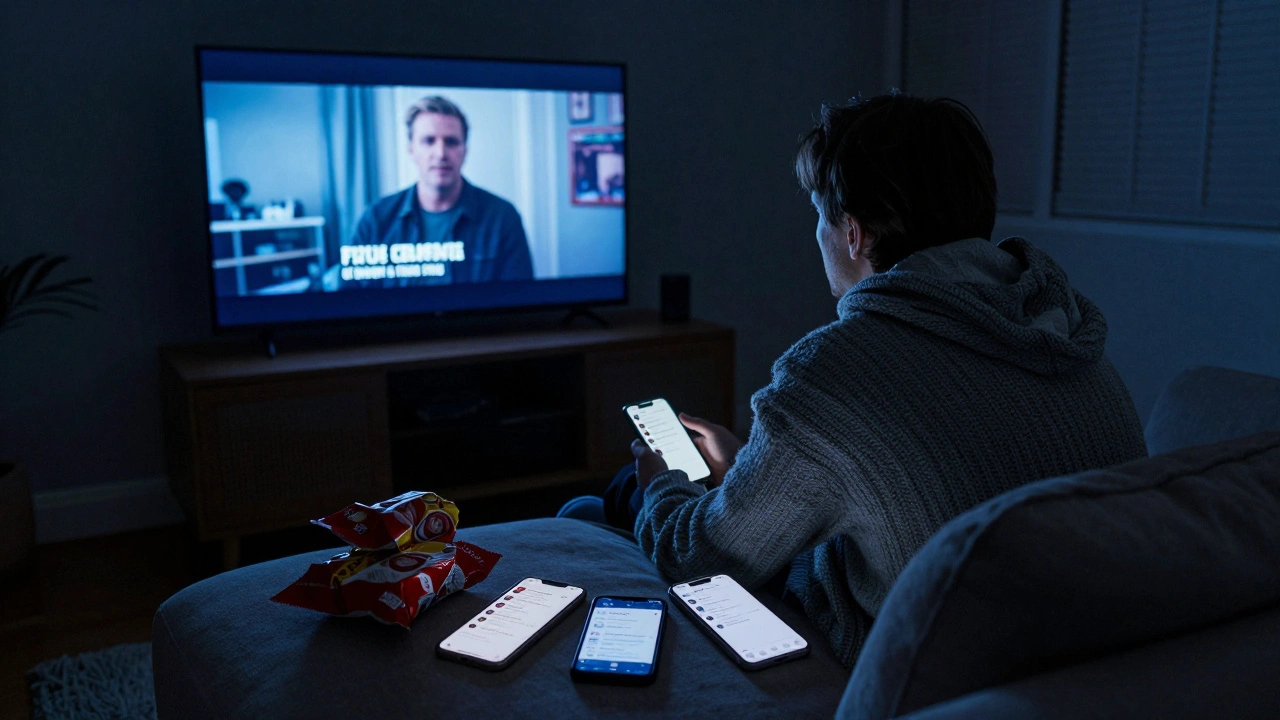
True crime documentary used to be a niche corner of independent film. Now it’s one of the most streamed genres on every major platform. From Netflix’s "The Keepers" to HBO’s "The Jinx" and Amazon’s "The Confession Tapes," these stories dominate watch lists. But behind the gripping narratives and viral clips, a deeper question is being ignored: at what cost?
How True Crime Went From Obscure to Everywhere
In 2014, "Serial" didn’t just break podcast records-it rewired how people consumed real-life crime stories. Suddenly, audiences weren’t just reading about murders in newspapers. They were bingeing hour-long episodes, dissecting evidence on Reddit, and even donating to cold case funds. TV networks took notice. By 2018, Netflix alone had released over 40 true crime titles. In 2023, a single true crime series, "The Tinder Swindler," pulled in 1.2 billion minutes of viewing in its first month. That’s not a fluke. It’s a pattern.
The formula is simple: real tragedy + cinematic storytelling + unresolved mystery = addictive content. Platforms love it because it keeps viewers hooked without expensive special effects. Filmmakers love it because funding is easy to secure. And audiences? They’re drawn to the thrill of solving a puzzle-while sitting safely on their couch.
But here’s what gets left out: real people are still living the aftermath of these crimes. Victims’ families. Survivors. Even the accused, who may never get a fair trial because the documentary has already convicted them in the court of public opinion.
The Human Cost Behind the Clicks
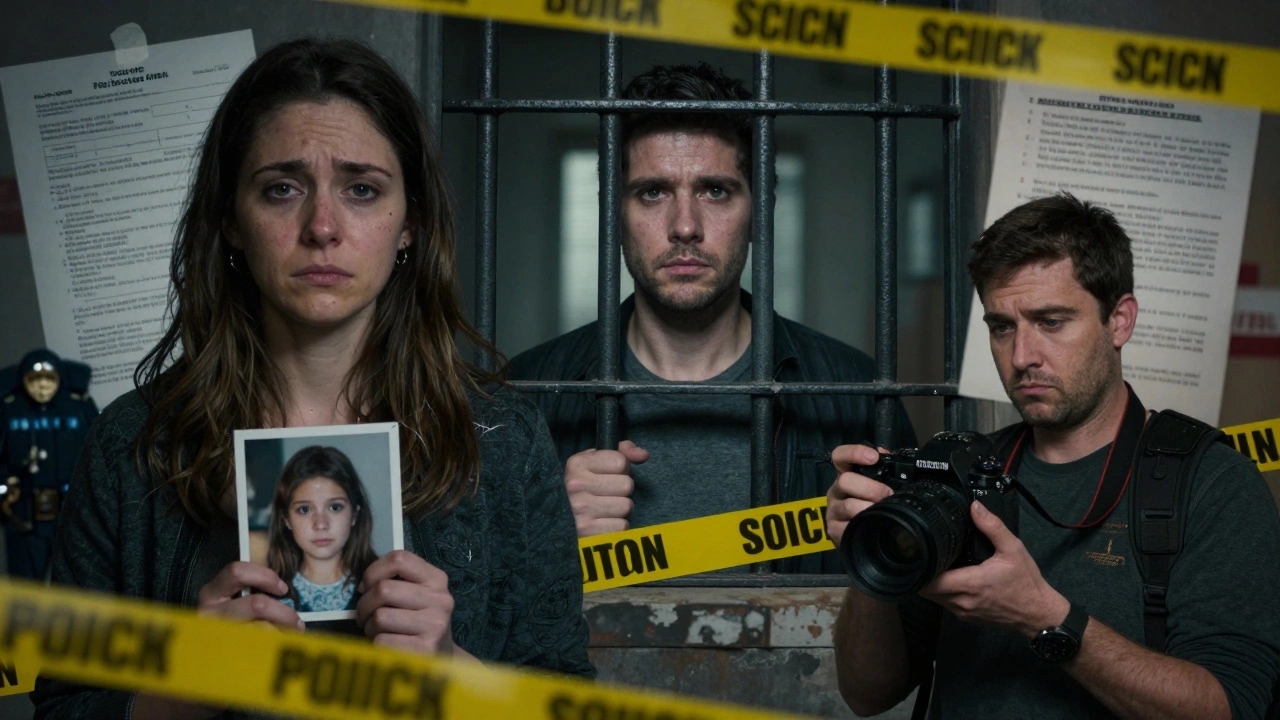
In 2021, a family in rural Ohio sued a production company over their documentary about their daughter’s murder. The filmmakers had reenacted scenes using actors, then showed them alongside real 911 calls and police footage. The family said they were never consulted. They weren’t given a chance to say no. The case was settled out of court, but the damage was done.
This isn’t rare. A 2024 study by the University of Michigan tracked 87 true crime documentaries released between 2015 and 2023. Of those, 68% featured victims or their families without obtaining informed consent. In 31% of cases, families were contacted only after the film premiered. Some were sent press releases. Others found out through social media.
One mother, whose son was wrongfully convicted and later exonerated, told investigators: "They turned my life into a three-part series. No one asked if I wanted to relive it. No one asked if it was fair. They just said, ‘It’s a good story.’"
And it’s not just families. Suspects are often portrayed as guilty before trial. In the documentary "Making a Murderer," Steven Avery was shown as a clear victim of corruption. But he was never given the chance to respond to the filmmakers’ selective editing. His conviction was overturned years later-but the damage to his reputation? That never got edited out.
Who Profits? And Who Pays?
The economics of true crime are brutal. Production companies sell documentaries to streaming platforms for hundreds of thousands-or even millions-of dollars. Netflix reportedly paid $5 million for "The Tinder Swindler." Amazon paid $3.8 million for "The Confession Tapes."
Meanwhile, victims’ families rarely see a dime. In fact, many are asked to sign release forms that give filmmakers unlimited rights to their stories-for free. Some are told, "This will bring attention to your loved one’s case." But attention doesn’t pay bills. It doesn’t heal trauma. And sometimes, it makes things worse.
One filmmaker admitted in a private interview: "We don’t pay victims. We don’t have to. They’re desperate to be heard. We just give them a microphone and a camera. Then we walk away with the Oscar nomination."
Meanwhile, law enforcement agencies often cooperate with these productions. Police departments have been known to provide case files, interview footage, and even suggest narrative angles. In one case, a sheriff’s department in Texas helped a production team reconstruct a crime scene-then later used the documentary as evidence in court. That’s not journalism. That’s performance.
The Line Between Storytelling and Exploitation
There’s a difference between telling a true story and turning tragedy into entertainment. But that line keeps getting blurred.
Documentaries like "The Thin Blue Line" or "The Thin Blue Line" (1988) used real footage to expose systemic injustice. They were investigative, slow, and respectful. Today’s true crime docs? They’re fast, loud, and designed for algorithmic engagement. Jump cuts. Dramatic music. Zoom-ins on tearful faces. Narrators whispering like they’re sharing a secret.
They use the same techniques as horror films. Because they’re not just telling stories-they’re selling scares.
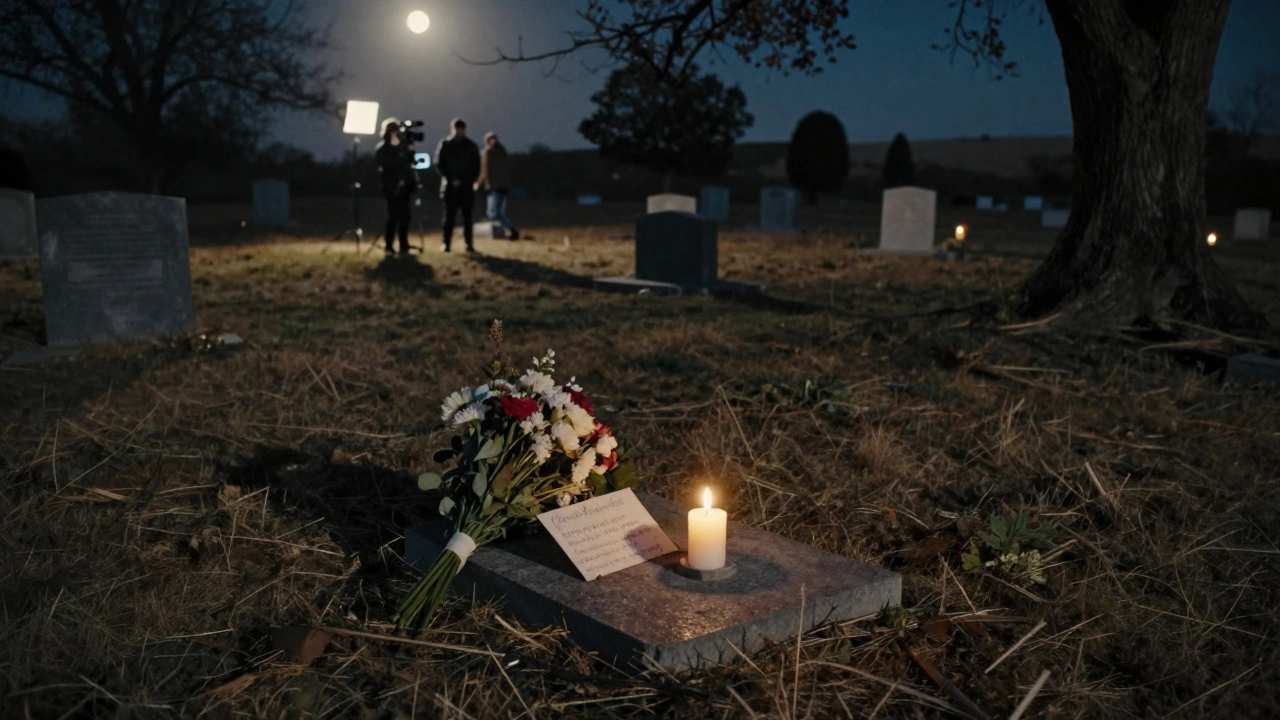
And the audience? They’re conditioned to crave the next twist. The next revelation. The next shocking confession. So creators keep pushing further. They film funerals. They interview convicted killers on death row. They dig up old crime scene photos and loop them in slow motion.
At what point does curiosity become cruelty?
What’s Being Done? And Is It Enough?
Some groups are pushing for change. The Documentary Ethics Initiative, a coalition of filmmakers, survivors, and academics, released a voluntary code of conduct in late 2024. It asks producers to:
- Obtain written consent from all living subjects before filming
- Offer fair compensation to victims’ families
- Delay release if a suspect is still in legal proceedings
- Provide trauma counseling resources to participants
So far, only three major platforms have formally adopted it. Netflix? Still silent. Hulu? No public stance. Amazon? Only applies to one series.
Meanwhile, the genre keeps growing. In 2025, over 120 new true crime documentaries are scheduled for release. More than half focus on unsolved murders from the 1980s and ’90s. The same cold cases. The same grieving families. The same footage, rehashed.
Is There a Way Forward?
Yes-but it requires a shift in how we think about these stories.
Instead of asking "What’s the twist?" we should ask: "Who’s being hurt by this?"
Instead of chasing ratings, we should ask: "Did we get permission?"
Instead of glorifying killers, we should center the people who lost everything.
Some filmmakers are already doing this. "The Last Days of a Good Woman" (2024) didn’t focus on the murderer. It focused on the community that held vigils for the victim. It showed how grief lingers. How silence becomes a habit. How healing doesn’t come from a reveal-it comes from being heard.
That’s the kind of documentary we need more of. Not the ones that make us scream. The ones that make us remember.
The genre boom isn’t ending. But it can evolve. And if we stop treating tragedy like a binge-worthy series, maybe we can finally give these stories the dignity they deserve.




Comments(8)