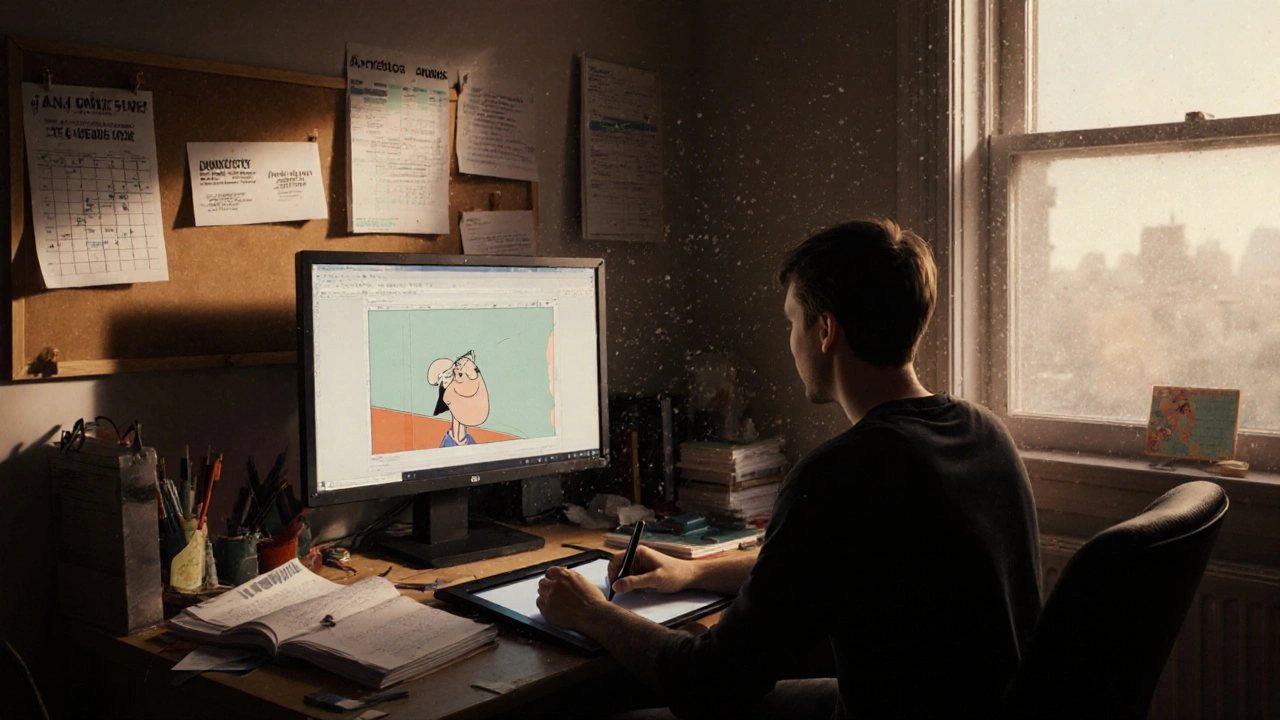
Getting an animated short into a film festival isn’t just about having a great story-it’s about knowing where to send it, when to submit, and how to pay for it. Thousands of animators pour their hearts into 1-to-10-minute films every year, but only a fraction make it past the submission gate. The ones that do? They didn’t just wait for luck. They followed routes. They chased funding. And they knew exactly which festivals cared about their kind of work.
Where Animated Shorts Actually Get Seen
Not all film festivals are created equal when it comes to animated shorts. Big names like Sundance and Cannes get headlines, but they’re not always the best fit. Sundance accepts maybe 12 animated shorts a year out of 10,000+ submissions. Cannes’ Short Film Corner is competitive but offers global exposure-if you can afford the travel and fees.
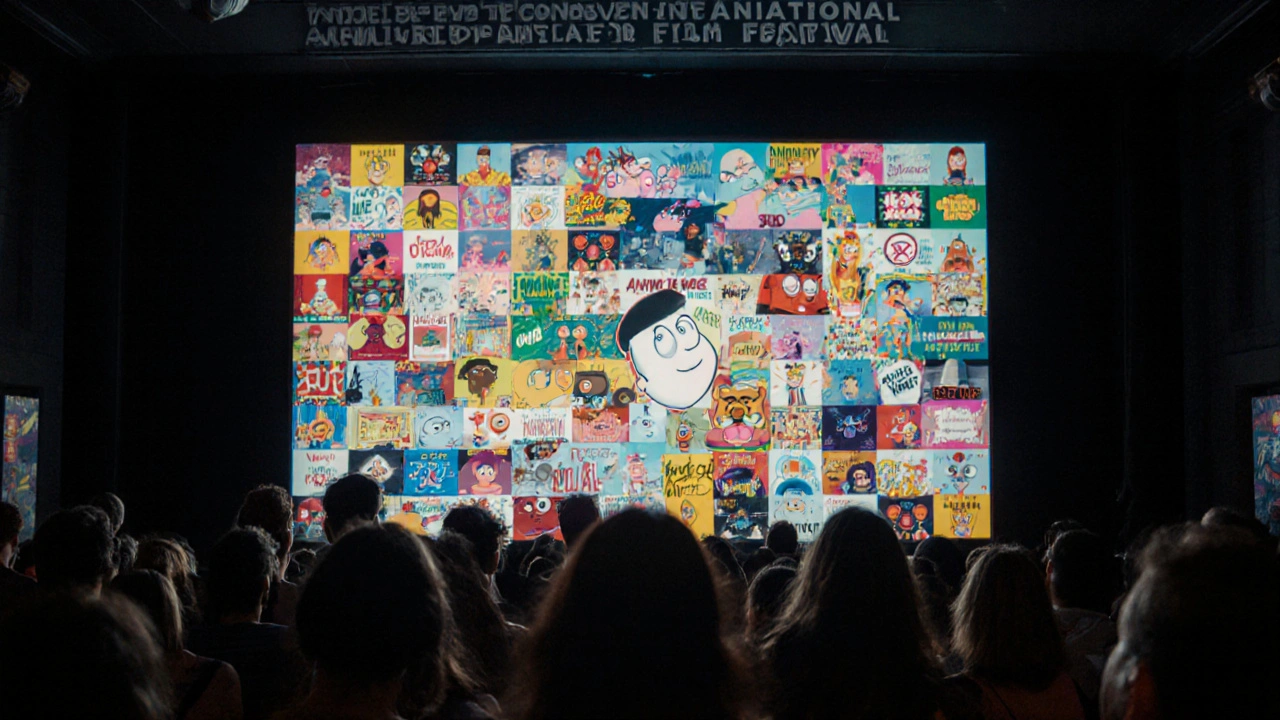
Instead, focus on festivals that specialize in animation or have strong short film programs. Annecy International Animated Film Festival in France is the gold standard. It’s where studios like Studio Ghibli and Aardman first gained international attention. The Ottawa International Animation Festival is another top pick, especially for indie creators. In the U.S., the Ann Arbor Film Festival and the Los Angeles Animation Festival are known for giving early-career animators a real platform.
Look for festivals that list past winners. If you see the same names year after year-like Pixar alumni or graduates from CalArts-you’re looking at a feeder system. These festivals aren’t just screening films; they’re scouting talent. Submitting to them means you’re playing in the same league as the next generation of directors.
Submission Deadlines and Fees: The Hidden Cost
Most festivals charge submission fees. They range from $10 to $75. That adds up fast if you’re sending your film to 20 festivals. But here’s the trick: early bird deadlines often cut fees in half. Many festivals offer discounts if you submit three months before the regular deadline.
For example, Annecy’s early bird deadline is usually in November-right now. If you’re working on a short for 2026, you’ve got a few months to polish it and lock in that lower rate. Waiting until January could cost you $50 extra per festival. That’s $1,000 extra if you submit to 20 places.
Don’t just submit blindly. Track your submissions. Use a simple spreadsheet: festival name, deadline, fee, submission status, response date. Some animators use FilmFreeway or Withoutabox, but even a Google Sheet works. You need to know when you’re waiting for a response-and when to move on.
How to Pay for Animation When You Don’t Have a Studio
Animation is expensive. Even a 3-minute short can cost $10,000 to $50,000 if you’re hiring artists, renting software, or paying for rendering time. Most indie animators don’t have that kind of cash. So where do they get it?
Grants are the most reliable source. The National Endowment for the Arts (NEA) in the U.S. gives out $25,000-$50,000 grants for individual artists. You need to show a clear plan, a budget, and proof you’ve done work before. The Jerome Foundation in Minnesota supports emerging animators with up to $20,000 per project. They don’t care if you’re from New York or Nebraska-just that your work is original and ambitious.
Don’t overlook international options. The Canadian Media Fund gives grants to non-Canadian creators if the project has Canadian co-producers. The European Union’s Creative Europe program funds animation shorts with a European co-production partner. Even if you’re based in the U.S., teaming up with an animator in Poland or France can open doors.
Crowdfunding works too-but only if you’ve built an audience. Kickstarter campaigns for animated shorts that raise over $50,000 usually have a strong social media following, a clear teaser video, and rewards that fans actually want-like signed cels, behind-the-scenes books, or even voice roles in the film.
Festival Routes: The Real Path to Exposure
There’s a hidden ladder most animators don’t talk about. It goes like this:
- Start with regional or university-affiliated festivals (like the Rhode Island Student Film Festival or the CalArts Short Film Festival). These are easier to get into and build your credits.
- Then target national animation festivals: Annecy, Ottawa, ASIFA-Hollywood’s Animation Festival.
- Once you’ve won an award or been officially selected, apply to major international festivals: Sundance, Berlinale, Tribeca.
- Finally, aim for Oscar-qualifying festivals. If your short plays at Annecy, Ottawa, or LAFF, it becomes eligible for the Academy Awards.
This isn’t a sprint. It’s a slow climb. One animator from Texas spent three years submitting to 40 festivals before winning Best Short at Ottawa. That win got her a meeting with Cartoon Network. Another from Ohio got into Annecy, then was invited to speak at a panel-leading to a teaching job at Gobelins in Paris.
Don’t treat festivals like a lottery. Treat them like a network. Follow them on Instagram. Comment on their posts. Attend their virtual Q&As. Build relationships. Festival programmers remember names.
What Festival Judges Actually Look For
They’re not looking for perfect animation. They’re looking for something that makes them stop scrolling.
A 2024 survey of 120 festival programmers showed that 78% said emotional impact mattered more than technical polish. A hand-drawn film with shaky lines and a powerful ending beat out a 4K CGI short with no heart every time.
They also look for originality. Not “cool visuals,” but unique storytelling. A short about a grandmother learning to use TikTok to reconnect with her grandkid? That’s fresh. A robot fighting a dragon in space? Been there. Done that.
And pacing. Animated shorts that drag past 6 minutes lose viewers. The sweet spot is 3 to 5 minutes. If your film feels slow, cut it. Even if you love that 45-second scene of clouds drifting-take it out. Festival judges watch hundreds of films in a day. If you don’t grab them in the first 30 seconds, they’re already moving on.
What Happens After You Get Accepted
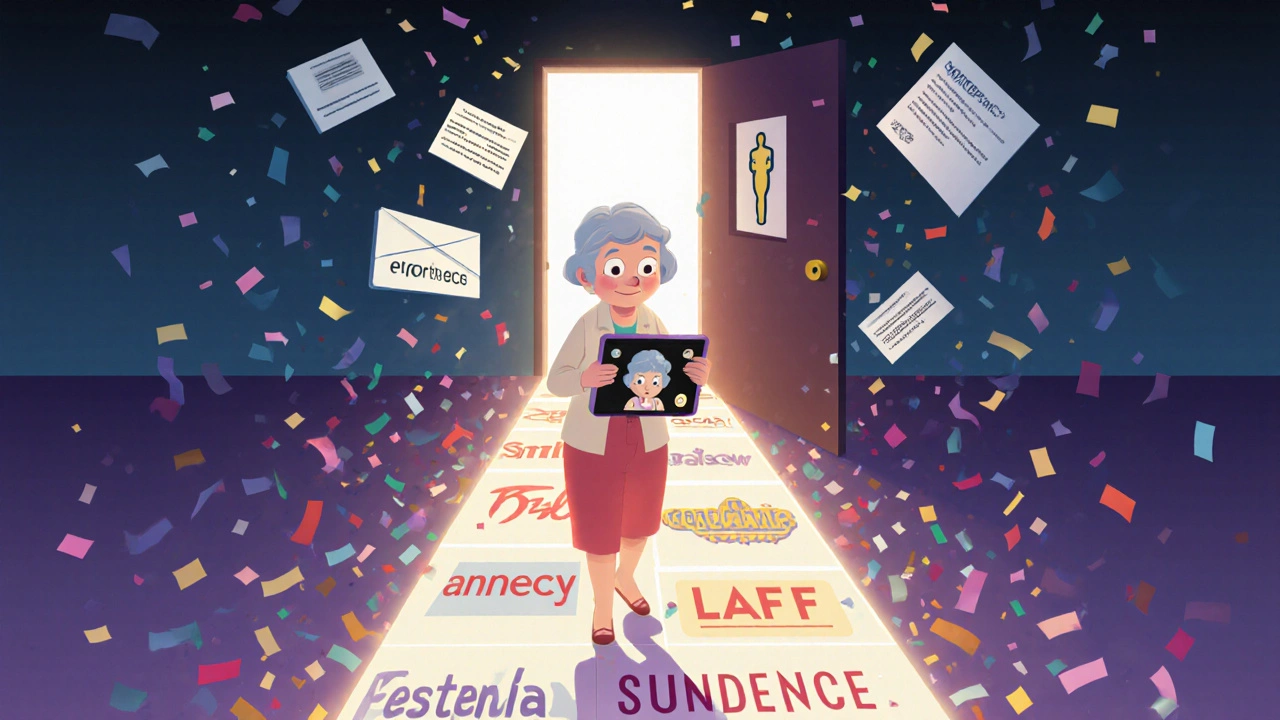
Getting accepted is just the beginning. Now you need to promote it. Send your film to animation blogs like Cartoon Brew and Animation World Network. Pitch it to YouTube channels that feature indie shorts. Submit it to Vimeo Staff Picks.
Many festivals offer screening packages. Annecy, for example, gives winners a digital distribution deal with Vimeo On Demand. That means your film can earn money after the festival ends. Some even help you license your work to TV networks or streaming services.
Don’t sit on your film after the festival circuit. Use it as a calling card. Put it on your website. Link to it in your LinkedIn profile. Send it to studios you admire. One animator used her Oscar-qualifying short to land a job at Laika. Another used it to raise $150,000 for her first feature film.
Common Mistakes That Keep Animators Out
Here’s what most people get wrong:
- Submitting a film that’s not finished. If the sound is rough or the color grading is off, festivals will reject it-even if the story is great.
- Ignoring the format specs. Most festivals require H.264 MP4 files, 1920x1080 resolution, and specific audio levels. Don’t assume your YouTube upload will work.
- Not tailoring your submission. Sending the same bio and synopsis to every festival? That’s obvious. Write a short paragraph for each one that shows you’ve researched them.
- Expecting instant success. One festival acceptance doesn’t mean you’ve made it. It means you’ve started.
The most successful animators aren’t the most talented-they’re the most persistent. They submit again after rejection. They tweak their films. They ask for feedback. And they keep going.
How much does it cost to submit an animated short to festivals?
Submission fees range from $10 to $75 per festival, depending on the event and submission deadline. Early bird rates can cut costs in half. Submitting to 15 festivals could cost $500-$1,000 total. Budget for this like you would for production costs.
Can I submit the same animated short to multiple festivals?
Yes, you can submit to multiple festivals at once. Most don’t require exclusivity. But once your film wins an award or is accepted into a major festival like Annecy or Sundance, some smaller ones may no longer accept it. Always check each festival’s rules before submitting.
Do I need to be a U.S. citizen to get animation funding?
No. Many grants and funds are open to international applicants. The NEA requires U.S. citizenship or residency, but Creative Europe, the Canada Council for the Arts, and the British Film Institute accept global applicants if they partner with local producers. Always read the eligibility rules carefully.
What’s the best way to get my animated short seen by studios?
Get into Oscar-qualifying festivals like Annecy, Ottawa, or LAFF. Studios like Pixar, DreamWorks, and Netflix actively scout winners from these events. Also, upload your film to Vimeo and tag it with #animatedshort, #indieanimation. Many art directors and producers browse these tags daily.
How long should my animated short be?
Keep it between 3 and 6 minutes. Anything under 3 minutes can feel rushed. Over 6 minutes, most festivals will reject it unless it’s exceptional. The average runtime for accepted shorts at Annecy and Ottawa is 4.5 minutes.
There’s no magic formula. But there is a path. Know your festivals. Know your budget. Know your story. And keep sending your work out-even when it gets rejected. The next one might be the one that changes everything.






Comments(10)