
Walking into a screening room used to feel safe, like you knew what you were getting. Now, Niche Films a genre-defying category of independent cinema often produced outside major studio systems push boundaries that standard ratings ignore. You buy a ticket for an experimental documentary, thinking it's political commentary, only to be blindsided by graphic imagery of self-harm hidden deep in the second act. As filmmakers and distributors, we face a paradox: we must warn viewers of potential harm without destroying the narrative mystery they paid to experience.
The Failure of Generic Ratings
You've seen them everywhere: "Parental Guidance Suggested," "Mature Themes," or a simple age gate. These broad strokes work for blockbusters where violence is obvious and stylized. They fail miserably for indie projects dealing with complex psychological trauma. Motion Picture Association (MPAA) the organization responsible for film rating standards in the United States focuses heavily on sex, nudity, and foul language. They rarely capture the emotional weight of prolonged depression or the subtle terror of domestic coercion found in Art House Cinema non-commercial films prioritizing artistic expression over mass appeal.
A standard R-rating tells you there is bad stuff. It doesn't tell you if that stuff triggers your specific PTSD history. This lack of granularity leaves audiences guessing and creators liable. If a survivor of assault watches a horror movie expecting slasher tropes, only to encounter realistic depictions of sexual violence not flagged by the MPAA, they might leave traumatized, blaming the filmmaker for the omission rather than appreciating the artistic intent.
Defining the Safe Zone
The goal isn't censorship; it's consent. When creating a warning label for a project like "Hereditary"-style horror or a gritty character study, specificity is your best friend. Instead of a vague "Depiction of Violence," try something precise like "Brief scene of non-sexualized physical struggle." This distinction matters because one implies gore, the other implies threat.
Principles for Effective Warnings:
- Theme-based labeling: Identify the core emotion (e.g., isolation, grief) rather than just the action.
- Timing markers: Indicate when heavy scenes occur so viewers can choose to pause or prepare.
- Intensity scales: Describe the duration or realism of the event.
This approach respects the viewer's agency. It treats them as adults capable of making informed decisions about their mental state. It shifts the dynamic from "here is a warning, good luck" to "we value your safety, here is exactly what happens, you decide."

Protecting Plot Twists
This is where things get tricky. A warning that reveals too much ruins the film. You cannot simply say, "Warning: Character dies in Act Two." That kills the suspense. You have to walk the tightrope between transparency and mystery.
Consider the difference in phrasing. Saying "Major Character Death" is accurate but devastating. Saying "Themes of Loss and Mortality" alerts someone struggling with bereavement without confirming who passes away or how. Another technique involves temporal distancing. Instead of describing the scene itself, describe the aftermath. "A character deals with the consequences of a tragic event" hints at trauma without spoiling the cause or method.
Filmmakers in Asheville, where I am based, often test these scripts with local sensitivity readers. We ask them to read the script for safety issues and note where they felt blindsided. Their feedback helps draft warnings that flag the danger zones without revealing the map coordinates.
Digital Ecosystem Tools
Today, the warning system lives online more than on theater posters. Streaming Platforms services providing digital media consumption such as Netflix, Vimeo On Demand, or Criterion Channel offer different levels of support. Big aggregators rely on AI tagging which frequently misinterprets artistic intent. Vimeo allows more granular metadata entry for creators distributing directly.
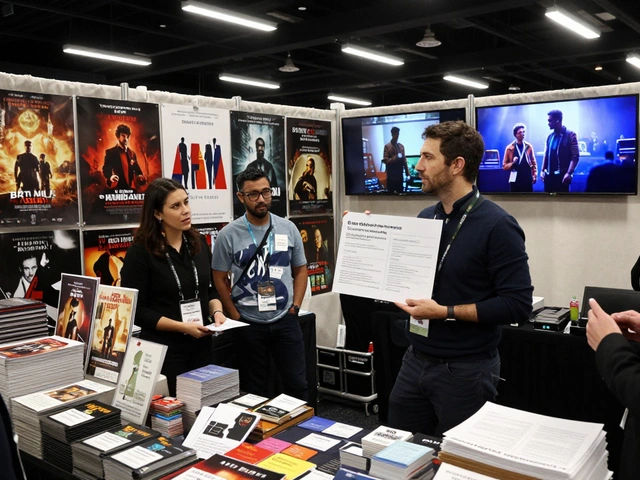
You should utilize the custom metadata fields available in your hosting dashboard. Don't just upload the video file. Fill out the "Content Advisory" section with your bespoke tags. If you are launching at a Film Festival an event showcasing selected films to an audience of critics and fans, include a printed program card. Many festivals now request a "Viewer Note" box specifically for this purpose. Treat this space as premium real estate. It is your contract with the audience.
| Attribute | Traditional Rating (MPAA) | Custom Advisory System |
|---|---|---|
| Specificity | Low (General categories like Sex/Violence) | High (Specific triggers like Suicide, Domestic Abuse) |
| Spoiler Risk | Zero (No plot details included) | Medium (Requires skillful wording) |
| User Control | Binary (See it or don't see it) | Graduated (Users can filter specific content) |
| Mental Health Focus | None (Focuses on legal/social standards) | Primary (Designed for psychological safety) |

Trauma-Informed Design
We need to stop viewing warnings as legal protection shields and start treating them as accessibility features. Just as we provide closed captioning for the deaf, we must provide content warnings for those managing mental health conditions. This falls under Trauma-Informed Care a framework based on knowledge about trauma and resilience that guides interactions to avoid re-traumatization. In a cinematic context, this means designing the viewing journey to prioritize safety alongside immersion.
Some innovative projects are adopting a tiered warning system. Level One covers general mature themes. Level Two highlights specific high-intensity sequences with timestamps. Level Three includes explicit spoilers only for the most severe triggers, hidden behind a click-through barrier. This allows users to opt into the depth of information they want. It acknowledges that some people need to know everything, while others prefer a lighter touch.
Building Trust Through Transparency
When you do this right, the audience trusts you. Word spreads in niche circles faster than anywhere else. If your film handles its subject matter responsibly and warns accurately, you build a reputation for ethical filmmaking. Conversely, bait-and-switch tactics destroy careers in the indie community.
Audiences today are hyper-aware. They research films on Letterboxd or specialized forums before buying tickets. Being honest about the darker elements often draws in the right kind of attention-the people who resonate deeply with difficult stories. You filter out the casual tourists, leaving room for the engaged supporters who care enough to navigate the discomfort.
As we move further into 2026, the expectation for clarity grows. Regulatory bodies aren't demanding this, but cultural norms are. By implementing robust, nuanced warning systems, you aren't limiting your art. You're protecting the sanctity of the shared viewing experience, ensuring the story lands on soil ready to receive it.
What is the best way to warn about suicide without triggering it?
Avoid detailed descriptions of methods. Use phrases like "Depicts themes of hopelessness" or "Scene contains discussion of death." Always place crisis resources below the warning link so viewers seeking help can find immediate support.
Can I put warnings directly in the trailer?
It is generally discouraged to flash warning cards during the marketing phase unless required legally. The ideal placement is on the landing page or streaming player interface where the user decides to watch, ensuring they haven't already been spoiled by the visual marketing material.
Do film festivals require specific content advisories?
Requirements vary by venue. Major festivals often have a submission portal asking for detailed breakdowns of sensitive content. Small festivals may accept a simple summary. Always check the specific call-for-films documentation for compliance rules.
Is there a standard template for independent creators?
There is no universal legal template, but many organizations suggest the "Trigger List" format developed by mental health advocates. This includes checkboxes for specific topics like abuse, gore, and substance use, allowing creators to customize based on their script.
How do I handle ambiguous scenes where the nature of the event is unclear?
Err on the side of caution. If the ambiguity creates anxiety, label it as "Ambiguous Psychological Distress." It is better to slightly over-warn and lose a few viewers than to under-warn and cause actual distress.






Comments(5)