Turn on any major streaming service today, and you will see them everywhere. They are not just a niche interest anymore; they are the backbone of weekend viewing for millions. True crime documentaries have moved from the fringes of cable television to the center of global pop culture. But why? It is not just about morbid curiosity. The genre has evolved into something much more complex, blending high-end cinema with real-world justice.
In 2026, this trend shows no signs of slowing down. In fact, it is accelerating. We are seeing higher production values, deeper ethical scrutiny, and a shift toward stories that focus on resolution rather than just shock value. If you want to understand what is driving this obsession, we need to look at how the format has changed, who is watching, and where it is heading next.
The Evolution From Tabloid to Cinema
A decade ago, true crime often meant low-budget cable specials or grainy footage narrated by a voiceover artist reading a police report. Those days are gone. Today, True Crime Documentaries are high-production non-fiction films that investigate criminal cases using interviews, archival footage, and narrative storytelling. They compete directly with scripted dramas for awards and attention.
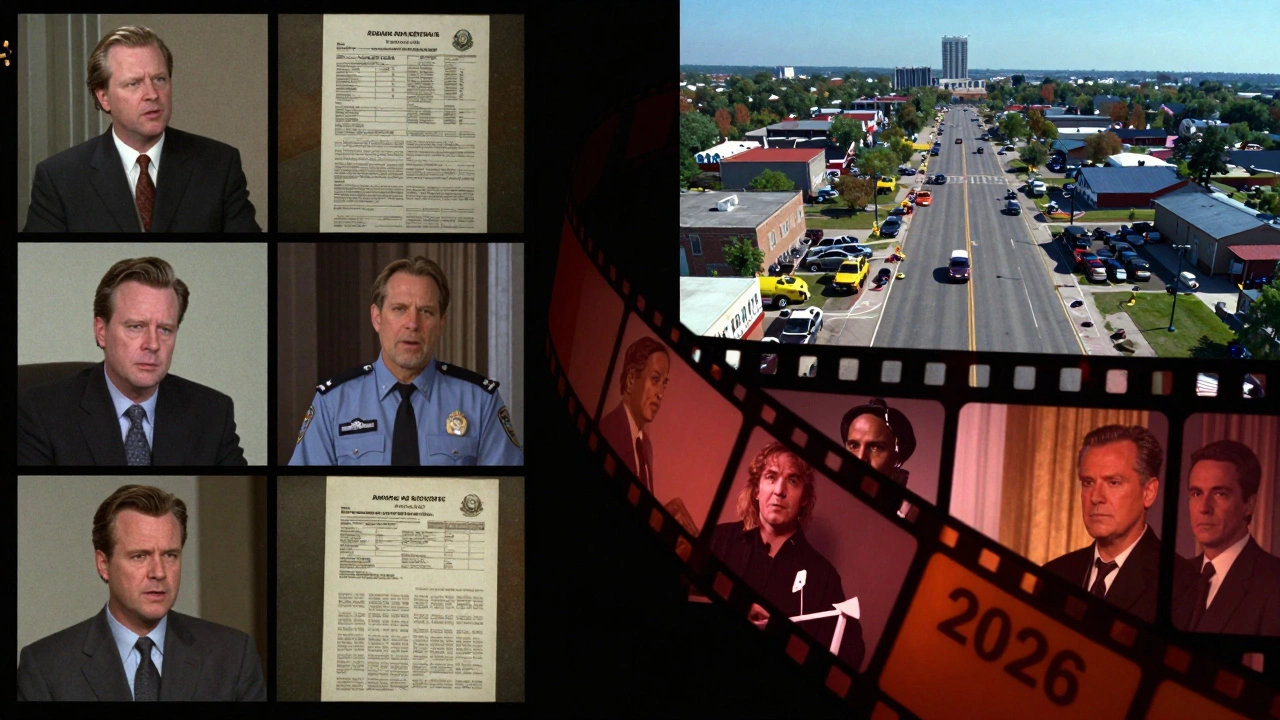
This shift started around 2015 when platforms like Netflix began investing heavily in original non-fiction content. The success of titles like Making a Murderer proved that audiences would binge-watch real-life investigations if the pacing was right. Since then, the bar has been raised. Directors now use cinematic techniques-drone shots, dramatic re-enactments, and original scores-to create an emotional connection with the viewer. You are not just learning facts; you are experiencing the tension of the investigation.
This elevation in quality has attracted top-tier talent. Famous directors who previously stuck to fiction are now tackling true crime because it offers a built-in audience and a chance to make a social impact. This crossover has legitimized the genre, turning it from "trash TV" into respected journalism.
Why We Can’t Look Away
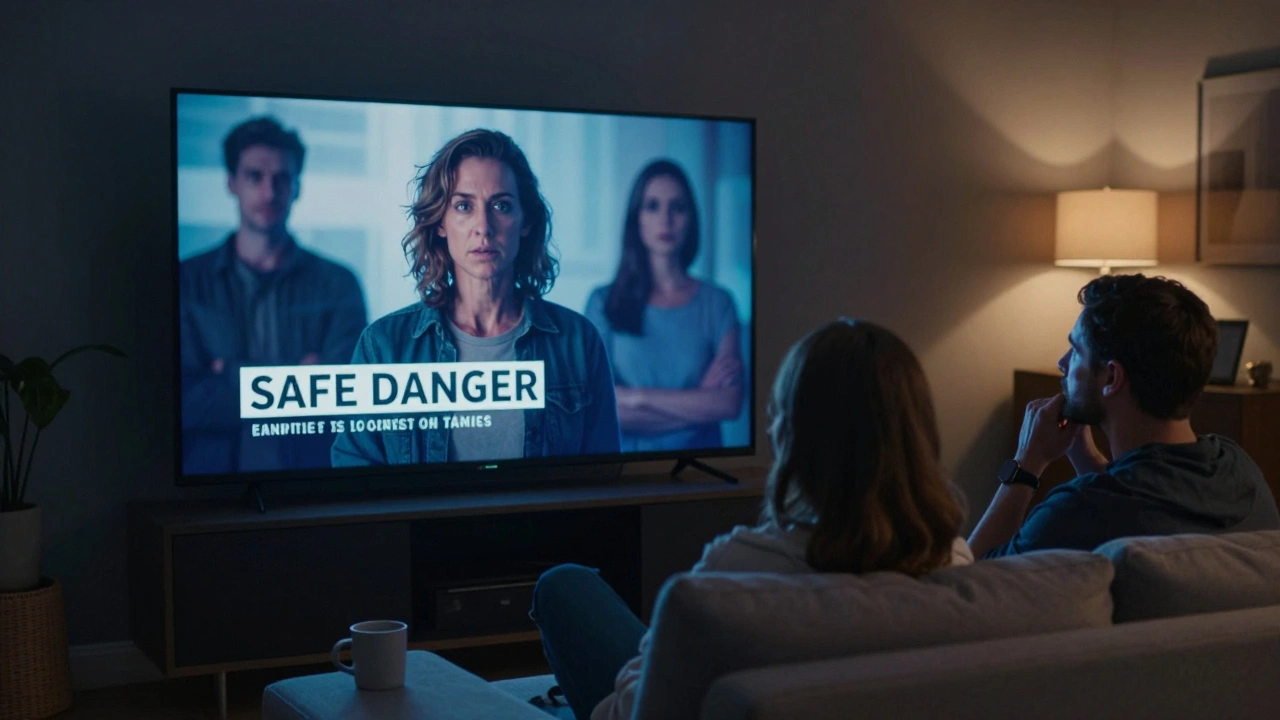
You might wonder why people spend hours watching disturbing events. Psychologists and media experts point to a few key reasons. First, there is the concept of "safe danger." Watching a true crime documentary allows you to explore fear and violence from the comfort of your couch. It triggers your adrenaline without putting you in actual harm's way.
Second, humans have a natural desire for pattern recognition and closure. Real life is messy and unpredictable. Crimes often go unsolved, and justice is delayed. Documentaries provide a structured narrative with a beginning, middle, and end. Even if the case remains open, the film offers a sense of order that reality rarely provides. You get to play detective alongside the filmmakers, piecing together clues until the final reveal.
Third, there is a growing demand for accountability. Many modern true crime docs do not just recount a murder; they expose systemic failures. Whether it is police misconduct, wrongful convictions, or corporate negligence, these films give a voice to victims who were ignored by traditional institutions. Viewers feel empowered by supporting these stories, knowing their attention can drive real-world change.
The Rise of Victim-Centric Storytelling
If you watch true crime from the early 2010s compared to 2026, the biggest difference is who gets to speak. For years, the genre was criticized for sensationalizing violence while silencing victims. That dynamic has flipped. Today, the most successful documentaries prioritize the voices of survivors, families, and advocates.
Filmmakers are now working closely with victim’s families from the start of production. This collaboration ensures that the story is told with dignity and accuracy. Instead of focusing on the killer’s psychology, many films focus on the impact of the crime on the community. This approach resonates deeply with audiences who are tired of glorifying perpetrators.
This shift has also led to more diverse stories. Historically, true crime focused heavily on white, suburban victims. Now, we see documentaries covering missing indigenous women, victims of human trafficking, and crimes in marginalized communities. This expansion broadens the appeal and educates viewers on issues they might otherwise ignore.
| Aspect | 2015 Era | 2026 Current State |
|---|---|---|
| Production Style | Talking heads, static shots | Cinematic visuals, re-enactments, drone footage |
| Narrative Focus | Killer’s perspective, shock value | Victim-centric, systemic critique |
| Distribution | Cable TV, limited streaming | Global streaming platforms, YouTube originals |
| Ethical Standards | Lax consent, sensationalism | Strict family consultation, trauma-informed editing |
| Outcome Impact | Rarely influenced legal proceedings | Frequently leads to exonerations or new investigations |
Streaming Wars and Algorithmic Discovery
The explosion of true crime is directly tied to the streaming wars. Services like Netflix, Hulu, Amazon Prime Video, and specialized platforms like ID+ are competing for subscribers. True crime is one of the few genres that retains viewers over long periods. People subscribe to stay, not just to leave.
Algorithms play a huge role here. When you watch one true crime doc, the platform immediately suggests three more. This creates a feedback loop that keeps you engaged. Data shows that true crime has one of the highest completion rates among all genres. If you start a documentary, you are likely to finish it. This reliability makes it valuable for advertisers and subscription models alike.
However, this saturation brings challenges. With so much content available, it is harder for smaller productions to get noticed. Big budgets dominate the headlines. Independent filmmakers are increasingly turning to crowdfunding or niche platforms to share their work, bypassing the gatekeepers of major studios.

The Double-Edged Sword of Justice
One of the most powerful aspects of modern true crime is its ability to influence legal outcomes. Cases that went cold for decades have been reopened due to public pressure generated by documentaries. Think of the exoneration of wrongfully convicted individuals or the conviction of fugitives who thought they had escaped detection forever.
But this power comes with risks. The "court of public opinion" can interfere with fair trials. High-profile documentaries can prejudice potential jurors or put undue pressure on prosecutors. Filmmakers must balance their duty to inform with the need to protect the integrity of the legal process. Ethical guidelines are becoming stricter, requiring creators to disclose conflicts of interest and avoid presenting speculation as fact.
Moreover, there is the issue of exploitation. Some critics argue that even well-intentioned documentaries profit from tragedy. Families may receive compensation, but does money heal grief? These questions force both creators and viewers to reflect on their motives. Are you watching to learn, or are you consuming suffering for entertainment?
What’s Next for the Genre?
As we move through 2026, several trends are emerging. First, interactive documentaries are gaining traction. Using augmented reality or branching narratives, viewers can choose which clues to follow, making the experience more immersive. Second, international true crime is breaking out. Stories from Europe, Asia, and Latin America are finding global audiences, challenging the dominance of American-centric narratives.
We also expect more regulation. As the genre grows, so does the scrutiny. Platforms may introduce stricter standards for verifying sources and protecting privacy. This could lead to fewer sensationalist titles but higher quality journalism overall.
Finally, the line between documentary and drama continues to blur. Hybrid formats that mix real interviews with scripted re-enactments are becoming common. This allows filmmakers to fill gaps in the record while maintaining emotional truth. Whether you love it or hate it, this evolution reflects our changing relationship with media.
The true crime documentary boom is not a fad. It is a fundamental shift in how we consume news, justice, and human stories. As long as there are mysteries to solve and injustices to highlight, we will keep watching. The question is not whether the trend will stop, but how responsibly we engage with it.
Why are true crime documentaries so popular in 2026?
They offer a mix of suspense, educational value, and social commentary. Audiences appreciate high-quality storytelling that gives voice to victims and exposes systemic issues, all while providing a safe way to explore dark topics.
Can watching true crime documentaries help solve crimes?
Yes. Public awareness generated by these films has led to reopened investigations, new tips from viewers, and even exonerations of wrongly convicted individuals. The collective attention acts as a form of citizen journalism.
Are true crime documentaries ethically produced?
Ethics vary by producer. Modern best practices include consulting with victims' families, avoiding graphic imagery, and prioritizing accuracy over sensationalism. However, some critics still argue that profiting from tragedy is inherently exploitative.
Which streaming services have the best true crime content?
Netflix, Hulu, and Amazon Prime Video lead in volume and budget. Specialized channels like ID+ and A&E’s ID Network also offer extensive libraries. Choice depends on whether you prefer high-gloss productions or gritty, independent investigations.
Is the true crime genre oversaturated?
While there is a lot of content, quality remains high. Audiences are becoming more selective, favoring stories with unique angles or unresolved mysteries. Oversaturation may push creators to innovate with new formats like interactive or international docs.