
When a movie premieres at Sundance, Cannes, or Toronto, the first reviews don’t just appear in newspapers-they spark conversations that can make or break its chances at an Oscar. Critics at festivals aren’t just watching films; they’re setting the tone for the entire awards season. Their words, published within hours of a screening, become the first filter audiences and studios rely on.
Why Festival Reviews Matter More Than Any Other Time
Most movies get reviewed after they hit theaters, but festival films are different. They’re often shown to critics before any public screening, sometimes even before a distributor has bought them. That means the critic’s first impression becomes the first impression for the whole industry.
Take Everything Everywhere All at Once. Before it was picked up by A24, it screened at Sundance in 2022. A handful of early reviews called it "a genre-bending masterpiece" and "the most original film of the decade." Within days, streaming services and distributors were bidding. By the time it hit theaters months later, it was already being talked about as a serious awards contender. That momentum didn’t come from marketing-it came from critics.
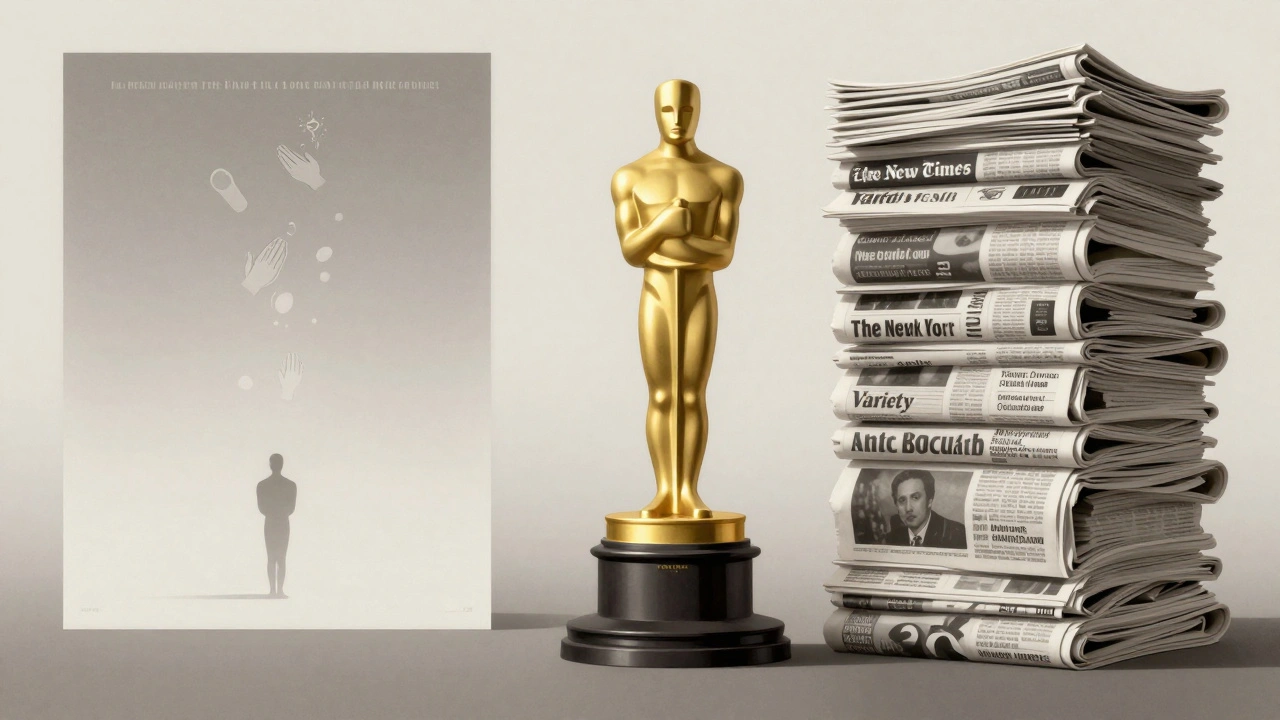
Festival critics have a unique position. They’re not just writing for readers. They’re writing for Oscar voters, studio heads, and producers who are watching the buzz. A single glowing review from The Hollywood Reporter or Variety can push a film from obscurity into the conversation for Best Picture.
How the Review Pipeline Works
The timeline is tight. A film premieres at 8 a.m. at Cannes. By 10:30 a.m., a critic has filed their review. By noon, it’s live online. By 2 p.m., studios are already reacting.
Here’s how it breaks down:
- Early screenings are reserved for accredited press and industry insiders. These aren’t public events-they’re exclusive.
- Review deadlines are strict. Critics often have to submit their pieces before the Q&A, sometimes even before the credits roll.
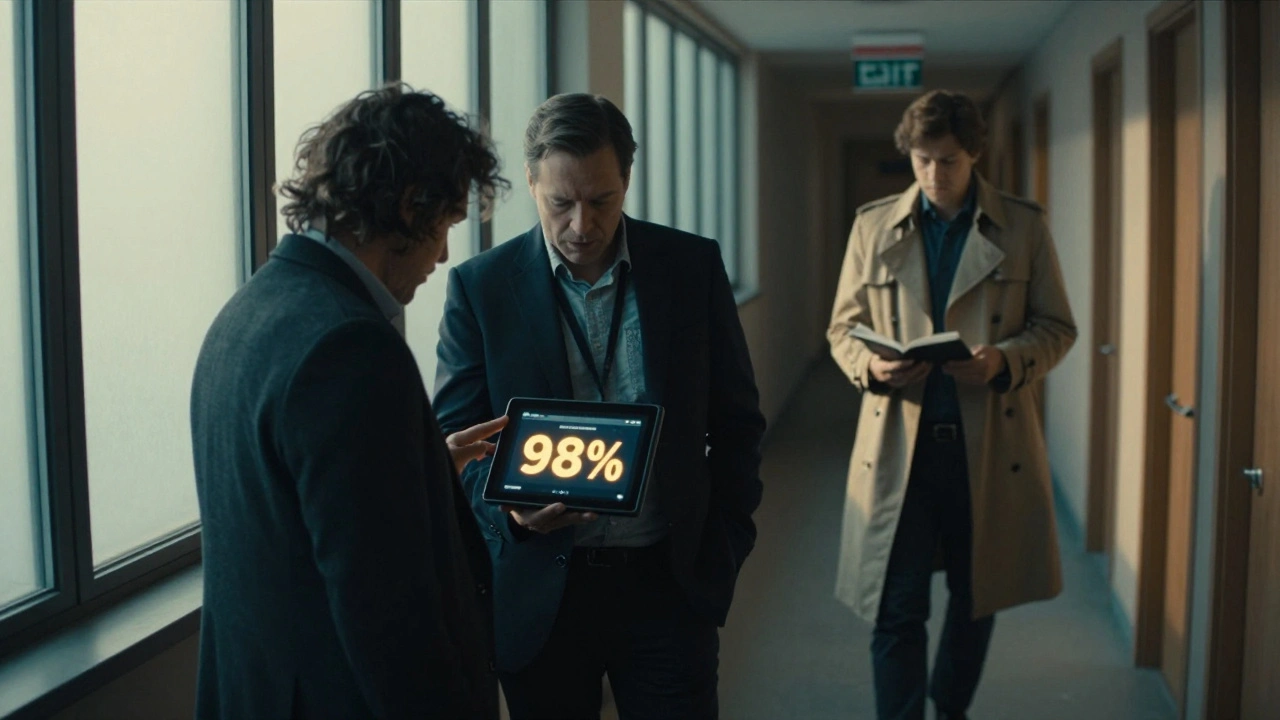
- Aggregation sites like Rotten Tomatoes and Metacritic start updating within hours. A film that opens with 90%+ on Rotten Tomatoes immediately becomes a frontrunner.
- Studio response is immediate. Marketing teams scramble to highlight quotes like "a career-defining performance" or "the most powerful drama of the year." These become the foundation of their Oscar campaign.
This isn’t theory-it’s practice. In 2023, The Holdovers had a modest premiere at Telluride. But critic after critic called it "an Oscar-worthy performance from Paul Giamatti." By the time it hit theaters, it was already on every major awards predictor list. No ad blitz. No viral TikTok campaign. Just reviews.
The Power of the First Word
It’s not enough to be good. You have to be called good early. A film that gets lukewarm reviews at its premiere can vanish from the conversation. A film that gets raved about? It becomes unstoppable.
Consider Manchester by the Sea. It premiered at Sundance in 2016. The first review, from The Guardian, called it "a quiet earthquake of a film." That single line was quoted in every major outlet that followed. Within a week, it had a $10 million distribution deal. By January 2017, it was nominated for five Oscars.
Conversely, a film like Bliss (2021) had a big budget and a star-studded cast but received mixed reviews at Sundance. Critics called it "confusing," "overstuffed," and "lacking emotional weight." Even though it had a wide release, it disappeared from awards talk before the year even ended.
The difference? Timing. Festival reviews aren’t just opinions-they’re signals.
Who Really Has Influence?
Not every critic matters the same way. Studios and voters pay attention to a small group of voices:
- Major trade publications - Variety, The Hollywood Reporter, Deadline
- Top-tier newspapers - The New York Times, The Guardian, Los Angeles Times
- Academy members who are also critics - Many Oscar voters read reviews before they vote. Some are critics themselves.
- Independent voices with large followings - Critics like Richard Brody (The New Yorker) or Manohla Dargis (The New York Times) have sway because their opinions are trusted.
These aren’t just journalists-they’re gatekeepers. A single paragraph from Manohla Dargis can change how a film is perceived for months. Her review of Past Lives in 2023 didn’t just praise it-it framed it as a defining film of the year. That shaped how voters saw it.
What Critics Look For at Festivals
It’s not just about whether a film is good. Festival critics are looking for something specific:
- Originality - Does it feel fresh? Or does it recycle old tropes?
- Emotional impact - Does it move you? Or just entertain?
- Performance - Is there a standout turn that could be award-worthy?
- Directorial vision - Is there a clear, bold voice behind the camera?
- Marketability - Can this find an audience beyond niche festivals?
These aren’t random criteria. They’re the same ones the Academy uses. That’s why festival reviews are so predictive. Critics are trained to spot the same things voters will later vote for.
How Studios Use Festival Reviews
Studios don’t just wait for reviews-they engineer them. They:
- Screen films for critics before the public premiere.
- Hold private Q&As with directors and actors to shape narrative.
- Provide press kits with quotes, stills, and talking points.
- Target specific critics known to favor certain genres.
Some even time their festival premieres to avoid competition. Oppenheimer didn’t premiere at Cannes in 2023-it went to Telluride and Venice. Why? Because those festivals have critics who are more likely to champion serious dramas. And it worked. The reviews were overwhelmingly positive. The Oscar campaign was set before Labor Day.
The Dark Side: When Reviews Go Wrong
Not every festival review is fair. Sometimes, critics are tired. Sometimes, they’re biased. Sometimes, they haven’t even seen the whole film.
In 2022, a major critic reviewed The Woman King after just 30 minutes of screening. The review called it "predictable" and "lacking depth." Later, the critic admitted they hadn’t seen the ending. The film went on to be nominated for Best Picture. But the early negative review stuck online for months.
That’s the risk. One rushed review can linger. And in the age of aggregation, a single negative score can drag down a film’s chances.
What Filmmakers Should Know
If you’re a filmmaker with a film at a festival:
- Plan your premiere like a campaign. Don’t just show up-engineer the buzz.
- Target critics who’ve praised similar films in the past.
- Have your cast and crew ready for interviews. The best reviews often come from Q&As.
- Prepare quotes from your own team. You’ll need them for press kits.
- Accept that not every review will be kind. But one powerful one can change everything.
There’s no magic formula. But the pattern is clear: early reviews don’t just reflect a film’s quality-they create its destiny.
Do festival reviews really affect Oscar nominations?
Yes, they play a major role. While Oscar voting happens later, the buzz generated by early festival reviews shapes which films get seen, discussed, and remembered. Studios use positive reviews to build campaigns, and voters often rely on those early opinions to decide what to watch. Films that don’t get strong festival reviews rarely make it into the final nominations.
Which film festivals matter the most for award buzz?
The "Big Three" are Telluride, Toronto, and Venice. These are where studios debut their Oscar contenders. Sundance is crucial for indie films, while Cannes often sets the tone for international contenders. Critics at these festivals have the most influence because their reviews are read by Academy members, distributors, and industry insiders.
Can a film win awards without festival buzz?
It’s extremely rare. In the last 15 years, only a handful of Best Picture nominees didn’t premiere at a major festival. Most of those were studio releases with massive marketing budgets. For indie films, festival buzz is essential. Without it, they rarely get seen by voters.
Are negative festival reviews always bad?
Not always. Sometimes, controversy can generate attention. A film that divides critics can still become a talking point-like The Last Duel in 2021. But that’s the exception. Most of the time, negative reviews kill momentum. Studios avoid them like fire.
How long do festival reviews stay relevant?
They stay relevant for months. Rotten Tomatoes and Metacritic scores from festivals are still being checked by voters in January. Even after a film opens in theaters, critics’ early opinions continue to shape how it’s perceived in award circles. A film that opens with a 95% on Rotten Tomatoes at Sundance has a much better shot than one that opens at 70%.



Comments(10)