Key Takeaways for Cinema Owners and Film Lovers
- Experience is the new currency; social interaction beats algorithmic convenience.
- Diversified revenue streams, like memberships and curated events, stabilize cash flow.
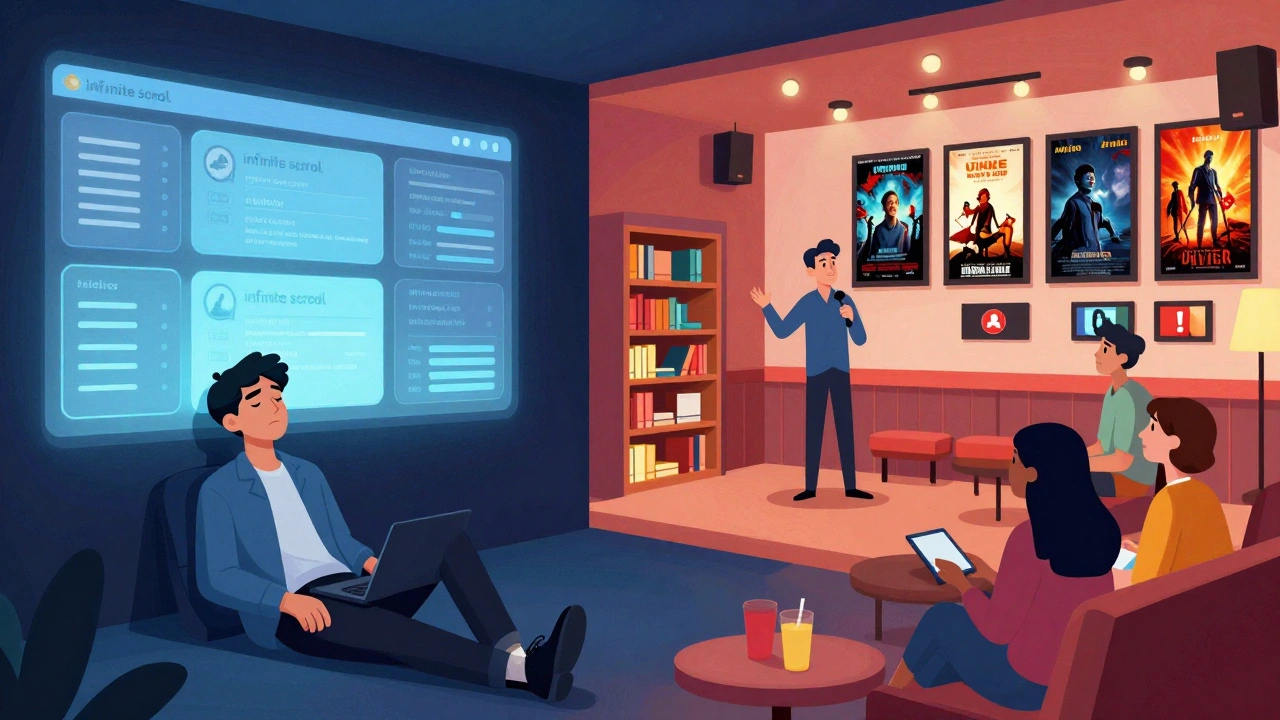
- Curation serves as a filter against the "infinite scroll" fatigue of streaming.
- Hybrid models combining digital outreach with physical exclusivity are winning.
The Experience Gap: Why Physical Spaces Still Matter
The biggest mistake a small theater can make is trying to compete with Netflix is a global streaming service and production company that pioneered the binge-watching model. Known for its recommendation algorithms, it provides instant access to thousands of titles for a monthly fee. on convenience. You will never beat a button that says 'Play Now' from your living room. Instead, independent cinemas are selling 'The Event.'
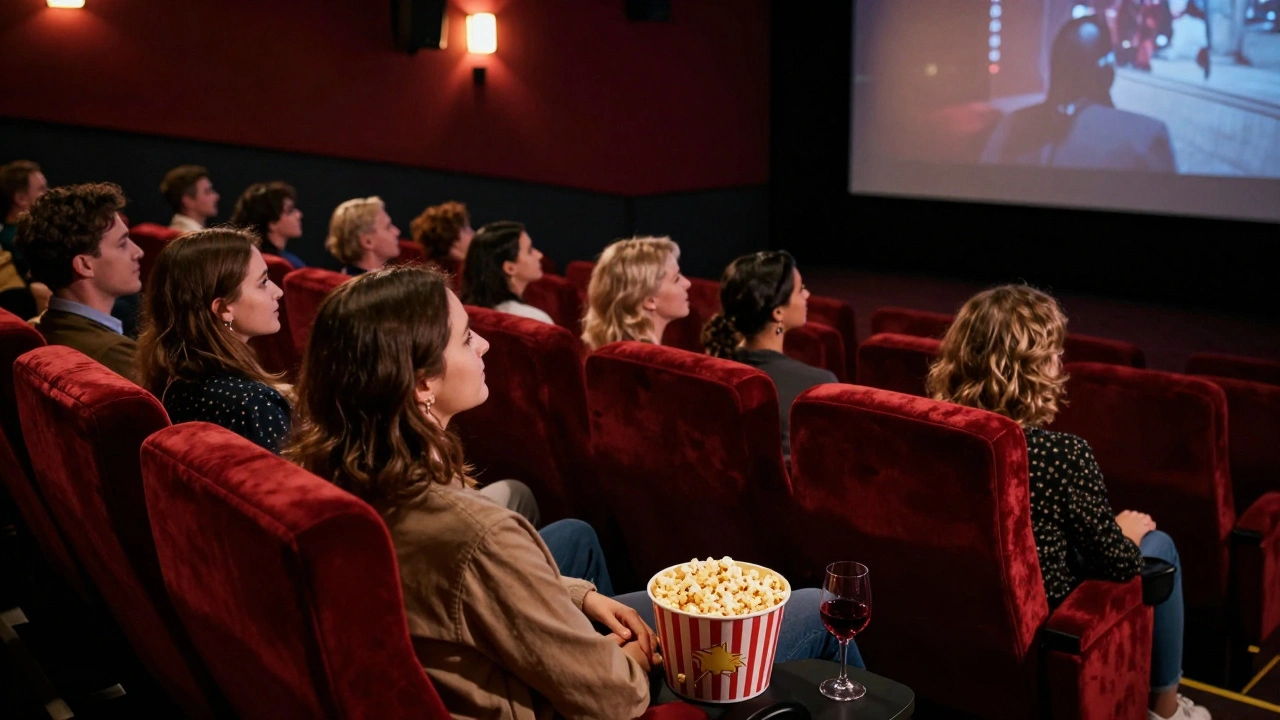
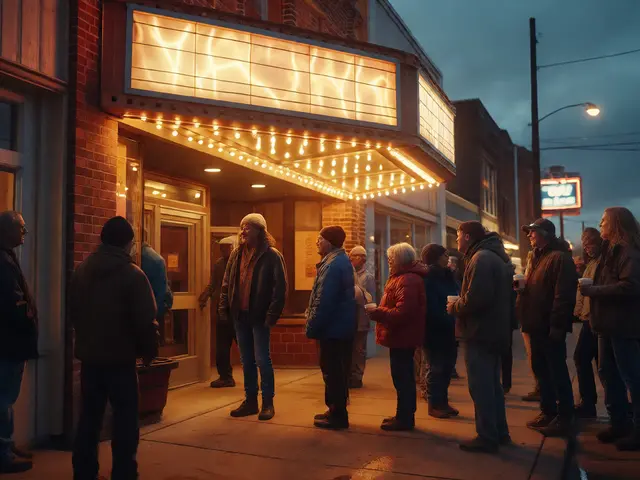
When you go to a boutique cinema, you aren't just paying for a movie; you're paying for the curated atmosphere. This includes the tactile feel of a velvet seat, the prestige of a limited-release print, and the shared emotional energy of a crowd. A study by the National Association of Theatre Owners suggests that Gen Z and Millennials actually crave "third places"-social environments outside of home and work-more than previous generations. By focusing on the social aspect, theaters transform from a place to watch a movie into a cultural hub. If a theater feels like a community center that happens to have a projector, it becomes indispensable.
Curation as a Cure for Choice Paralysis
Streaming platforms suffer from a problem called 'choice overload.' You spend forty minutes scrolling through a menu only to decide you're too tired to watch anything. Art-house cinema is a style of filmmaking that prioritizes artistic expression and experimentation over commercial viability. It typically focuses on foreign films, documentaries, and indie productions. solves this by doing the hard work for the viewer.
A skilled programmer at an independent theater isn't just picking movies; they are building a narrative for their community. Whether it's a month-long retrospective of Akira Kurosawa is a legendary Japanese filmmaker known for blending traditional samurai cinema with Western storytelling techniques or a curated series of A24 horror films, the theater provides a stamp of quality. This "human touch" is something an AI algorithm cannot replicate. When a theater owner recommends a film, it carries a level of trust and prestige that a "98% Match" notification simply doesn't have. The goal is to move from being a venue to being a tastemaker.
The Math of Survival: Beyond the Ticket Sale
Relying solely on ticket sales is a recipe for bankruptcy in 2026. With the shrinking "theatrical window"-the time between a movie hitting theaters and appearing online-theaters have to find new ways to make money. The most successful independents are now using a diversified revenue model. This means shifting from a transactional relationship (buying one ticket) to a relational one (paying for a membership).
| Revenue Stream | Traditional Model (Risky) | Modern Model (Sustainable) |
|---|---|---|
| Tickets | Primary income source | Base income / Loss leader |
| Concessions | Popcorn and soda | Local craft beer, wine, and gourmet food |
| Membership | None or basic discount card | Tiered monthly subscriptions with perks |
| Events | Standard screenings | Q&As, panel discussions, film festivals |
Consider the "membership" shift. By charging a monthly fee for unlimited screenings or early access, theaters create a predictable monthly cash flow. This allows them to take risks on weirder, more experimental films because the overhead is already partially covered. Furthermore, upgrading the snack bar from processed candy to local artisan products increases the average spend per person. If you can sell a $15 glass of local wine alongside a $12 ticket, your margins improve drastically.
Programming for the 'Un-Streamable'
To compete, theaters must screen things that feel 'wrong' or 'incomplete' on a laptop. This includes high-fidelity audio experiences and massive visual scales. However, for small art-house theaters, the 'un-streamable' is often the interaction. Hosting a live Q&A with a director via Zoom or in person turns a movie into a masterclass. Film festivals, even small local ones, create a destination. People will travel for a three-day event, whereas they won't travel for a single movie they can see on Apple TV+ is a subscription video-on-demand service owned by Apple Inc., focusing on high-budget original content in two weeks.
Interactive cinema is another frontier. Think of 'Movie Nights' that include themed cocktails, dress codes, or live musical accompaniment. When the cinema becomes a participatory event, the streaming platform becomes the 'homework' and the theater becomes the 'party.' By leaning into the physical constraints of the building, theaters create a sense of scarcity. 'Only 40 seats available for this rare 35mm print' creates a biological urge to attend that a digital library can never trigger.
Navigating the Distribution Minefield
One of the hardest parts of running an indie theater is the fight for screens. Major distributors often demand a huge cut of the ticket sales or insist on specific screening windows. To fight this, many art-house cinemas are forming cooperatives or partnering with Criterion Collection is a company that publishes meticulously restored classic and contemporary films on physical media and other boutique distributors who value the prestige of a theatrical run over immediate digital numbers.
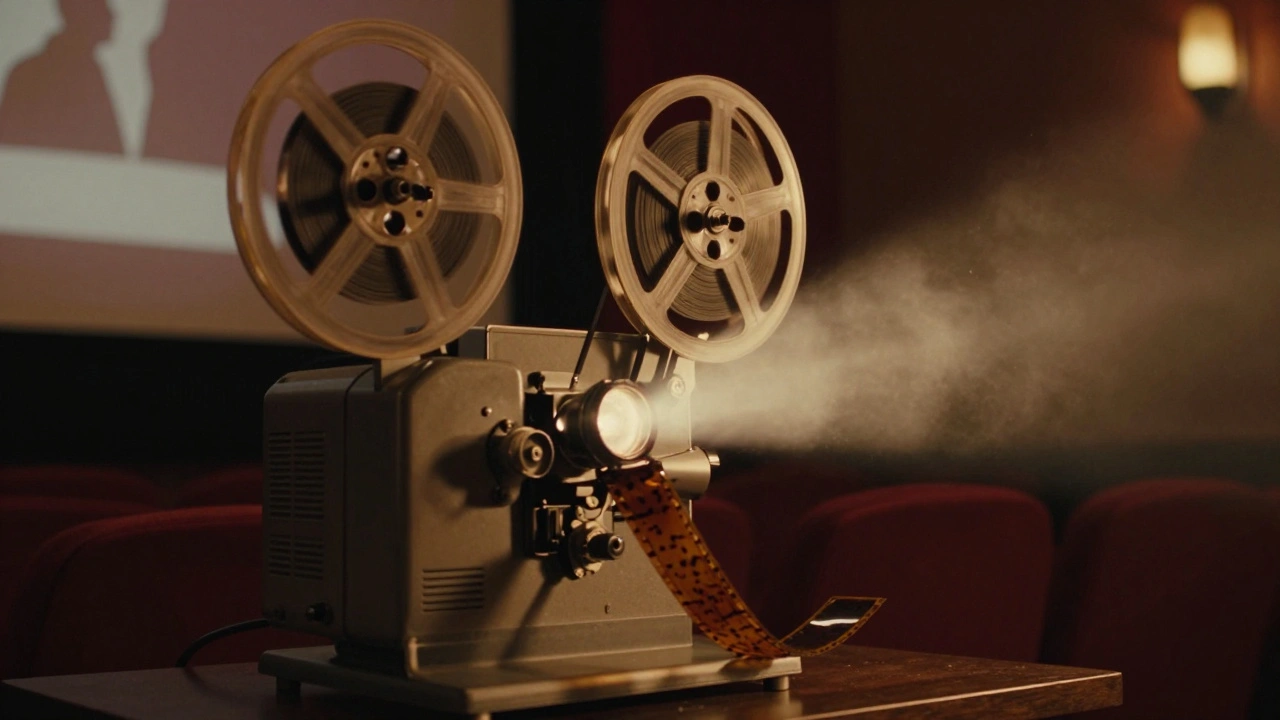
The move toward 35mm and 70mm film projections is also a smart strategic play. While digital projection is the norm, the organic flicker and warmth of actual film are unique. It is a luxury product. Just as vinyl records returned because people missed the tactile nature of music, film projection is becoming a high-end experience. When a theater advertises 'Screened on 35mm,' they are no longer competing with a streaming app; they are competing with a museum exhibit. They are selling the preservation of art, not just the consumption of content.
The Future: Hybrid Ecosystems
The most resilient theaters aren't fighting streaming; they are using it as a funnel. Smart owners use social media and digital newsletters to build a community online, which then drives foot traffic to the physical location. They might host a digital vote on what the next retrospective should be, giving the audience a sense of ownership over the theater's programming. This converts the viewer from a passive consumer into a stakeholder.
We are seeing the rise of the "Cinema-Café" hybrid, where the lobby serves as a bookstore or a workspace during the day and a cinema at night. This maximizes the utility of the square footage. If the building is making money from espresso shots at 10 AM and indie horror flicks at 10 PM, the business is far more stable. The key is to stop thinking of the business as 'selling movies' and start thinking of it as 'managing a cultural space.'
Can a small theater actually make money with a membership model?
Yes. By converting casual visitors into monthly members, theaters create a recurring revenue stream that covers fixed costs like rent and utilities. This reduces the stress of a "flop" movie and allows the theater to program riskier, artistic films that might not attract a massive one-time crowd but build long-term prestige.
Why do people still pay for art-house tickets when they have streaming?
It comes down to curation and community. Streaming provides too many options, leading to decision fatigue. A curated art-house experience provides a trusted recommendation and a social environment, making the act of watching a movie a shared event rather than an isolated activity.
Is 35mm film really a viable draw for audiences?
Absolutely. Much like the vinyl revival in music, there is a growing appetite for analog media. The visual texture of film is distinct from digital, and the rarity of these prints creates a "must-see" urgency that digital screenings lack.
How do art-house theaters handle the shrinking theatrical window?
They pivot toward exclusivity and events. Instead of just showing a film, they add value through director Q&As, themed events, and community discussions, ensuring that the experience of seeing the film in person is fundamentally different and better than seeing it on a screen at home.
What is the best way for a new theater to attract Gen Z audiences?
Focus on the "Third Place" concept. Create a space that feels like a community hub-incorporate a great café, host niche events, and use social media to make the theater a destination for cultural discovery rather than just a place to watch a movie.
Next Steps for Theater Preservation
If you are a cinema owner or a supporter of local arts, the path forward involves three main shifts. First, audit your revenue: if more than 70% of your money comes from ticket sales, you are vulnerable. Start introducing memberships or higher-margin concessions. Second, look at your programming. Stop trying to show the same blockbusters as the giant multiplexes and start leaning into the "un-streamable"-the rare prints, the local docs, and the interactive events. Finally, engage your community. Use digital tools to let your audience help shape the cinema's identity.
For the movie-goer, the best way to help is simple: stop waiting for a movie to hit a streaming service. Buy the ticket, buy the overpriced popcorn, and support the people who keep the projectors humming. The survival of art-house cinema depends on our willingness to leave the couch.





Comments(7)