The Clash of Truth and Entertainment
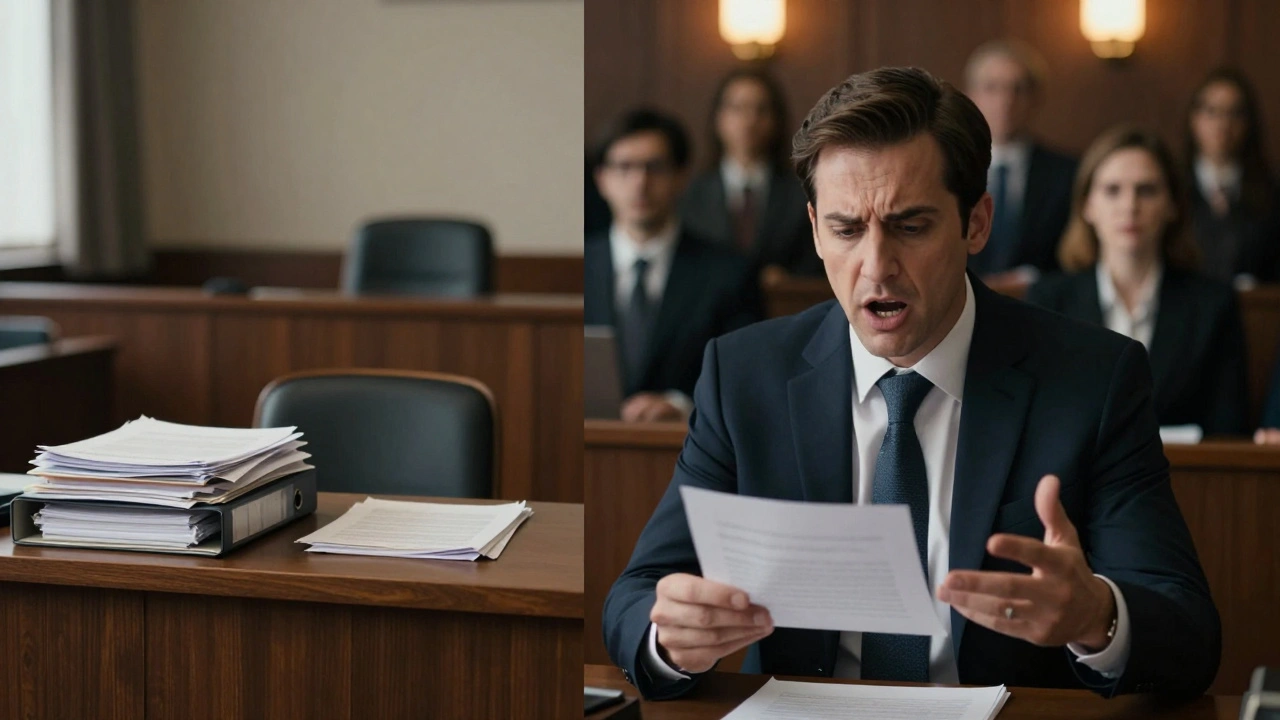
When a producer picks up a true-crime manuscript, the goal isn't a documentary-it's a narrative. To make it work for television, they use a process called dramatization. This is where legal dramas is a genre of television and film that focuses on the judicial system and the interpersonal conflicts between lawyers, judges, and defendants. These shows often compress timelines, merge three real-life witnesses into one fictional character, and add romantic tension where there was only professional stress.
The problem starts when the "creative license" crosses into the territory of factual error. In a real courtroom, the Rules of Evidence is the set of regulations governing the admissibility of evidence in a court of law. You can't just shout "Objection!" to stop a witness from speaking if the objection doesn't have a legal basis. In TV, objections are often used as punctuation marks to build tension. This creates a skewed perception of how the Judiciary is the system of courts that interpret and apply the law in a country works, making the real process seem inefficient or the fictional one seem miraculously fast.
Walking the Defamation Tightrope
The biggest nightmare for a studio isn't a bad review; it's a Defamation is the communication of a false statement that harms the reputation of an individual or organization lawsuit. When a show is based on a true-crime book, the characters are real people. Even if the show changes the names, if a former colleague or neighbor can identify the person, the studio is on the hook.
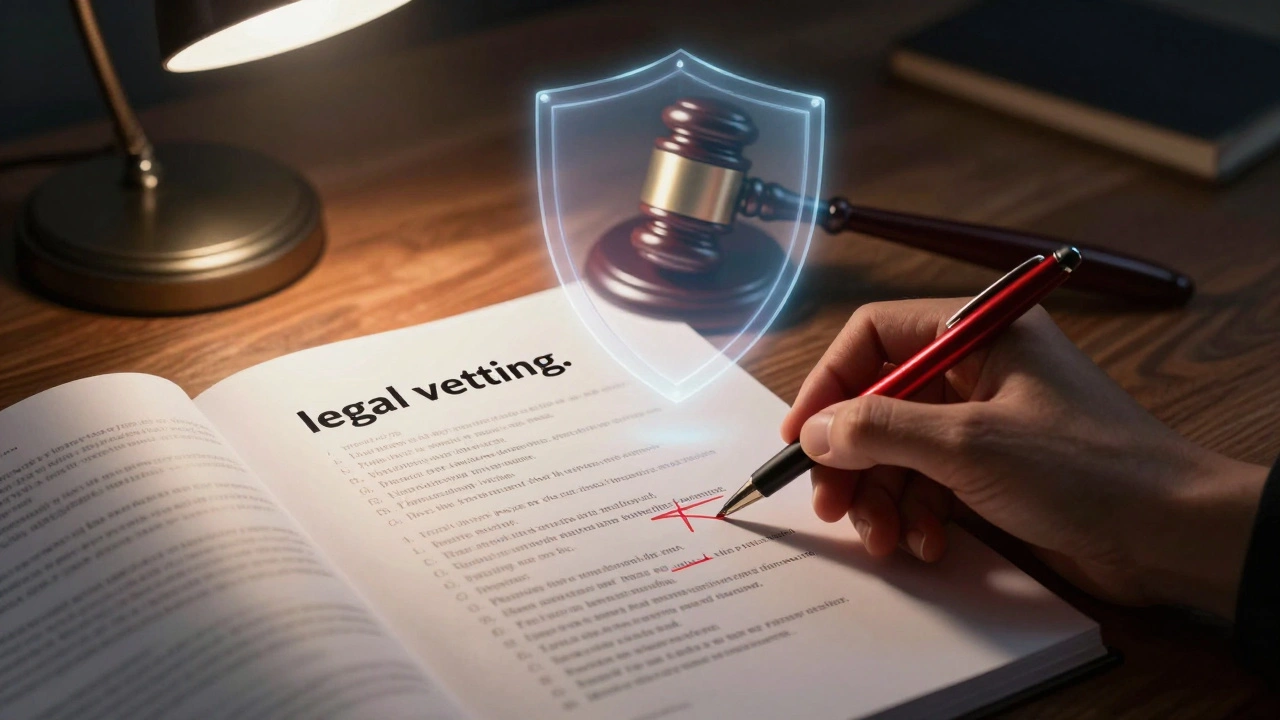
To protect themselves, lawyers use a tool called "legal vetting." A team of attorneys reviews every script to see if a scene could be interpreted as a false accusation of a crime. If a script suggests a character committed a murder that they were never charged with in real life, that's a massive red flag. This is why you'll often see those disclaimers at the start: "Certain characters and events have been fictionalized for dramatic purposes." While it sounds like a formality, it's a strategic shield used to argue that the show is a work of art, not a journalistic record.
| Feature | Real Life (True Crime Books) | TV Adaptation (Legal Dramas) |
|---|---|---|
| Evidence Entry | Pre-filed, vetted, and exchanged via discovery | Surprise documents revealed mid-trial |
| Witness Behavior | Carefully prepped, often monotone or robotic | Emotional outbursts and shocking revelations |
| Pacing | Months of waiting and procedural delays | Rapid-fire sequences and overnight breakthroughs |
| Verdict | Often settled before trial or based on technicalities | Dramatic jury reads and high-tension endings |
The Role of the Public Record
One of the safest ways a show can avoid liability is by sticking strictly to the Public Record is documents and records available for public inspection, such as court transcripts and police reports. If a lawyer in a show says something that was actually said in a recorded trial transcript, the studio has a "truth defense." Truth is an absolute defense against defamation.
However, true-crime books often rely on interviews and memoirs, which are subjective. If a book says, "The detective seemed angry," a screenwriter might turn that into a scene where the detective screams at a suspect. This is where the risk spikes. The detective's real-life legal team can argue that the show portrayed them as unstable or abusive, which wasn't in the official record. This leads to the use of Composite Characters is a fictional character created by combining the traits and roles of several real people. By blending three different detectives into one "Captain Miller," the studio distances the fiction from any single living person.
Liability and the First Amendment
In the United States, the First Amendment is the part of the U.S. Constitution that protects freedom of speech and press provides significant protection for creators. For a public figure to win a defamation case, they often have to prove "actual malice." This means they must show that the creators knew the information was false or acted with reckless disregard for the truth.
This is a high bar. If a writer can show they relied on a best-selling true-crime book, they can argue they weren't acting with malice; they were following a source. But this doesn't protect them from Invasion of Privacy is the intrusion into the personal life of another without just cause. Showing a character's private medical records or intimate home life-even if it's true-can still lead to a lawsuit if it's deemed "highly offensive to a reasonable person." This is why many adaptations gloss over the most private details of the book and focus on the public legal battle.
How Accuracy Impacts the Viewer
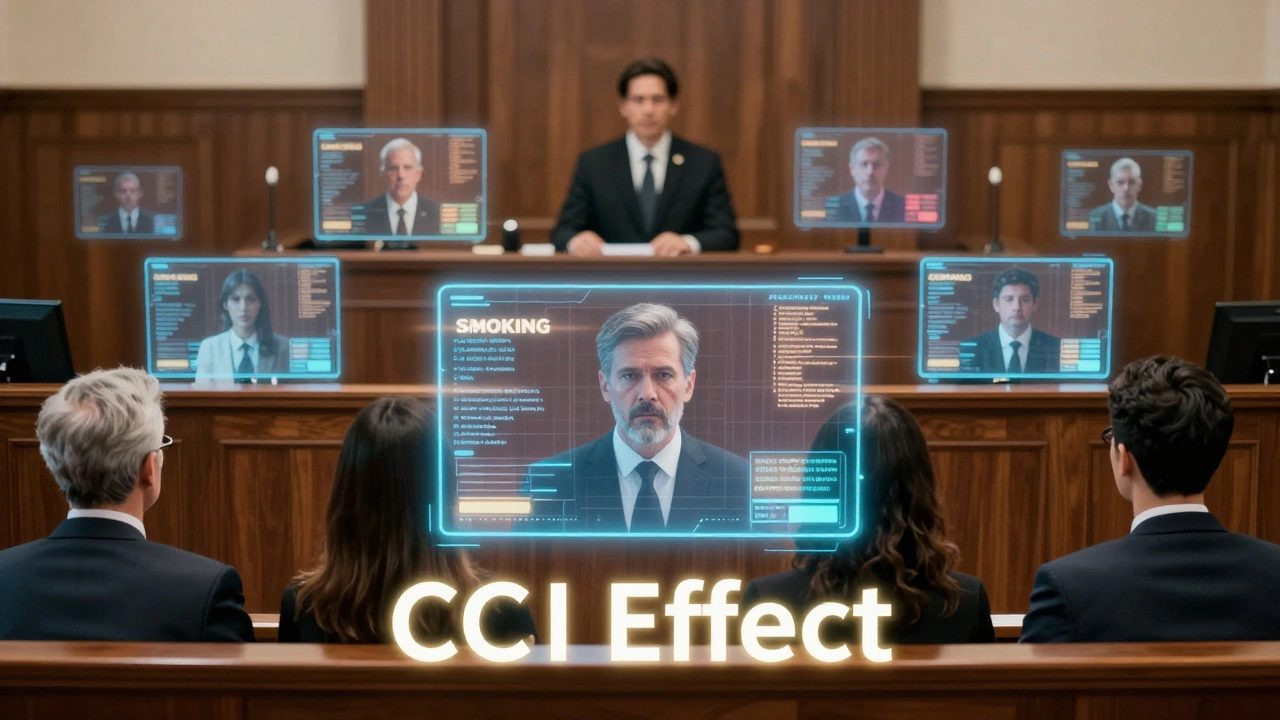
When we see a lawyer in a show use a psychological trick to get a confession, we start expecting that in real life. This is known as the "CSI Effect." Jurors now often expect forensic evidence or a "smoking gun" in every case because that's what they see on screen. When a real lawyer presents a case based on circumstantial evidence and boring spreadsheets, the jury might feel like something is missing.
The danger here isn't just to the viewer's understanding, but to the integrity of the trial. If a high-profile case is being adapted into a show while the real trial is still happening, it can contaminate the jury pool. We've seen this in cases where the "protagonist" of the show is framed as a hero, making it harder for a real jury to remain impartial. The legal system relies on a fair trial, but the entertainment industry relies on a compelling lead.
The Trade-off: Truth vs. Tension
Ultimately, the distance between a true-crime book and its screen adaptation is measured by the need for a climax. In a book, the climax might be a 400-page analysis of a tax loophole. On screen, that's a snooze-fest. The writers need a confrontation. This leads to the "dramatic epiphany," where a character realizes the truth in a flash of insight. In reality, the truth is usually found through months of Discovery is the pre-trial process where each party exchanges relevant documents and evidence, not a sudden realization during a cross-examination.
By prioritizing the emotional truth over the literal truth, these shows capture the *feeling* of injustice or triumph, even if they mangle the actual legal procedure. The liability remains a constant threat, but for most networks, the risk is worth the reward of a hit series. They'll take the chance on a few cease-and-desist letters if it means getting a Top 10 trending show.
Can real people sue a TV show based on a true crime book?
Yes, they can. Most lawsuits focus on defamation or invasion of privacy. However, winning is difficult because the plaintiff must often prove that the show made false claims with "actual malice," especially if the person is a public figure or the case was widely reported in the news.
What is a composite character and why is it used?
A composite character is one fictional person who embodies the traits or roles of several real people. This is used to simplify the plot and reduce legal liability, as it makes it harder for any one real-life individual to claim they were specifically misrepresented.
Why are courtroom scenes in movies so different from real trials?
Real trials are heavily regulated by the Rules of Evidence and involve extensive pre-trial motions. Much of the "action" happens in offices and through paperwork. TV shows move this action into the courtroom to create visual and emotional tension for the audience.
What does "legal vetting" mean in production?
Legal vetting is the process where lawyers review scripts to identify potential legal risks, such as defamatory statements or privacy violations. They suggest changes to dialogue or plot points to ensure the production isn't vulnerable to lawsuits.
Does the "based on a true story" disclaimer protect studios?
It helps, but it isn't a magic shield. It signals to the audience that the work is a dramatization, which can help a studio argue that a reasonable viewer wouldn't take the events as literal facts. However, it doesn't excuse intentional malice or extreme privacy violations.
Next Steps for Viewers and Creators
If you're a viewer, the best way to get the full picture is to read the original source material. Compare the court transcripts mentioned in the book to the scenes in the show. You'll start to see where the "drama" was added and where the real legal battles actually took place.
For creators, the key is balance. You don't have to sacrifice the plot for accuracy, but staying close to the public record is your best defense. When in doubt, create composite characters and focus on the themes of the case rather than attempting to recreate every single real-life interaction. A good legal drama isn't about the law; it's about the people caught in the system.



Comments(7)