
For every dollar a man earns below the line in film, a woman earns 72 cents. That’s not a guess. It’s not an opinion. It’s data from the 2024 Women in Film Pay Equity Report, which tracked over 12,000 crew positions across 450 major studio and independent productions. This gap doesn’t show up in the credits of blockbusters. It hides in the makeup trailers, the sound carts, the lighting rigs, and the editing suites where women do the real, daily work of making movies-but still don’t get paid like they should.
What Does ‘Below the Line’ Even Mean?
‘Below the line’ refers to everyone who isn’t a producer, director, writer, or lead actor. These are the grips, gaffers, costume designers, script supervisors, location managers, editors, and assistant directors. They’re the ones who show up at 4 a.m., haul equipment through rain, fix broken props at 2 a.m., and edit footage for 16 hours straight. They’re not glamorous. But without them, the movie doesn’t exist.
Yet, when studios talk about pay equity, they focus on stars. They highlight actresses who got raises for leading roles. But the real inequality lives in the crew. A female gaffer on a Netflix series might make $85,000 a year. Her male counterpart on the same show? $110,000. Same hours. Same skills. Same union contract. But the pay difference sticks like glue.
Where the Gap Is Widest
The pay gap isn’t uniform. It’s worse in some departments than others. According to the 2024 report, the largest disparities show up in:
- Camera and Electrical Departments: Women make 68 cents for every dollar men earn. Even when they’re certified and experienced.
- Art Department: Costume designers and set decorators are 70% women, but average pay is 28% lower than male counterparts in similar roles.
- Post-Production: Female editors earn 74 cents on the dollar. That’s better than other departments, but still a $15,000 annual gap on a $100,000 salary.
- Location Management: One of the most male-dominated roles below the line. Women who break in earn 65 cents on the dollar.
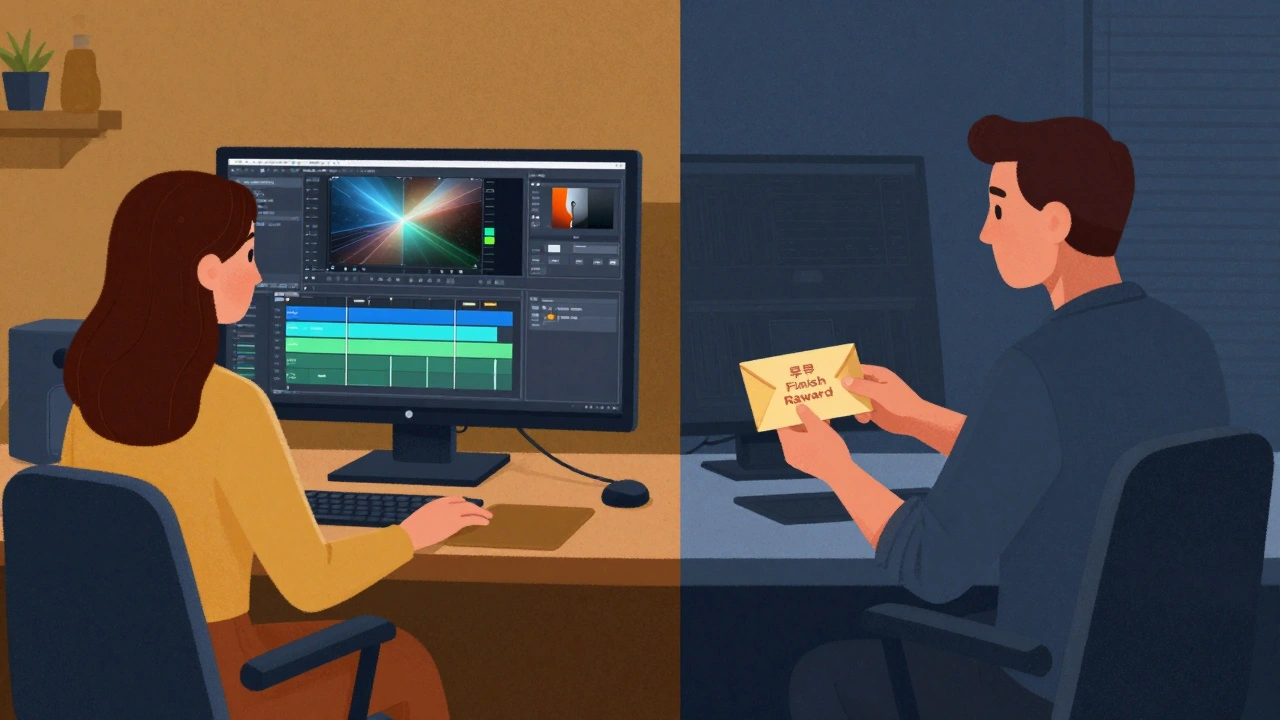
And here’s the kicker: in many cases, women are hired into the same job titles as men-but with less authority, fewer overtime hours, and no access to the same bonus structures. A male production designer might get a 10% bonus for finishing early. A woman doing the exact same job? No bonus. Just silence.
Why Does This Keep Happening?
It’s not just about bias. It’s about systems.
Most below-the-line jobs are filled through word-of-mouth. Crews hire people they’ve worked with before. And for decades, those networks were mostly men. If you’re a woman trying to get into grip work, you’re not just competing for a job-you’re competing for an invitation.
Union hiring halls, which are supposed to be fair, often rely on seniority lists that were built when women were rarely hired. Even today, women make up only 29% of IATSE (International Alliance of Theatrical Stage Employees) members. And when they do join, they’re often placed on lower-tier lists, meaning they get called last for jobs.
There’s also the myth of ‘market rate.’ Studios say they pay what the market allows. But market rates are set by who’s been paid before. If women have been underpaid for 30 years, the ‘market’ becomes a self-fulfilling prophecy. And when you’re working on a short-term gig with no contract, you don’t have leverage to ask for more.
Who’s Trying to Fix This?
Change is slow, but it’s happening.
In 2023, the Producers Guild of America launched the Equal Pay Initiative, which requires all productions it certifies to disclose salary ranges for below-the-line roles. Over 200 productions have signed on. That’s still a fraction of the industry-but it’s the first time studios are being asked to show their numbers.
Organizations like Women in Film, She Should Run, and ReFrame are training women for technical roles and connecting them with hiring managers. In 2024, 41% of new hires in camera departments at independent films were women-up from 19% in 2018. That’s not equality, but it’s momentum.
Some unions are pushing back too. IATSE’s 2024 contract negotiations included new language requiring pay equity audits for all productions over $5 million. And for the first time, the union started tracking gender pay gaps internally-not just for members, but for all hires.
What’s the Real Cost of the Gap?
It’s not just about fairness. It’s about talent loss.
Women leave the industry at twice the rate of men after five years in below-the-line roles. Why? Burnout. Pay disparity. Lack of advancement. A 2025 survey of 800 crew members found that 63% of women considered quitting because they couldn’t afford to stay. One camera assistant in Atlanta told me she took a job as a barista because her film gig didn’t cover rent-even though she’d worked on three studio films in two years.
And when women leave, they take experience with them. The film industry doesn’t just lose workers. It loses mentors. It loses leaders. It loses the next generation of directors and producers who might have learned on set.
Studies from UCLA’s Annenberg Inclusion Initiative show that films with more women in below-the-line roles have higher audience retention and better critical reception. It’s not coincidence. Diverse crews bring diverse perspectives. And that shows up on screen.
What Can You Do?
If you’re in the industry: ask for pay transparency. If you’re hiring: publish salary ranges. If you’re a student: train for a below-the-line job. Don’t wait for the spotlight. Build the foundation.
Here’s what works:
- Join a crew mentorship program. Organizations like Women in Film & Television and Women Make Movies offer free training and placement.
- Track your pay. Use tools like the Pay Equity Calculator from the Producers Guild to compare your salary to industry standards.
- Ask for a written contract. Even for short gigs. It’s the only way to hold people accountable.
- Speak up in union meetings. Your voice matters more than you think.
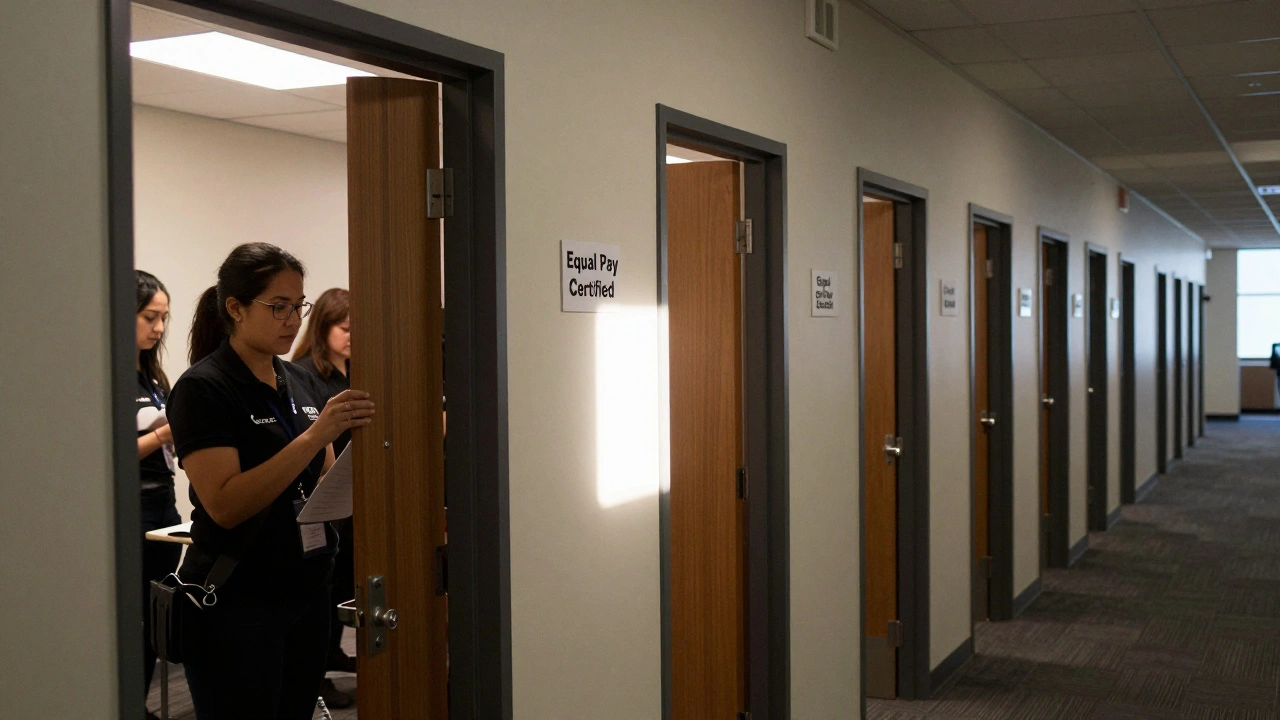
- Support films that disclose their pay data. Look for the Equal Pay Certified badge on streaming platforms.
Change doesn’t come from speeches. It comes from people demanding better-and refusing to accept the old rules.
It’s Not About Charity. It’s About Justice.
Women aren’t asking for handouts. They’re asking for the same pay they’ve earned. The same respect. The same opportunity.
The film industry talks about storytelling. But it’s still telling the same old story: men lead, women support. And that’s not just outdated. It’s unsustainable.
Every time a woman gets paid fairly below the line, the whole industry moves forward. Not because it’s nice. But because it’s right. And the movies we make tomorrow will be better for it.
What percentage of below-the-line film workers are women?
As of 2024, women make up 32% of below-the-line film workers across major productions, according to the IATSE and Women in Film data. That’s up from 21% in 2015, but still far below parity. In technical roles like camera and electrical, women account for under 25% of hires.
Do unions help close the pay gap for women in film?
Unions like IATSE and SAG-AFTRA set minimum pay rates and benefits, which help prevent the worst abuses. But they don’t automatically fix gender pay gaps. Many union contracts are based on seniority, which favors men who’ve been in the industry longer. Recent union efforts now include mandatory pay equity audits and gender data tracking, which are starting to make a difference.
Are women paid less because they work fewer hours?
No. Data from the 2024 Pay Equity Report shows women work the same hours as men in the same roles. In fact, women are more likely to work overtime because they’re often assigned last-minute tasks or asked to cover for absent crew. The gap persists even when controlling for hours, experience, and union status.
Can independent films be more equitable than studio films?
Yes, but not always. Independent films often have smaller budgets, which can mean lower pay for everyone. But they’re also more flexible. Many indie producers now use pay equity pledges and transparent salary bands. In 2024, 68% of indie films under $2 million that used the Producers Guild’s Equal Pay Toolkit had no gender pay gap in below-the-line roles.
What’s the biggest barrier to pay equity for women below the line?
The biggest barrier is the lack of transparency. Without knowing what others are paid, women can’t negotiate fairly. Many hiring managers still operate on ‘trust’ and ‘history’ instead of data. When salary ranges are published and audited, the gap shrinks fast. The solution isn’t harder work-it’s fairer systems.





Comments(10)