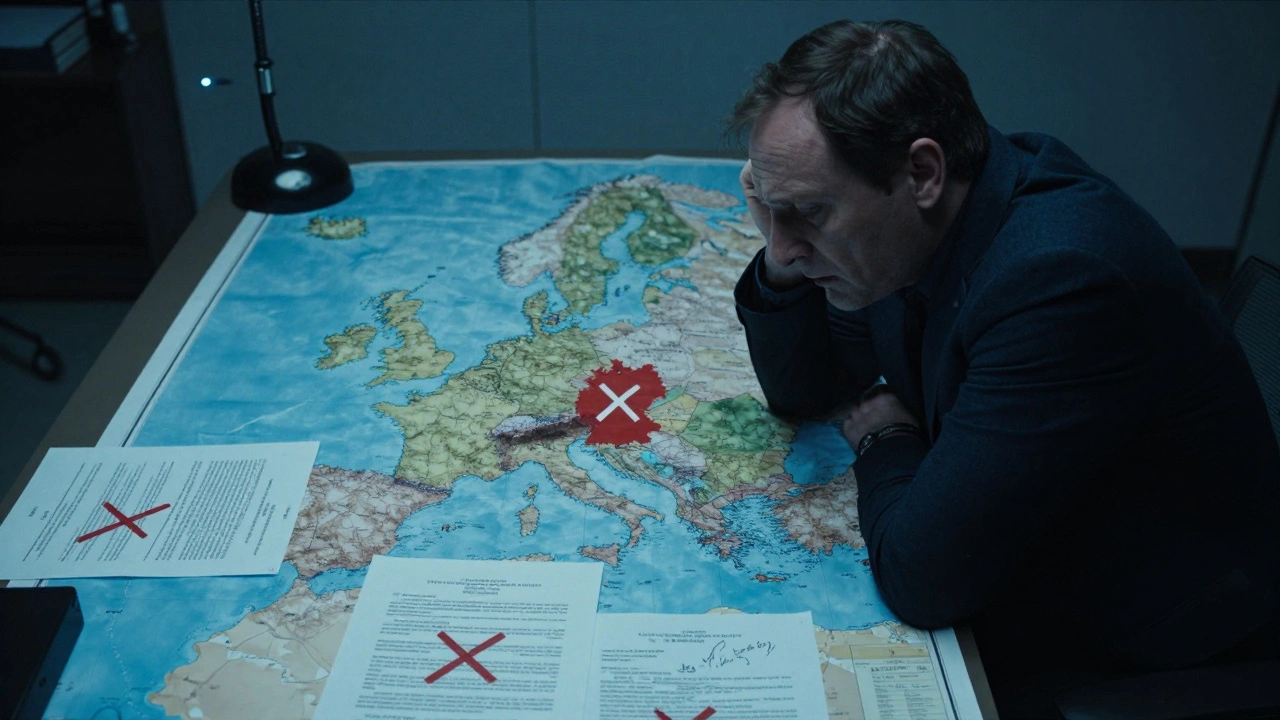
Imagine your film is ready for its global premiere, but distributors refuse to release it in Europe. Why? Because a song in the soundtrack wasn't properly cleared for German territory. This happened to a documentary about renewable energy in 2024. The filmmakers used a popular track without realizing Germany requires separate licensing for music used in films. They lost $75,000 in festival fees and had to re-edit the film. Music rights clearance for international releases isn't optional-it's a make-or-break step. Let's cut through the confusion.
What Exactly Is Music Rights Clearance?
Music clearance means getting legal permission to use copyrighted songs in your film. It's not just one license-it's multiple pieces. First, you need a sync license from the music publisher. This covers using the song with your visuals. Then there's a mechanical license for the recording itself, usually from the record label. Finally, Performing Rights Organizations (PROs) like ASCAP or GEMA handle public performance rights when the film airs on TV or streaming. Missing any piece means you're breaking copyright law.
Why Cross-Border Releases Make This So Tricky
Countries don't agree on music rules. The US has the Music Modernization Act, which streamlined some licensing, but the EU follows the Copyright Directive 2019/790. Japan requires separate registrations for each song, while Brazil has a 70-year copyright term versus the US's life-plus-70 years. Even within regions, things change. For example, Switzerland and Norway aren't in the EU but still follow similar rules. A license that covers the UK won't automatically work for Ireland due to post-Brexit differences. Territorial rights are king-what's allowed in one country often doesn't apply elsewhere.
Real-World Examples of What Goes Wrong
In 2025, a thriller filmed in Canada got blocked in Australia because the producers didn't check local requirements. The song "Midnight Run" was cleared for North America but not for Australian streaming platforms. The distributor had to pull the film, costing $120,000 in re-editing and lost revenue. Another case: a documentary about jazz musicians used a song in France without clearing it with SACEM (France's PRO). They were hit with a $50,000 fine. These aren't rare mistakes-they happen because filmmakers assume one clearance covers everywhere. It never does.

Step-by-Step Clearance Process for Global Releases
Here's how to do it right:
- Identify every track used in the film. Don't skip background music or short clips-every second counts.
- Research territorial requirements for each country where you'll release. Use tools like EUI's international copyright database or consult a specialist.
- Contact music publishers directly. For example, Sony Music Publishing handles rights for many major artists, while independent publishers have their own processes.
- Get sync licenses for each territory. This includes specifying the exact media type (theatrical, streaming, TV).
- Verify mechanical licenses for physical or digital sales. In the EU, this often requires separate agreements per country.
- Check PROs for performance rights. In Germany, GEMA requires registration before release; in the US, ASCAP handles this automatically for broadcasters.
- Document everything in a master spreadsheet. Include license numbers, expiration dates, and territories covered.
Top 5 Mistakes That Cost Filmmakers Thousands
- Assuming "global" licenses exist. No single license covers all countries. Each territory needs its own agreement.
- Ignoring background music. Even a 5-second song in a restaurant scene requires clearance. Many filmmakers skip this, then face lawsuits.
- Waiting until post-production. Clearance takes 3-6 months. Starting during filming avoids delays.
- Not checking local copyright laws. For example, Mexico has different rules for "fair use" than the US. What's legal in one country may be illegal in another.
- Overlooking streaming platforms. Netflix requires different licenses than theatrical releases. Each platform (Disney+, Amazon Prime) has its own requirements.
How to Protect Yourself Before Release
Start early. If you're filming in 2026, begin clearance 9 months before the premiere. Hire a specialist-general entertainment lawyers often miss international nuances. Look for firms like Copyright Alliance or IFPI's legal team. Always get written agreements. Verbal permissions don't hold up in court. For independent films, consider using royalty-free music from trusted libraries like Epidemic Sound or Artlist, but verify their international coverage. Finally, test your film in a test market before full release. Catch issues early when fixes are cheaper.
Frequently Asked Questions
Do I need separate sync licenses for each country?
Yes. Music rights are territorial. A license for the United States won't cover Canada, the UK, or Brazil. Each country has its own copyright laws and licensing bodies. For example, in Germany, you must clear with GEMA; in Japan, with JASRAC. Always confirm requirements per territory.
How long does music clearance take?
Typically 3-6 months for international releases. Simple songs might clear in 4-8 weeks, but complex cases involving multiple publishers or older tracks can take 9+ months. Start during pre-production to avoid delays. For urgent releases, work with clearance specialists who have direct contacts with publishers.
What if I can't find the rights holder?
Never use the song. This is called "orphan work," and using it without clearance is illegal everywhere. Instead, replace the track or use royalty-free music. Some countries like Canada have orphan works registries, but most don't. Always verify rights before filming-don't gamble with unlicensed music.
Can I use music under "fair use" for international releases?
No. "Fair use" is a US-specific concept. Most countries don't recognize it. For example, the EU uses "fair dealing," which is much narrower. In Australia, you need explicit permission for any commercial use. Never assume fair use applies outside the US. International releases require full clearance.
What happens if I release without clearance?
You'll face lawsuits, fines, and forced removals. In 2025, a short film was pulled from Netflix in 30 countries after using an unlicensed track. The producer paid $200,000 in damages and legal fees. Streaming platforms also blacklist films with clearance issues. It's never worth the risk-always clear rights before release.





Comments(5)