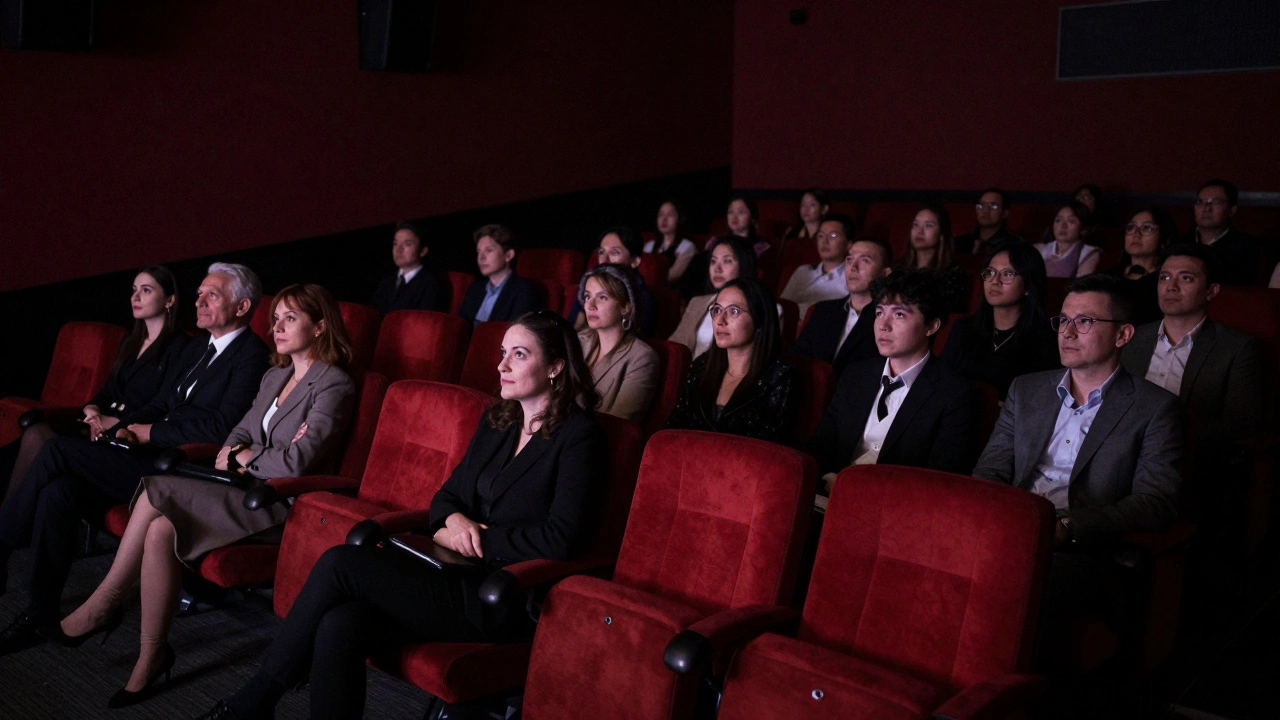
Every year, right after the holidays and before the Oscars, something quiet but powerful happens in theaters across Los Angeles, New York, and even a few select cities like Atlanta and Chicago. It’s not a premiere. It’s not a red carpet. It’s something quieter, more calculated - the FYC screening.
"FYC" stands for "For Your Consideration." These are private, invitation-only showings of films that studios are pushing hard for awards. No press, no paparazzi. Just critics, voters, and industry insiders. And after each screening? A live Q&A with the director, actors, or sometimes even the cinematographer. These aren’t casual chats. They’re carefully choreographed moments designed to remind voters why this film matters.
Think about it. There are hundreds of films released each year. Only a handful make the Oscars shortlist. How do studios make sure their movie stands out? They don’t rely on box office numbers anymore. They rely on experience. They want voters to feel something - not just see something.
How FYC Screenings Work
These screenings aren’t open to the public. You don’t just show up. You get invited - usually through a personal email from a studio’s awards team, or through a critic’s association like the Los Angeles Film Critics Association. Some voters get multiple invites. Others get none. It’s selective. And that selectivity is intentional.
The screenings usually happen in small, comfortable theaters - often ones with plush seats and perfect sound systems. The studio books the whole space. No previews. No ads. Just the film, starting exactly at the scheduled time. The lights dim. The screen lights up. And for 90 to 150 minutes, you’re not watching a movie. You’re being immersed in a campaign.
After the credits roll, the lights come up. And then - the Q&A.
The Q&A: More Than Just Questions
The Q&A isn’t a free-for-all. It’s a tightly controlled moment. Studios hire publicists who coach the talent. They pick the questions ahead of time. They rehearse answers. Sometimes, they even assign someone in the audience to ask a specific question - like, "What was it like working with the director under such tight deadlines?" - so the actor can highlight their dedication.
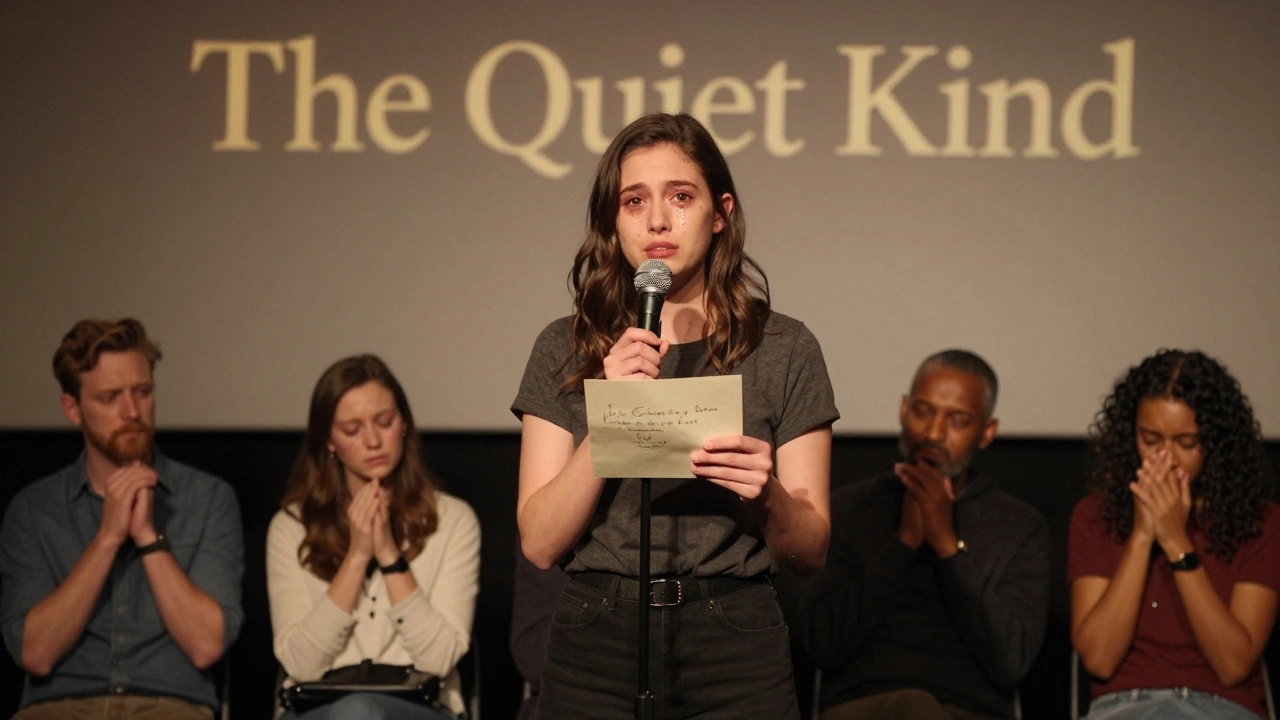
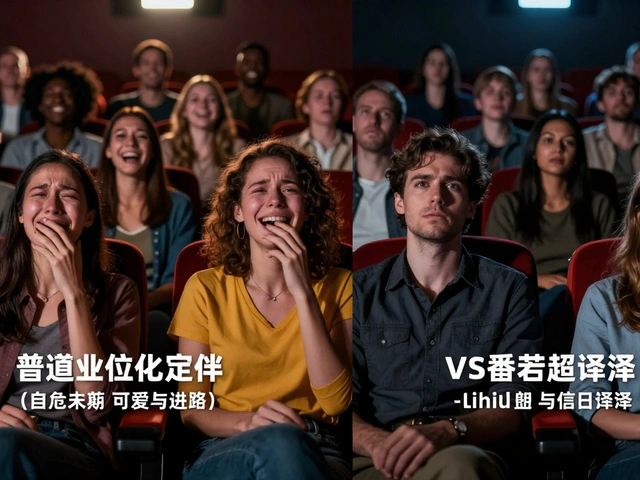
Take the 2025 campaign for "The Quiet Kind", a quiet drama about grief in rural Appalachia. The studio didn’t just screen it. They flew the lead actress, a relatively unknown performer, to six cities. Each Q&A ended with her reading a handwritten letter from a real person who inspired her character. Not a script. Not a monologue. A real letter. Tears in the room. Silence afterward. That’s the goal: connection.
It’s not just about the actors, either. Studios bring in composers to play key scenes with live piano. They invite editors to show cut footage that didn’t make the final version - to prove how much they cut to preserve tone. One studio even brought in the real mechanic who inspired a character in "Wrench" to sit in the front row during the screening. No one announced him. He just sat there. People noticed. They remembered.
Why This Matters
The Academy of Motion Picture Arts and Sciences has over 10,000 members. But only about 2,000 of them actually vote in every category. And not all of them see every nominated film. That’s where FYC events fill the gap.
According to a 2024 survey by the Academy’s internal research team, 68% of voters said they watched at least one nominated film because of an FYC screening. For smaller films with limited releases - say, a Sundance darling with only 12 theaters - these events are the only way to reach voters.
It’s also where bias gets exposed. A film like "The Last Train", a gritty Western with no A-list stars, didn’t have a big budget for billboards or TV spots. But it had a powerful Q&A. The director, a first-time filmmaker, showed up alone. No PR team. No fancy slides. Just him, talking about how he shot the film over 18 months with a $200,000 budget and a borrowed camera. The room was silent. By the end, six voters wrote notes to the studio asking for a copy to rewatch.
The Hidden Costs
These events aren’t cheap. A single FYC screening in Los Angeles can cost between $8,000 and $15,000 - including theater rental, sound engineers, printed programs, and catering. Add a Q&A with a star who needs to fly in? That can push it to $30,000. For a studio running 20 screenings across three cities? That’s $500,000 minimum.
And that’s just the start. There’s the cost of sending out screeners - digital or physical - to every eligible voter. There’s the cost of hiring former Oscar voters as consultants. There’s the cost of designing campaign materials: posters, buttons, even custom coffee mugs with the film’s logo. One studio in 2025 mailed out 2,000 coffee mugs to voters in key states. They reported a 14% increase in mentions in post-screening surveys.
It’s not just about money. It’s about time. Studios often start planning FYC campaigns in July, nine months before the Oscars. Teams of 10-15 people work on it full-time. They track who’s seen what. They log feedback. They adjust messaging. It’s a full-time job - and it’s why some indie films never make it.
Who Benefits?
Big studios? They’ve got the budget. They can afford 50 screenings. But the real winners are the underdogs. The films no one expected to be seen.
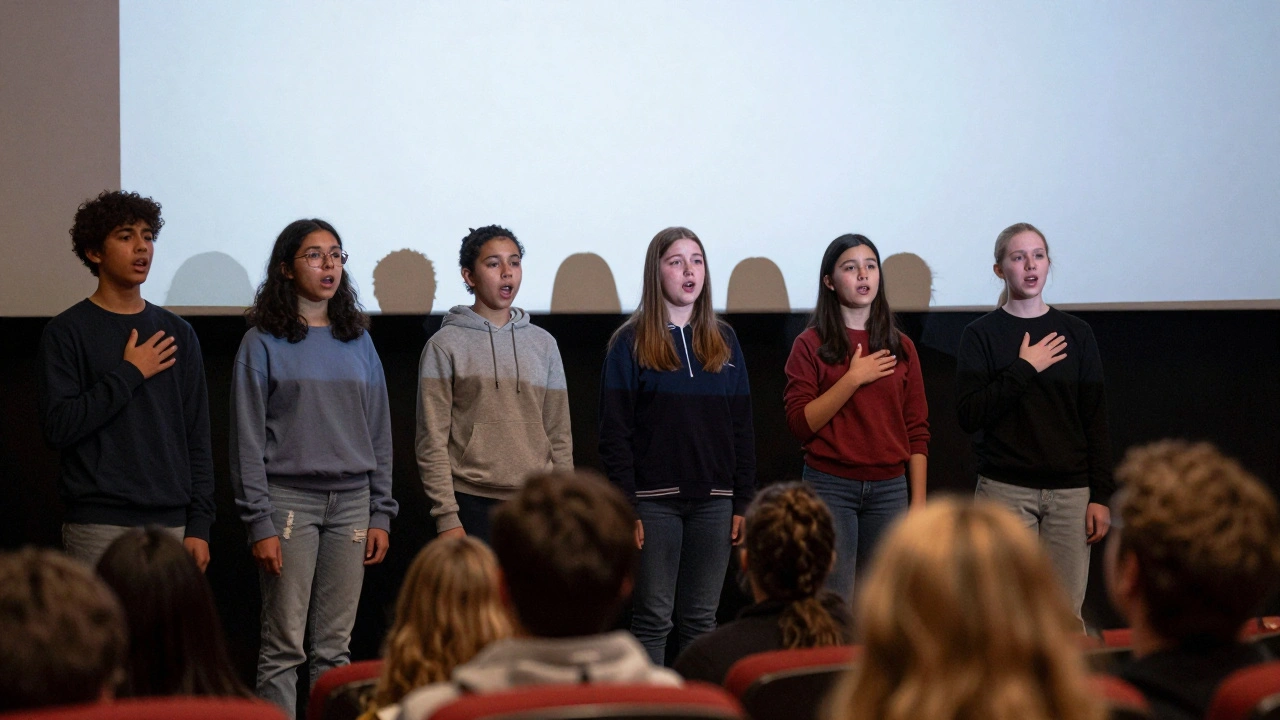
In 2024, "Cedar Falls", a documentary about a small-town high school choir, got into the Best Documentary shortlist - not because of reviews, but because of a single FYC screening in Chicago. The choir director showed up. He brought five students. They sang one song live after the screening. The room didn’t just clap. They stood up. One voter told the studio: "I didn’t know I needed to see this. But now I can’t stop thinking about it."
That’s the power of these events. They don’t sell a movie. They make you feel like you’ve been let in on something private. Something true.
The Future of FYC
Some studios are moving toward hybrid models - streaming screenings with live Zoom Q&As. But many voters still prefer the in-person experience. There’s something about sitting in a dark theater with 60 other people who all just watched the same story - and then hearing the director say, "I didn’t know if anyone would care," that changes things.
Even with AI-generated trailers and algorithm-driven marketing, the human moment still wins. A pause after a line of dialogue. A tear in the actor’s eye during the Q&A. A quiet moment when the screen goes black and no one claps - because they’re still feeling it.
The Oscars aren’t just about who made the best film. They’re about who made you feel something. And FYC screenings? They’re the quietest, most powerful tool we have to make sure that happens.
What exactly is an FYC screening?
An FYC (For Your Consideration) screening is a private, invitation-only showing of a film organized by a studio to help it gain awards attention. These events are typically held in small theaters and are attended by Academy voters, critics, and industry professionals. They often include a live Q&A with filmmakers or actors afterward.
Who gets invited to FYC screenings?
Invitations are sent to members of the Academy of Motion Picture Arts and Sciences, film critics, and select industry insiders. Studios use mailing lists and partner with critics’ groups to target voters who are most likely to support the film. You can’t just buy a ticket - access is strictly controlled.
Are FYC screenings only for Oscar contenders?
No. While most associated with the Oscars, FYC campaigns also happen for the Golden Globes, BAFTAs, Emmys, and other major awards. Studios run parallel campaigns for different organizations, tailoring screenings and Q&As to each group’s voting body and preferences.
Why do studios spend so much money on these events?
Because winning an Oscar can boost a film’s box office by 300% or more, and streaming rights can increase in value by millions. For smaller films, an Oscar nomination can be the difference between survival and obscurity. The cost of a campaign is an investment with a measurable return - especially when it’s the only way voters will see the film.
Can indie films compete with big studios in FYC campaigns?
Yes - but differently. Indie films don’t have big budgets, so they focus on emotional impact. A single powerful Q&A, a personal story from the filmmaker, or a live performance can create unforgettable moments. In 2024, three indie films made the Oscar shortlist without spending over $100,000 on FYC events. Their strength? Authenticity.
Do voters really remember these events?
Studies show they do. A 2024 Academy survey found that 72% of voters recalled specific moments from FYC Q&As - like an actor’s personal story or a director’s behind-the-scenes detail - more than they remembered plot points from the film itself. Emotional resonance sticks longer than plot.
These events aren’t just about winning awards. They’re about preserving the idea that cinema still matters - not as a product, but as a shared human experience. And in a world of algorithms and autoplay, that’s worth more than any trophy.


Comments(8)