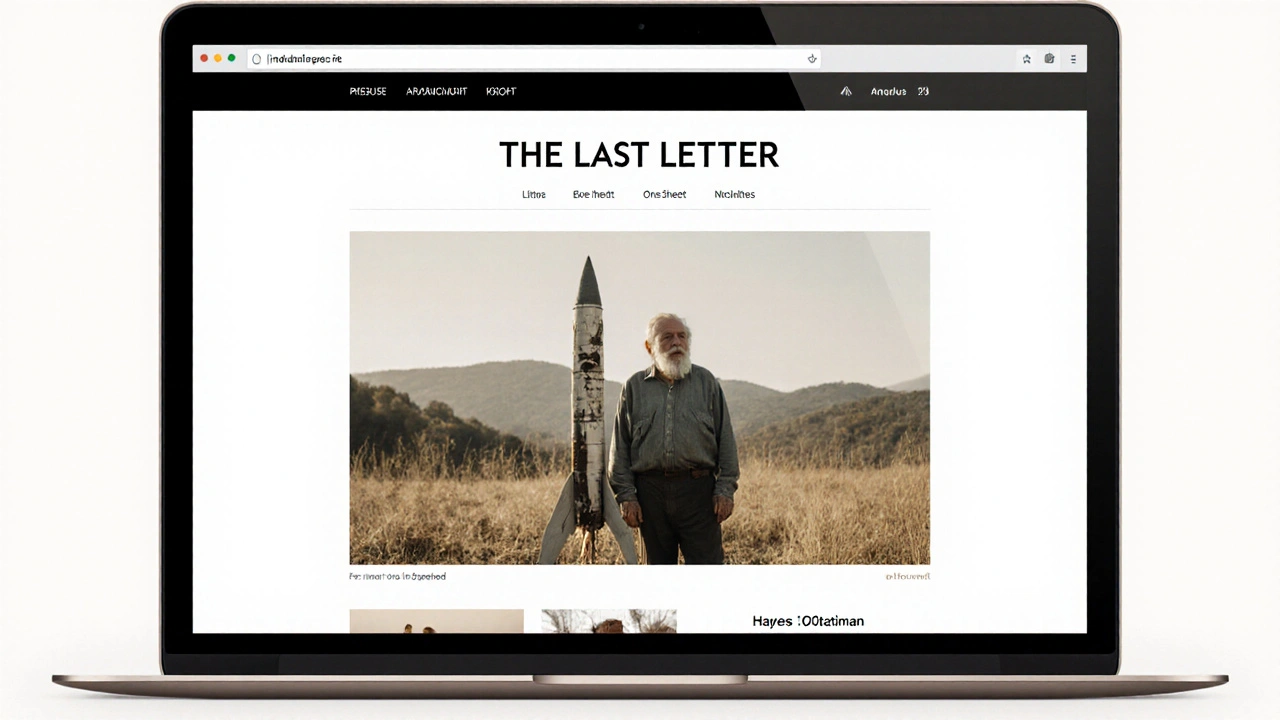
Most indie filmmakers think a great movie is enough to get noticed. It’s not. If your film doesn’t have a solid press kit, it’s invisible-even if it won at Sundance. Media outlets get hundreds of pitches a week. They don’t have time to dig through rough cuts or guess what your film is about. They need a clear, professional, and compelling package that answers their questions before they even open their email. That’s your press kit.
What a Press Kit Actually Does
A press kit isn’t just a folder of images and a synopsis. It’s your film’s first impression. It tells journalists, bloggers, podcasters, and festival programmers: this film is ready for attention. It removes friction. It answers the five things they always ask: What’s this about? Why should I care? Who made it? Can I see it? Where can I show it?
Without a press kit, your film gets buried under piles of poorly organized submissions. With one that’s well-crafted, you’re not asking for coverage-you’re making it easy for someone to say yes.
The Five Must-Have Assets
Here’s what every indie film press kit needs to work. Skip any of these, and you’re leaving money on the table.
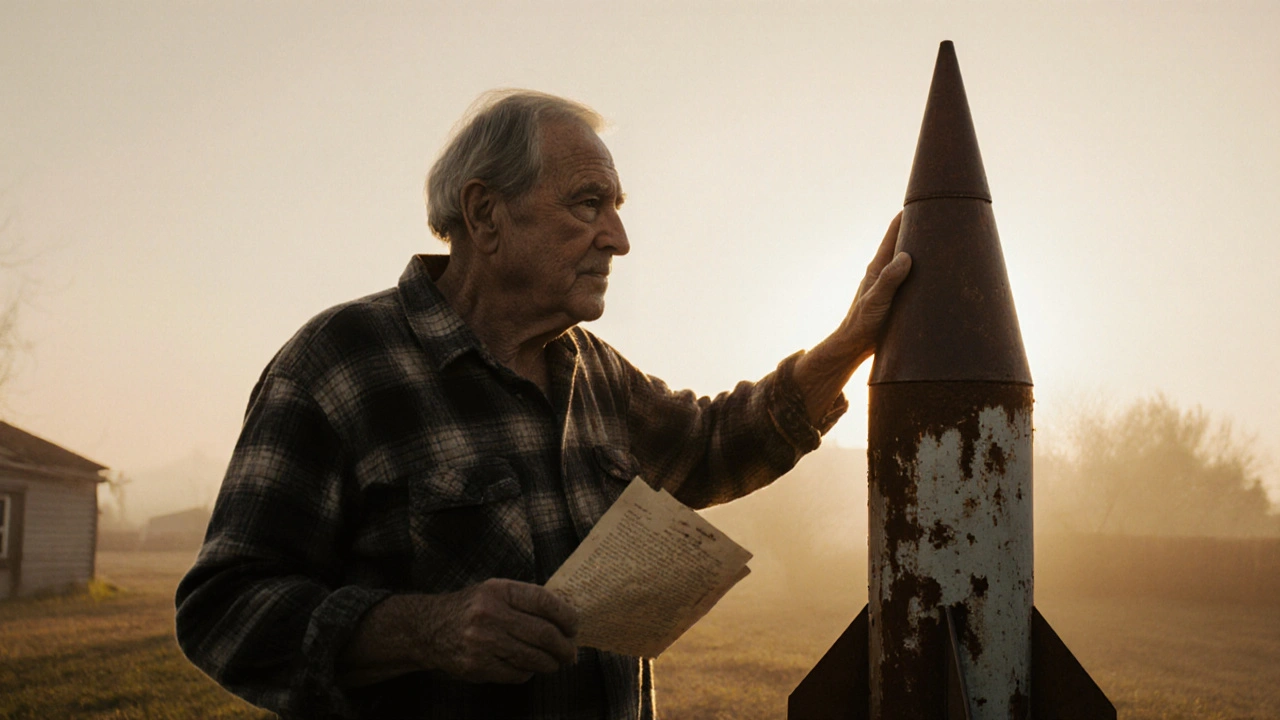
- One-sheet (one-page synopsis): This is your elevator pitch in print. No more than 150 words. Include the logline, tone, key themes, and target audience. Example: “A 68-year-old widower in rural Appalachia builds a rocket out of scrap metal to send a letter to his late wife-until the FAA shows up. A darkly comic ode to grief and stubborn hope.” That’s it. No backstory. No cast list. Just the hook.
- High-res stills (5-10 images): Not screenshots. Not phone photos. Professional stills, shot by a still photographer, with proper lighting and composition. Include wide shots, close-ups of key characters, and one iconic image that captures the film’s mood. Name files clearly: filmtitle_still01.jpg, not DSC_0482.jpg. Always include captions with scene description and character names.
- Director’s statement (150-300 words): Why did you make this? What moved you? What do you want viewers to feel? Avoid technical jargon. Don’t say “I used a 35mm anamorphic lens.” Say: “I made this because my grandmother spent her last years talking to the walls. I wanted to show how love lingers even when memory fades.” This humanizes your film.
- Cast and crew bios (1 paragraph each): Focus on relevance, not filmography. For the lead actor: “Maya Chen is a theater actor from Portland who spent five years performing in community plays before landing her first film role. She drew from her own experience caring for her father with Alzheimer’s.” For the producer: “James Rivera produced three shorts that screened at Slamdance and Tribeca. He specializes in regional stories with global resonance.”
- Trailer or clip (under 90 seconds): Not the full film. Not a 5-minute montage. One tight, emotionally powerful clip that ends with a question or punch. Upload it to Vimeo or YouTube with a private link. Label the link clearly: “Official Trailer - Private Access.” Include the password if needed. Never send a 4GB MOV file.
What Not to Include
Less is more. Too many assets scream amateur. Here’s what you should leave out:
- Full script
- Behind-the-scenes footage
- Extended interviews with cast
- Press releases written like ads (“This is the most groundbreaking film since…”)
- Low-res logos or blurry stills
- Links to your Instagram or TikTok unless they’re professionally curated
Journalists don’t want to hunt for the good stuff. They want one clean folder. One click. One glance. That’s it.
How to Format and Deliver It
Don’t email a ZIP file titled “INDIE_FILM_FINAL.zip.” That’s a red flag. Use a simple, branded web page. You don’t need a fancy site. Just a single landing page with:
- A clean header with your film’s title and tagline
- A one-sheet in text and PDF
- Downloadable stills (1080px wide, 72dpi, JPG)
- Director’s statement and bios
- Embedded trailer (Vimeo preferred)
- Contact info: email, phone, and a calendar link (Calendly works great)
Use a free tool like Carrd or Notion. Name your domain: yourfilmtitlepresskit.com. Keep it simple. No animations. No pop-ups. No newsletter signup. Just the assets. Make it easy to download, share, and screenshot.
When to Send It
Timing matters more than you think. Don’t send your press kit the day before your screening. Send it 4-6 weeks before your first festival premiere or public release. That’s when editors are planning their year-end lists, festival coverage, and spring features.
For film festivals: Send your kit the moment submissions open. Festivals get 5,000+ entries. The ones with clean press kits get reviewed first.
For local media: Send it 3-4 weeks before your hometown screening. Local papers and radio stations plan features weeks ahead. If you wait until the day of the show, you’re too late.
How to Pitch It
Your email subject line can make or break you. Don’t write: “New Indie Film - Please Consider.”
Write: “‘The Last Letter’ - A Rural Appalachian Dark Comedy About Grief and Rocket Fuel”
Then in the body:
Hi [Name],
I’m reaching out because your coverage of small-town stories (like your piece on the Tennessee quilt collective) made me think you’d connect with our film, The Last Letter.
It’s a 90-minute dark comedy about a 68-year-old widower who builds a rocket to send a letter to his late wife. It premiered at Slamdance and screens next month in Asheville.
Here’s our press kit: [link]
I’d love to send you a screener link or answer any questions. No pressure-just thought it might fit your audience.
Best,
[Your Name]
That’s it. No begging. No fluff. No “I know you’re busy.” You’re not asking for a favor. You’re offering a story they can use.

Real Results: What Works
In 2024, a low-budget film called The Last Letter had a budget of $18,000. No studio backing. No famous actors. But its press kit was perfect. One-sheet was sharp. Still photos had emotion. The director’s statement was raw and honest. The trailer ended with the line: “I didn’t build it to fly. I built it to say goodbye.”
It got coverage in IndieWire, Rolling Stone’s “Hidden Gems” column, and three local NPR stations. One review said: “This is the kind of film that reminds you why indie cinema still matters.”
It didn’t get picked up by Netflix. But it sold out 12 screenings in five states. And it made enough to fund the next film.
Final Rule: Treat It Like Your Film’s Resume
Your press kit isn’t marketing. It’s credibility. It’s proof you’ve thought this through. That you respect the people who might help you. That you’re not just hoping for luck-you’re ready for it.
Don’t rush it. Don’t copy templates. Don’t use stock photos. Make it yours. Make it real. Make it simple. And send it before you think you’re ready.
What if I don’t have a budget for a still photographer?
You don’t need a pro. Use a DSLR or even a recent iPhone with good lighting. Shoot during golden hour-early morning or late afternoon. Use a tripod. Take at least 15 photos. Pick the 5 that feel most cinematic. Edit them in free tools like Darktable or Canva. Crop tightly. Boost contrast slightly. Add a subtle vignette. The goal isn’t perfection-it’s clarity and mood.
Should I include awards or festival selections in my press kit?
Only if they’re real and relevant. If your film won Best Narrative at a regional festival, include it under a “Recognition” section on your press kit page. If it was just “officially selected” at a big festival like Sundance, mention it in your email pitch-but don’t overstate it. Journalists can spot inflated claims. Honesty builds trust faster than hype.
How long should the trailer be?
Under 90 seconds. Always. Most editors will only watch 30 seconds before deciding. The first 10 seconds must grab attention. The middle 60 should show tone, character, and conflict. The last 20 should end on a question, silence, or emotional beat-not a title card. If your trailer feels like a commercial, it won’t work.
Can I reuse the same press kit for multiple festivals?
Yes, but tweak it. If you’re submitting to a festival focused on environmental films, highlight the ecological themes in your director’s statement. If you’re pitching to a music magazine, mention the soundtrack or composer. A press kit isn’t static-it’s a living tool. Update it as your film gains traction.
What’s the most common mistake indie filmmakers make?
Sending too much. A press kit with 20 images, a 10-page PDF, and three trailers looks desperate, not professional. Journalists want one clear, clean package. Less than five assets. One link. One email. If they want more, they’ll ask. Don’t overwhelm them upfront.
Next Steps
Start today. Open your folder of film photos. Pick the best one. Write your one-sheet. Record your director’s statement on your phone. Upload it to Carrd. Name it. Send it to three people you trust. Ask: “If you saw this, would you write about it?”
If the answer is yes, you’re ready. If it’s no, fix it. Then send it again.
Press kits don’t guarantee coverage. But they guarantee you won’t be ignored.


Comments(8)