Picture this: You spend years crafting a film. The editing is locked, the color grade is perfect, and the score swells at just the right moment. But if you drop the first trailer on a Tuesday in November for a May release, or worse, wait until opening week to show anyone anything, that masterpiece might vanish into the void. It’s not just about making a great movie anymore; it’s about controlling the conversation around it.
The marketing window isn't just a calendar date. It’s the psychological runway where you build anticipation, secure cultural relevance, and ultimately drive ticket sales. In today’s fragmented media landscape, getting the timing of your trailers wrong can kill a film before it even hits theaters. Getting it right? That’s how indie films become blockbusters and mid-budget dramas find their cult following.
The Anatomy of the Modern Marketing Window
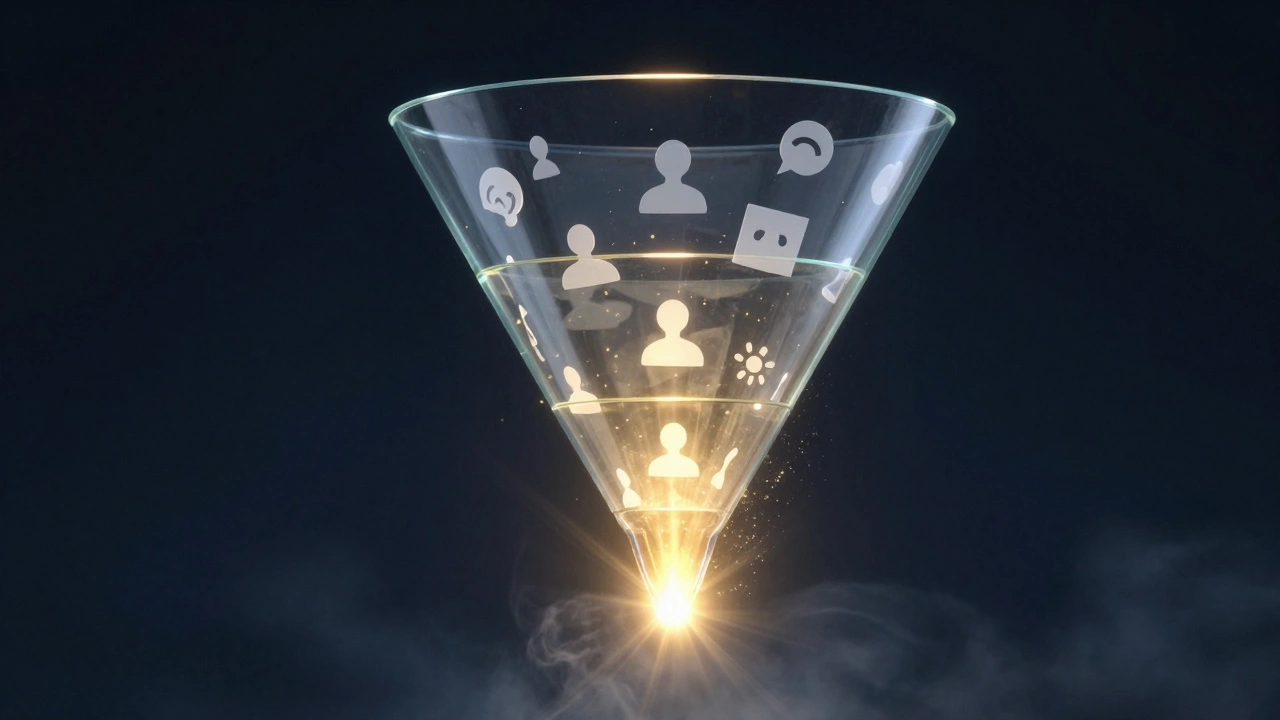
Gone are the days when a single TV spot and a poster were enough. Today, the marketing window typically spans 6 to 9 months before release. This period is divided into distinct phases, each with a specific job to do. Think of it as a funnel. At the top, you’re casting a wide net to generate curiosity. By the bottom, you’re targeting specific demographics with hard data: showtimes, locations, and urgency.
The central entity here is the Film Trailer, which serves as the primary visual hook in a movie's promotional campaign. But a trailer doesn’t exist in a vacuum. It interacts with social media trends, critic reviews, and award season buzz. If you understand the rhythm of these elements, you stop guessing and start engineering demand.
- Phase 1: Tease (6-8 months out): Low information, high vibe. A logo, a soundbite, a shadowy figure. Goal: Brand recognition.
- Phase 2: Reveal (4-5 months out): The official trailer. Plot points, star power, tone. Goal: Broad awareness.
- Phase 3: Deep Dive (2-3 months out): Character-specific spots, behind-the-scenes clips, influencer partnerships. Goal: Engagement and community building.
- Phase 4: Conversion (Final 4 weeks): Final trailers, review embargoes lifting, premiere events. Goal: Ticket pre-sales and opening weekend hype.
Why Timing Is Everything in Trailer Releases
You’ve probably heard the phrase "trailer fatigue." It’s real. Audiences are bombarded with content. If you release a trailer too early, people forget it by the time the movie comes out. Release it too late, and you haven’t given them enough time to add it to their mental "must-see" list. The sweet spot depends heavily on the genre and the target audience.
For blockbuster action films, the window opens wider. Studios like Disney or Warner Bros. often drop teasers a full year out because they need to build global momentum. For an independent drama, however, a six-month window is usually sufficient. Why? Because the audience is smaller, more niche, and relies more on word-of-mouth and critical acclaim than sheer volume of impressions.
Consider the concept of Cultural Momentum. A trailer released during a relevant cultural moment sticks. If you’re releasing a sports movie, dropping the trailer during the Super Bowl or the World Cup final creates an instant association. If you’re doing a horror film, aligning with Halloween builds natural anticipation. Missing these windows means fighting against the noise instead of riding the wave.
| Genre | Teaser Release | Official Trailer | Final Spot | Key Driver |
|---|---|---|---|---|
| Action/Sci-Fi | 8-10 months out | 4-5 months out | 2 weeks out | Visual Spectacle |
| Horror | 4-6 months out | 2-3 months out | 1 week out | Shock Value/Trend |
| Drama/Indie | 3-4 months out | 2 months out | 1 week out | Critical Acclaim |
| Comedy | 5-6 months out | 3 months out | 2 weeks out | Star Power/Humor |
Building Awareness Beyond the Trailer
A trailer is just one piece of the puzzle. The modern marketing window requires a multi-channel approach. You can have the best trailer in the world, but if it only lives on YouTube without being pushed to TikTok, Instagram Reels, or targeted Facebook ads, its reach will be limited. This is where Social Proof comes into play.
Audiences trust peers more than studios. Integrating user-generated content (UGC) into your marketing window is crucial. Encourage fans to create reactions to your trailer. Partner with micro-influencers who genuinely fit the film’s vibe. When a trusted voice says, "This looks amazing," it carries more weight than a million-dollar ad buy.
Also, don’t underestimate the power of the Review Embargo. In the final two weeks of your marketing window, critics’ reviews start to trickle out. Positive reviews can revive a dying campaign. Negative ones can kill a strong one. Timing the lift of the embargo strategically-often coinciding with the release of the final trailer-can maximize the impact of positive sentiment.
Pitfalls to Avoid in Your Campaign
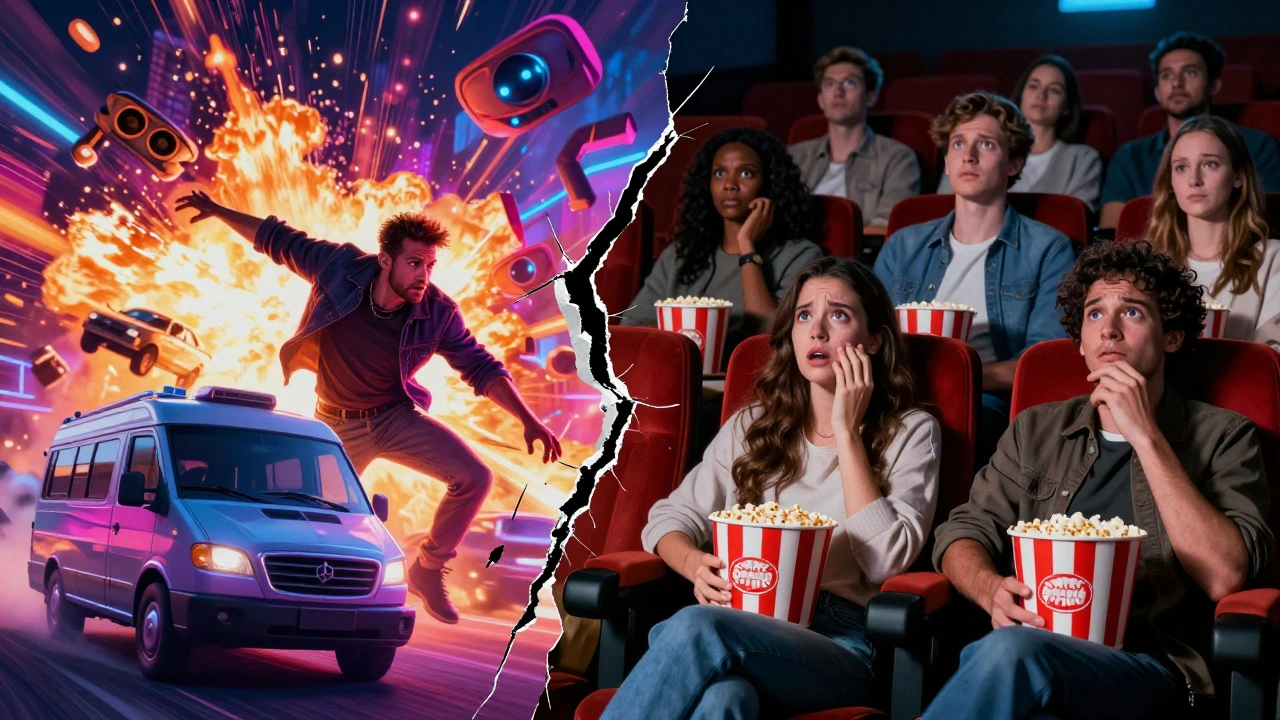
Even seasoned marketers make mistakes. One common error is over-promising in the trailer. If your trailer shows three massive explosions and two car chases, but the actual film is a slow-burn character study, audiences will feel betrayed. This leads to poor word-of-mouth, which kills second-weekend box office numbers. Always ensure the trailer accurately reflects the tone and content of the film.
Another pitfall is ignoring data. Modern platforms provide incredible insights. Who is watching your trailer? Where are they from? How long do they watch before dropping off? If you see that 70% of your viewers are female aged 18-34, but your ad targeting is set to males over 40, you’re wasting money. Adjust your creative assets and targeting based on real-time performance.
Finally, don’t ignore the competition. Check what other films are releasing in your window. If a major superhero movie drops the same month, you might need to differentiate your message sharply. Instead of competing on scale, compete on uniqueness. Highlight what makes your film different, not just similar.
Measuring Success in the Marketing Window
How do you know if your timing worked? Look beyond vanity metrics like views. Focus on conversion metrics. Are people clicking through to buy tickets? Are they adding the film to their radar on Fandango or Atom Tickets? These actions indicate genuine intent.
Track the cost per acquisition (CPA) across different channels. If TikTok drives cheaper clicks than YouTube Ads, shift your budget accordingly. The marketing window is fluid. Be ready to pivot. If a particular scene from your trailer goes viral, lean into it. Create more content around that moment. Ride the wave while it lasts.
Ultimately, the goal is to create a seamless journey from discovery to decision. Every touchpoint-from the first teaser to the final review-should reinforce why someone needs to see your film. When you master the timing of the marketing window, you don’t just release a movie; you launch a cultural event.
How long should a marketing window last for an independent film?
For most independent films, a marketing window of 3 to 6 months is ideal. Starting earlier than 6 months can lead to audience fatigue, while starting later than 3 months may not give you enough time to build word-of-mouth and secure critical coverage. The key is consistency rather than duration.
When is the best time to release the first trailer?
It depends on the genre. Blockbusters often release teasers 8-10 months out to build global hype. Horror and comedy films typically release their first trailers 4-6 months out. Dramas and indie films usually wait until 3-4 months before release to maintain intrigue and focus on critical reception.
What is trailer fatigue and how do I avoid it?
Trailer fatigue occurs when audiences are overwhelmed by too many trailers or when a trailer is released so early that interest fades by release day. To avoid it, space out your releases strategically, ensure each new trailer offers fresh information or visuals, and keep your overall campaign focused and concise.
How important are social media influencers in film marketing?
Influencers are increasingly vital, especially for reaching younger demographics. Micro-influencers with engaged niches often provide better ROI than celebrities. Their authentic reactions and recommendations can drive significant traffic and credibility, particularly when aligned with the film’s tone and target audience.
Can a bad trailer ruin a good movie?
Yes, if it misrepresents the film’s tone or promises action that isn’t there. This leads to disappointed audiences and negative word-of-mouth, which can severely impact box office performance after the opening weekend. Always ensure the trailer accurately reflects the viewer’s experience.