Most independent filmmakers spend months shooting, editing, and scoring their films-only to watch them disappear after a single festival screening. Why? Because they never built a press kit that actually works. A strong press kit isn’t just a PDF you email to journalists. It’s your film’s first impression, its calling card, and sometimes, the only reason a programmer or critic gives your movie a second look.
What a Real Independent Film Press Kit Actually Contains
A press kit for indie films isn’t a fancy brochure. It’s a clean, organized package of essential materials that answers three questions: Who made this? What is it? And why should anyone care?
Start with a one-sheet-a single page that includes your film’s title, logline, runtime, genre, director’s name, and a striking still from the movie. No clutter. No fonts that look like they came from Microsoft Word 2003. If your one-sheet doesn’t grab attention in under five seconds, it’s failing.
Next, include a director’s statement. Not a paragraph about your artistic vision. A short, honest reflection on why you made this film. Did you shoot it on a broken camera in your cousin’s basement because you had no money? Say that. Did you spend three years interviewing veterans about PTSD? Tell that story. Journalists and festival programmers want truth, not poetry.
Then comes the cast and crew bios. Keep them under 100 words each. Focus on what’s relevant: previous films, awards, notable roles, or even if someone’s never acted before but nailed the part. Don’t list every theater class they took in 2012. If someone’s work was in Sundance or SXSW, say it. If they’re new, say they’re new-and why that matters.
Include a high-res still (300 dpi, JPG or PNG), a trailer link (hosted on Vimeo or YouTube, not a 100MB file), and a one-page synopsis. The synopsis should be written in third person, under 150 words, and avoid spoilers. If your film is a thriller, don’t say ‘the killer turns out to be the dog.’ Just say ‘a woman uncovers a conspiracy in her small town-and no one believes her.’
Finally, add contact info: email, phone, website. No Gmail addresses. Use a simple domain like yourfilm.com. Even if it’s just a landing page with your trailer and contact form, it looks professional.
Why Festival Programmers Care More About Your Press Kit Than Your Script
Festival programmers screen hundreds of films in a few weeks. They don’t have time to watch every full-length movie before deciding. They skim press kits. They look for signals: Is this film ready? Is the team serious? Is there a story here beyond the screen?
A filmmaker once sent a press kit for a documentary about Appalachian coal miners. The one-sheet had a blurry photo and a logline that read: ‘A film about coal.’ The director’s statement was five sentences long and said, ‘I love my hometown.’ The film got rejected. A month later, another filmmaker sent a press kit for a film about the same topic-but it included a quote from a local union leader, a map showing mining towns, and a note explaining how the film was funded by community donations. That one got into Tribeca.
It’s not about budget. It’s about clarity and effort. If your press kit shows you’ve thought about your audience, your story, and how to communicate it, you’re already ahead of 80% of submissions.
How to Use Your Press Kit for Festival Publicity
Getting into a festival is only half the battle. The real goal is to get people talking about your film after it screens. That means using your press kit as a living tool, not a static document.
Before your premiere, send your press kit to local film critics, indie bloggers, and podcast hosts who cover small films. Don’t blast it to 200 emails. Find five who’ve written about similar films. Personalize the email: ‘I saw your piece on Little Miss Sunshine and thought you might connect with our film about a single mom racing to get her daughter to her first spelling bee.’
Include a press release with your kit. Not the kind that says ‘We’re thrilled to announce…’ Write a news-style release: ‘A new documentary reveals how rural libraries in West Virginia became lifelines during the opioid crisis.’ Then add: ‘Libraries of Hope premieres at Slamdance on January 18.’
Use your press kit to pitch interviews. If your film is about a transgender teen in rural Texas, reach out to LGBTQ+ advocacy groups and local newspapers. Offer to do a Q&A with the lead actor. Don’t wait for journalists to find you. Be the one who shows up with the story ready to tell.
And always, always update your press kit. If your film wins an award, add it. If a major outlet reviews it, link to it. If you get picked up for distribution, update the contact info and add a quote from the distributor. Your press kit should evolve as your film does.
What Not to Do in a Press Kit
Here’s what kills indie film press kits faster than anything else:
- Don’t include your full script. No one wants to read 90 pages. If they’re interested, they’ll ask.
- Don’t use Comic Sans, Papyrus, or any font that looks like a birthday card. Stick to Helvetica, Arial, or Georgia. Simple. Clean. Professional.
- Don’t send a ZIP file with 47 folders. One folder. One PDF. One link to the trailer. Make it easy.
- Don’t list every film festival you applied to. If you didn’t get in, don’t mention it. If you did, highlight it.
- Don’t forget to test your links. Broken Vimeo links are the #1 reason journalists ignore follow-ups.
One filmmaker sent a press kit with a link to a YouTube video that was set to private. The festival programmer emailed back: ‘I’d love to see your film. But I can’t watch it.’ They never replied.
Where to Host Your Press Kit
You need a simple, clean webpage. Not a full website. Just a page that loads fast and looks good on phones.
Use platforms like Wix, WordPress, or Canva (which now has press kit templates). Pick a template with a dark background and white text-easier on the eyes for stills and trailers.
Structure it like this:
- Hero image: your best still + film title
- Logline in bold
- Trailer (embedded, autoplay off)
- One-sheet (PDF download link)
- Director’s statement
- Cast & crew bios
- Press release
- Contact info
Don’t add social media icons unless you’re active on them. A press kit with 10 inactive Instagram links looks desperate.
Real Examples That Worked
In 2023, a short film called Waiting for the Bus was made by two students in North Carolina with a $1,200 budget. Their press kit had:
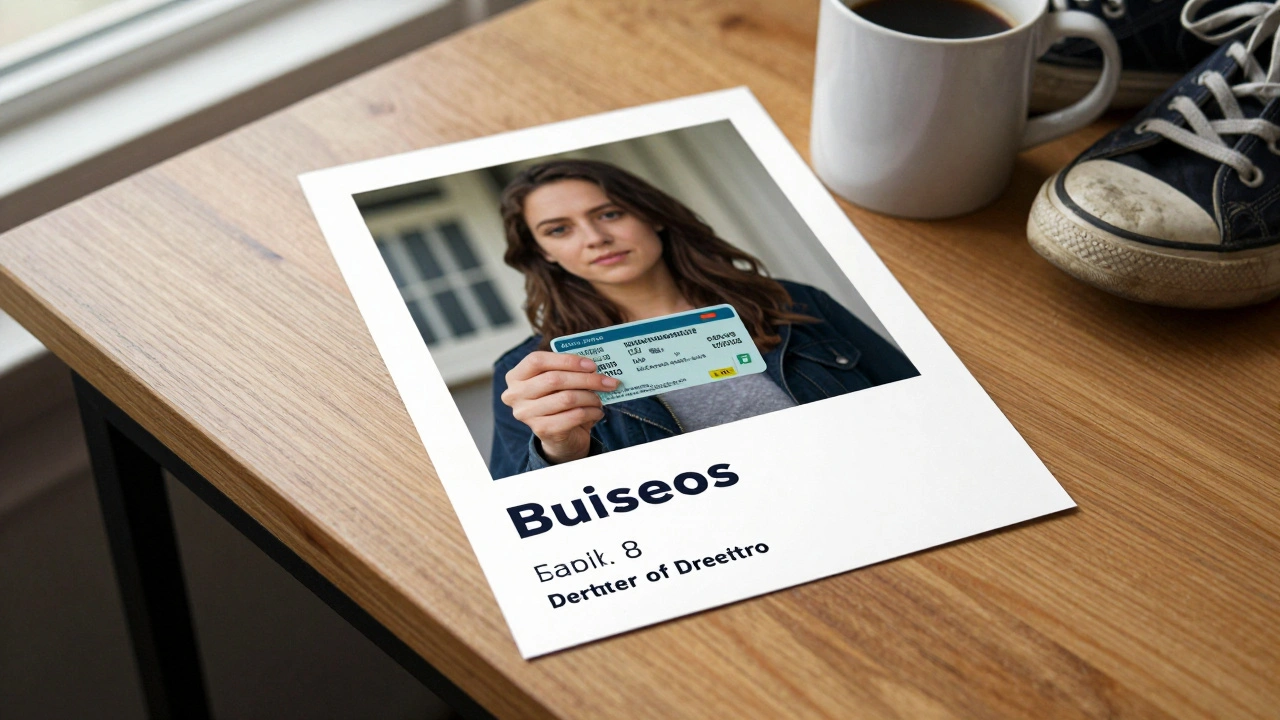
- A photo of the lead actress holding a bus pass
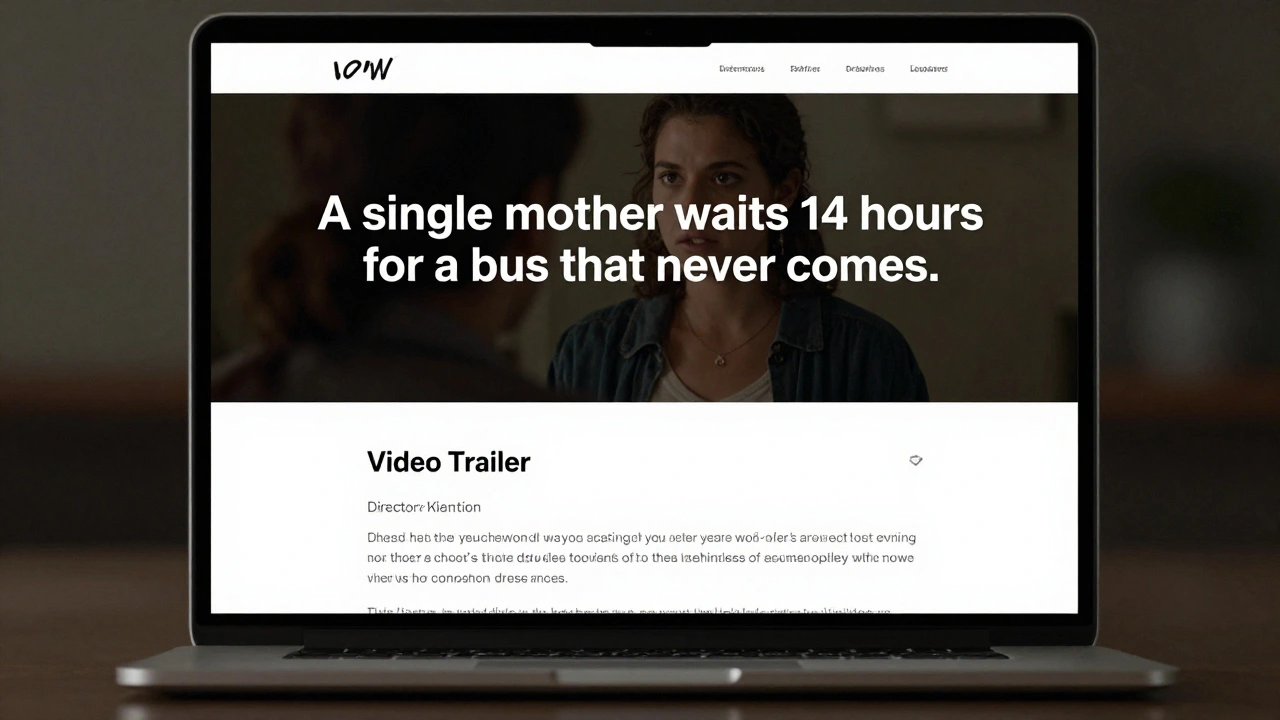
- A logline: ‘A single mother waits 14 hours for a bus that never comes.’
- A director’s note: ‘I wrote this after my mom missed her shift because the bus didn’t show.’
- A one-page synopsis that didn’t mention the ending
- A Vimeo link that worked
- A contact email: [email protected]
It got into SXSW. A week later, it was picked up by a streaming platform. No agent. No PR firm. Just a press kit that told the truth.
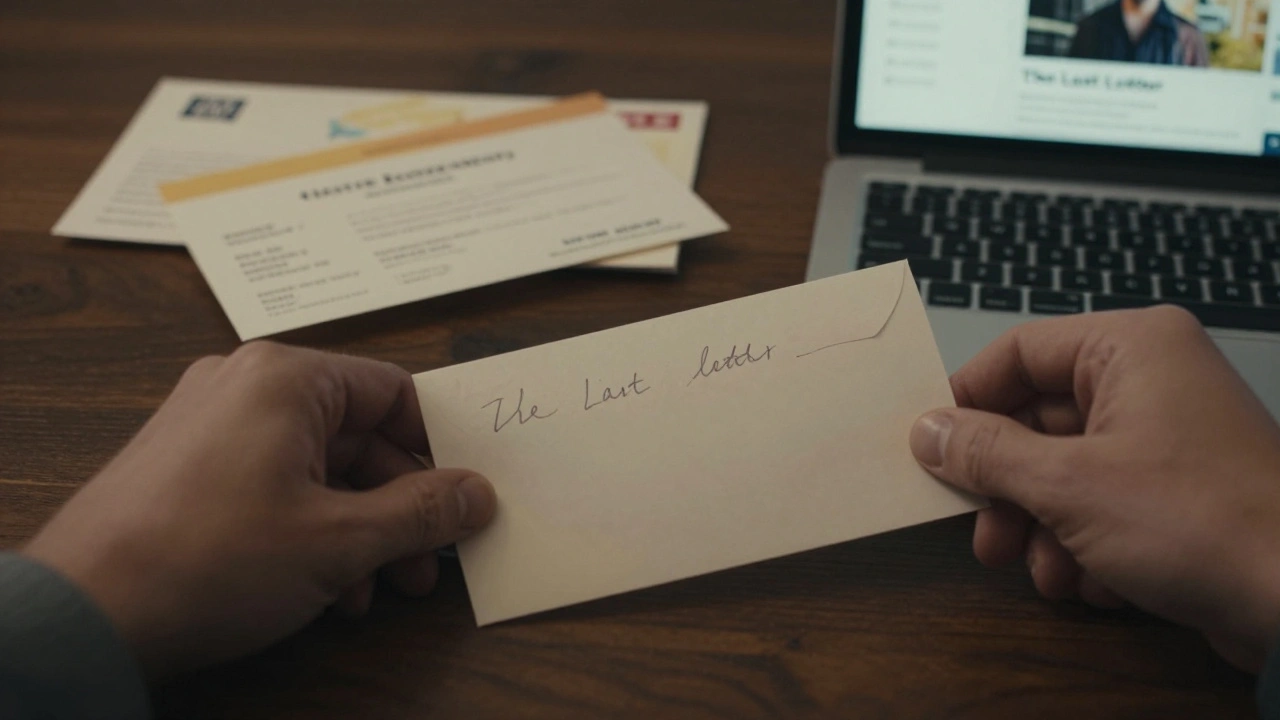
Another example: The Last Letter, a film about a woman finding her father’s letters after his death. Their press kit included scanned images of the actual letters. Journalists wrote about the physical artifacts. The film sold out at seven festivals.
Final Rule: Make It Human
People don’t connect with polished marketing. They connect with honesty. Your press kit isn’t a sales pitch. It’s an invitation.
Don’t try to sound like a studio. Sound like you. If your film is messy, say so. If it’s personal, say why. If you’re scared it won’t be seen, say that too. The best press kits aren’t the most expensive ones. They’re the ones that feel real.
Your film matters. But only if you make it easy for the world to see why.
What’s the most common mistake filmmakers make with press kits?
The biggest mistake is treating the press kit like a resume instead of a story. Filmmakers list every film they’ve ever worked on, every award they’ve won, and every class they’ve taken. But journalists and programmers don’t care about your filmography-they care about this film. Focus on what makes this one unique, not your whole career.
Do I need a professional designer to make a press kit?
No. You need clarity, not design. Many successful indie films have press kits made in Canva or Google Docs. What matters is the content: a strong logline, a compelling director’s statement, and a trailer that plays. A clean layout beats fancy graphics every time.
Should I include reviews in my press kit?
Only if they’re from credible outlets-like IndieWire, Variety, or a respected local paper. Don’t include fan reviews or blog posts with no byline. If you don’t have reviews yet, leave that section out. You can add them later.
How many press kits should I send out for a festival?
Don’t send dozens. Send targeted ones. Research the festivals you’re applying to. Find the programmers’ names. Send your press kit to the three people who handle submissions. A personalized email with your kit attached beats 50 generic blasts.
Is a press kit necessary for online film festivals?
Yes-even more so. Online festivals have no red carpets or Q&As. Your press kit is the only way audiences and critics learn about your film. If your website or submission page is bare, your film gets lost in the feed.


Comments(10)