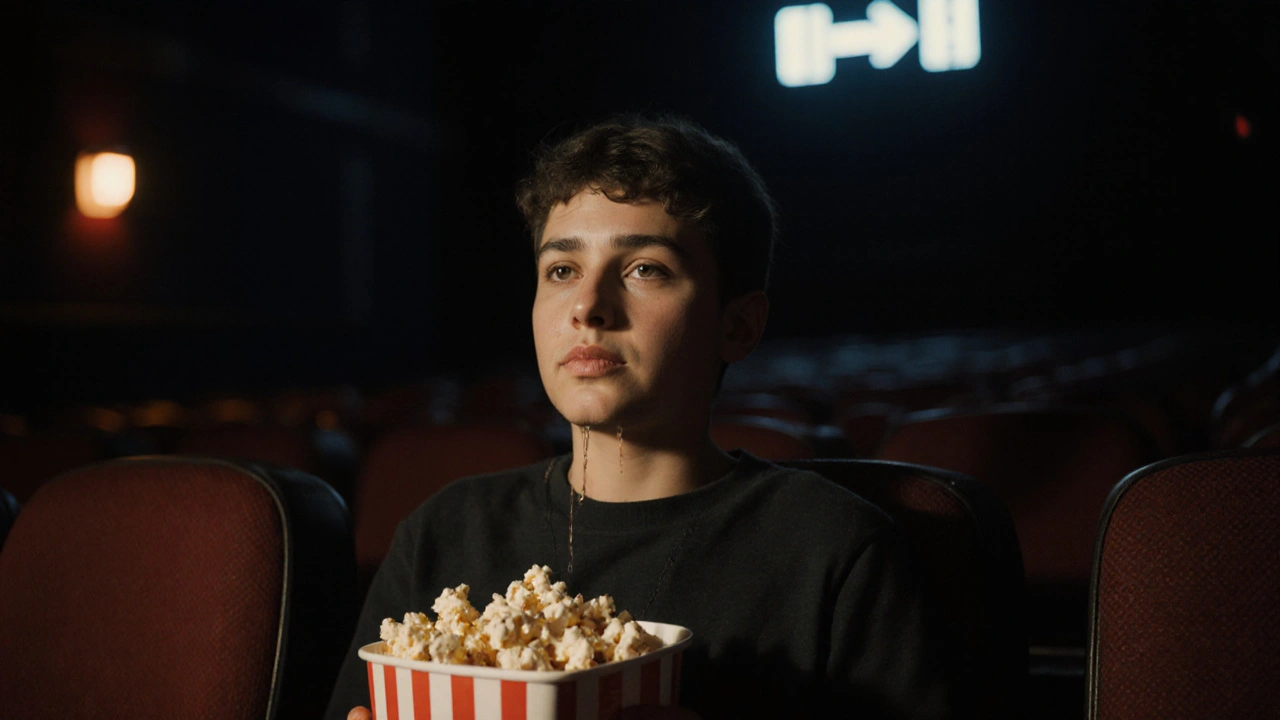
When a new movie drops, the first wave of reactions doesn’t come from critics. It comes from strangers on social media-people who just left the theater, paused their streaming app, or scrolled past a clip at 2 a.m. These aren’t polished reviews. They’re raw, quick, emotional bursts: a screenshot of a crying friend, a 45-second TikTok rant, a Twitter thread dissecting the third act. But over the last three years, these scattered moments have become the new review system. And studios, theaters, and even streaming platforms are paying attention.
Why social media reactions matter more than critic scores
Remember when Rotten Tomatoes was the final word? In 2022, a study by the University of Southern California’s Annenberg School found that for movies under $50 million, audience sentiment on Twitter and Instagram had a stronger correlation with box office performance than critic scores. The reason? People trust other viewers more than professional reviewers. A five-star review from a critic feels distant. A thread from someone who cried during the same scene you did? That feels real.
Take Oppenheimer in 2023. Critics praised it, but the real momentum came from viewers sharing their post-movie silence. Threads like “I didn’t speak for 20 minutes after that ending” went viral. Theaters reported people staying in their seats longer than usual. No studio bought ads for that. It was organic. And it moved tickets.
How a tweet becomes a review
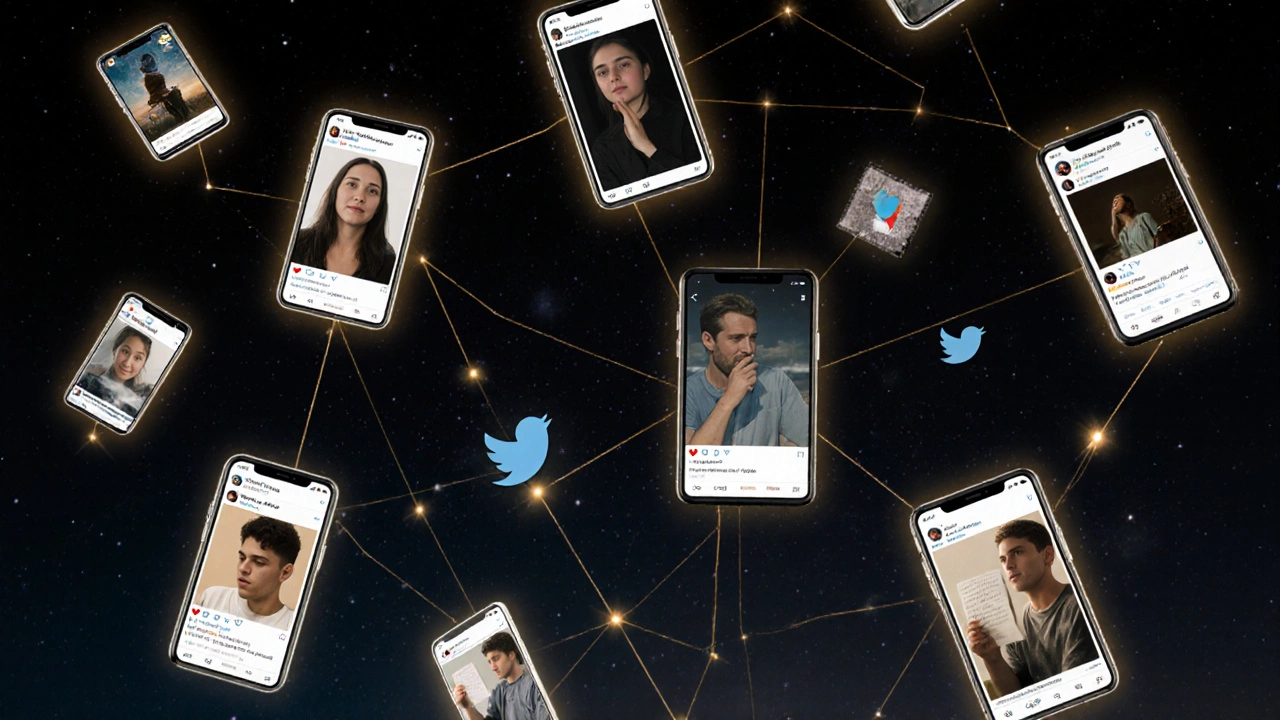
It’s not just about likes. A social media film review now has structure-even if it’s not written like one. Here’s how it works:
- Trigger: Someone posts a reaction-usually within 24 hours of watching. It’s often visual: a screenshot of their face, a video of them talking, a quote from the film.
- Amplification: If it resonates, others reply with “SAME,” “this hit different,” or “I felt that.” Threads grow.
- Pattern recognition: Algorithms notice clusters. When 300 people say “the ending ruined it,” the platform surfaces that as a trend.
- Validation: The original poster gets replies like “you’re the only one who got it.” That’s social proof. That’s a review.
Platforms like Threads and X (formerly Twitter) have become the new letter-to-the-editor section for film audiences. A single thread with 500 replies can shape how a movie is perceived more than a 1,200-word review in a newspaper.
What studios and theaters are doing with this data
Movie studios used to wait for box office numbers to know how a film was doing. Now, they monitor social reactions in real time.
Universal Pictures started tracking “emotional sentiment spikes” during the release of The Color Purple (2023). They used AI tools to scan Twitter and Threads for keywords like “heartbreaking,” “needed this,” or “not what I expected.” When they saw a surge in emotional language from Black women under 35, they shifted ad spending to targeted Instagram Reels and partnered with influencers who shared personal stories about generational trauma.
The result? The film’s second-weekend drop was 18% lower than predicted. That’s unheard of for a musical drama. The studio didn’t buy ads for the plot-they bought into the emotional response.
Even theaters are adapting. AMC Theatres now shows a 15-second “audience reaction clip” before every screening of new releases. These aren’t trailers. They’re real posts from viewers who watched the film the night before. One theater in Austin showed a clip of a teenager saying, “I didn’t think I’d cry at a movie about space, but I did.” Attendance jumped 12% that weekend.
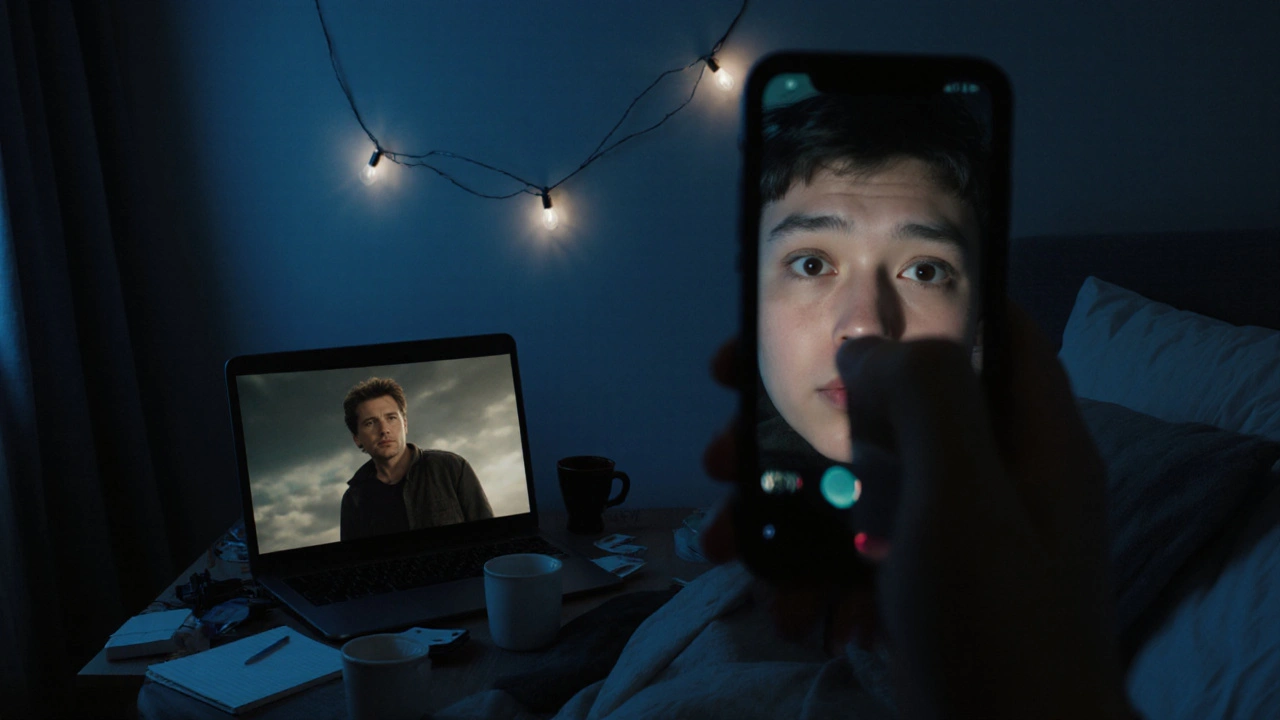
The rise of the “micro-review”
People don’t have time for long reviews anymore. But they’ll spend 90 seconds watching a video of someone explain why a character’s final line made them rethink their life.
These are the new micro-reviews:
- One-line takes: “The dad in this movie is the only good father in cinema since The Father.”
- Visual metaphors: A photo of a rain-streaked window with the caption: “This movie felt like that.”
- Sound bites: A 12-second audio clip of someone whispering, “I didn’t know I needed this until now.”
- Comparisons: “This is Parasite meets Little Miss Sunshine but with more silence.”
These aren’t just opinions-they’re emotional shorthand. They’re designed to be shared, not debated. And they’re more persuasive than a 4/5 star rating.
Why this changes how films are made
Directors and writers are starting to write with social media reactions in mind. Not to please the internet-but to create moments that spark them.
For The Holdovers (2023), director Alexander Payne deliberately cut a 90-second monologue from the final act because he worried it wouldn’t translate visually. Instead, he added a silent moment where the main character stares at a Christmas ornament. That moment became a meme. People posted their own ornaments with captions like “this is me after Thanksgiving.” The film’s box office doubled after that clip went viral.
Netflix’s data team now tracks “reaction moments”-specific scenes that trigger the most shares and replies. They’ve started asking filmmakers: “What’s the one moment you hope someone posts about?” That’s now part of the creative brief.
How to tell if a social media reaction is real or manufactured
Not all viral reactions are genuine. Some are paid. Some are bots. Here’s how to spot the difference:
- Authentic: Posts have typos, shaky video, personal context (“my grandma loved this”), and emotional inconsistency (“I hated it but I cried”).
- Manufactured: Perfect lighting, identical phrasing across 20 accounts, no personal details, and replies are all “10/10” with no discussion.
- Red flag: A thread with 10K likes but zero replies asking questions or sharing counterpoints. Real conversations have friction.
Look for the messy, human details. That’s where truth lives.
What this means for you as a viewer
You’re not just watching movies anymore. You’re part of their legacy.
That rant you posted after The Marvels? Someone else saw it and decided to watch it. That quiet post about how the ending made you think of your dad? That’s now part of the film’s cultural footprint.
Don’t wait for a critic to tell you if something’s good. Your reaction matters. Not because it’s loud-but because it’s yours. And in a world full of noise, authenticity is the only thing that cuts through.
So next time you leave a theater, pause your stream, or stare at your ceiling after a movie-don’t just think about it. Say it out loud. Record it. Post it. Someone out there is waiting to hear it.
Are social media film reactions replacing traditional reviews?
No-they’re supplementing them. Critics still provide context, history, and technical analysis. But for most people, social media reactions are the first thing they read before deciding to watch a movie. They’re the emotional filter. Critics explain why a film works. Social media tells you how it feels.
Which platforms are most influential for film reactions?
Threads and X (Twitter) lead in long-form discussion. TikTok drives viral moments with short video reactions. Instagram Stories are great for quick emotional snaps. Reddit’s movie subs offer deep dives, but they’re slower to trend. For real-time impact, Threads and TikTok are the top two.
Can a single social media post make or break a movie?
It’s rare, but it happens. In 2024, a TikTok video of a teenager saying, “I didn’t know I was lonely until this movie showed me,” sparked a 400% spike in searches for The Last Repair Shop. The film went from playing in 12 theaters to 200 in two weeks. One post didn’t make it a hit-but it gave it a second life.
Do studios pay for fake social media reactions?
Some do. Influencer marketing agencies have been caught paying for “organic-looking” threads. But audiences are getting better at spotting them. The most effective reactions are still the ones that feel unplanned-raw, personal, and slightly awkward. Fakeness doesn’t spread. Humanity does.
How can I make my film reaction stand out?
Don’t write a review. Share a moment. Film yourself reacting to a line. Post a photo of your popcorn cup next to a still from the movie. Write one sentence about how it made you feel about your own life. The more personal, the more powerful. You’re not trying to impress. You’re trying to connect.




Comments(10)