Key Takeaways
- Programming teams act as the first filter, long before a jury ever sees a film.
- Selection is based on a mix of artistic merit, geographic diversity, and the 'vibe' of the current year's theme.
- Juries are often appointed late and work under extreme pressure to reach a consensus.
- The difference between a 'Selection Committee' and a 'Jury' is the difference between getting into the festival and winning a trophy.
The First Gate: The Selection Committee
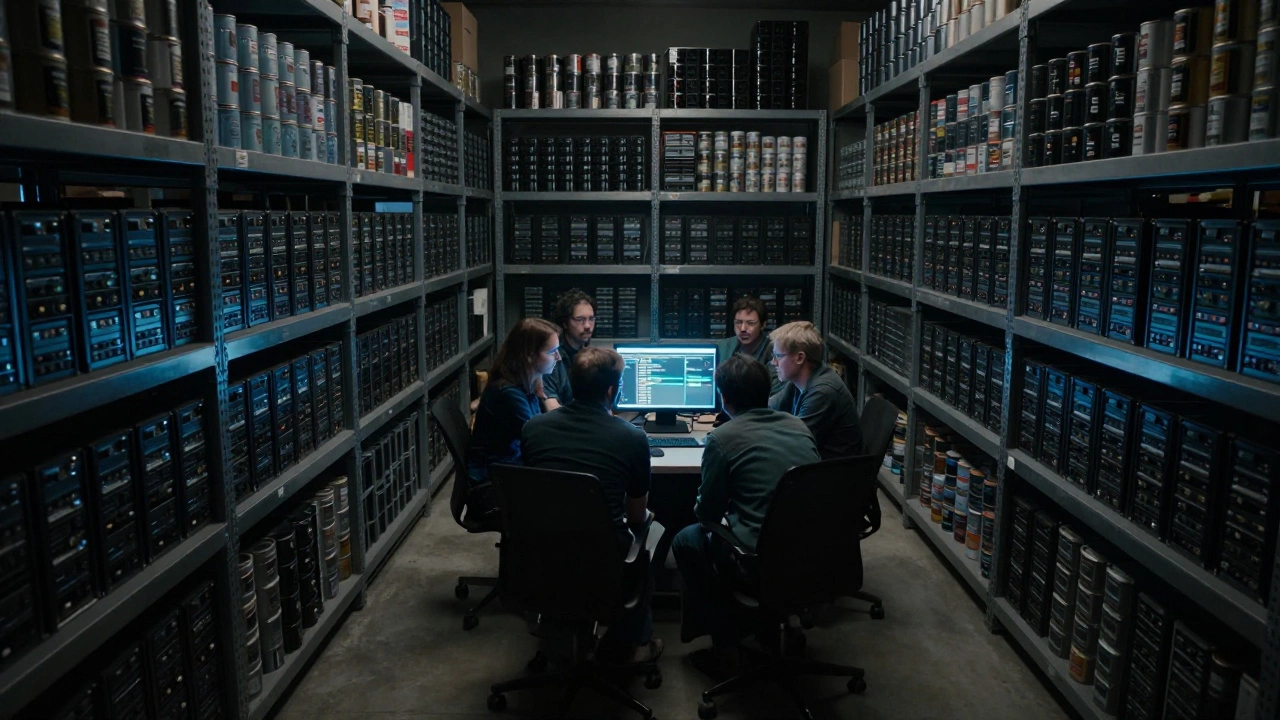
Before the glitz of the red carpet, there is the Film Festival Selection Committee is a group of programmers and curators responsible for vetting thousands of submissions to create the official lineup. These people are the unsung heroes (or villains) of the festival. They aren't looking for a winner; they are looking for a program. If a festival has 100 slots and 5,000 submissions, they aren't just picking the 100 'best' movies-they're picking 100 movies that fit together.
Think of it like building a music playlist. You wouldn't put ten heavy metal songs in a row, even if they were the ten best metal songs in the world. You want a mix of pacing, tone, and origin. A programmer might reject a masterpiece because they already have three slow-burn dramas from Scandinavia and desperately need a high-energy comedy from South Korea to wake up the audience on Tuesday afternoon.
This phase is where the film festival selection process is most brutal. Most films are cut by "screeners"-junior staff or interns who watch the first 30 minutes. If the movie doesn't grab them, it's out. This is why the first ten minutes of your film are the most important moments of your entire production. If you don't establish the world and the stakes immediately, you're just another file in a digital trash bin.
The Art of Programming: Curation vs. Competition
Programming is an exercise in curation. A Festival Director often sets a "north star" for the year. For example, if the theme is "Isolation," the committee will lean toward films that explore loneliness, even if they are technically less polished than a big-budget studio entry. They are looking for a specific emotional resonance that aligns with the festival's identity.
There are different tiers of selection. You have the "Official Selection," which is the gold standard. Then you have "Out of Competition" or "Gala screenings." These are often big-name movies that the festival wants for the prestige and the stars, but they aren't actually competing for prizes. It's a strategic move to ensure the press shows up. If you see a movie by a legend like Martin Scorsese at a festival but it isn't in the running for the top prize, it's likely a curated exhibition piece.
| Feature | Selection Committee | Festival Jury |
|---|---|---|
| Primary Goal | Curate the full program | Pick the winning films |
| Timing | Work for 6-12 months prior | Work during the event |
| Volume | Watch thousands of films | Watch a small subset (20-60) |
| Outcome | The 'Official Selection' list | The Awards/Prizes |
How Juries Actually Work
Once the films are chosen and the festival begins, the Festival Jury takes over. A jury is a small group-usually 3 to 9 people-made up of filmmakers, actors, and critics. Unlike the selection committee, which is a professional staff, the jury is often a temporary assembly of "experts" brought in for their prestige.
The dynamic in a jury room is famously tense. You have a group of strong personalities-many of whom are used to being the boss on their own sets-trying to agree on a single winner. Some festivals use a point system, while others rely on a consensus model. In a consensus model, they argue until everyone can live with the decision. This is why some winners feel "safe" or middle-of-the-road; they were the only movie that everyone agreed was good, even if it wasn't anyone's absolute favorite.
Juries are also susceptible to "festival fatigue." By day eight of a festival, after watching six films a day, the judges are exhausted. A film that screens on Monday morning might be judged more harshly than a film that screens on Friday night after a few glasses of champagne. The sequence of screenings can actually influence the final outcome.

The Influence of Industry Trends and Politics
Let's be real: it's not always about the art. There is a heavy element of Film Industry politics at play. A film might get chosen because the producer is a friend of the director, or because a powerful agent promised that a certain A-list star would attend the premiere if the movie was accepted. This is the "hidden currency" of the festival circuit.
Geopolitics also play a role. Major festivals like Cannes or Venice often feel a responsibility to represent the "global south" or emerging cinema from regions like Southeast Asia or West Africa. If a festival is lacking diversity in its lineup, the committee might specifically hunt for films from those regions to ensure the event feels like a global summit rather than a Western European party. This doesn't mean the films aren't good; it just means the slot was partially reserved for a specific regional perspective.
Common Pitfalls for Filmmakers
Many first-time directors make the mistake of sending their film to every festival on the planet. This is a bad move. If a prestigious festival sees that your movie has already played at ten tiny regional fests, they might view it as "stale." Some top-tier festivals have strict "premiere requirements," meaning if you've screened the film anywhere else-even a small local gallery-you are automatically disqualified from the main competition.
Another trap is ignoring the "fit." Sending a hyper-violent slasher to a festival that specializes in poetic realism is a waste of a submission fee. You have to research the previous winners. If a festival has spent the last five years awarding "quiet family dramas," don't expect them to pivot to your experimental avant-garde piece just because it's technically impressive.

The Road to the Podium: The Final Deliberation
The final hours of a jury's work are often the most chaotic. The Grand Prix or "Golden Palm" equivalent is rarely a unanimous choice. There are often two or three films that are neck-and-neck. The decision often comes down to a single detail: Did this movie push the medium of cinema forward, or was it just a very well-made version of something we've seen before?
Juries are encouraged to reward innovation over perfection. A film with some technical flaws but a revolutionary way of telling a story will often beat a technically flawless film that feels generic. This is why festival winners sometimes feel "weird" to the general public-they are being judged on their contribution to the art form, not their potential for box-office success.
Does the fame of the director help a film get selected?
Absolutely. While festivals love to discover new talent, a "name" director is a guaranteed draw for press and ticket sales. These films often bypass the rigorous screening process and are invited directly into the lineup, though they may not always be in the official competition for prizes.
What is the difference between a 'Competitive' and 'Non-Competitive' section?
Competitive sections are where the jury decides who wins the awards. Non-competitive sections (like 'Out of Competition' or 'Special Screenings') are for films that the festival wants to show for prestige, star power, or artistic interest, but which are not eligible for the trophies.
Can I appeal a rejection from a selection committee?
Almost never. Selection committees rarely provide feedback because they receive thousands of entries. Sending an angry email to a programmer is a quick way to get blacklisted from future editions of the festival.
How long does the jury deliberation actually take?
It varies, but for major festivals, the final session can last anywhere from a few hours to several days. The pressure is immense because the announcement usually happens in a high-stakes press conference shortly after the meeting.
Do festivals prioritize certain genres over others?
Yes, every festival has a specific "flavor." Some are dedicated to horror, others to documentaries, and some to high-art cinema. Even general festivals usually have a bias toward narratives that explore social issues or human psychology over pure spectacle.
Next Steps for Indie Filmmakers
If you're submitting your first project, start by building a target list. Don't just look at the "Big Three" (Cannes, Venice, Berlin). Look for "Tier 2" and "Tier 3" festivals that align with your genre. Use platforms like FilmFreeway to track deadlines, but remember that a personalized cover letter-explaining why your film fits their specific programming history-can sometimes move your project from the "maybe" pile to the "yes" pile.
If you're rejected, don't take it personally. Remember that the selection process is as much about the balance of the rest of the program as it is about your movie. Sometimes, you're just the fourth drama in a city that already has three. Keep refining your opening ten minutes and keep submitting.




Comments(5)