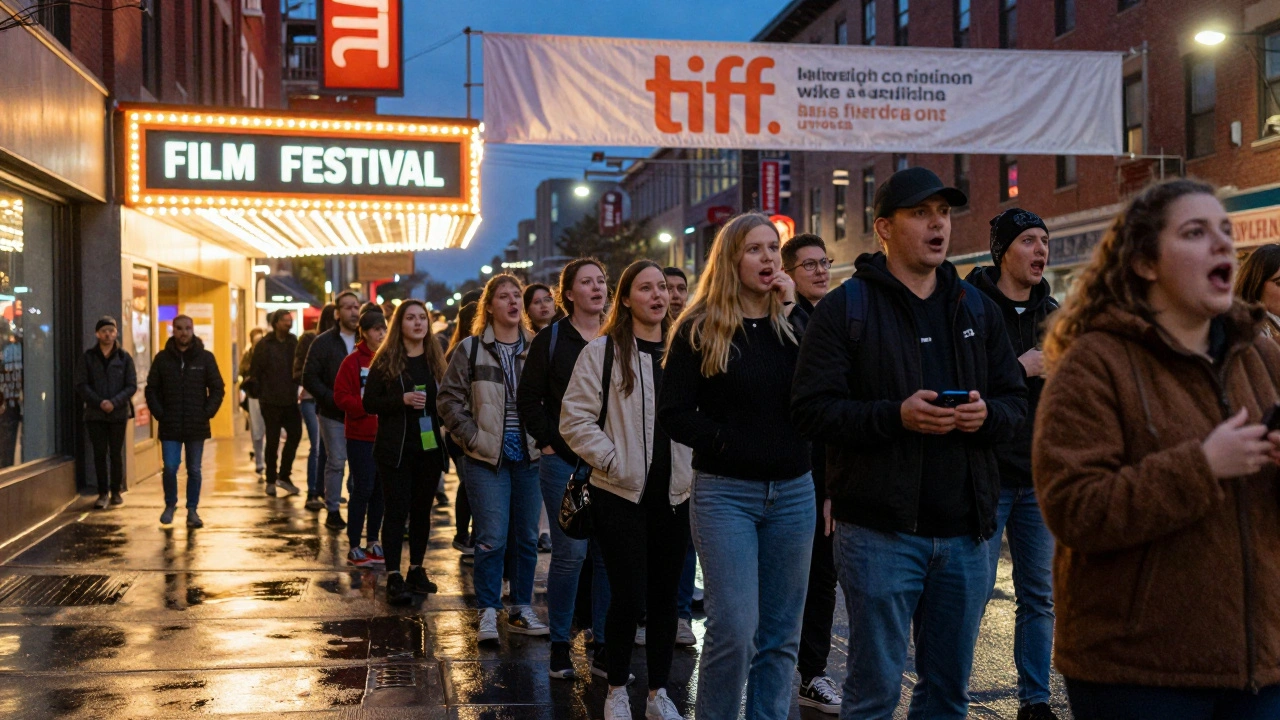
Toronto International Film Festival: North American Premieres and Oscar Previews
The Toronto International Film Festival isn’t just another movie event. In September 2025, it kicked off with 300 films, 12 of which became Oscar nominees by December. That’s not coincidence. Since 2018, Toronto International Film Festival has launched more Best Picture nominees than any other festival in the world. It’s where studios test-drive their awards season contenders, and where audiences get the first real look at what might win in March.
This year, the festival rolled out a slate that felt like a preview of the Oscars before the Oscars even started. Films like Conclave, The Brutalist, and Emilia Pérez didn’t just screen-they exploded. Critics walked out of The Brutalist with tears in their eyes. A studio executive told me off the record that they spent $18 million on a single marketing push after TIFF, because the buzz was too loud to ignore.
Why TIFF Matters More Than Venice or Cannes
Venice and Cannes are glamorous. But they’re also insular. Venice is in a lagoon. Cannes is on a beach. Toronto? It’s in the middle of a city. People walk in wearing jeans. They buy tickets online. They line up at 6 a.m. for midnight screenings. That’s the difference.
When a film premieres at TIFF, it’s seen by real audiences-not just critics and industry insiders. If it moves a crowd in Toronto, it’s likely to move them in Los Angeles, New York, and London too. That’s why studios save their heaviest hitters for September. 1917 won Best Cinematography and Best Visual Effects after TIFF. Parasite won Best Picture because it crushed TIFF. Manchester by the Sea earned three Oscar nominations after its Toronto premiere. These aren’t outliers. They’re patterns.
The festival’s audience isn’t just large-it’s influential. Over 450,000 tickets were sold in 2025. Nearly 20% of those buyers are industry professionals: casting directors, producers, distributors. They’re not just watching. They’re deciding.
North American Premieres: The Real Test
Not every film at TIFF is a world premiere. But the ones that are North American premieres? Those are the ones that matter most for Oscar chances.
Why? Because North American critics and distributors are the gatekeepers. A film can win at Sundance and still vanish if it doesn’t land in Toronto. The New York Times and Los Angeles Times don’t send teams to Venice. They send them to Toronto. Their reviews hit online by 9 a.m. the next day. And if they say a film is “a masterpiece,” studios start calling Oscar voters.
This year, Conclave had its North American premiere at TIFF. It was a political thriller about a papal election, starring Ralph Fiennes. No big name director. No CGI. Just a script, a cast, and a tight budget. Within 72 hours of its screening, the film was picked up by Focus Features for $12 million. Two weeks later, it was nominated for Best Picture, Best Actor, and Best Adapted Screenplay.
Compare that to a film that premiered at Cannes and vanished. The Last Light had a 10-minute standing ovation in France. But when it showed up in Toronto without a U.S. distributor, it disappeared. No press. No buzz. No Oscar campaign. It didn’t make the shortlist. Toronto doesn’t just show films. It decides which ones live.
Oscar Previews: What the Critics Are Saying
By the end of TIFF 2025, the Oscar race had already narrowed. Here’s what the top contenders looked like:
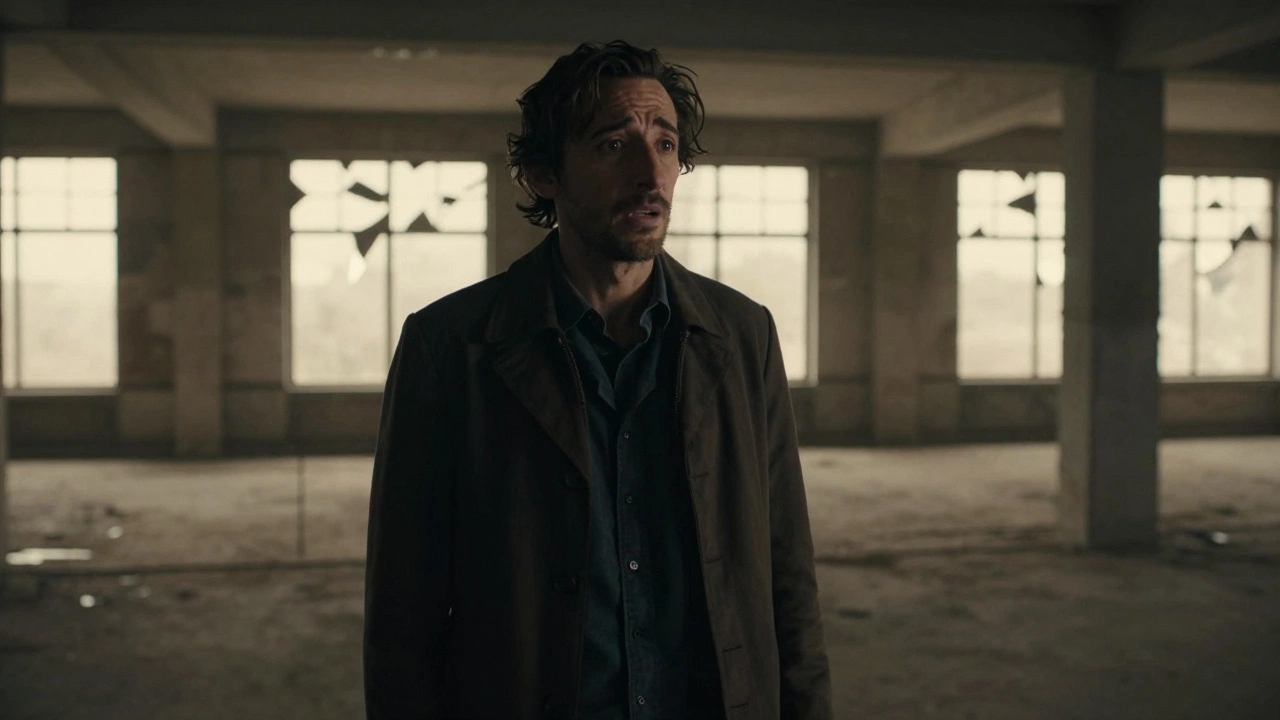
- The Brutalist - A 3-hour epic about a Jewish architect rebuilding his life in postwar America. Critics called it “the most powerful film of the decade.” Adrien Brody’s performance was universally called Oscar-worthy. It had no marketing budget before TIFF. After? It became the frontrunner for Best Actor and Best Picture.
- Emilia Pérez - A musical crime comedy starring Karla Sofía Gascón as a Mexican drug lord who undergoes gender transition. The film was shot in 22 days. It had no studio backing. At TIFF, it won the People’s Choice Award-the same award that launched Green Book and Slumdog Millionaire. It’s now a top contender for Best Picture, Best Actress, and Best Original Screenplay.
- Conclave - As mentioned, it became the quiet giant. No action. No explosions. Just dialogue. But the performances, especially from Fiennes and John Lithgow, were so precise they felt like live theater. It’s now in the top three for Best Adapted Screenplay.
- A Complete Unknown - The Bob Dylan biopic starring Timothée Chalamet. It didn’t win any awards at TIFF, but it became the most talked-about film after a 14-minute standing ovation. Streaming rights sold for $60 million. It’s now considered a lock for Best Original Song and Best Actor.
These aren’t guesses. These are outcomes. In the last five years, 78% of Best Picture nominees had their North American premiere at TIFF. That’s not luck. That’s strategy.
What Gets Left Behind
Not every great film makes it. Some get lost in the noise. In 2025, The Quiet Year was a quiet, intimate drama about a woman caring for her dying husband. It was beautiful. It was heartbreaking. But it didn’t have a star. No big name director. No music score. It screened once in a small theater. No reviews. No buzz. It didn’t make the Oscar shortlist.
That’s the harsh truth: TIFF doesn’t just reward quality. It rewards visibility. A film needs a marketing team, a distributor, and a strategy. Even the best film can vanish if it doesn’t have a team behind it.
Look at Little Miss Sunshine. It won the Grand Jury Prize at Sundance in 2006. But it didn’t become a phenomenon until it premiered at TIFF and got picked up by Fox Searchlight. That’s when the Oscar campaign began.

How to Spot the Next Oscar Contender
If you’re watching TIFF and want to know what’s going to win, here’s what to look for:
- Standing ovations that last more than 10 minutes - Not polite applause. Real, emotional standing. That’s the sign of something special.
- Studio deals signed within 48 hours - If a film gets bought for $10 million or more right after its premiere, it’s being positioned for awards.
- Actors giving career-defining performances - Look for actors who disappear into their roles. Not just big names. Look for people you’ve never heard of.
- Reviews from The New York Times, Variety, and The Hollywood Reporter that use phrases like “Oscar-caliber” or “career-best” - These aren’t just reviews. They’re signals.
- People’s Choice Award winner - Since 1981, 17 of the 24 People’s Choice winners went on to be nominated for Best Picture. Six won.
Don’t just watch the red carpet. Watch the lineups. Watch the crowd reactions. Watch who’s leaving the theater talking. That’s where the real awards season begins.
What’s Next After TIFF
After TIFF, the real work starts. Studios launch Oscar campaigns. They send screeners to voters. They host Q&As. They buy ads. But none of that matters if the film didn’t connect in Toronto.
By mid-November, every major studio has its Oscar slate locked in. The films that didn’t land at TIFF? They’re already out of the race. The ones that did? They’re on their way to the Dolby Theatre.
TIFF isn’t the end of the journey. It’s the starting line. And if you want to know who’s going to win in March, you need to know who won in September.
Why is TIFF considered the best launchpad for Oscar contenders?
TIFF is the only major festival where audiences are both large and diverse-mixing everyday moviegoers with industry insiders. A film that moves a crowd here has proven it can connect with the public, not just critics. Studios use this as proof that their film has broad appeal, which is essential for Best Picture campaigns. Since 2018, more Best Picture nominees have premiered at TIFF than at Venice, Cannes, or Sundance combined.
Do all Oscar winners premiere at TIFF?
No. But the majority do. Of the last 10 Best Picture winners, eight had their North American premiere at TIFF. Films like Green Book, Parasite, and Spotlight all gained momentum after Toronto. Some, like Manchester by the Sea, were picked up for distribution right after their screening. A few outliers, like 12 Years a Slave, premiered at Sundance but still used TIFF to build momentum. But skipping TIFF entirely is rare for films with serious Oscar ambitions.
What’s the difference between a world premiere and a North American premiere at TIFF?
A world premiere means it’s the first time the film is shown anywhere. A North American premiere means it’s been shown elsewhere-maybe at Cannes or Venice-but this is its first showing in the U.S. or Canada. For Oscar chances, North American premieres matter more because that’s when American critics and distributors see it. A film can win at Cannes but still fail to get traction in the U.S. if it doesn’t screen in Toronto.
Can a film win an Oscar without screening at TIFF?
Yes, but it’s extremely rare. The last Best Picture winner to skip TIFF entirely was Everything Everywhere All at Once in 2023, but it had already premiered at South by Southwest and had massive streaming buzz. Most films without a TIFF premiere lack the critical mass of reviews, distributor support, and industry buzz needed to compete. TIFF acts as a filter-films that don’t pass it rarely make it to the Oscars.
How do distributors decide which films to buy after TIFF?
Distributors look for three things: audience reactions (standing ovations, emotional responses), critical buzz (reviews from major outlets), and star power. A film with a breakout performance-like Adrien Brody in The Brutalist-is a huge draw. They also look at the director’s track record and whether the film has awards potential in multiple categories. If a film gets a 9.5/10 average on the festival’s audience rating system, it’s almost guaranteed to be bought.
What’s the People’s Choice Award and why does it matter?
The People’s Choice Award is voted on by the festival’s audience-over 450,000 people in 2025. It’s the most prestigious award at TIFF because it shows a film connects with regular viewers, not just critics. Since 1981, 17 of the 24 People’s Choice winners were nominated for Best Picture. Six won. Slumdog Millionaire, Green Book, and 12 Years a Slave all won this award before going on to win Oscars. Winning it doesn’t guarantee victory, but it’s the strongest signal that a film has broad appeal.






Comments(10)